
The 30 Worst Cat Feeding Mistakes Owners Make
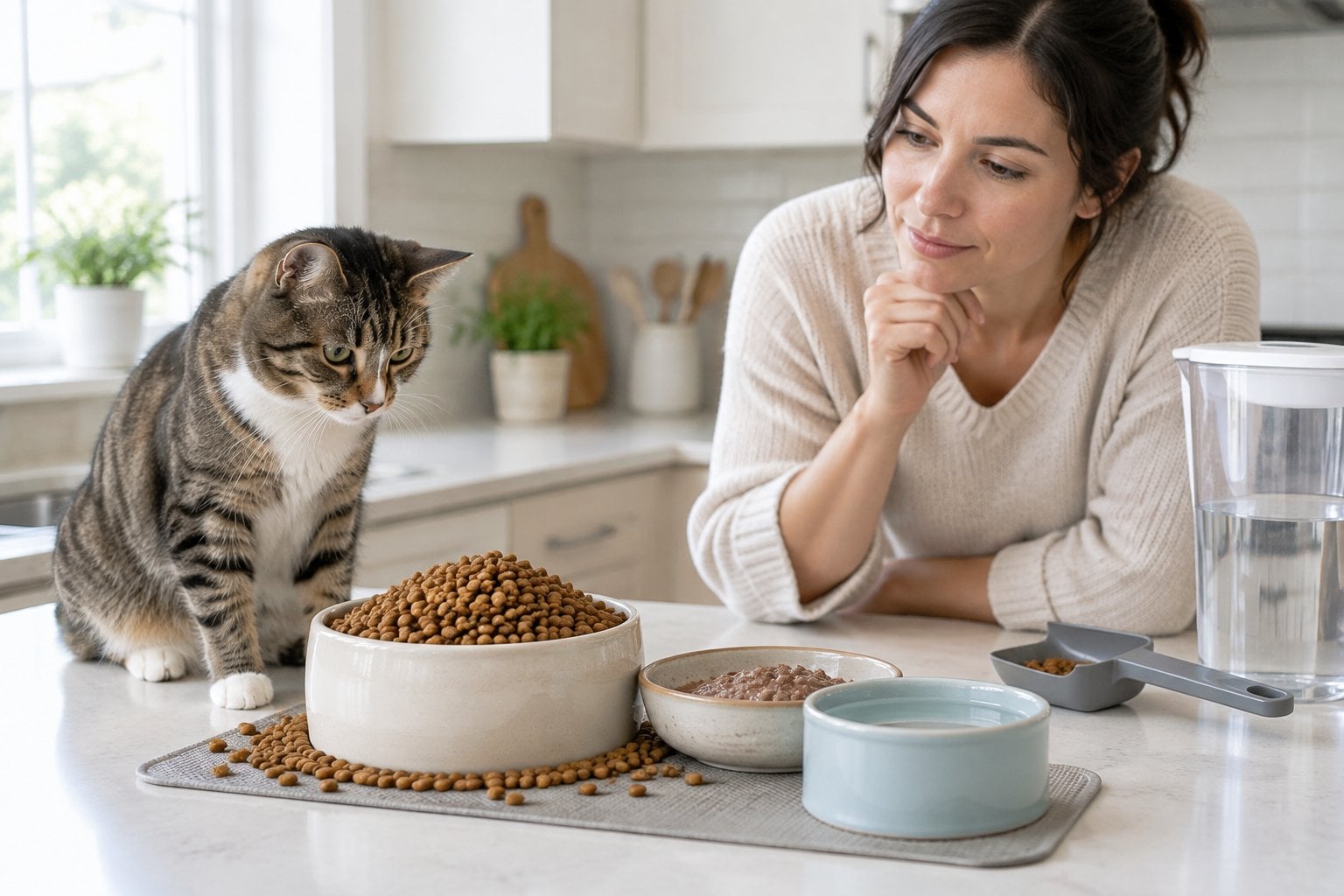
Feeding a cat looks simple on the surface: scoop, pour, done. In practice, the kitchen counter is full of small decisions that can quietly affect your cat’s weight, kidneys, teeth, and comfort for years. Some mistakes cause emergencies within hours; others chip away at health so slowly you won’t notice until a vet visit turns up a problem.
This list moves roughly from the mistakes that can cause harm within days to the habits worth fixing at your own pace. Appetite changes, unsafe homemade or plant-based diets, and nutritionally incomplete foods sit near the top because they can threaten a cat’s health quickly or quietly build up serious problems, while bowl placement and the feeding environment sit lower because they affect comfort and behavior more than survival.
Each entry is about adult cats and pairs the mistake with a specific fix, so you can walk away with changes to make tonight and changes to bring up at your cat’s next checkup. Kittens and seniors with medical conditions have special needs, so check with your vet before changing their diet.
1. Waiting Too Long When Your Cat Stops Eating
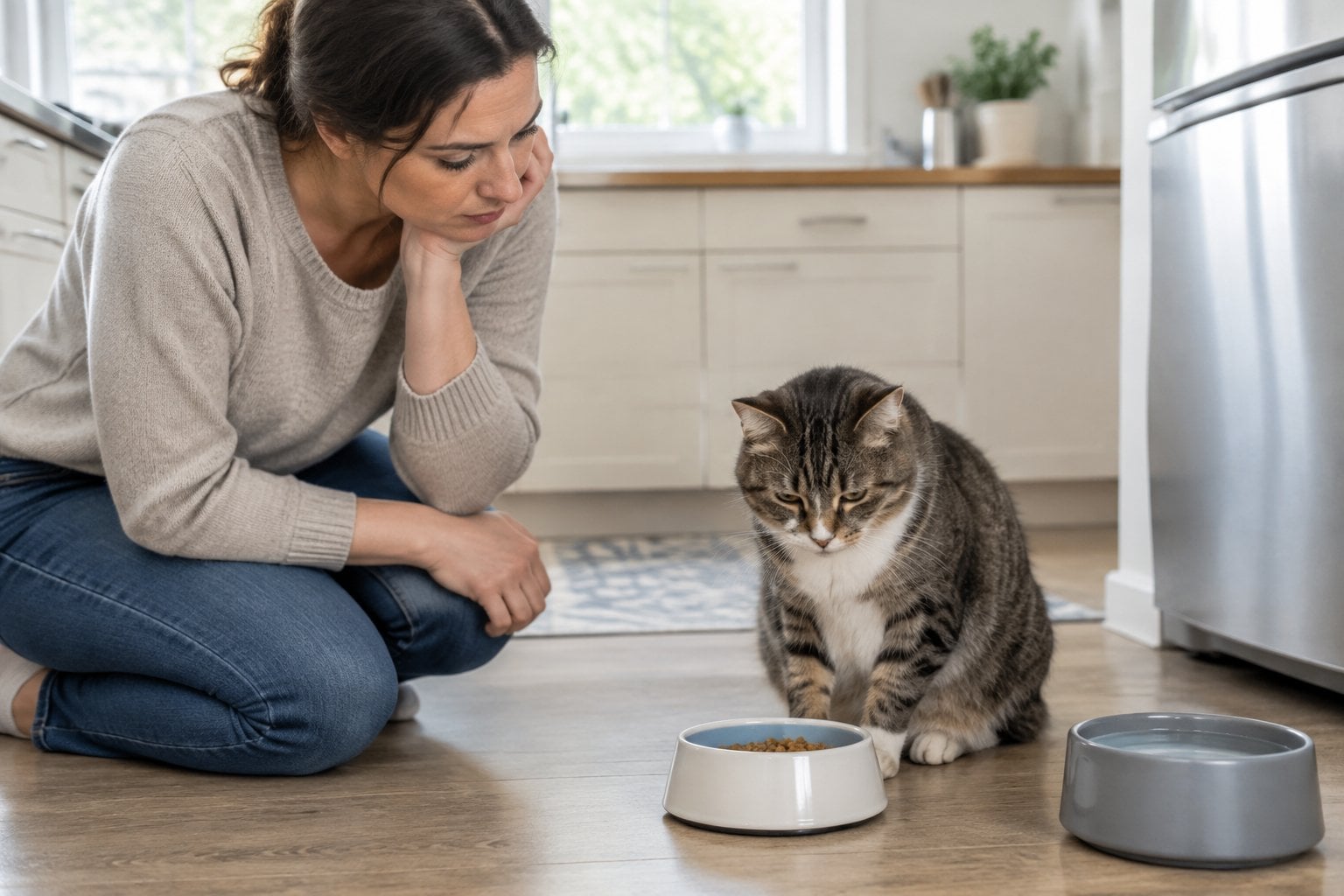
A cat that skips meals is telling you something, and the biggest mistake owners make is assuming it will pass. Cats are built to hide weakness, so refusing food is often the first visible sign of a problem that has been building quietly.
This matters because cats, especially those carrying extra weight, can develop a serious liver condition called hepatic lipidosis if they go without adequate food for even a couple of days. Appetite loss can also signal dental pain, kidney disease, or a urinary blockage, the last of which is a true emergency in male cats and can be fatal within a day or two if untreated.
Call your vet the same day your cat skips more than one full meal, sooner if you notice straining in the litter box, vomiting, hiding, or lethargy alongside it. A cat that shows any sign of urinary blockage, repeated vomiting, or extreme lethargy needs urgent veterinary care immediately, not a wait-and-see approach. Don’t chalk up a sudden refusal to eat as pickiness without ruling out a medical cause first.
2. Not Cutting Calories After Spaying or Neutering
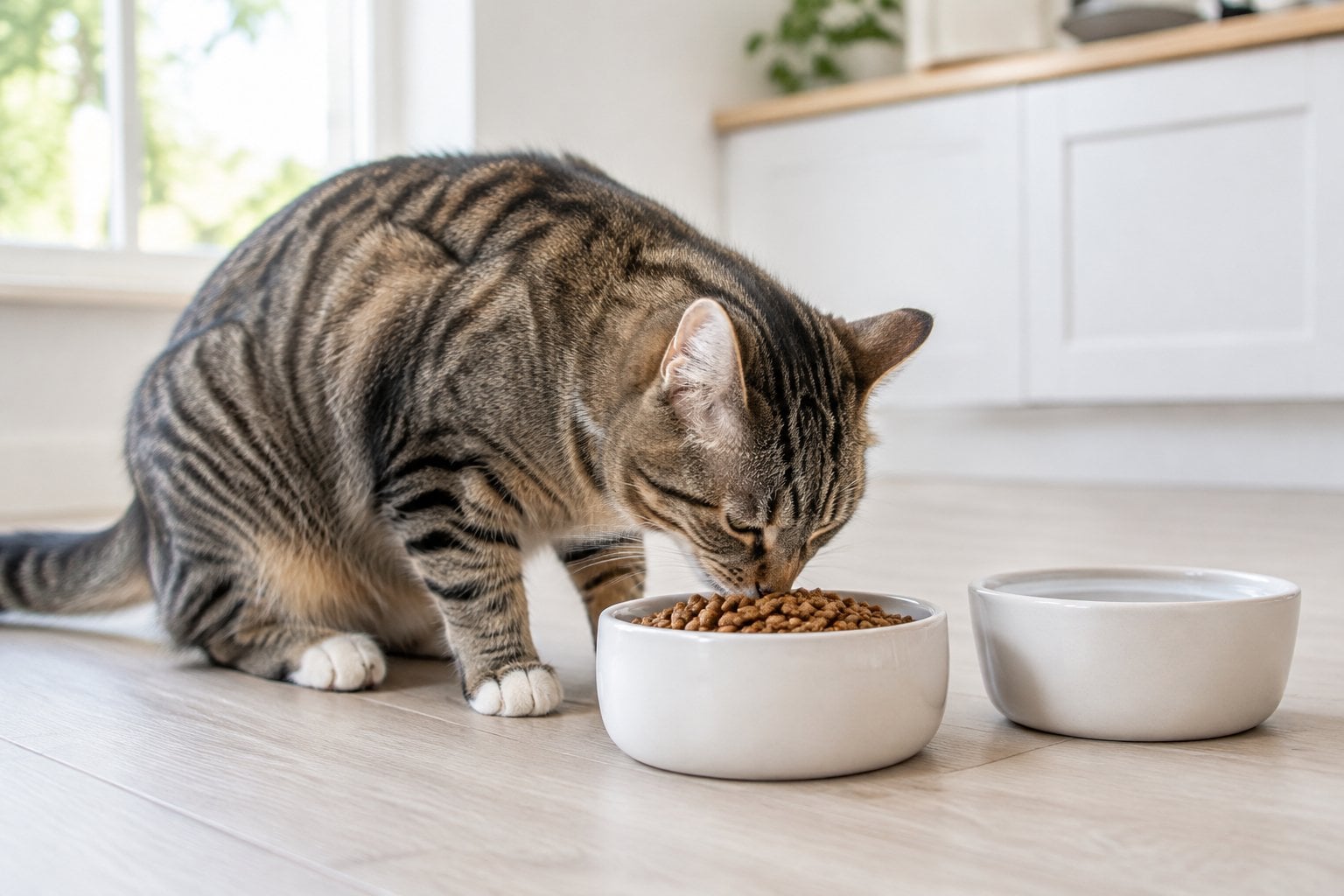
Spaying or neutering is the right call for most cats, but it changes how much food they need. Many owners keep feeding the same amount they gave before surgery, and the cat slowly gains weight without anyone noticing.
After the procedure, a cat’s energy needs drop while its appetite often rises, because sex hormones influence both metabolism and hunger. That combination makes neutered cats more prone to becoming overweight, and extra weight is linked to diabetes, joint trouble, and urinary problems. The gain tends to creep on over months, which is why it is so easy to miss.
Talk to your vet about a calorie target at the surgery or at the first checkup afterward, and weigh your cat every month or two during the first year. Measure meals rather than free-feeding, and check body condition by feeling for ribs under a light layer of fat. If the scale starts climbing, trim portions a little at a time rather than making a sudden cut.
3. Force-Feeding or Syringe-Feeding Without Veterinary Guidance
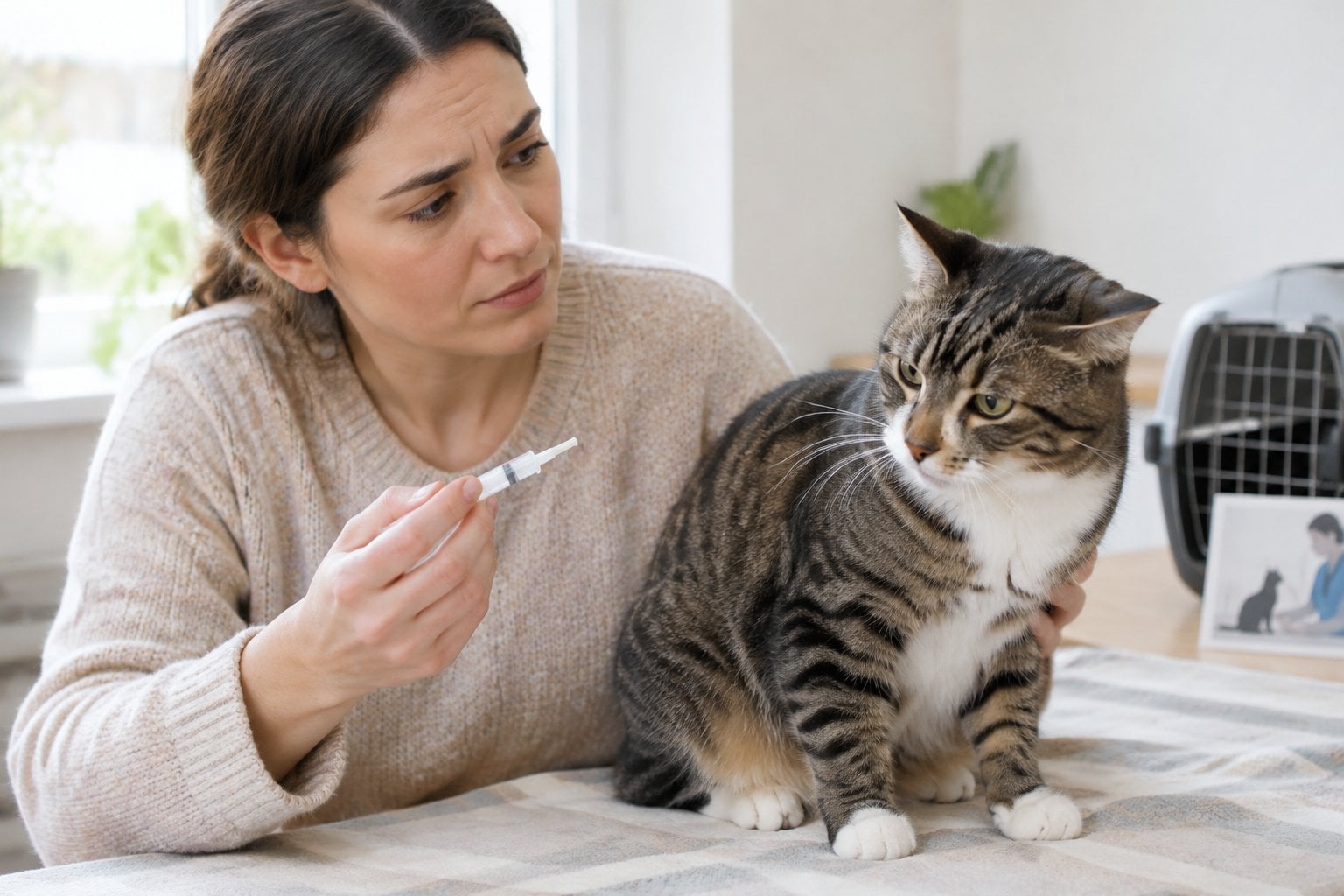
Trying to syringe-feed a sick cat at home without a vet’s direction can be risky and may make a sick cat worse. The instinct to help a cat that won’t eat is understandable, but improper technique risks aspiration, where food or liquid enters the lungs instead of the stomach.
This matters because aspiration pneumonia is a serious, sometimes fatal complication, and it can happen quickly if a cat struggles or swallows wrong during forced feeding. Cats that won’t eat also often have an underlying cause, like nausea or pain, that needs diagnosis and treatment rather than being overridden with mechanical feeding.
Contact your vet as soon as your cat stops eating well instead of reaching for a syringe on your own. If medical feeding support becomes necessary, your vet can show you safe syringe technique or recommend a feeding tube, which delivers nutrition more safely than oral syringing in cats that resist eating.
4. Serving Homemade Meals Without a Professionally Formulated Recipe

Cooking for your cat isn’t automatically a problem, but assembling meals from instinct instead of a verified recipe usually leaves out nutrients cats need. Cats require specific amounts of taurine, certain fatty acids, and a particular calcium-to-phosphorus ratio that home cooks rarely get right by guesswork.
Taurine deficiency in particular can cause heart disease and vision loss over months of an unbalanced diet, and these problems often develop silently before any obvious symptoms appear. A diet that looks nutritious to a human eye, lots of meat, some vegetables, can still be missing critical micronutrients a cat’s body depends on.
Work with a board-certified veterinary nutritionist to formulate or review any homemade recipe before feeding it long-term. Many will provide a written recipe with exact ingredients and supplement amounts, and some veterinary schools offer this consultation remotely if you don’t have local access.
5. Using Dog Food as Your Cat’s Main Diet
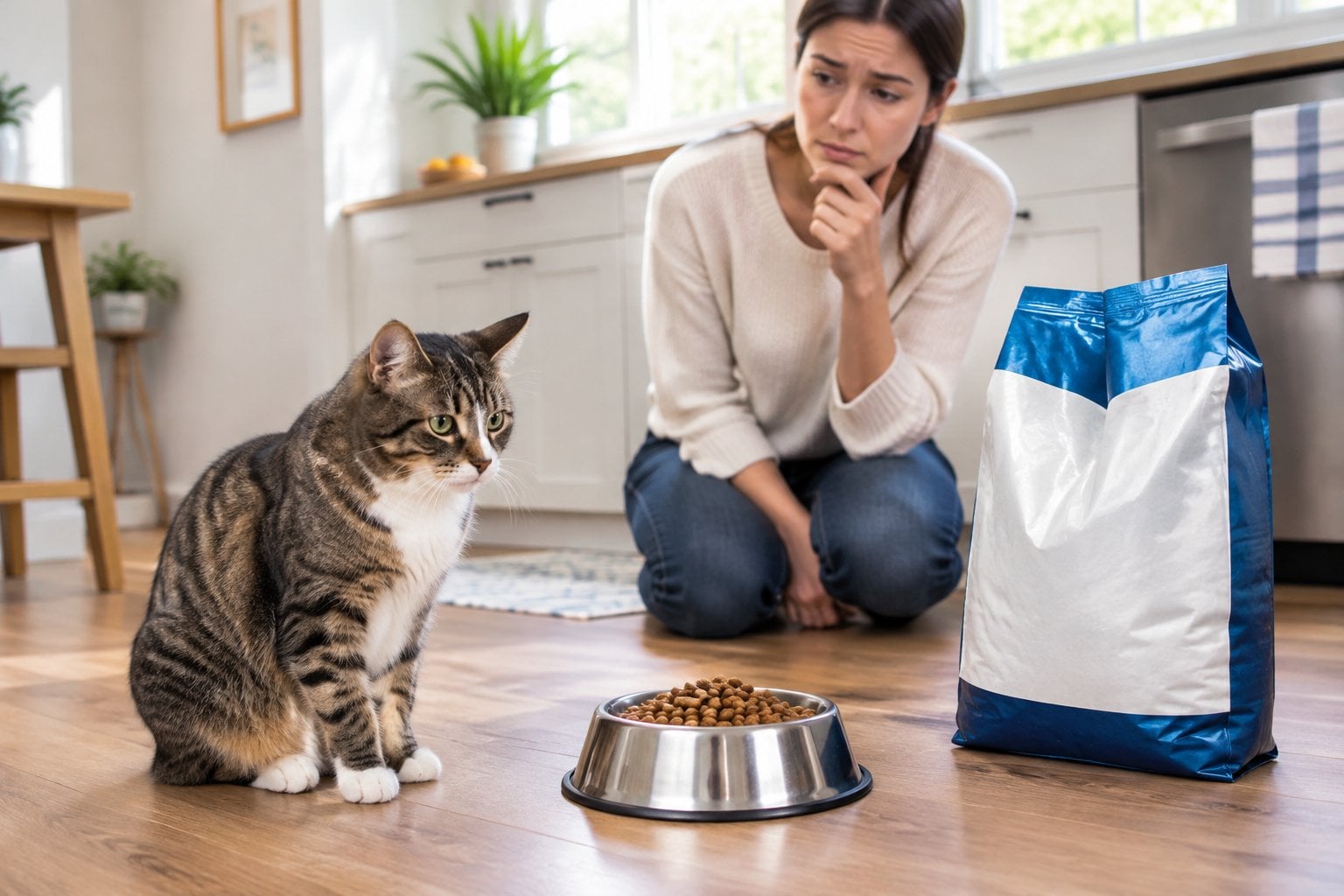
Feeding dog food to a cat as a regular diet, even temporarily during a supply shortage, leaves out nutrients cats cannot produce on their own. Cats need taurine, arachidonic acid, and preformed vitamin A in their diet because their bodies can’t synthesize adequate amounts the way dogs can.
Dog food is formulated for a different metabolism and typically contains little or none of these cat-specific nutrients in sufficient amounts. An occasional bite from the dog’s bowl won’t hurt a healthy cat, but weeks of dog food as a main diet can lead to taurine deficiency, vision problems, and heart muscle disease.
Keep dog and cat bowls in separate areas if you have both species in the house, since cats will happily eat dog food given the chance. If you run out of cat food, a single meal of dog food will not harm a healthy cat, but get proper cat food as soon as you can rather than letting it become a habit.
6. Feeding a Vegan Diet Without Veterinary Nutrition Oversight

Cats are obligate carnivores, meaning their bodies are built to get certain nutrients, like taurine, vitamin A, and arachidonic acid, from animal tissue. A vegan or vegetarian diet attempted without expert formulation and monitoring puts a cat at real risk of deficiency diseases.
This matters because the consequences aren’t always immediate. Taurine deficiency can take months to show up as heart problems or retinal damage, by which point the harm may be partly irreversible.
If you want to feed a plant-based diet for ethical or environmental reasons, that decision needs a veterinary nutritionist’s involvement from the start, along with regular bloodwork to catch deficiencies early. Commercial plant-based cat foods do exist with synthetic taurine and other nutrients added, but even those warrant veterinary blood monitoring rather than being assumed safe by default.
7. Overfeeding by Keeping the Bowl Permanently Topped Up
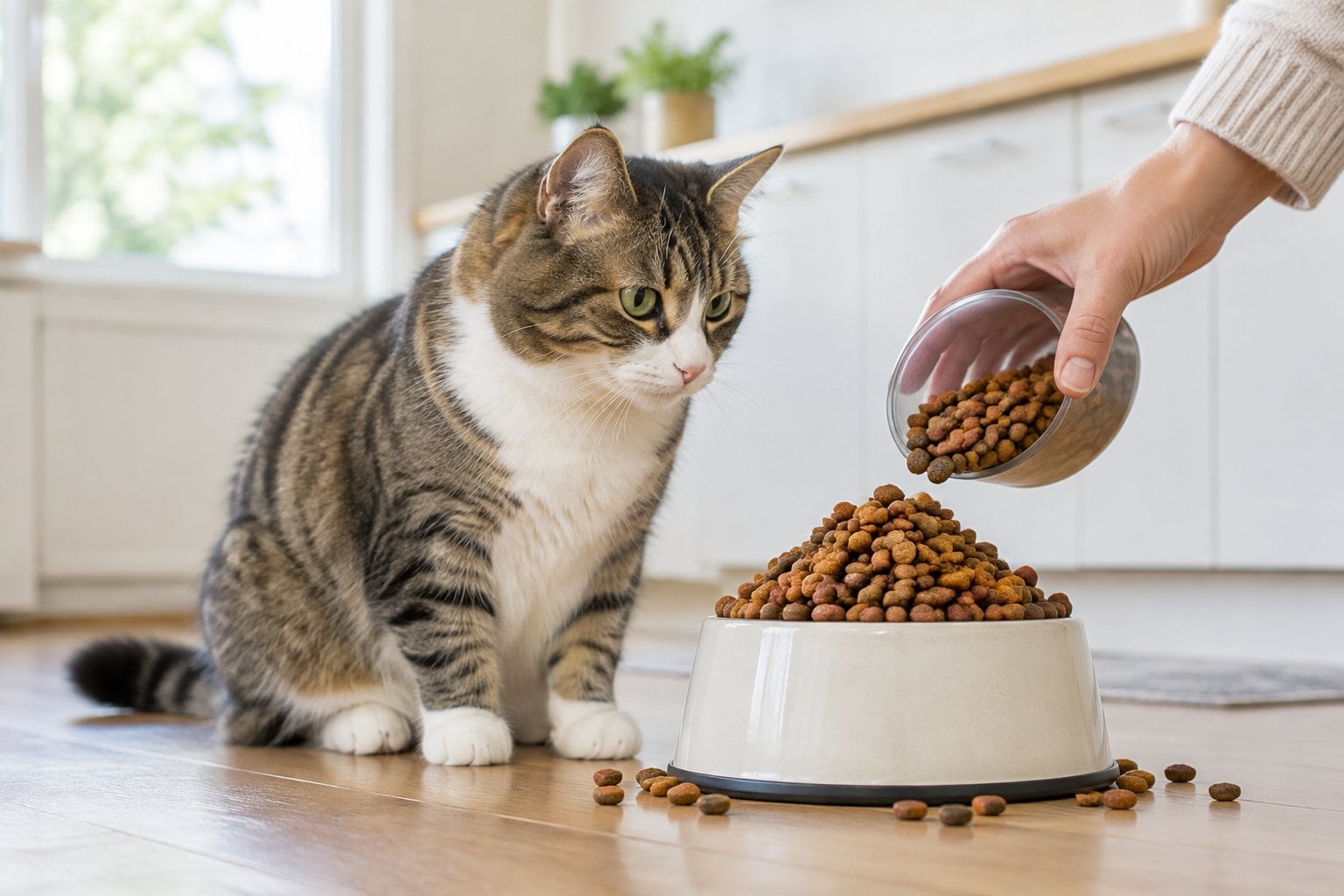
Free-feeding, where the bowl is always full, is one of the most common reasons indoor cats become overweight. When food is constantly available, it’s nearly impossible to track how much your cat actually eats in a day, and grazing habits mask steady weight gain.
Extra weight raises a cat’s risk of diabetes, joint strain, and liver disease, and it tends to creep on gradually enough that owners don’t notice until a vet points it out at a checkup. Dry food is especially easy to overfeed because it’s calorie-dense and doesn’t spoil sitting out.
Measure meals using the feeding guide on your cat’s food label as a starting point, then adjust based on body condition rather than the bag’s suggestion alone. Splitting the daily amount into two or three measured meals, or using a timed feeder, gives your cat structure without constant access to an overflowing bowl.
8. Putting an Overweight Cat on a Crash Diet
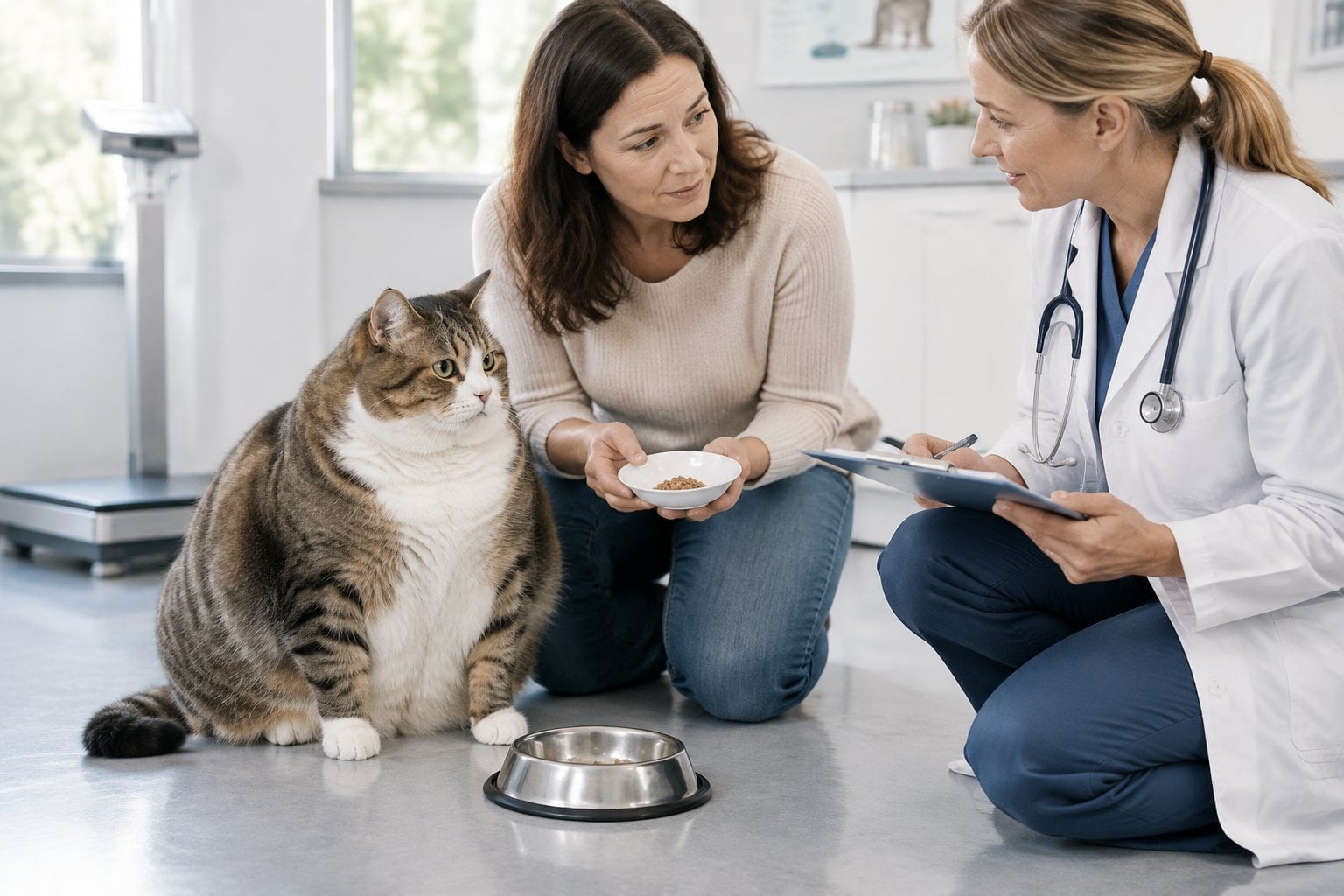
Cutting an overweight cat’s food drastically to speed up weight loss can trigger hepatic lipidosis, a dangerous liver condition that develops when a cat’s body breaks down fat too quickly for the liver to process. This risk is highest in cats that are already overweight, which makes rapid dieting especially counterproductive for the cats owners most want to help.
Even a few days of severely reduced food intake can set this process in motion, and once it starts, the cat may stop eating altogether, worsening the cycle. Weight loss in cats needs to happen gradually, generally over a period of months rather than weeks, to protect the liver.
Ask your vet to calculate a safe calorie target and a realistic timeline before changing portions for weight loss. A structured plan with monthly weigh-ins works far better, and far more safely, than guessing at a smaller portion and hoping for quick results.
9. Assuming Raw Meat and Raw Pet Food Are Risk-Free

Raw diets have genuine supporters, but treating raw meat as automatically safe ignores real risks around bacterial contamination and nutritional balance. Raw poultry and meat can carry salmonella and listeria, which can sicken your cat and also spread to household members through handling or litter box contact.
Commercial raw diets vary widely in quality, and not all are formulated to meet complete feline nutrient requirements, particularly around calcium and phosphorus balance. Cats with weakened immune systems, kittens, and households with young children or immunocompromised members face higher risk from any raw feeding approach. The American Veterinary Medical Association discourages feeding any raw or undercooked animal-sourced protein to cats and dogs for exactly this reason.
If you choose to feed raw, use products specifically formulated for completeness, handle meat with the same hygiene standards you’d use for your own food, and follow the manufacturer’s storage instructions, keeping in mind that freezing does not reliably remove bacteria. Discuss the approach with your vet first, especially if your cat has any underlying health condition.
10. Feeding at Random Times With No Routine
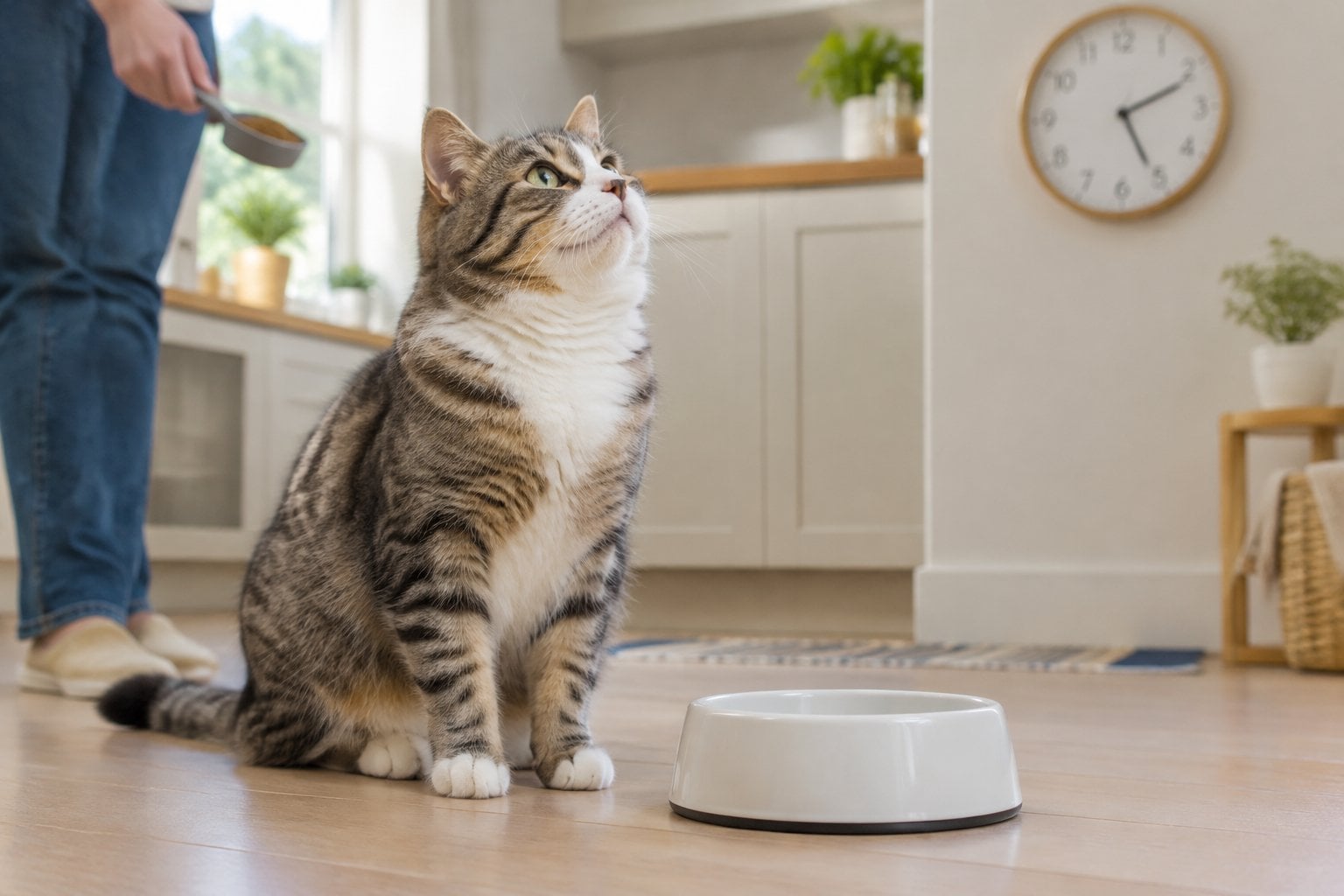
Some cats are fed whenever the owner remembers: a big bowl in the morning one day, nothing until late evening the next. Cats are creatures of habit, and an unpredictable mealtime can leave them anxious about when food will arrive.
A cat that cannot predict its meals may beg, cry at the bedroom door, gulp its food, or vomit after eating too fast from hunger. An erratic schedule also makes it harder to notice when appetite changes, which is often the first sign of illness. Cornell’s Feline Health Center says most adult cats do well on one or two meals a day, but the key is a plan that fits your cat and stays consistent.
Pick set mealtimes and stick to them, even on weekends. Divide the measured daily amount into two or more meals, and consider a timed feeder if your schedule varies. If your cat seems hungry long before mealtime, ask your vet whether an extra small meal, a slower feeder, or a puzzle bowl would help, rather than simply topping up the bowl.
11. Failing to Provide Reliable Access to Fresh Water
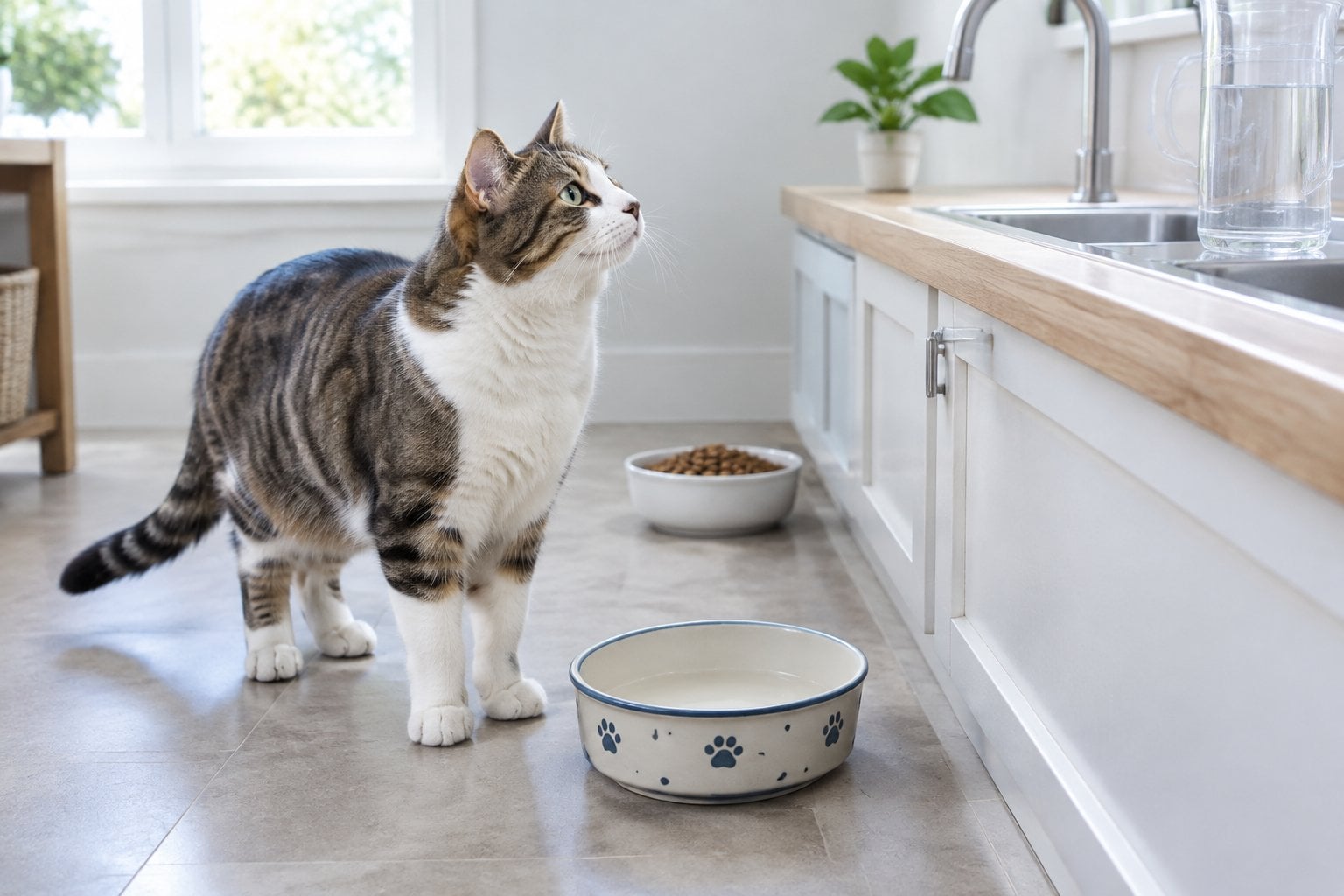
Letting a water bowl sit unchanged for days, or run dry between refills, undermines hydration in a species that doesn’t have a strong thirst drive to begin with. Cats descend from desert animals, so they don’t instinctively drink as much as dogs do, which makes consistent access to clean water your responsibility rather than something to leave to chance.
Stale water collects dust and bacteria, and some cats will simply stop drinking from a bowl that smells off rather than tolerate it. Chronic low water intake contributes to concentrated urine, which raises the risk of urinary crystals and kidney strain over time.
Refresh water at least once daily, more often in warm weather, and wash the bowl regularly with soap and water. Keep bowls away from the litter box, since many cats won’t drink near one, and consider a pet fountain if your cat seems uninterested in standing water, since moving water encourages some cats to drink more.
12. Eyeballing Portions Instead of Measuring Them
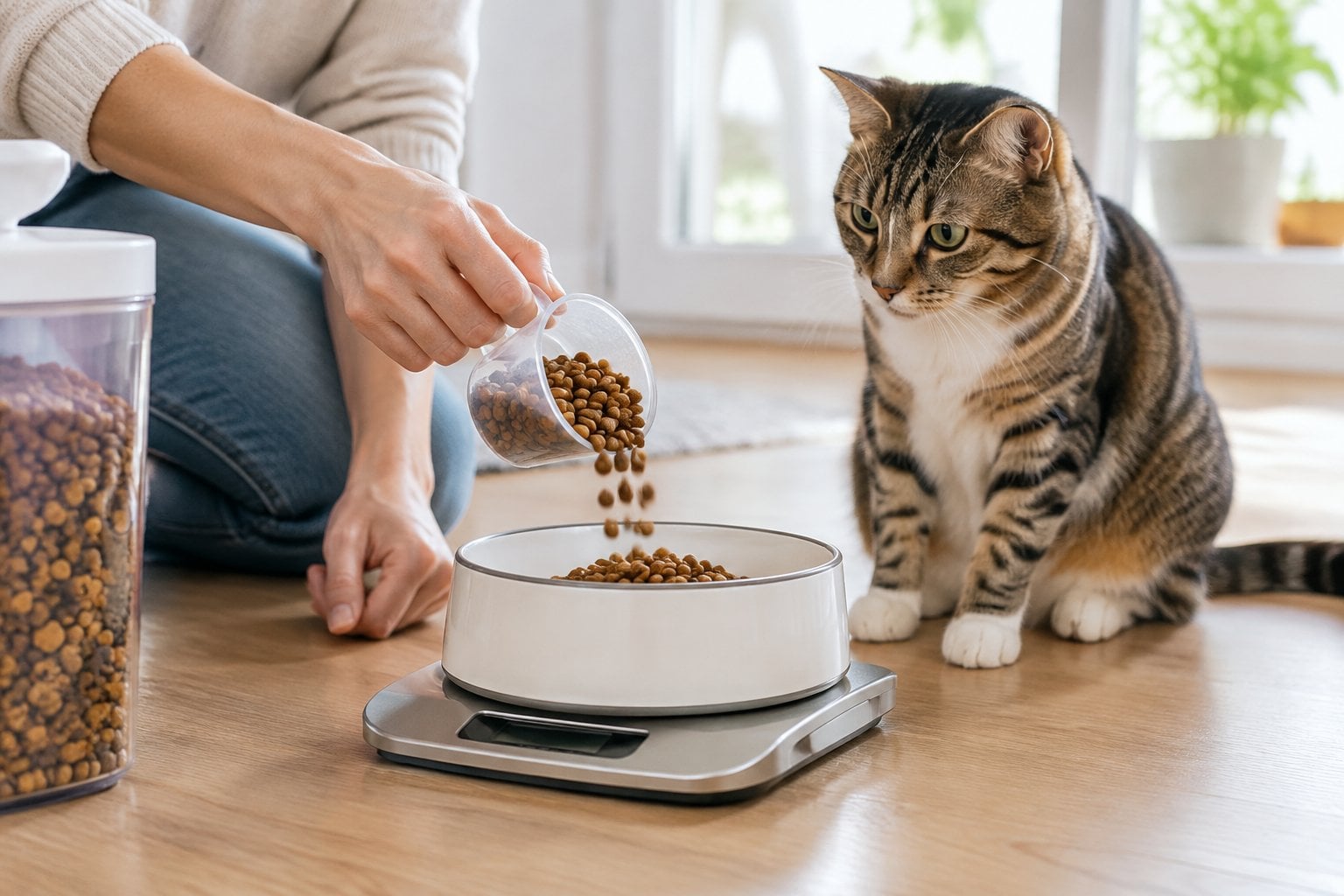
Scooping food into the bowl by sight, or using whatever mug is nearby, feels close enough. In reality a small error repeated twice a day adds up quickly, because cats need so few calories to begin with.
An average adult indoor cat needs only about 200 to 300 calories a day, so a heaping scoop instead of a level one can add a meaningful surplus every day. Scoops and mugs vary a lot in size, and dry kibble is dense in calories, so a bowl that looks modest may hold well over what your cat needs. Over months that surplus turns into pounds, which is how most pet weight problems begin.
Use a proper measuring cup or, better, a kitchen scale, which is more accurate for kibble. Start with the feeding guide on the label, then adjust with your vet based on your cat’s weight and body condition. Keep the measuring tool with the food so everyone in the household uses it, and count treats and toppers in the daily total.
13. Replacing a Prescribed Therapeutic Diet Without Asking Your Vet
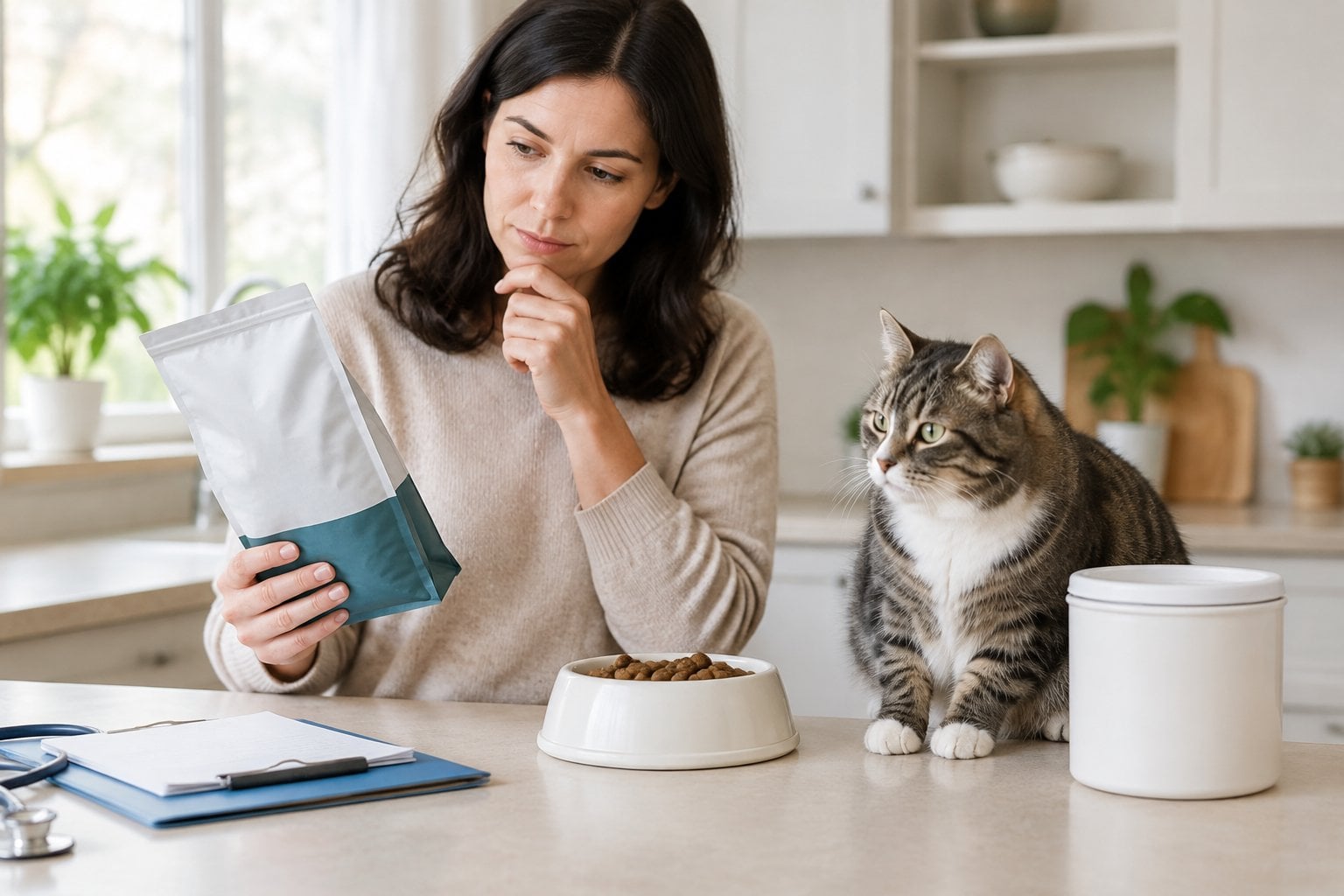
Swapping a vet-prescribed therapeutic diet for a regular food, even one that looks similar on the label, can undo the specific purpose that diet serves. Therapeutic diets for conditions like kidney disease, urinary crystals, or food allergies are formulated with precise mineral or protein adjustments that over-the-counter foods don’t replicate.
A cat on a kidney diet needs controlled phosphorus levels, for instance, and a well-meaning switch back to standard food can accelerate the disease’s progression without any obvious short-term symptoms. Cost and picky eating are the two most common reasons owners make this switch, and both deserve a conversation with your vet rather than a quiet substitution.
Call your vet before changing a prescribed diet for any reason, including price or your cat’s apparent dislike of the food. They may offer a different therapeutic formula, a transition strategy, or a short-term alternative that still protects the underlying condition.
14. Adding Vitamins, Calcium, or Other Supplements Without Checking the Diet
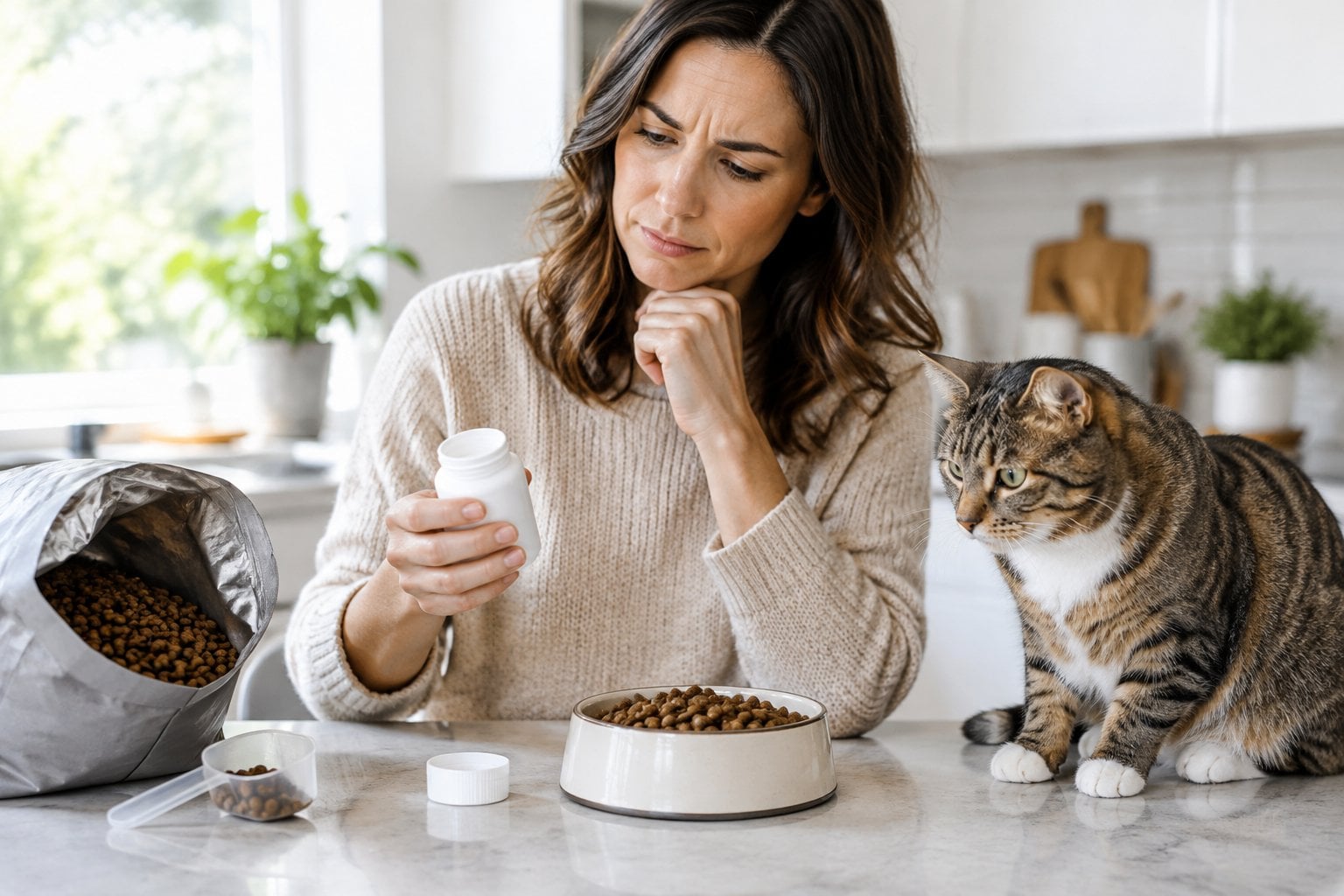
Adding vitamins or calcium to a cat that already eats a complete commercial diet can push nutrient levels past what’s safe rather than filling a gap that doesn’t exist. Complete and balanced cat foods are formulated to meet feline nutrient requirements on their own, so layering supplements on top risks imbalance, particularly with fat-soluble vitamins like A and D, which build up in the body rather than being excreted.
Too much calcium can also upset the balance with phosphorus and other minerals. This mistake often comes from good intentions, wanting to support joint health or coat quality, without checking whether the base diet already covers it.
Ask your vet before adding any supplement, and bring your current food’s label to that conversation. If a genuine deficiency or health condition calls for supplementation, your vet can recommend a specific product and dose rather than a general store-bought multivitamin.
15. Making Canned Tuna for Humans a Daily Staple
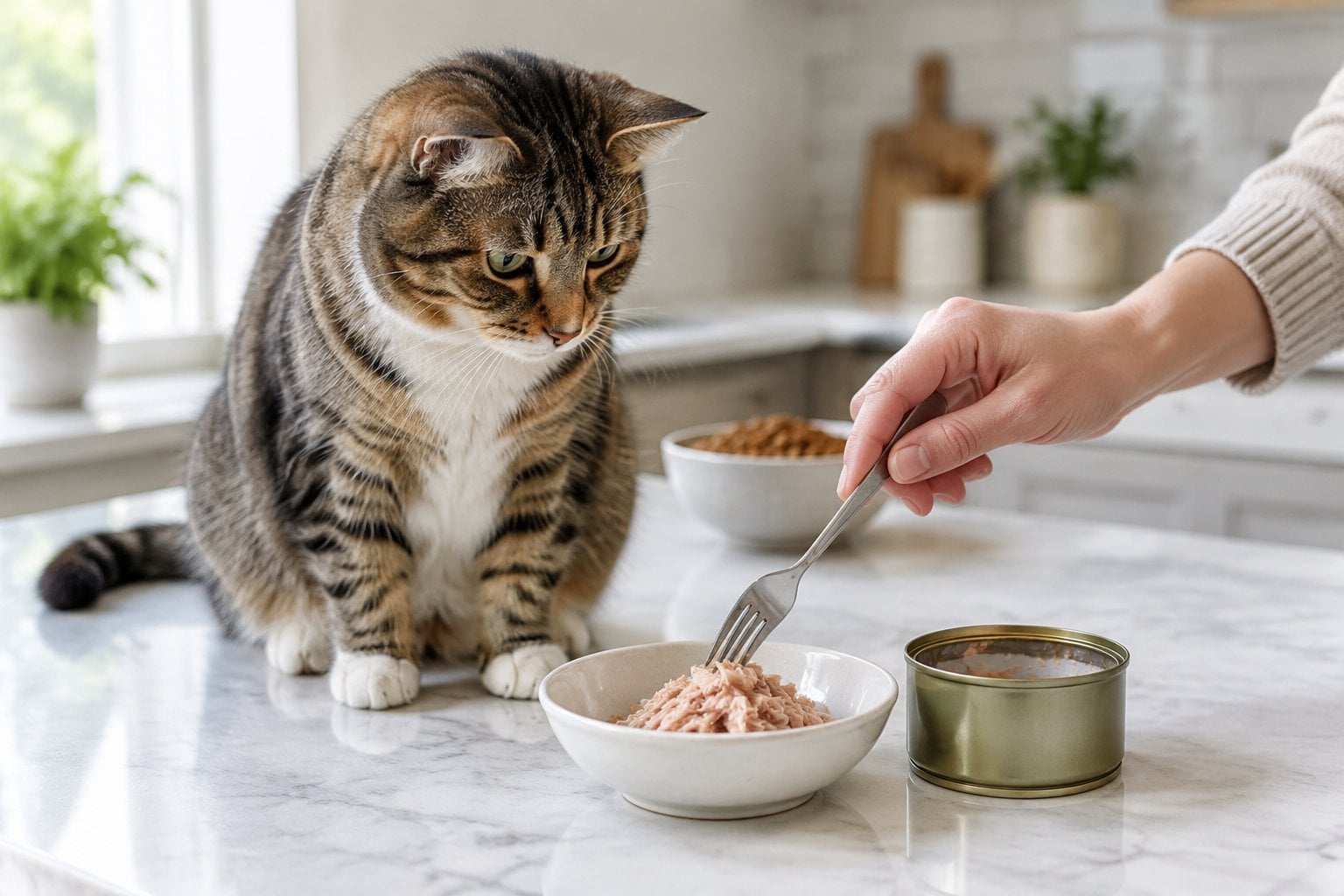
Canned tuna made for human consumption lacks the balanced nutrient profile of a complete cat food, and feeding it as a daily staple instead of an occasional treat creates real gaps over time. Human tuna isn’t formulated with the full set of vitamins and minerals cats need, so a tuna-heavy diet can lead to malnutrition, and diets built mostly on tuna have been linked to a painful fat inflammation called steatitis, even though the cat seems to love it.
Mercury accumulation is a separate concern with frequent tuna feeding, since repeated exposure can build up in a cat’s system over months. Cats also tend to become genuinely fixated on tuna’s smell and taste, which can make transitioning back to a balanced diet a real struggle once the habit sets in.
Treat tuna as an occasional topper rather than a meal replacement, a spoonful mixed into regular food once in a while rather than a daily habit. If your cat refuses regular food in favor of tuna, talk to your vet about breaking the pattern gradually rather than cutting it off abruptly, since cats can stop eating out of protest in ways that carry their own risks.
16. Letting Treats Exceed 10 Percent of Daily Calories
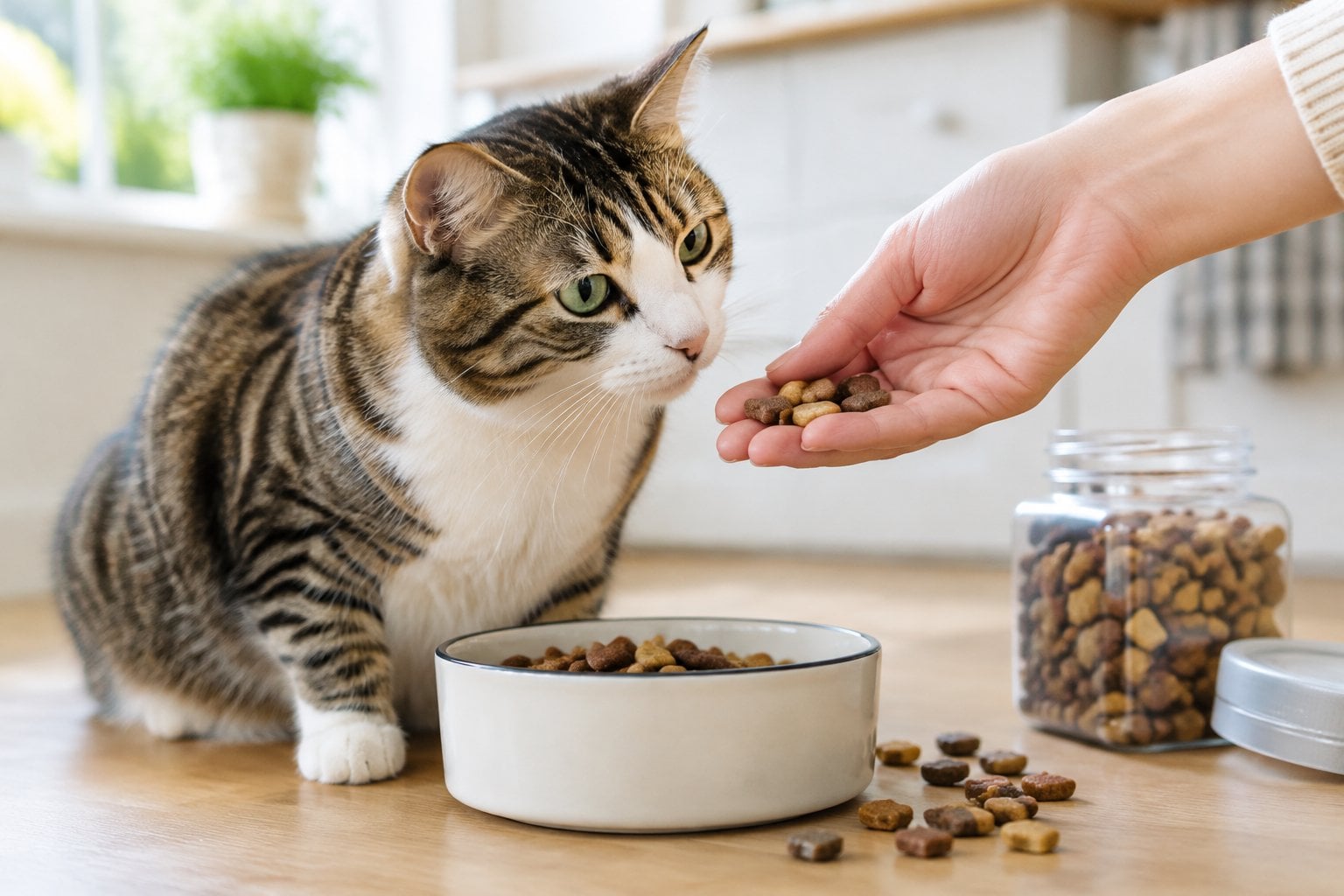
Treats that add up to more than roughly 10 percent of a cat’s daily calories can quietly unbalance an otherwise complete diet and contribute to weight gain. A few pieces here and there during the day feel insignificant, but an average adult cat needs surprisingly few calories overall, often only about 200 to 300 per day, so treats add up faster than owners expect.
This matters because treats are rarely nutritionally complete on their own, so leaning on them heavily displaces the balanced nutrition your cat’s main food provides. Weight gain from treats also tends to happen gradually, which makes it easy to miss until a vet flags it at a checkup.
Measure treats as part of your cat’s daily calorie budget rather than treating them as free extras. Using a small portion of your cat’s regular kibble as a treat, or choosing low-calorie options, keeps the reward without the calorie creep. Cornell’s guidance on feeding cats suggests keeping treats to about 10 to 15 percent of daily calories at most, so aim for the low end.
17. Sharing Fatty, Salty Table Scraps as Regular Meals
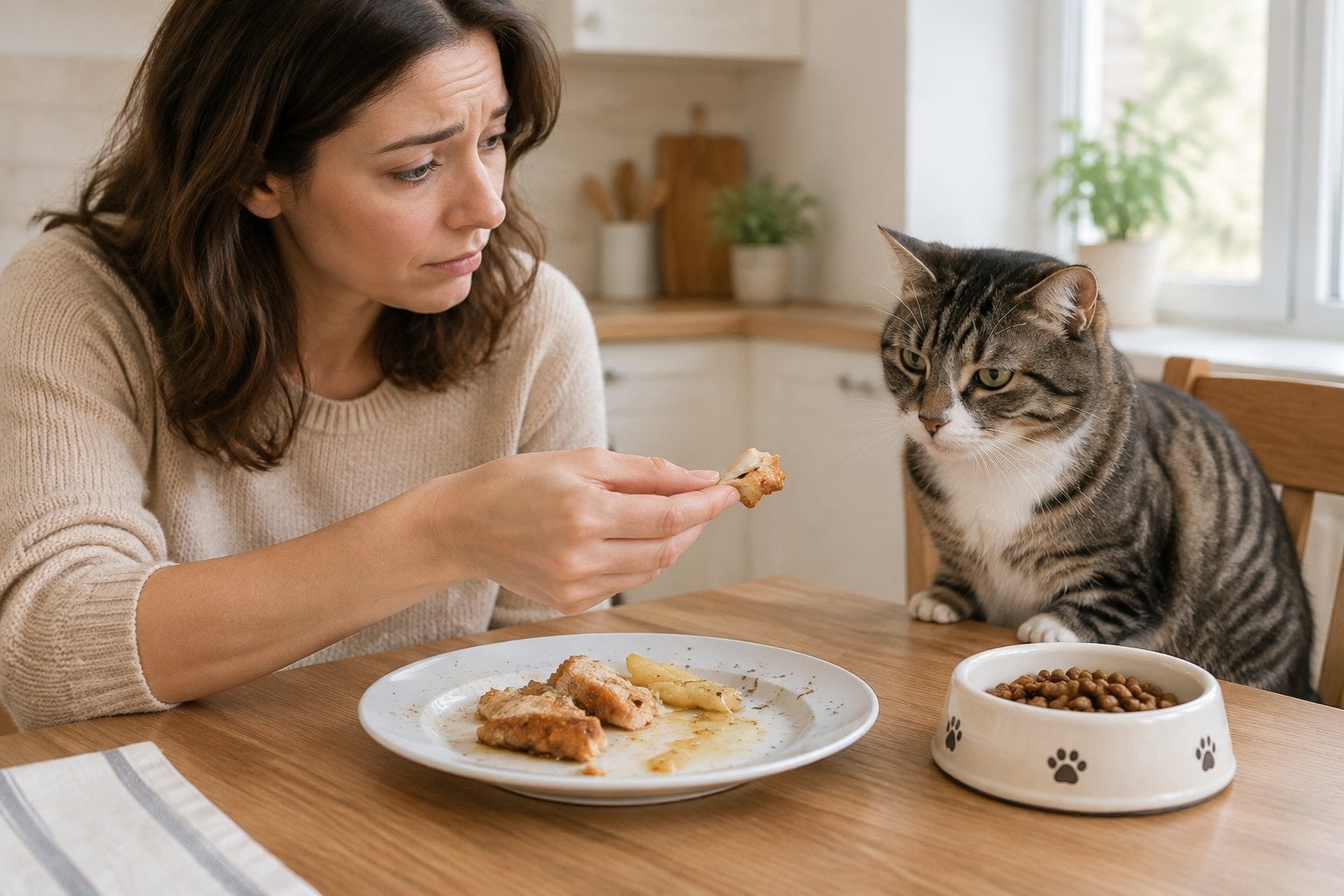
Regularly sharing fatty cuts of meat, skin, gravy, or salty leftovers can trigger digestive upset and vomiting, and veterinarians warn that very rich, fatty foods may contribute to pancreatitis, a painful inflammation of the pancreas. One greasy scrap probably won’t cause a problem, but a pattern of rich table food as a regular part of meals raises that risk meaningfully.
Salty foods are a separate concern, since excess sodium is best avoided in cats with kidney or heart disease. Table scraps also tend to displace balanced nutrition the same way too many treats do, especially in cats that start holding out for people food instead of their regular diet.
Keep table scraps rare and plain if you offer them at all, a small bite of unseasoned cooked chicken or plain fish rather than anything fatty, breaded, or sauced. If your cat begs persistently at the table, redirect that behavior with a toy or a feeding puzzle instead of reinforcing it with scraps.
18. Giving Cow’s Milk Despite Lactose Intolerance
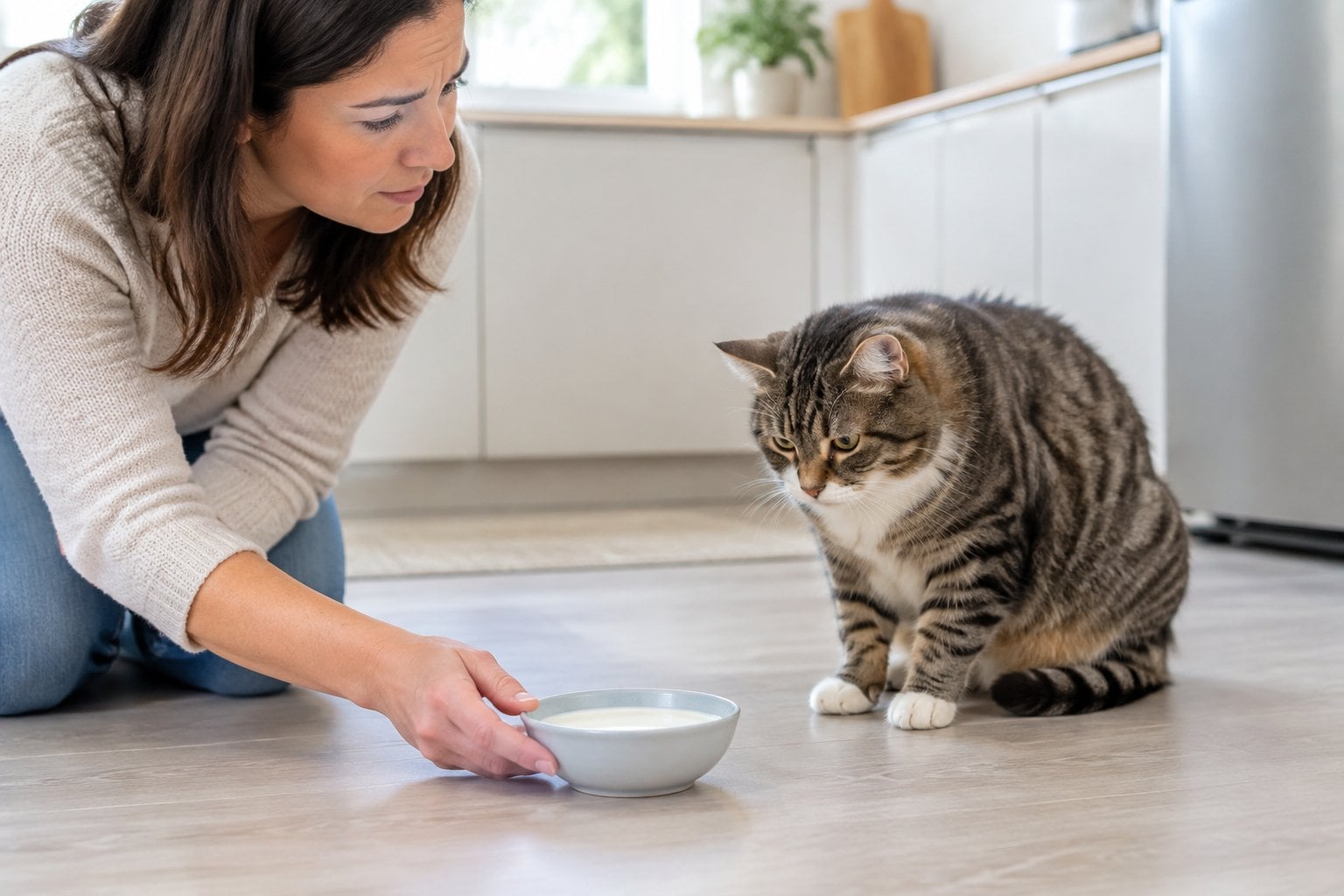
Most adult cats lose much of the enzyme needed to digest lactose after weaning, so a saucer of cow’s milk often leads to diarrhea and stomach upset rather than the treat it appears to be. This surprises many owners because the image of a cat drinking milk is so culturally familiar, even though it doesn’t match most adult cats’ digestive reality.
The degree of lactose intolerance varies cat to cat, so some tolerate a small amount without obvious symptoms while others react to even a teaspoon. Milk also offers little nutritional value for cats beyond calories and fat, so there’s no real upside that offsets the digestive risk.
Skip cow’s milk and offer fresh water instead, which is what your cat actually needs for hydration. If you want to offer a milk-like treat occasionally, lactose-free cat milk products formulated specifically for cats are a gentler option than dairy milk. Our article on the truth about cats and milk goes into more detail.
19. Switching Foods Abruptly Without a Medical Reason
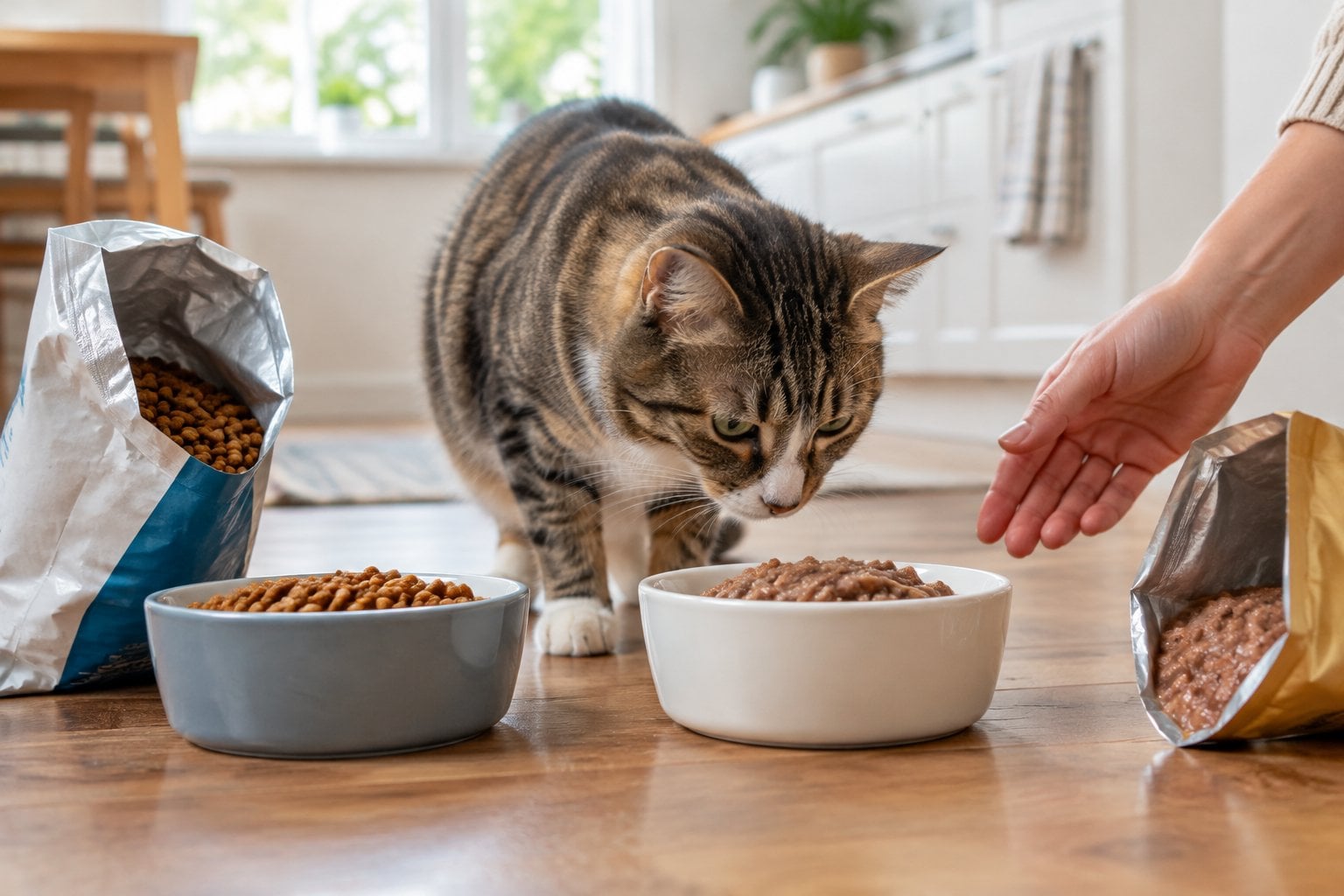
Changing a cat’s food overnight, whether due to a sale, a new brand, or running out of the usual bag, often causes vomiting, diarrhea, or a cat that simply refuses to eat the new food. A cat’s digestive system adjusts to its regular diet over time, and a sudden shift in protein source or fiber content can disrupt that balance.
This matters beyond short-term stomach upset, since some cats become so fixated on refusing unfamiliar food that they stop eating altogether, which carries its own health risks within a day or two. Stress around food changes can also compound with any underlying anxiety a cat already has about routine changes.
Transition to a new food gradually over seven to ten days, mixing in increasing amounts of the new food with decreasing amounts of the old one. If your vet recommends a diet change for medical reasons, ask whether a faster transition is appropriate for that specific situation, since some therapeutic switches do need to happen sooner.
20. Leaving Wet Food Out for Hours
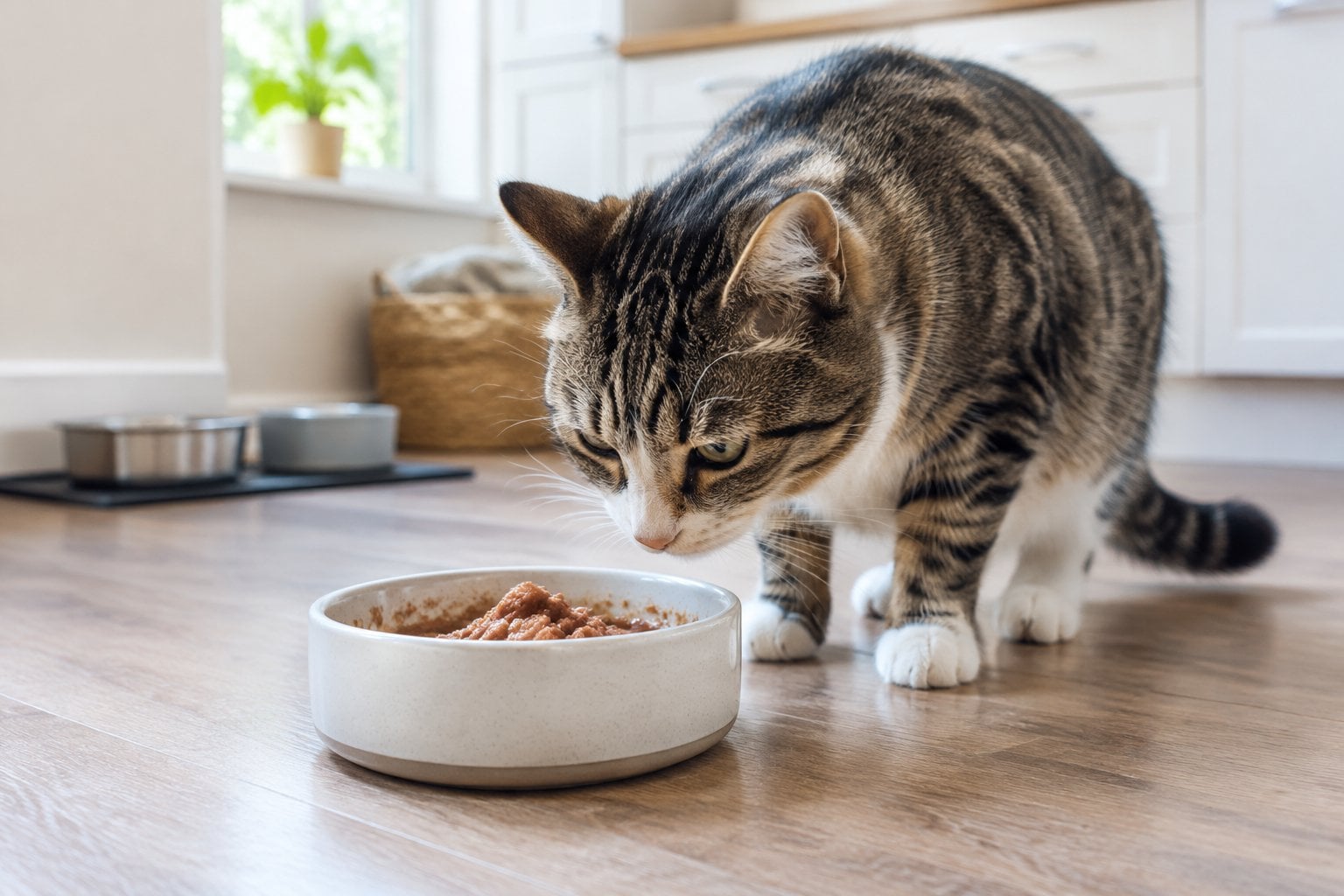
Wet food left sitting at room temperature for hours starts to dry out, attract bacteria, and become less appealing, yet many owners leave it out all day the way they might with dry kibble. Unlike dry food, wet food has high moisture content that makes it a far more hospitable environment for bacterial growth once it’s been exposed to air.
A cat eating spoiled wet food can develop vomiting or diarrhea, and in warm weather the timeline for spoilage shortens considerably. This mistake often comes from applying dry-food habits to wet food without realizing the two behave very differently once served.
Pick up uneaten wet food after 30 to 60 minutes, or sooner in warm weather, and refrigerate opened portions you plan to use later. If your cat tends to graze throughout the day, smaller, more frequent wet food servings work better than one large portion left out for hours.
21. Storing Dry Food in Heat, Humidity, or Unsealed Containers
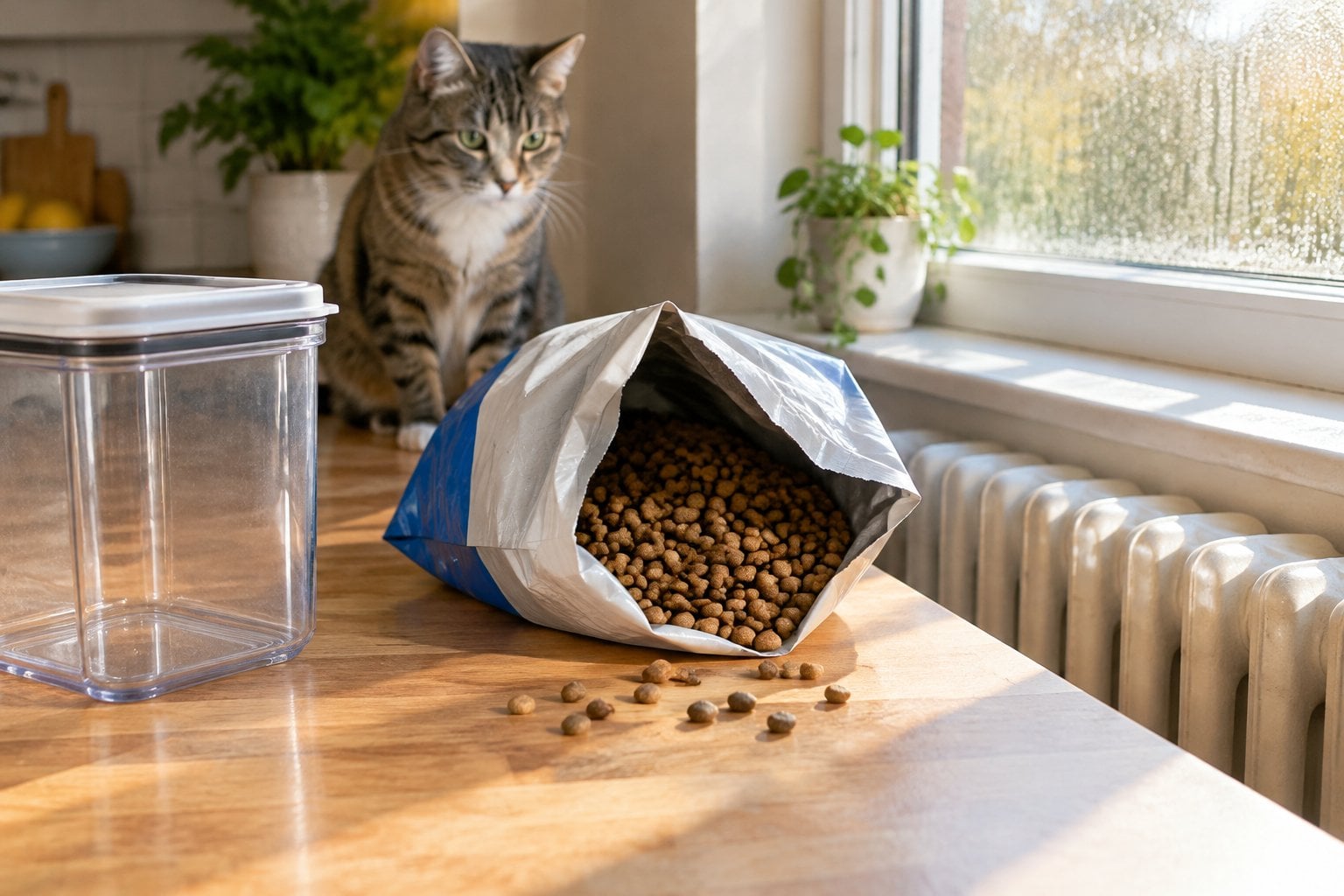
Storing kibble in a hot pantry, near a sunny window, or in a bag left open to humidity speeds up fat oxidation and lets moisture in, both of which degrade the food’s quality and safety. Rancid fats don’t just taste different, they can cause digestive upset and strip away nutritional value the food was formulated to provide.
Humidity also creates conditions where mold can develop, particularly in climates with high summer humidity or in homes without climate control in the kitchen. Dry food that looks and smells fine on the surface can still have degraded nutrients if it’s been stored improperly for weeks.
Keep dry food in its original bag sealed inside an airtight container, which protects against both air exposure and pests, rather than pouring it loose into a bin without the bag’s liner. Store it in a cool, dry cabinet away from direct sunlight and appliances that generate heat.
22. Feeding Expired or Recalled Cat Food
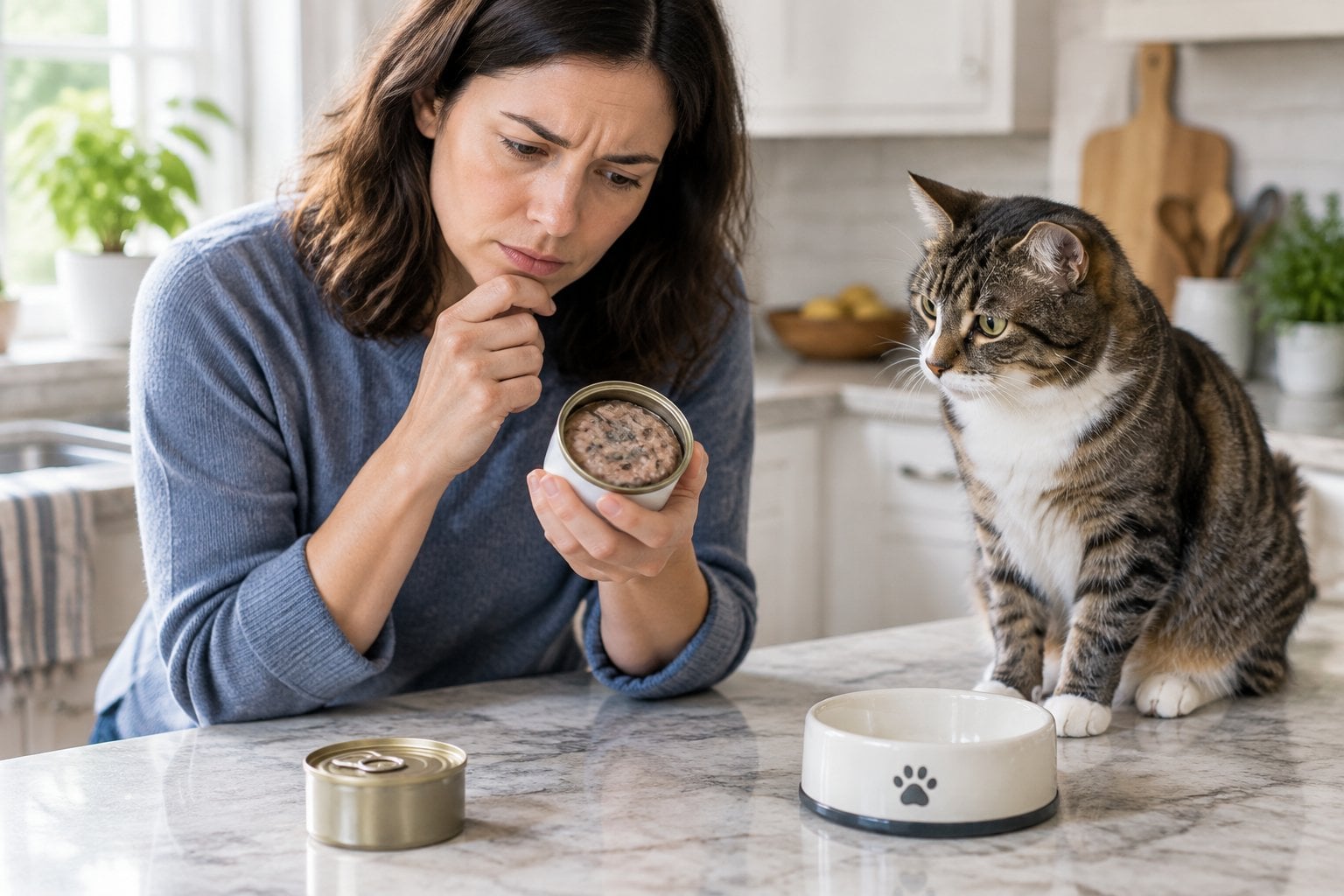
Feeding food past its printed expiration date, or continuing to use a product after a recall notice, exposes your cat to risks ranging from nutrient degradation to bacterial contamination or toxic additives, depending on the reason for the recall. Recalls happen for varied reasons, including contamination, incorrect nutrient levels, or foreign material, and the specific risk depends on what triggered the recall.
This matters because symptoms from contaminated or spoiled food can range from mild digestive upset to serious illness, and by the time symptoms appear, your cat may have eaten from the same batch multiple times. Owners sometimes keep using food past its date simply because they haven’t checked, especially with large bags or cases of canned food bought in bulk.
Check expiration dates when you buy food and again before each use if a bag or case has been open a while. Sign up for recall alerts from the FDA or your food manufacturer, and if you suspect your cat ate recalled food, contact your vet and keep the packaging for reference.
23. Refilling Food Bowls Without Washing Them
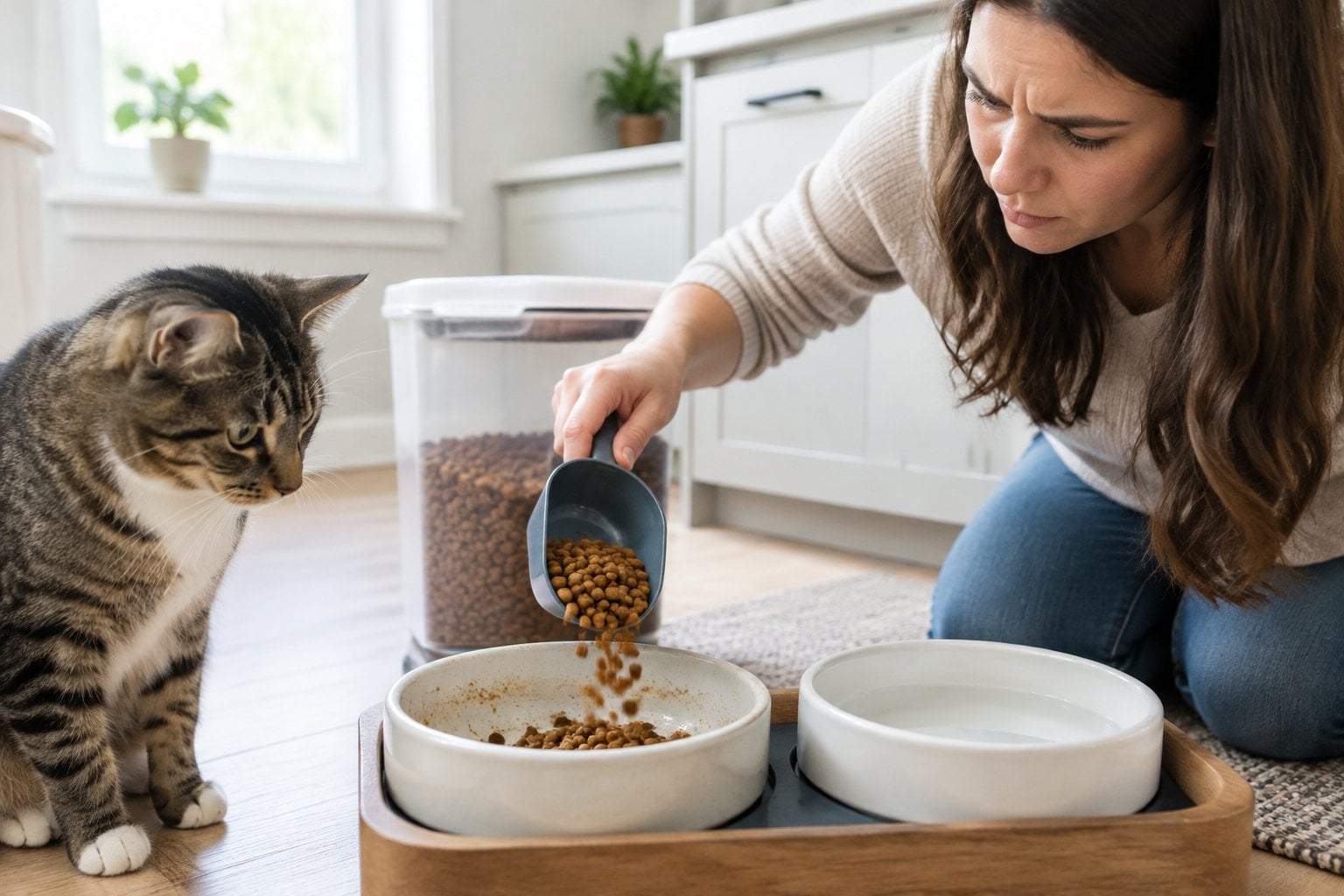
Topping off a food bowl without washing it between refills lets bacteria, oils, and food residue build up over days, creating a layer of grime that your cat has to eat around. Wet food residue is particularly prone to this, since it leaves behind a sticky film that dry refills don’t fully clean away.
This buildup can cause mild digestive upset, and some cats develop feline acne around the chin from contact with dirty plastic bowls which some veterinarians suspect is linked to bacteria trapped in scratches on plastic. A bowl that looks clean on the outside can still harbor residue along the bottom edge or in small scratches that trap debris.
Wash food bowls daily with soap and hot water, the same way you’d wash your own dishes. Stainless steel or ceramic bowls resist scratching better than plastic, which makes them easier to keep genuinely clean over time.
24. Choosing Food by Marketing Claims Instead of Nutritional Adequacy
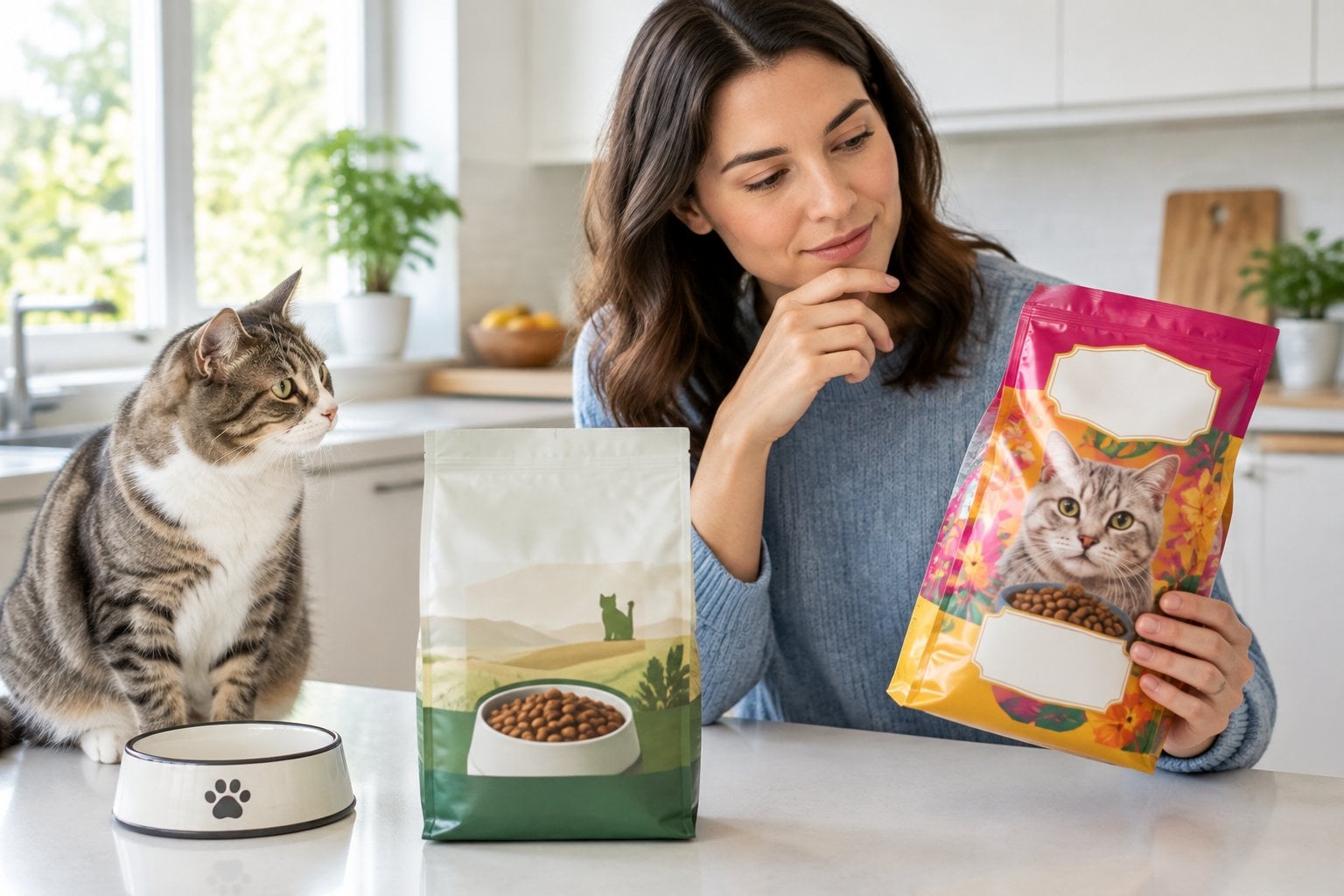
Picking a food because the packaging says “natural,” “premium,” or shows an appealing picture of fresh meat skips the step that actually matters: checking whether the food is labeled complete and balanced for your cat’s life stage. Marketing language isn’t regulated the same way nutritional adequacy statements are, so a bag covered in appealing claims can still be a poor nutritional match.
This matters because the right food for your specific cat depends on factors like age, health conditions, and activity level, none of which a marketing claim addresses. Price and packaging also don’t reliably correlate with nutritional quality, so a premium-looking product isn’t automatically better formulated than a plainer one.
Look for the nutritional adequacy statement on the label, which confirms the food meets established standards for a specific life stage, and check the ingredient and guaranteed analysis panels rather than the front of the bag. If you’re unsure how to evaluate a specific food, ask your vet to review the label with you at your cat’s next visit.
25. Making Cats Compete at a Shared Feeding Bowl
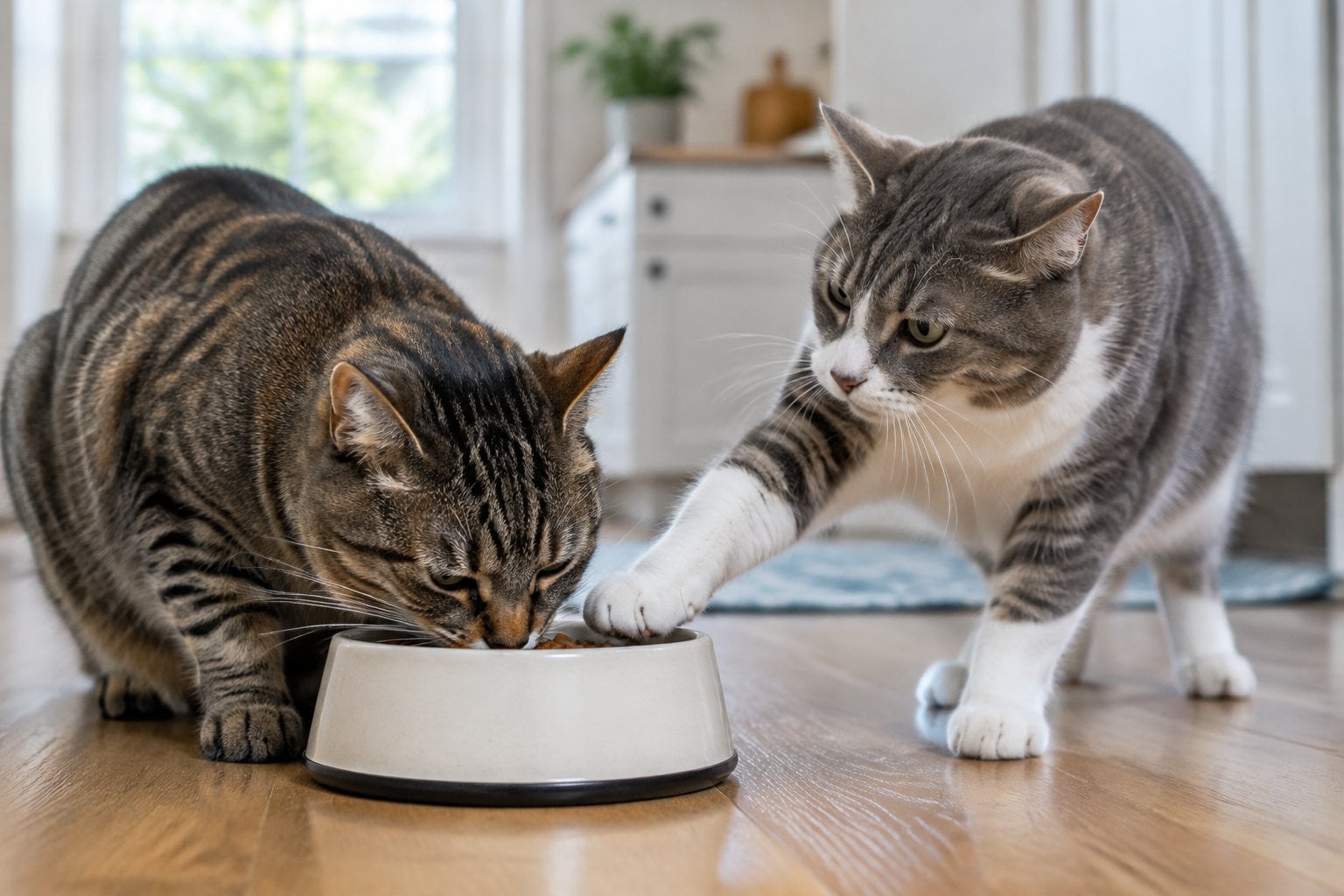
Expecting multiple cats to share one food bowl creates competition that can lead to one cat eating too fast, another eating too little, and ongoing tension between them. Cats are naturally solitary eaters in the wild, and forcing shared feeding space contradicts that instinct even in cats that otherwise get along.
This matters because a more assertive cat can gradually push a timider one away from food, leading to uneven weight gain or loss that owners don’t always connect back to the shared bowl. Mealtime tension can also spill into general relationship stress between cats in the household, showing up as hissing or avoidance beyond feeding time.
Give each cat a separate bowl in a separate location, spaced far enough apart that neither cat can guard both. In households with more than two cats, or with one cat on a special diet, feeding in separate rooms or using microchip-activated feeders prevents both competition and diet mixing.
26. Placing Food Beside the Litter Box
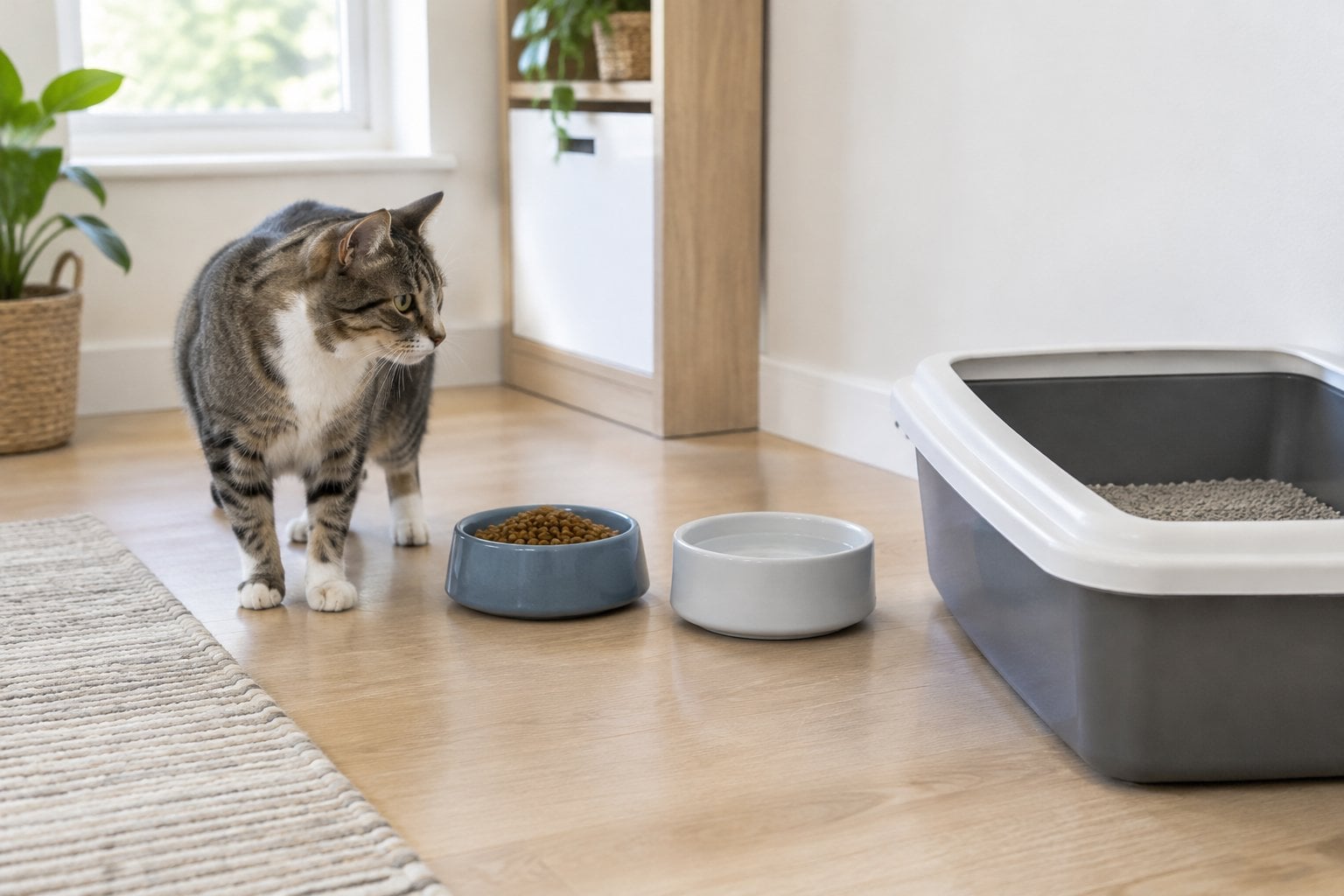
Positioning a food bowl near the litter box ignores a strong instinct cats have to keep eating areas separate from elimination areas. Many cats prefer to eat well away from where they eliminate, and veterinary behaviorists commonly advise keeping the two areas apart.
This matters because a cat that feels uncomfortable eating near the litter box may eat less than it should, or in multi-cat homes, may avoid the area altogether if another cat uses the box nearby. Odor and bacteria from the litter box can also drift toward food and water, which some cats are sensitive enough to notice and avoid.
Keep food and litter boxes in separate rooms, or at minimum on opposite sides of the same room with real distance between them. If space is tight, a tall piece of furniture or a visual barrier between the two areas helps, even when a separate room isn’t possible.
27. Feeding in Noisy Areas Where Your Cat Feels Unsafe
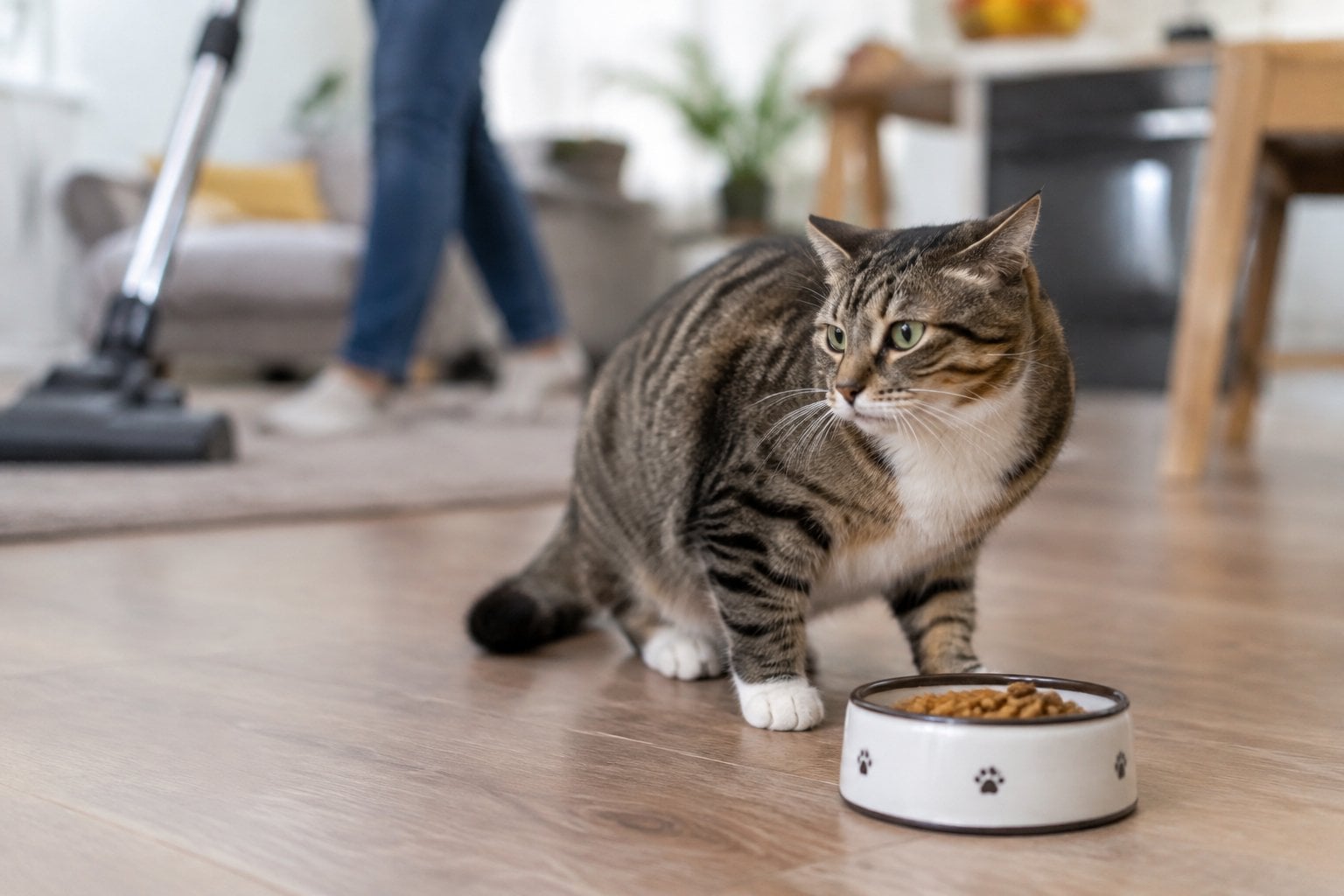
Placing a food bowl next to a washing machine, a busy hallway, or a noisy appliance puts your cat in a spot where eating feels risky rather than relaxing. Cats are vulnerable while eating with their head down, and a history of startling sounds near the bowl can make a cat hesitant to approach it at all.
This matters more than it might seem, since a cat that associates mealtime with anxiety may eat less, eat too fast out of nervousness, or start avoiding the feeding area during busy parts of the day. Households with young children, dogs, or frequent foot traffic are the most common settings where this mistake happens without anyone noticing.
Move the food bowl to a quiet corner away from foot traffic, loud appliances, and other pets that might startle or guard the area. Elevated spots, like a stable shelf or windowsill, work well for cats that want extra distance from household commotion while eating.
28. Making Food Hard to Reach for Cats With Arthritis or Limited Mobility
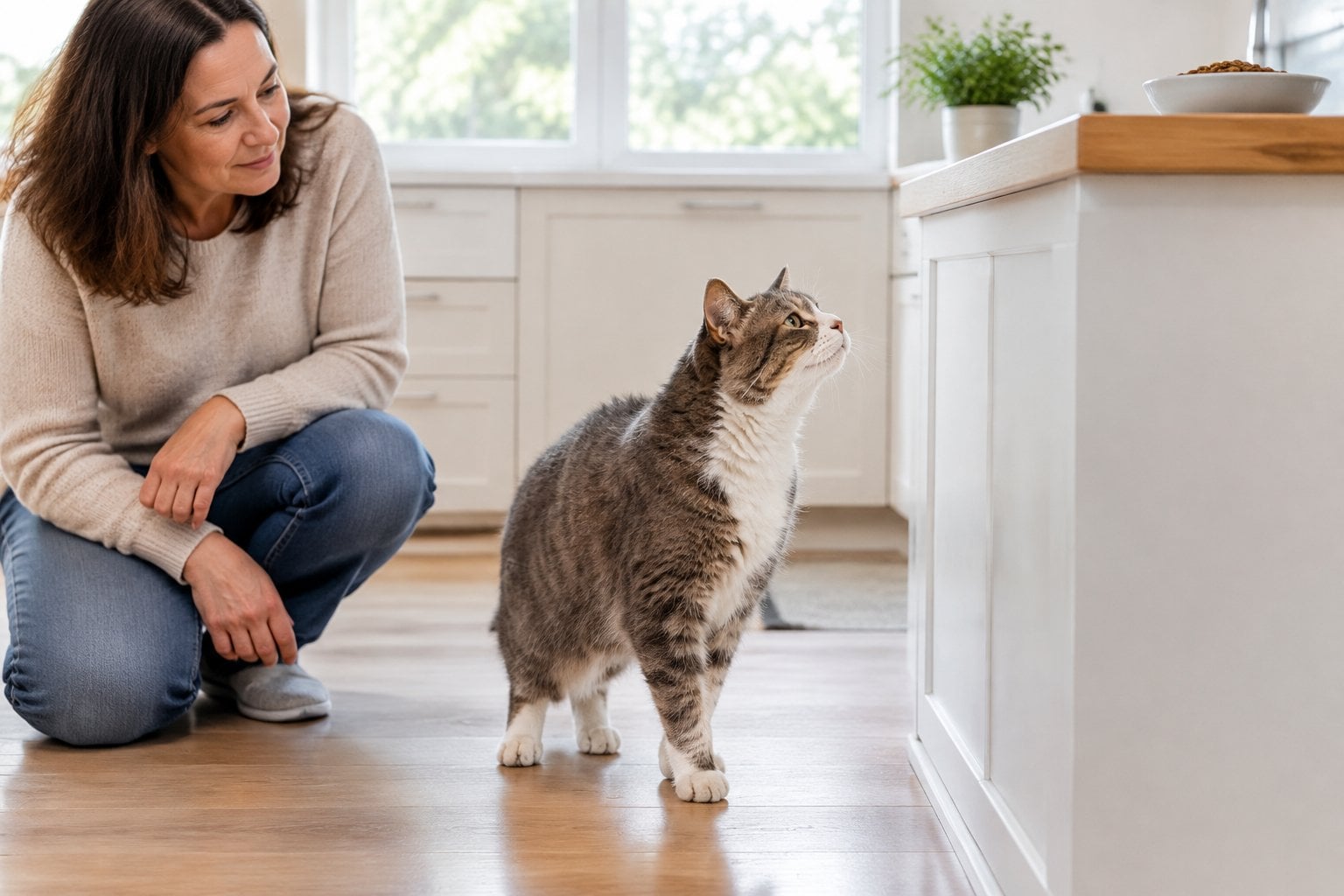
Keeping food bowls at floor level, up a flight of stairs, or on a counter that requires jumping overlooks how common joint pain is in older cats and how much it can limit their mobility. Arthritis affects a large share of senior cats, and many owners don’t recognize the signs, since cats tend to slow down and hide discomfort rather than show obvious limping.
This matters because a cat in pain may simply stop making the effort to reach food placed somewhere difficult, leading to reduced intake and weight loss that gets misread as a separate problem. A cat that used to jump onto the counter for meals without hesitation may quietly give up on that route once joint pain sets in.
Move food to a single, easily accessible level, ideally without stairs or jumps involved, for any cat showing signs of stiffness or slowing down. Shallow, wide bowls also help cats with neck or joint stiffness that makes deep bowls uncomfortable to eat from.
29. Keeping Portions Unchanged Despite Weight or Body Condition Changes
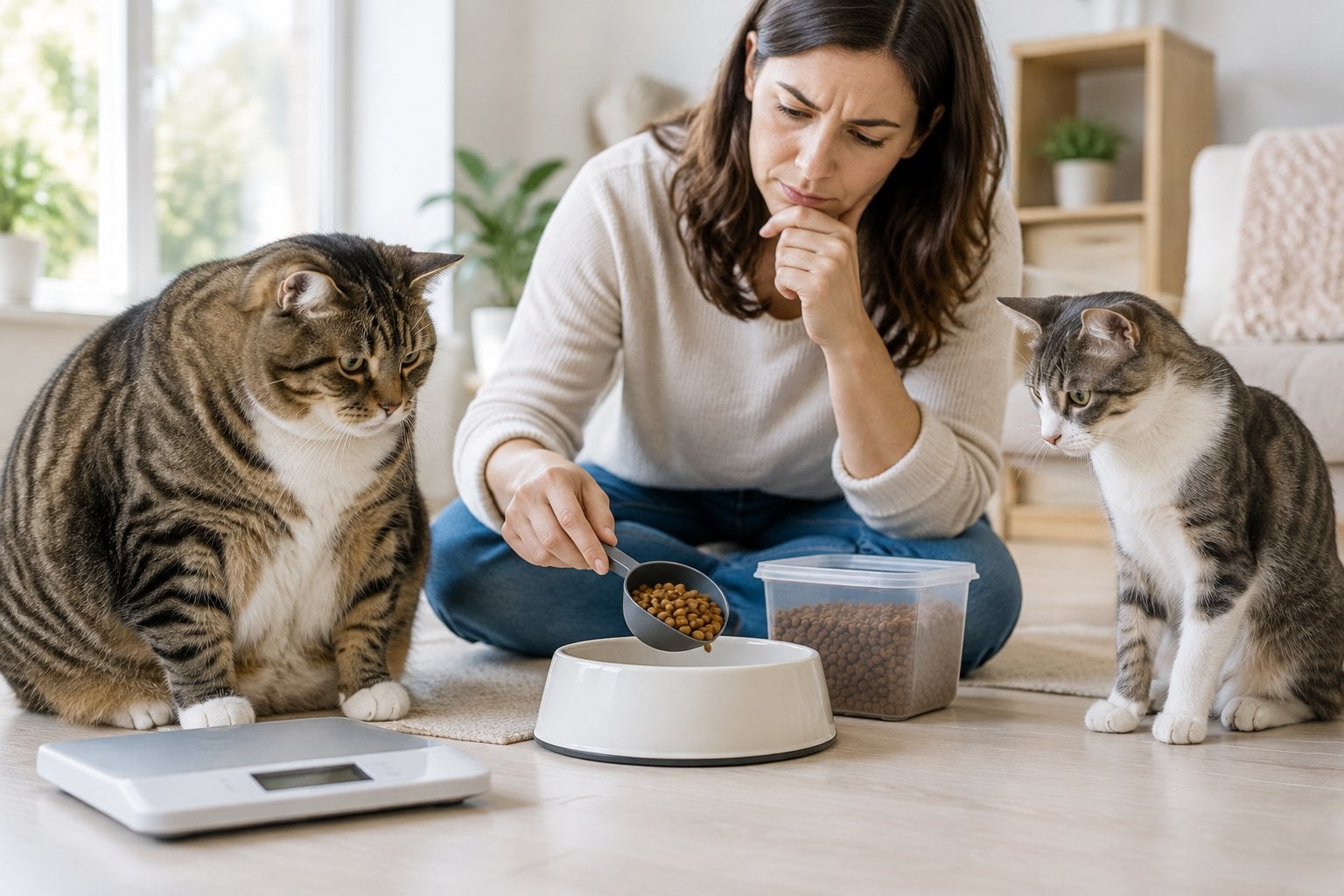
Feeding the same portion month after month regardless of weight changes ignores that a cat’s calorie needs shift with age, activity level, and health status. A portion that kept a cat lean at age three may be too much at age eight once activity naturally declines, or too little for a cat managing a condition that increases metabolic demand.
This matters because gradual weight change is easy to miss day to day, and owners often don’t notice until a vet visit reveals a significant shift from the last checkup. Multi-cat households face an added layer of this problem, since one portion size rarely suits two cats with different body conditions.
Check your cat’s body condition every few months by feeling for ribs and watching for a visible waist from above, and adjust portions accordingly rather than sticking to a fixed amount indefinitely. Bring weight concerns to your vet, who can help set a target range and recommend a feeding amount that matches your cat’s current needs rather than last year’s. The World Small Animal Veterinary Association publishes body condition score charts for cats that show what an ideal shape looks like.
30. Assuming Ordinary Dry Kibble Replaces Dental Care
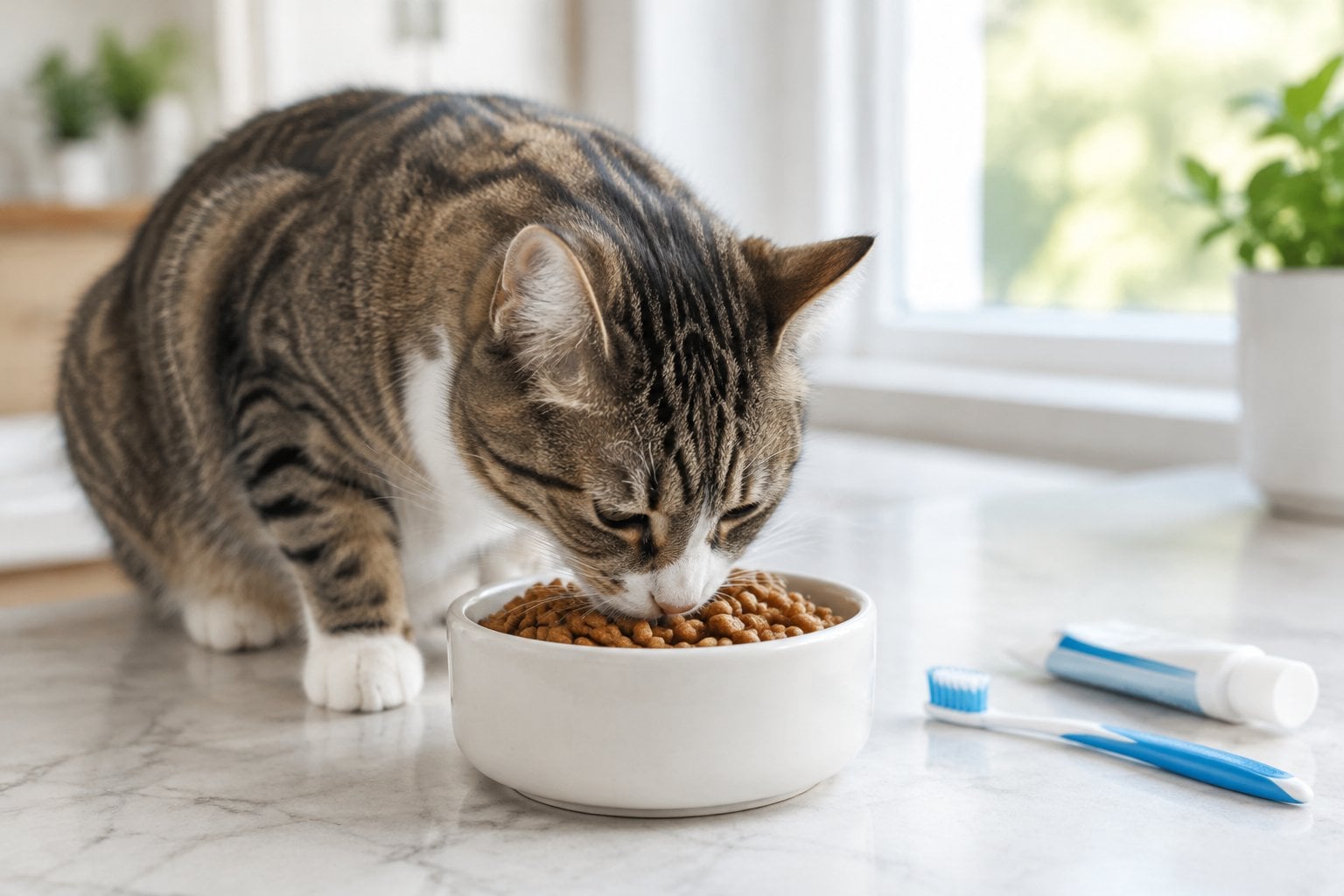
Believing that crunching dry kibble keeps a cat’s teeth clean the way brushing would skips over how little most standard dry food actually does for dental health. Most cats bite kibble into smaller pieces rather than chewing it thoroughly, which limits the scraping action that would help reduce plaque.
This matters because dental disease is common in adult cats and can progress to pain, tooth loss, and infection that affects more than just the mouth. Owners who rely on kibble alone sometimes miss early signs of dental trouble, like bad breath, drooling, or reluctance to eat hard food, because they assume the diet has it covered.
Ask your vet about dental-specific kibble formulated with a texture designed to reduce plaque, which differs meaningfully from standard dry food in structure. Regular tooth brushing, dental treats with veterinary approval, and professional cleanings remain the most reliable way to protect your cat’s teeth, with diet playing a supporting role rather than carrying the job alone.
A Simple, Healthy Feeding Routine
A healthy feeding routine does not need to be complicated. Pick a complete and balanced food that suits your cat’s life stage, feed it at consistent times, and measure every meal so you always know how much your cat is really eating. Most adult cats do well on one or two meals a day, though your own cat’s age and health may call for a different plan.
Keep fresh water in more than one spot, wash bowls daily, and give each cat in the household their own place to eat, away from the litter box and away from noise. Count treats and table food as part of the daily calorie budget, introduce any new food slowly over seven to ten days, and ask your vet before adding supplements, changing a prescribed diet, or trying homemade, raw, or plant-based meals.
Finally, treat your cat’s appetite as a health signal. Weigh your cat or check body condition every month or two, and call your vet if eating, drinking, or weight changes suddenly. If this list made you realize you have been making a few of these mistakes, you are in good company: many of the worst cat owner mistakes are easy to fix once you notice them, and small changes to the bowl, the scoop, and the schedule can make a real difference over a cat’s lifetime.


