
The 30 Worst Cat Breeds for Destructive Behavior: What Owners Should Know
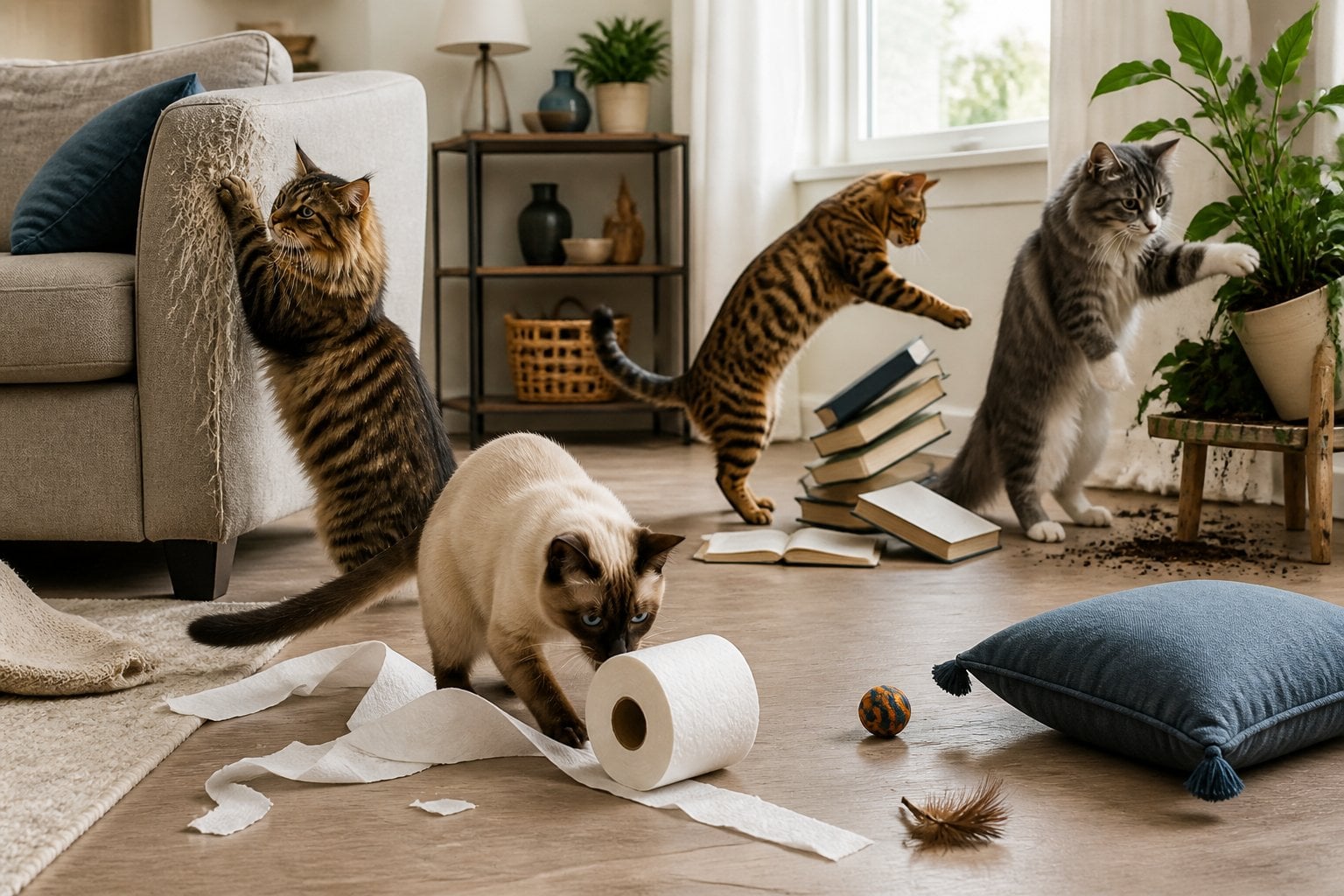
Some cat breeds are naturally more prone to destructive behavior than others. This often comes down to high energy levels, sharp intelligence, or a strong need for attention. When these needs aren’t met, cats may scratch furniture, knock items off shelves, or chase anything that moves.
Understanding which breeds carry these tendencies can help you set realistic expectations before bringing a cat into your home.
Here are the 30 worst cat breeds for destructive behavior:
1. Bengal
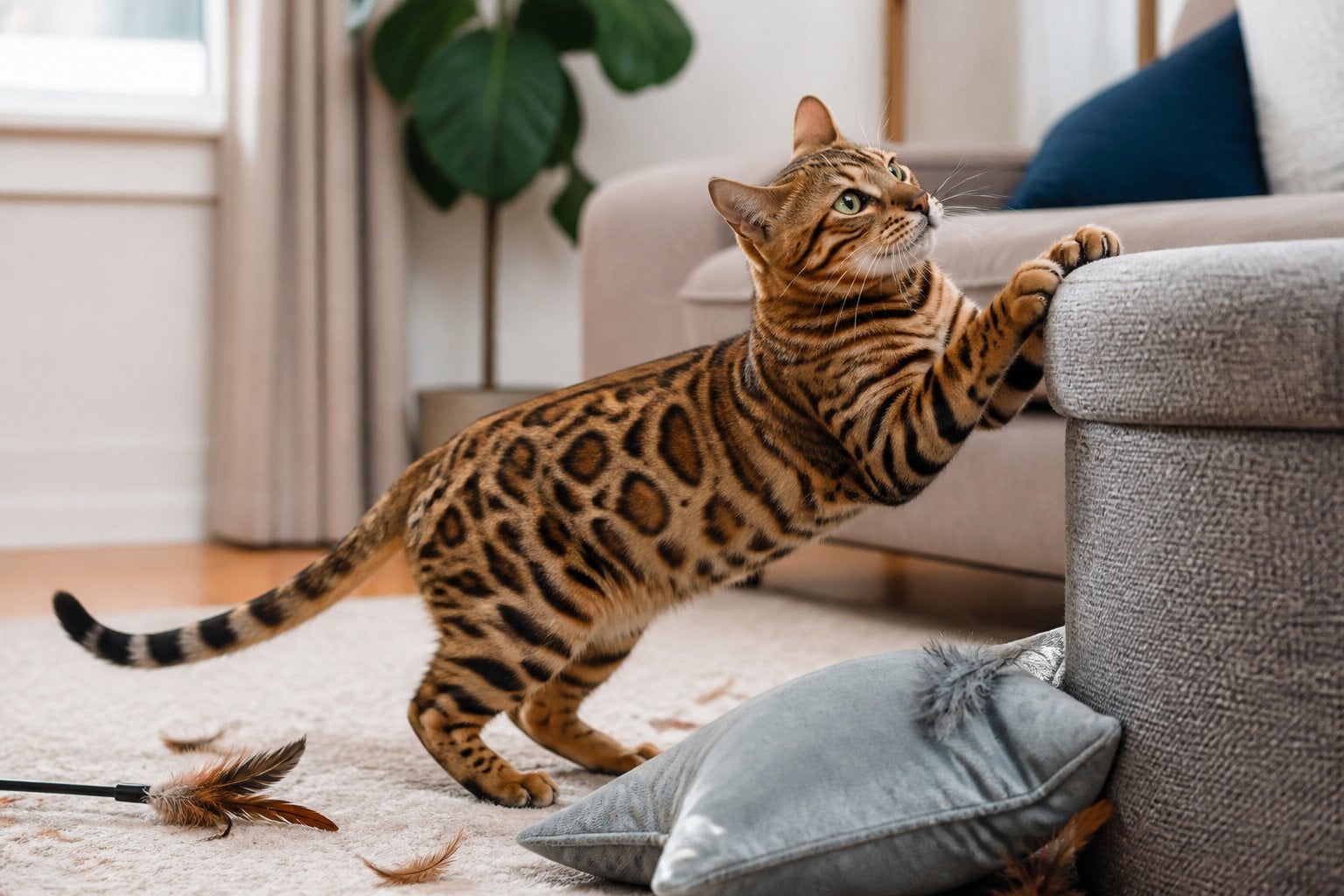
Bengals rank among the most destructive cat breeds you can bring into your home. This breed carries a strong wild ancestry, and that heritage shows in constant climbing, jumping, and investigating.
You’ll notice your Bengal rarely sits still. Without several hours of active play daily, boredom sets in quickly.
That boredom often turns into knocked-over furniture, shredded curtains, or raided cabinets. Your Bengal’s hunting instinct also drives it to stalk and pounce on objects around your house, including breakable items you’d rather keep intact.
If you live in a small apartment, you’ll face extra challenges. Bengals need large spaces, multiple climbing structures, and constant mental stimulation to stay content.
Without these outlets, you can expect scratching, chewing, and general chaos. This breed demands significant time and structured activity from you, so a passive approach to ownership won’t work here.
2. Chausie
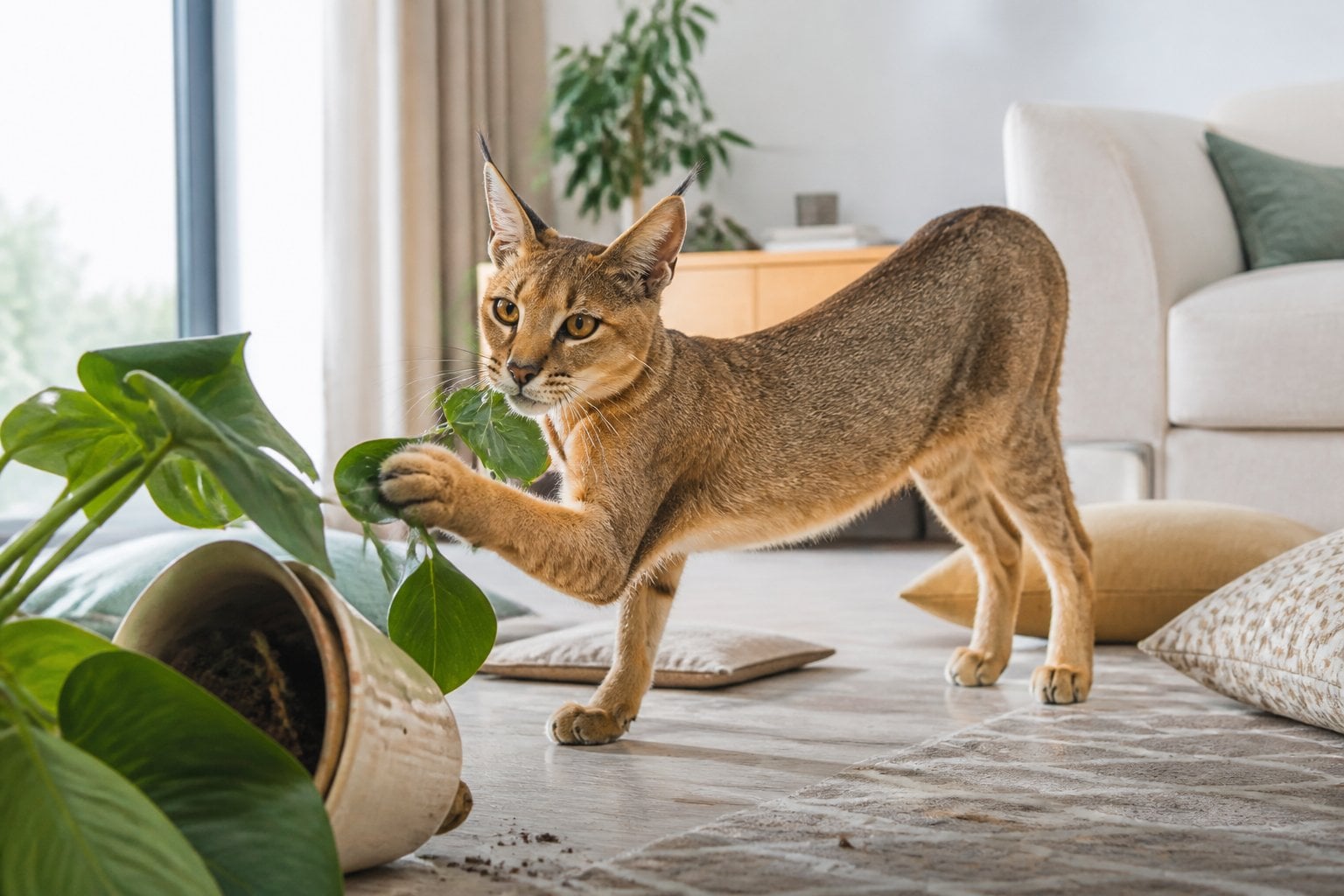
The Chausie descends from crosses with the jungle cat, and that wild ancestry shows in how much energy it carries.
You’ll notice this breed needs far more than a few toys tossed across the floor. Chausies require real physical outlets, including climbing space, running room, and interactive play sessions that challenge them mentally.
Without that outlet, boredom sets in fast. You might come home to shredded furniture, knocked-over items, or cabinets pried open by a cat determined to find something to do.
Their intelligence makes them quick learners, but that same trait means they figure out how to open doors, drawers, and containers you thought were secure.
If you’re away from home for long stretches, this breed struggles. Chausies do best with owners who can commit to daily engagement and enrichment, not just food and a litter box.
3. Savannah
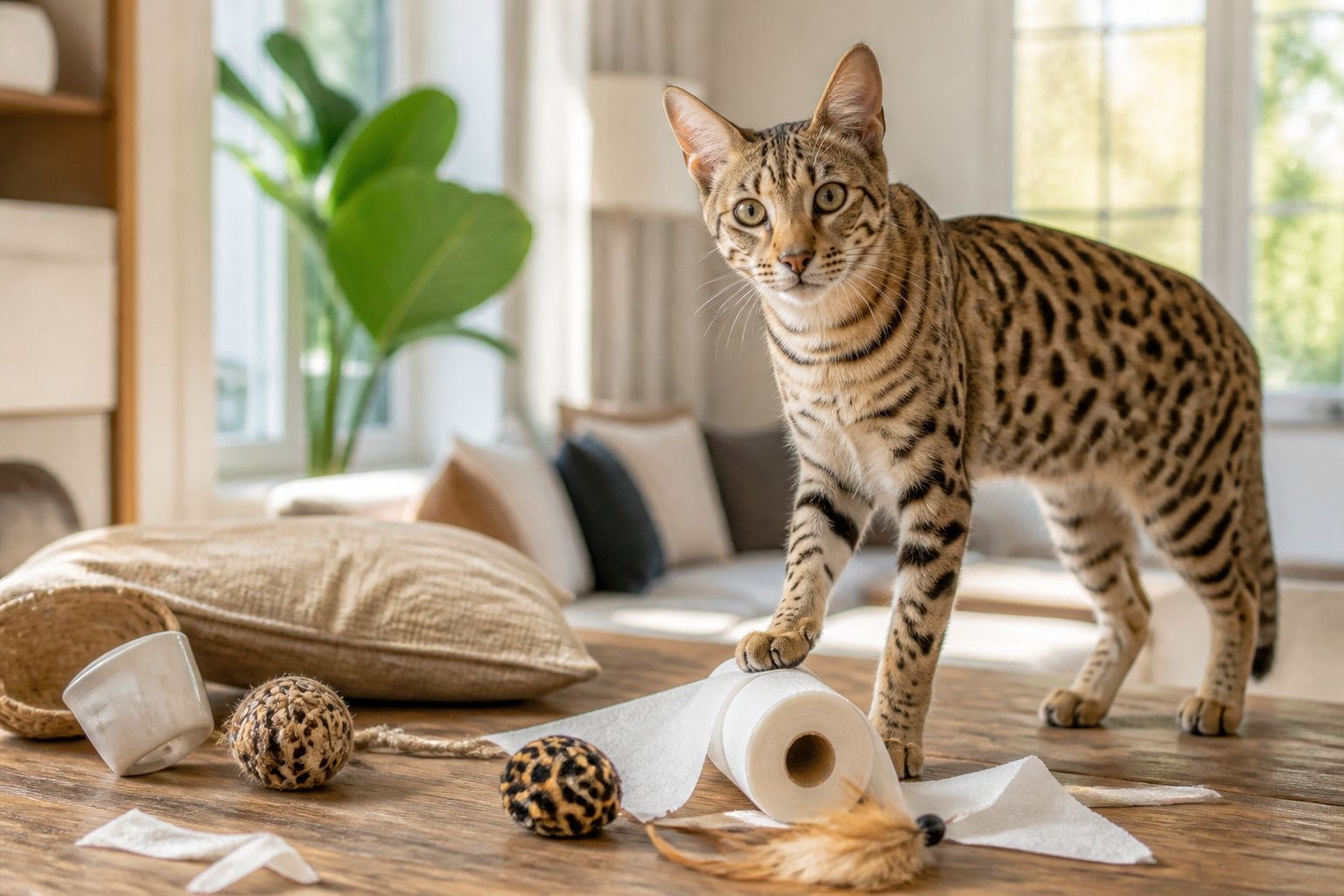
Savannah cats come from crossing domestic cats with African servals, and the wild ancestry shows in their behavior. You get a cat with high energy, sharp intelligence, and a strong independent streak that resists typical training methods.
Without enough physical activity, your Savannah will find its own outlets. This often means jumping on high surfaces, knocking items down, or tearing into furniture and household objects.
Their curiosity drives them to investigate cabinets, counters, and anything left within reach. You’ll need secure storage and cat-proofed spaces to limit the damage.
Daily interactive play isn’t optional with this breed. If your schedule doesn’t allow for consistent engagement, expect the destructive habits to escalate rather than fade.
Savannahs also tend to bond intensely with their environment, making changes or absences a trigger for stress-related destruction.
4. Siamese
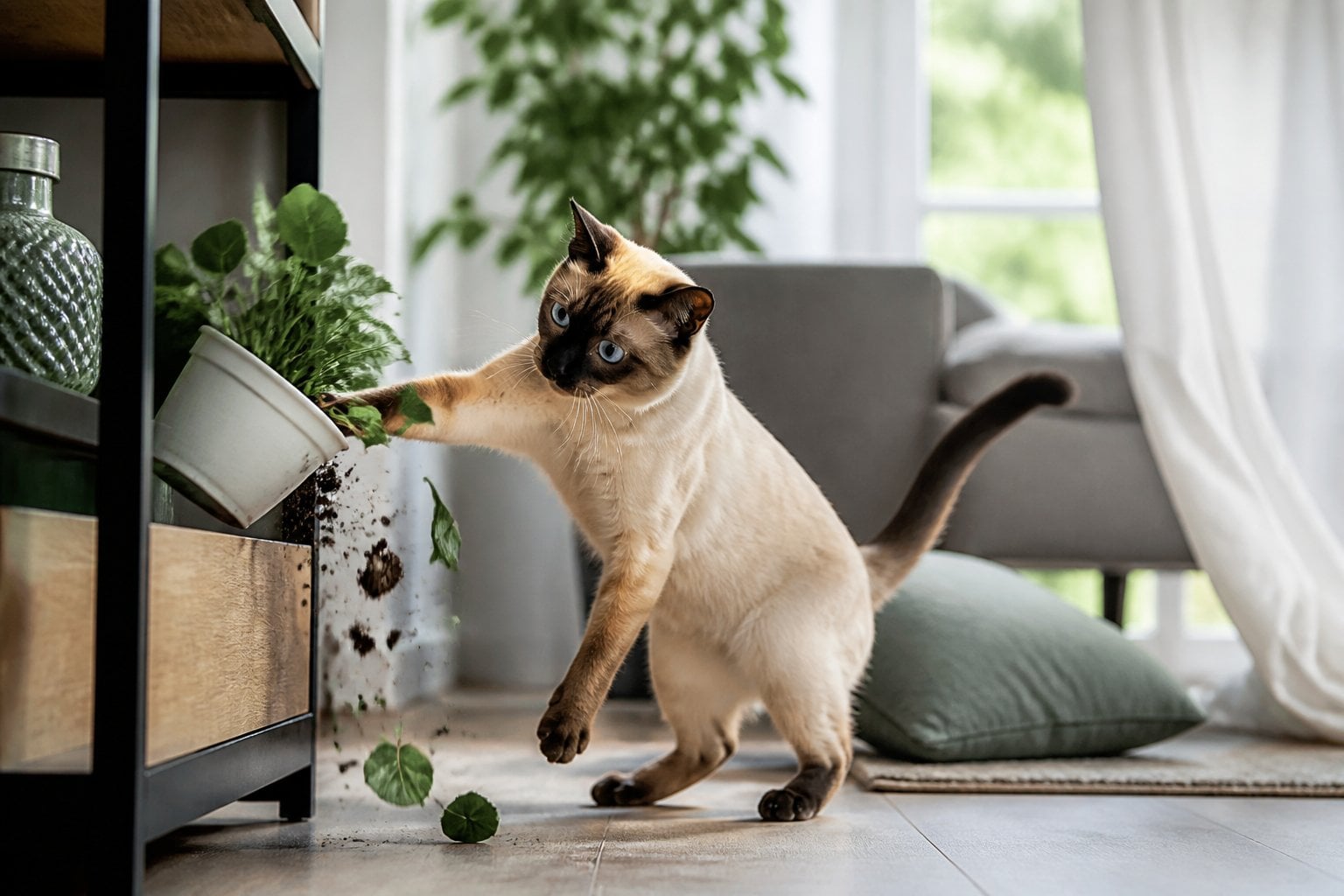
Siamese cats rank among the most vocal and demanding breeds, and their behavior often reflects unmet needs. You’ll notice they form intense attachments to their owners, sometimes bordering on obsessive.
Leave one alone for long stretches, and you risk consequences. Destructive scratching, knocked-over objects, and persistent yowling are common responses to boredom or isolation.
Their intelligence works both ways. You get a highly interactive companion, but you also face a cat that needs constant mental engagement to stay out of trouble.
Without puzzle toys, playtime, or your direct attention, a Siamese will find its own entertainment. That usually means chewing cords, tearing paper, or redirecting energy toward furniture.
Separation anxiety is particularly common in this breed. If your schedule keeps you away for hours at a time, you should expect some level of destructive fallout unless you provide enrichment beforehand.
5. Oriental Shorthair
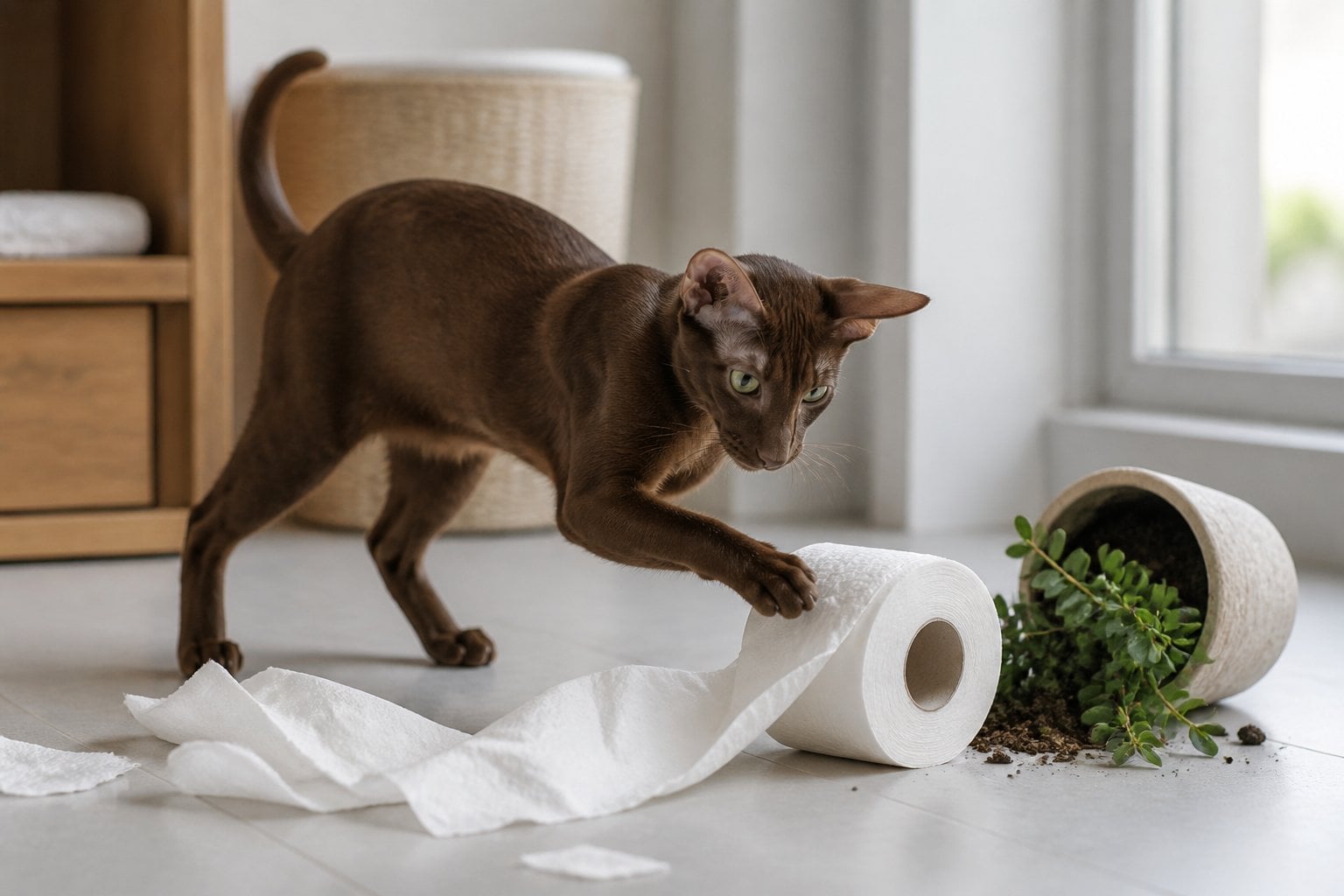
Oriental Shorthairs share close ancestry with Siamese cats, and this shows in their behavior. You’ll find them highly intelligent and constantly active, traits that make boredom a real problem in your home.
Without enough mental stimulation, these cats redirect their energy into scratching furniture, knocking items off shelves, or chewing on cords and fabric.
Your Oriental Shorthair forms a strong bond with one person and struggles when left alone for long stretches. This attachment can lead to stress-related destructive habits if you’re frequently away.
Vocalization is another trait you’ll notice, often paired with physical activity like climbing or pawing at doors. Their slender build doesn’t limit their strength or persistence when they want attention.
If your schedule keeps you out of the house often, expect this breed to test your patience through consistent, attention-seeking mischief.
6. Cornish Rex
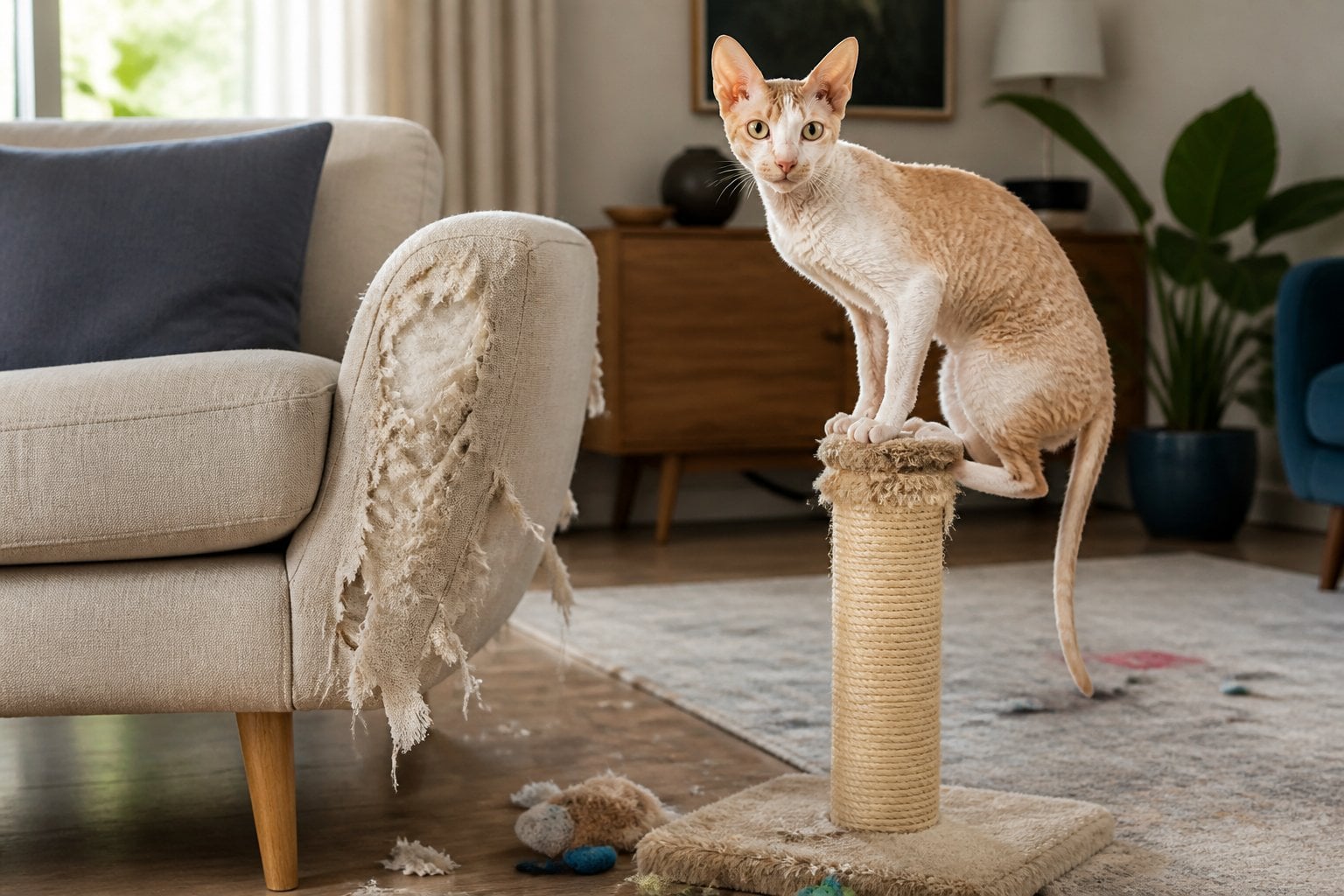
Cornish Rex cats stay playful well into adulthood, and that energy doesn’t fade with age. Your cat’s high metabolism keeps it moving, climbing, and searching for something to do.
If you don’t give it enough mental stimulation, boredom sets in fast. You may notice it knocking items off shelves or tearing through rooms at odd hours.
This breed’s curiosity works against you when left unsupervised. It will investigate cabinets, bags, and any object within reach, sometimes damaging things in the process.
Daily interactive play helps redirect this energy productively. Puzzle feeders and climbing structures give your Cornish Rex an outlet, but skipping these steps often leads to chewed cords or scattered belongings.
Its intelligence means routine matters. Without consistent engagement, you’re likely to find your patience tested by a cat that turns your home into its personal playground.
7. Devon Rex
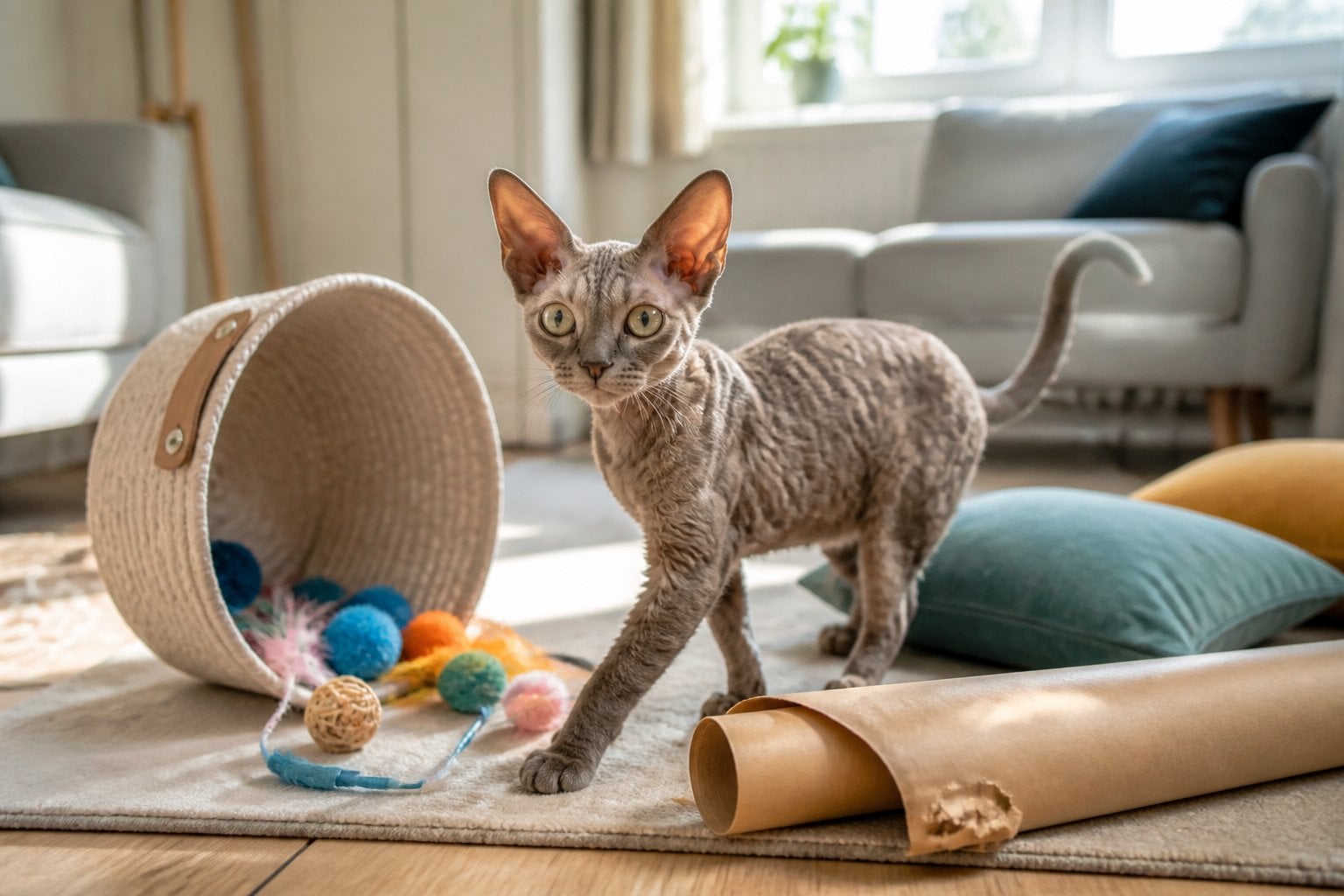
Devon Rex cats look mischievous, and the reputation is earned. Their large ears and curly coats hide a mind that never really switches off.
You’ll notice this breed acts like a kitten well past its first year. Climbing, pouncing, and investigating every corner of your home come naturally to them.
Their metabolism runs high, which means they need frequent meals and burn energy fast. Without enough physical outlets, that energy turns into scratched furniture or knocked-over items.
Boredom is the main trigger here. A Devon Rex left alone for long stretches will find something to occupy its attention, and it’s rarely something you’d choose for it.
Separation anxiety also plays a role in this breed’s behavior. When you’re away too often, expect more than just scratching, since some Devon Rex cats develop habits like eliminating outside the litter box.
8. Abyssinian
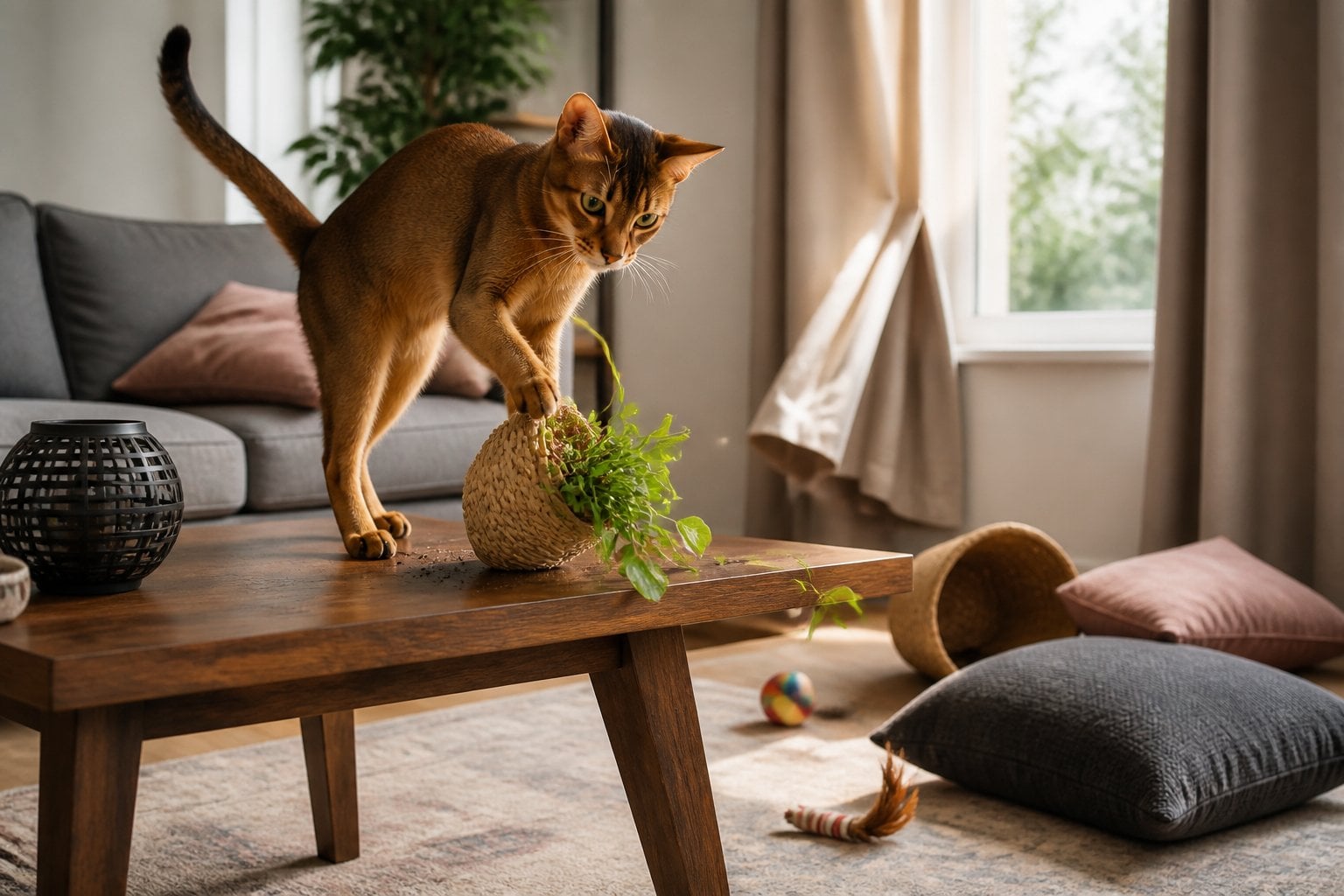
Abyssinians rank among the most active cat breeds you can bring into your home. Their energy levels stay high well into adulthood, and they rarely settle for long stretches of rest.
You’ll notice their curiosity extends to everything within reach. Cabinets, counters, and shelves become exploration targets rather than off-limits areas.
If you work long hours or spend little time interacting with your cat, an Abyssinian may struggle. Without consistent play and mental stimulation, this breed tends to redirect its energy into scratching furniture, knocking items off surfaces, or finding creative ways to occupy itself.
Climbing comes naturally to Abyssinians, so you can expect them to seek out high vantage points throughout your house. Bookshelves and curtain rods aren’t off-limits in their view.
This breed does best with owners who can commit to daily engagement. Puzzle feeders, climbing structures, and regular play sessions help address their needs and reduce destructive habits.
9. Sphynx
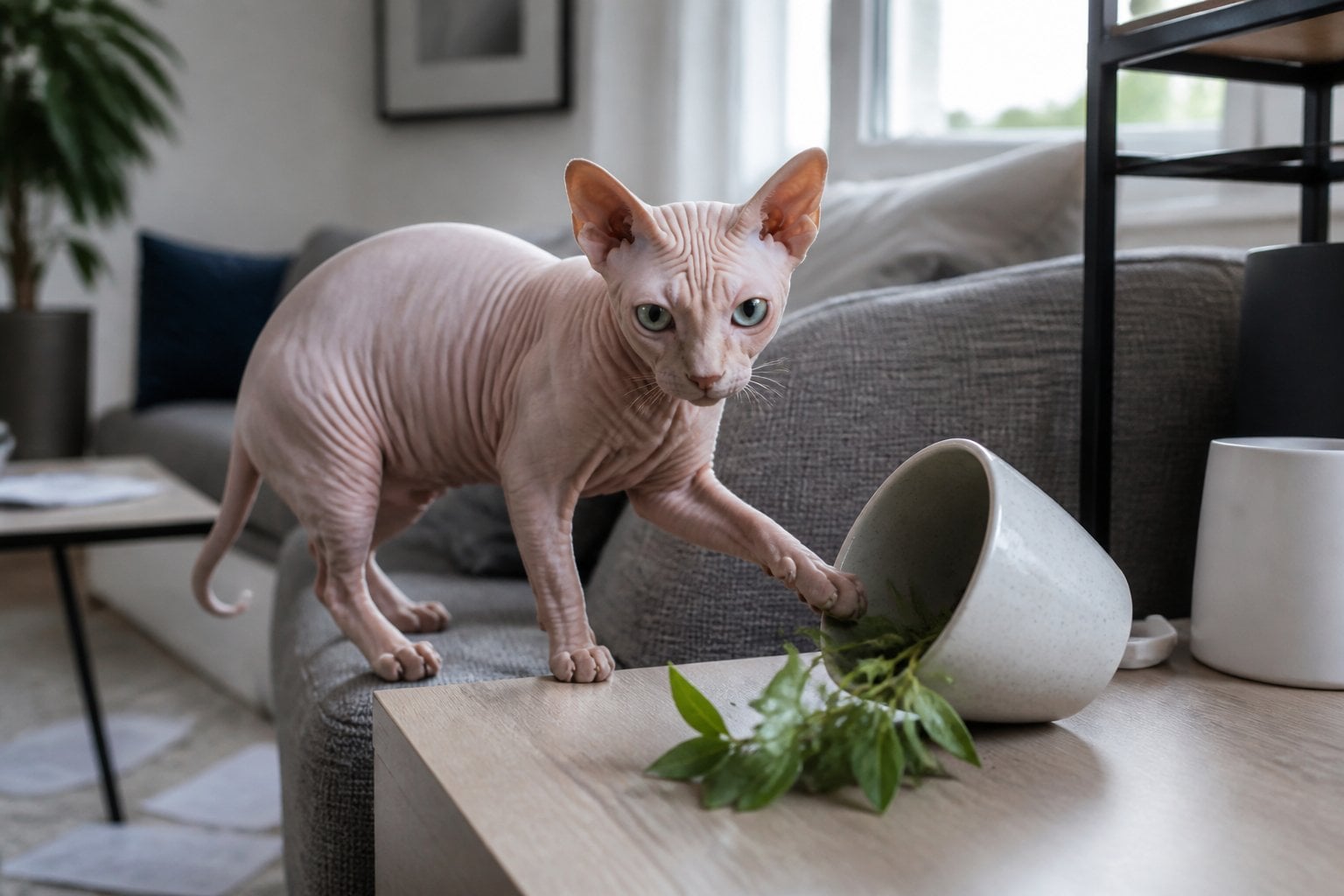
Sphynx cats form intense attachments to their owners and don’t tolerate being ignored well. You’ll notice they demand attention constantly, and when they don’t get it, they find ways to make themselves heard.
This breed is known for hyperactivity that doesn’t fade with age the way it does in many other breeds. Your Sphynx will likely stay curious and energetic well into adulthood.
Expect knocked-over objects, climbing on counters and shelves, and loud vocalizing when your cat wants something from you. These behaviors stem from boredom and a need for interaction, not spite.
You should also factor in health monitoring, since Sphynx cats are prone to heart conditions that require regular veterinary checkups. If your schedule keeps you away from home for long stretches, this breed’s neediness and activity level can become difficult to manage.
10. Ocicat
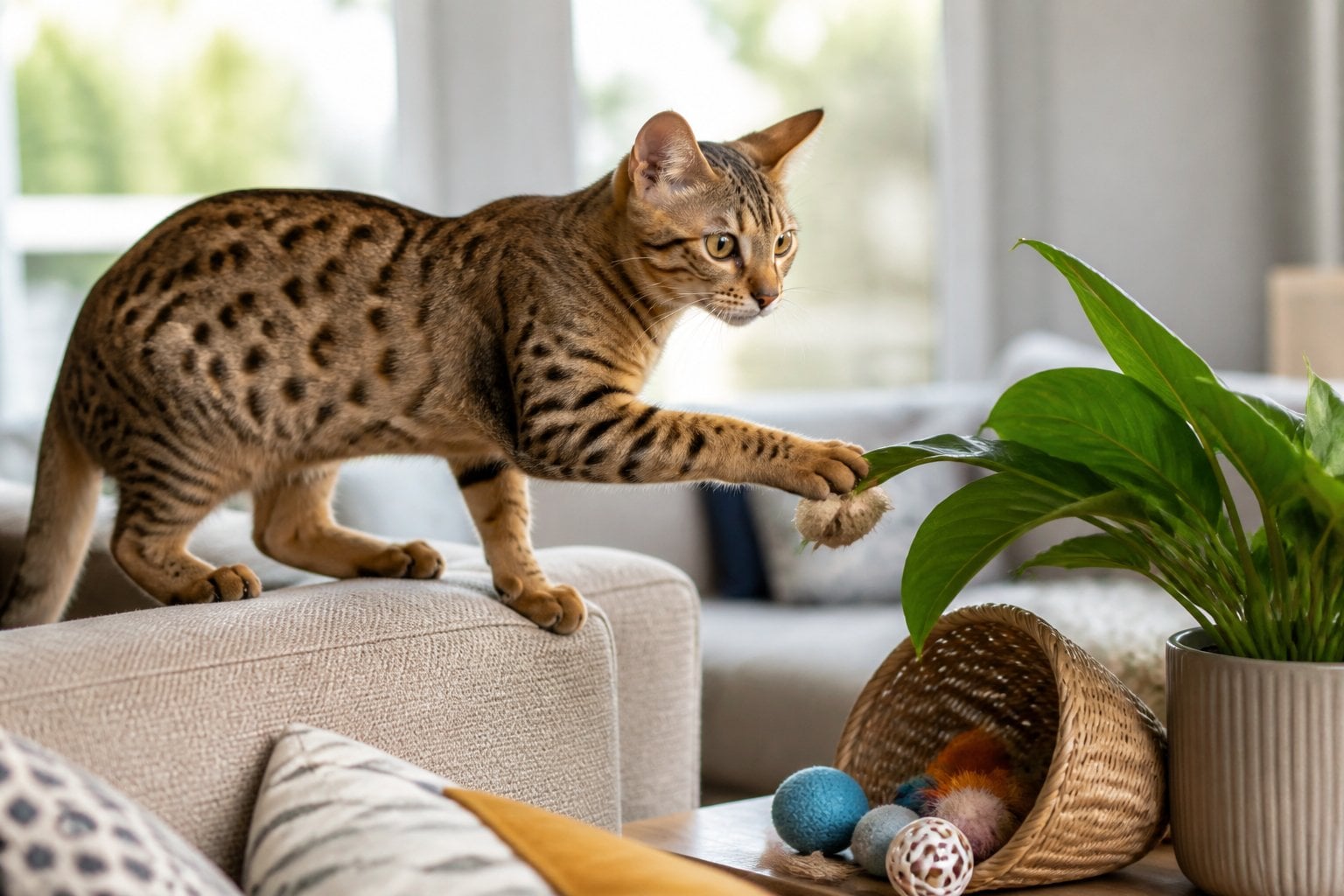
Ocicats look like wild cats but behave like demanding house cats that need constant engagement. You get a breed built for activity, and if that activity doesn’t happen, your furniture and belongings become the outlet.
These cats are highly intelligent and trainable, which sounds like an advantage until you realize they use that intelligence to open cabinets, knock items off shelves, and figure out how to get into spaces you thought were secure.
Boredom triggers destructive habits quickly in this breed. An understimulated Ocicat will scratch surfaces beyond normal wear, chew on cords, or dig through trash and closets looking for something to occupy its mind.
You need to commit to daily interactive play and puzzle feeders if you own one. Without that structure, the energy this breed carries turns into problems around your home rather than the athletic, engaged behavior it’s meant for.
11. Egyptian Mau
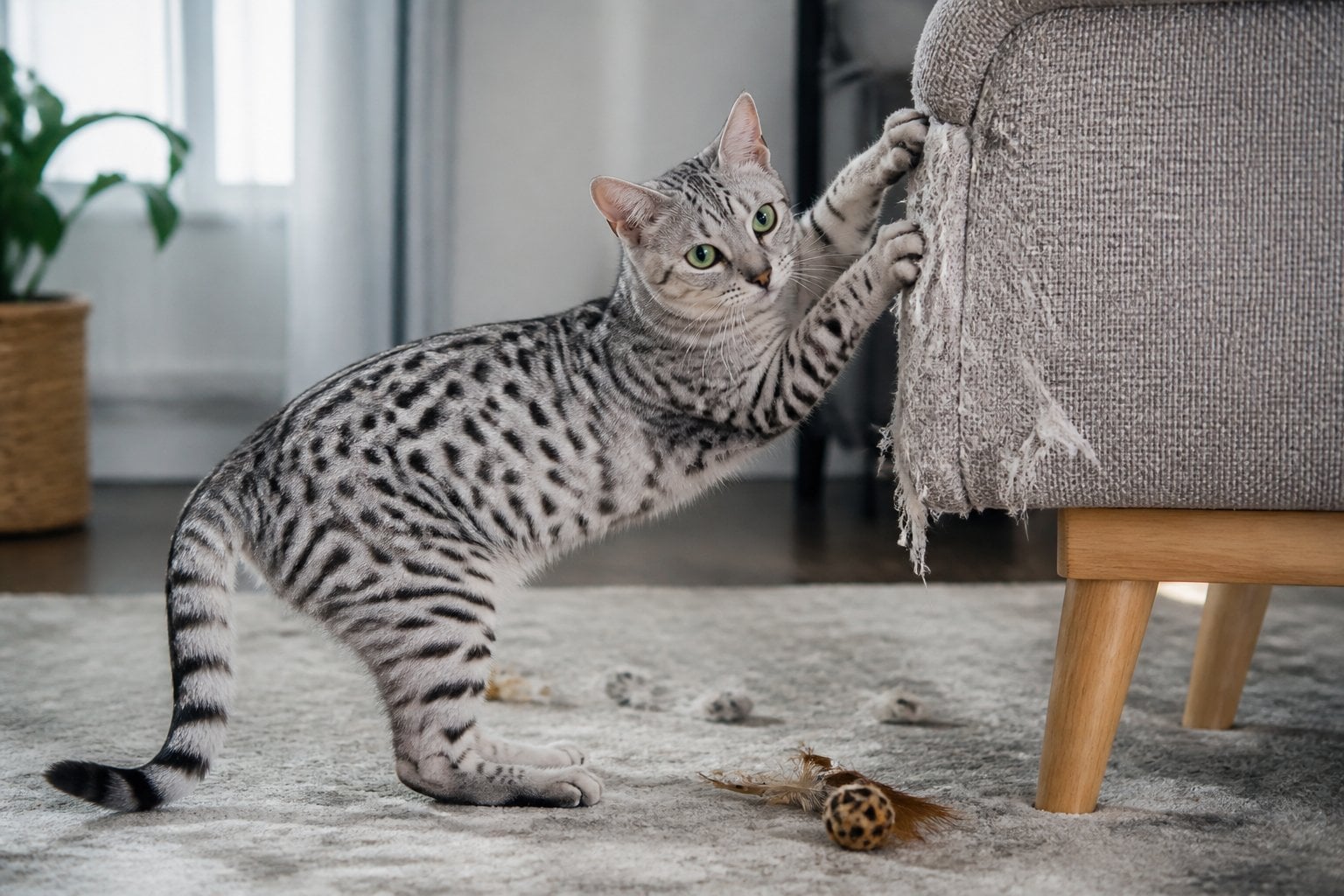
The Egyptian Mau is one of the fastest domestic cat breeds, reaching speeds up to 30 miles per hour. This speed comes from a highly active build, and you’ll need to give this cat enough room and outlets to use that energy.
If you live in a small apartment, you may struggle to meet this breed’s exercise requirements. Without enough space to run, your Mau can turn to scratching furniture, knocking items off shelves, or sprinting through your home at odd hours.
This breed is also highly intelligent, which means boredom sets in quickly. You’ll need interactive toys and regular play sessions to keep destructive habits in check.
Egyptian Maus bond closely with their owners and can become anxious when left alone too often. That anxiety sometimes shows up as chewing, digging at carpets, or other unwanted behavior around your house.
12. Japanese Bobtail
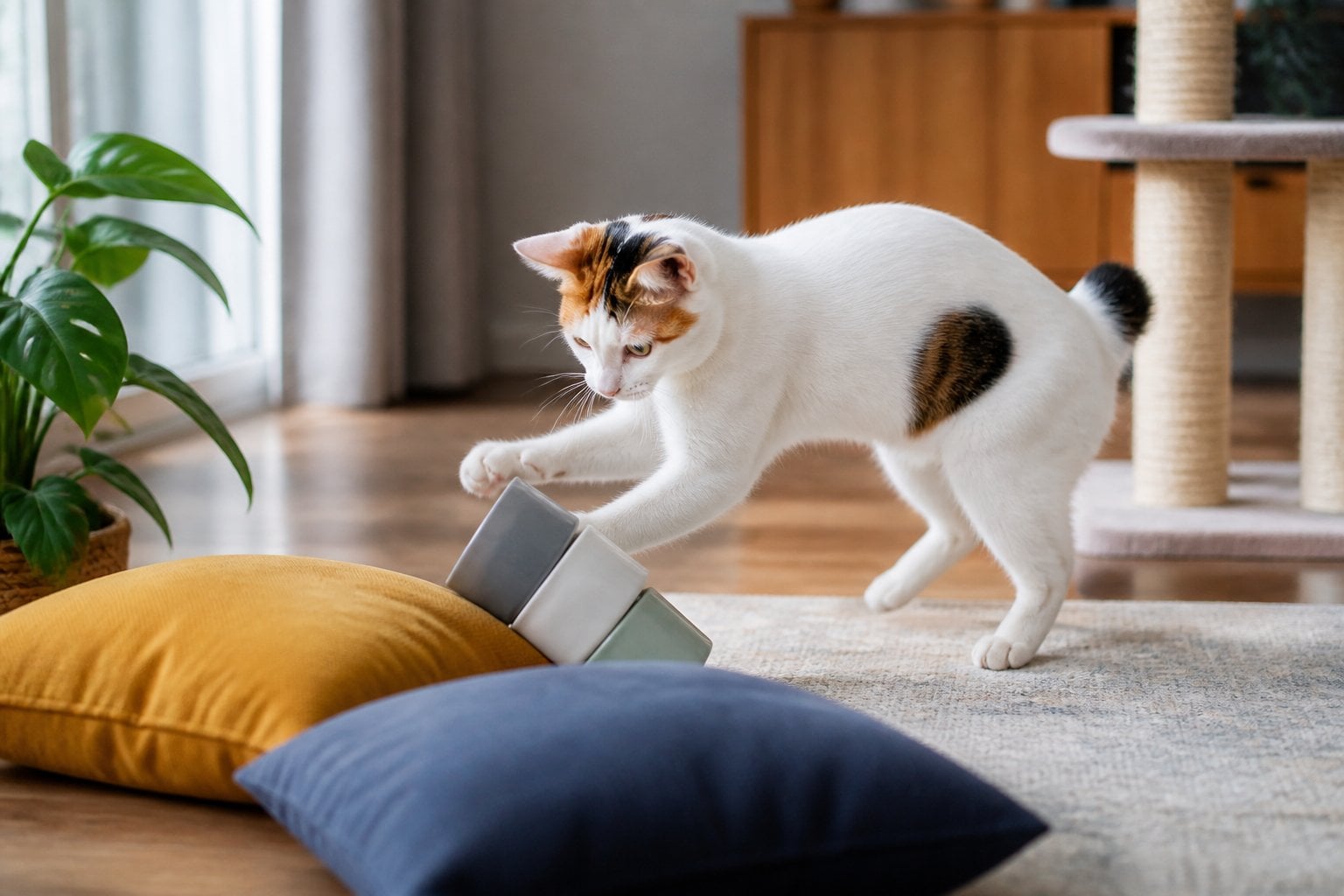
Your Japanese Bobtail brings a lot of energy into your home, and that energy needs somewhere to go. Without enough stimulation, this breed turns to destructive habits like knocking objects off shelves or shredding furniture.
You’ll notice this cat is highly social and vocal. When it feels bored or ignored, it may act out through jumping on counters, scratching surfaces, or pawing at doors.
Separation anxiety plays a role too. If you leave your Bobtail alone for long stretches, expect potential messes or chewed items when you return.
This breed also has a playful streak that can tip into rough behavior. Play aggression, like pouncing or swatting at your hands, sometimes results in accidental damage to nearby items.
Keeping your Bobtail engaged with toys, climbing spaces, and daily interaction reduces these tendencies significantly. Without that outlet, its intelligence and activity level work against your household’s order.
13. Turkish Angora
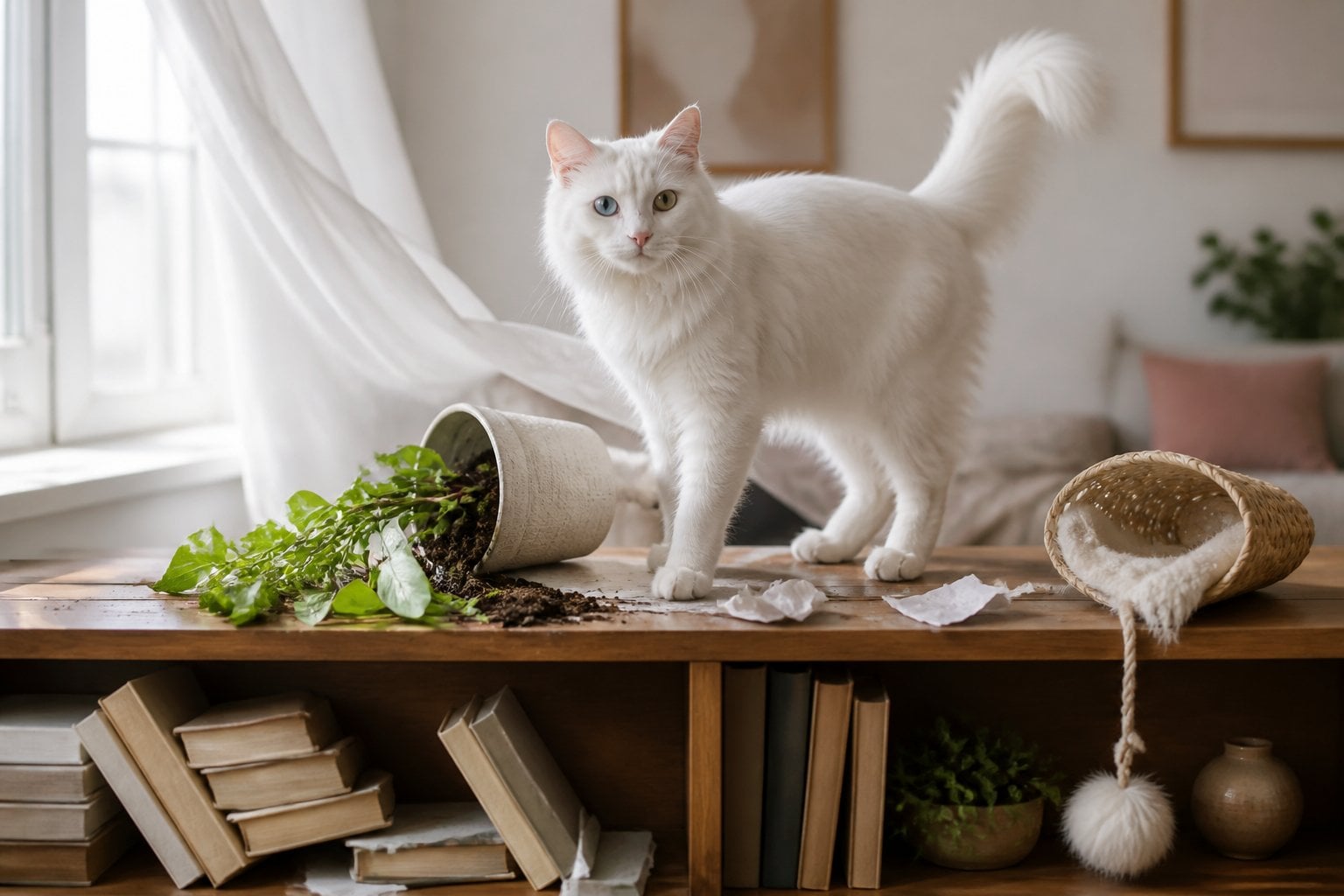
Turkish Angoras carry a reputation for being difficult, and some research on breed aggression ranks them near the top of the list. That doesn’t mean every Angora is a problem cat, but it does mean you should expect a strong personality.
Destructive behavior in this breed often comes from boredom rather than pure temperament. Angoras are intelligent and energetic, and they need at least 30-45 minutes of active play daily to stay balanced.
Without that outlet, you may notice chewing, scratching, or general restlessness. Dental discomfort can also drive chewing, so it’s worth ruling out health issues first.
Watch for warning signs like flattened ears, dilated pupils, or a swishing tail. These usually mean your cat is stressed, not just being difficult.
Puzzle feeders, climbing structures, and regular training sessions can reduce anxiety-driven behavior significantly. You’ll get better results by addressing the underlying cause than by punishing the symptom.
14. Burmese
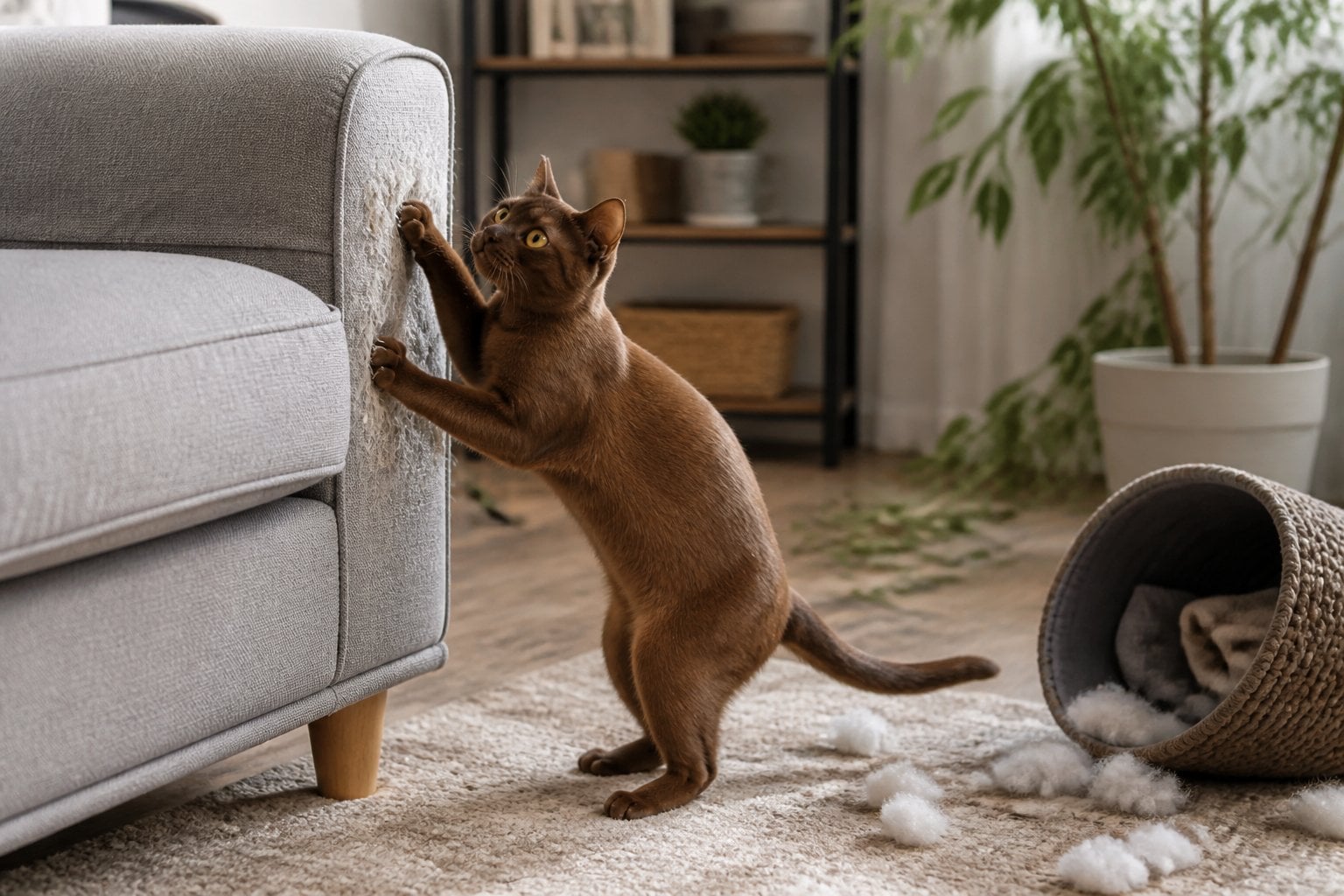
Burmese cats form strong attachments to their owners, and this closeness can turn into a problem when you’re not around. Left alone for long stretches, your Burmese may develop separation anxiety that shows up as chewing, scratching, or other destructive habits.
Fabric sucking and chewing is a notable trait in this breed, with wool being a common target. This behavior has a genetic basis and resembles compulsive tendencies seen in other breeds like the Siamese.
If you work long hours or travel often, you’ll need a plan for keeping your Burmese occupied. Puzzle feeders, scheduled play sessions, and companionship from another pet can reduce the odds of destructive habits taking hold.
Without enough mental engagement, your Burmese may also become vocal or seek attention through unwanted behaviors, including scratching furniture or knocking items down.
15. Bombay
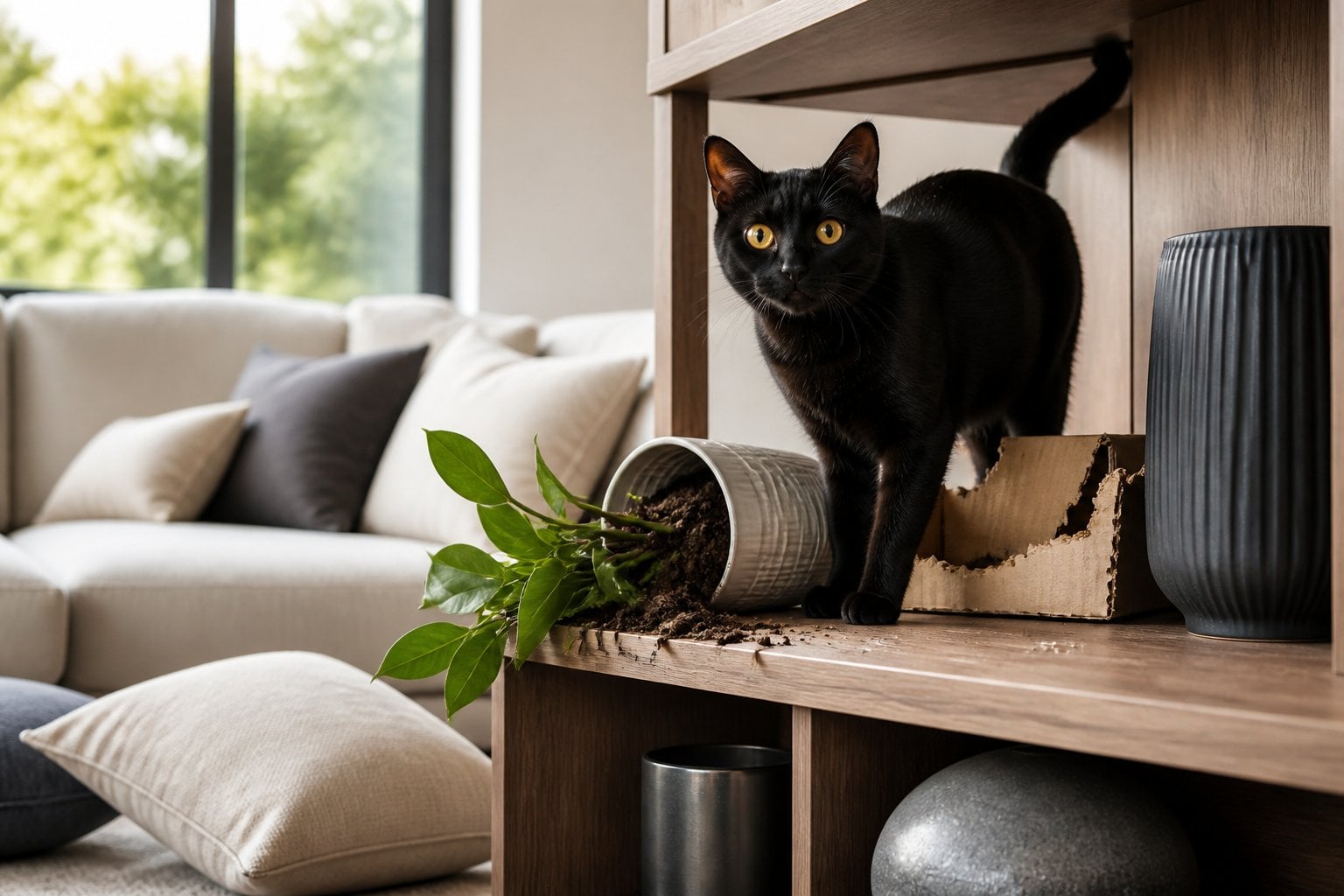
Bombay cats have a sleek, black coat and a muscular, compact build. Despite their calm reputation, they can develop destructive habits when they don’t get enough attention.
You’ll find that Bombays are highly attached to their owners and dislike being left alone for long stretches. Boredom or loneliness often triggers scratching, climbing on furniture, or knocking items off shelves.
This breed also has a playful, sometimes forceful energy. Their play can be rougher than expected, and without appropriate toys, they may direct that energy toward your belongings.
Bombays are intelligent and curious, which means they investigate everything within reach. Cabinets, drawers, and loose objects are common targets if you don’t provide enough mental stimulation.
Daily interactive play helps manage this behavior. If you can’t commit to regular engagement, you may notice more destructive tendencies emerging over time.
16. Tonkinese
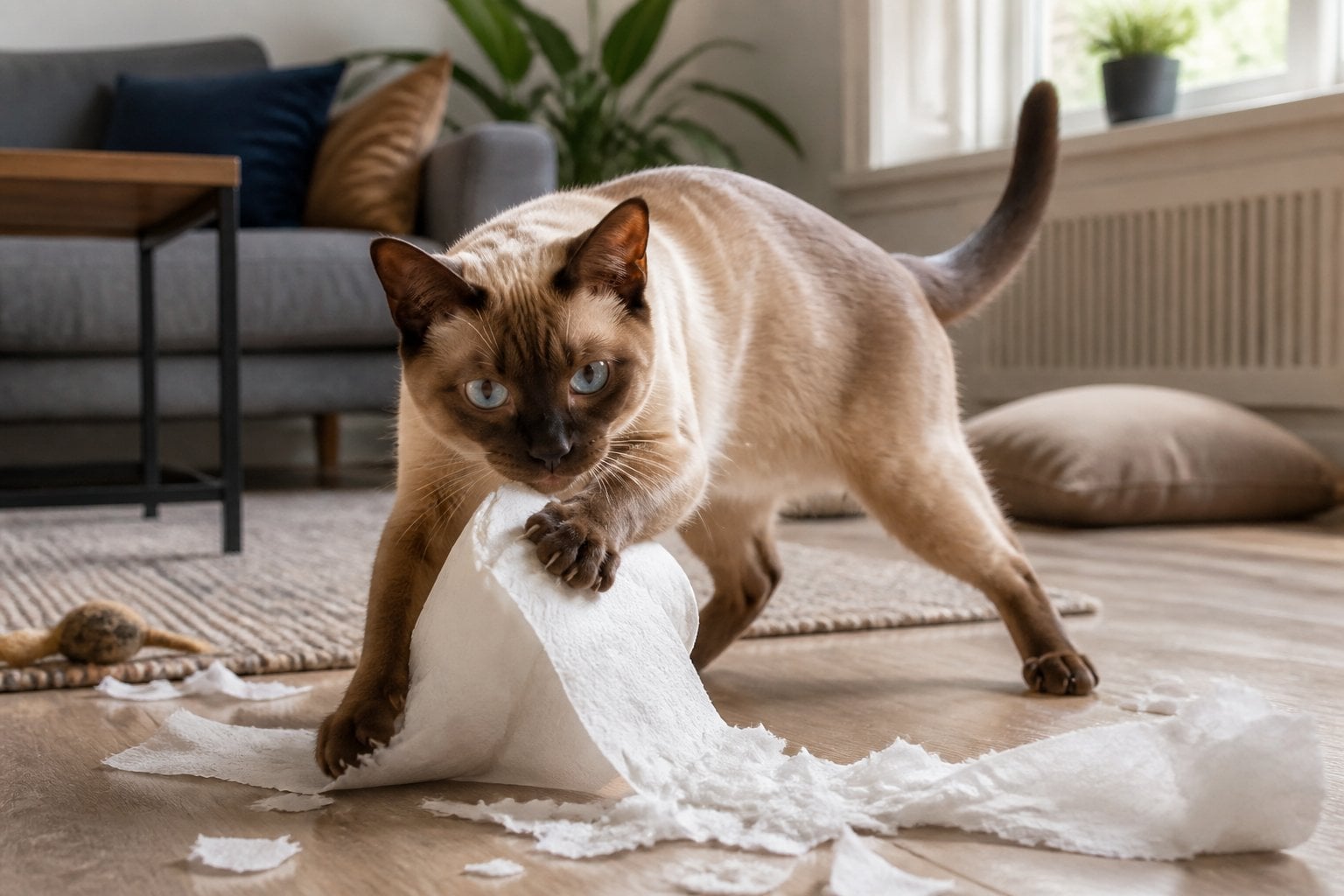
Tonkinese cats combine Siamese and Burmese traits, and you get the energy of both breeds in one package. They’re highly social and don’t tolerate being ignored for long stretches.
If you leave a Tonkinese alone without enough stimulation, expect trouble. They climb, they pry open cabinets, and they’ll knock items off shelves just to get a reaction from you.
Their intelligence means standard toys lose appeal quickly. You’ll need to rotate puzzle feeders and interactive games to keep their mind occupied.
This breed also bonds intensely with its owners. Separation triggers anxiety-driven behaviors like scratching furniture or chewing on cords and fabric.
Tonkinese cats do best in households where someone is home often or where they have another pet for company. Without that companionship, their destructive tendencies tend to escalate rather than fade.
17. Balinese
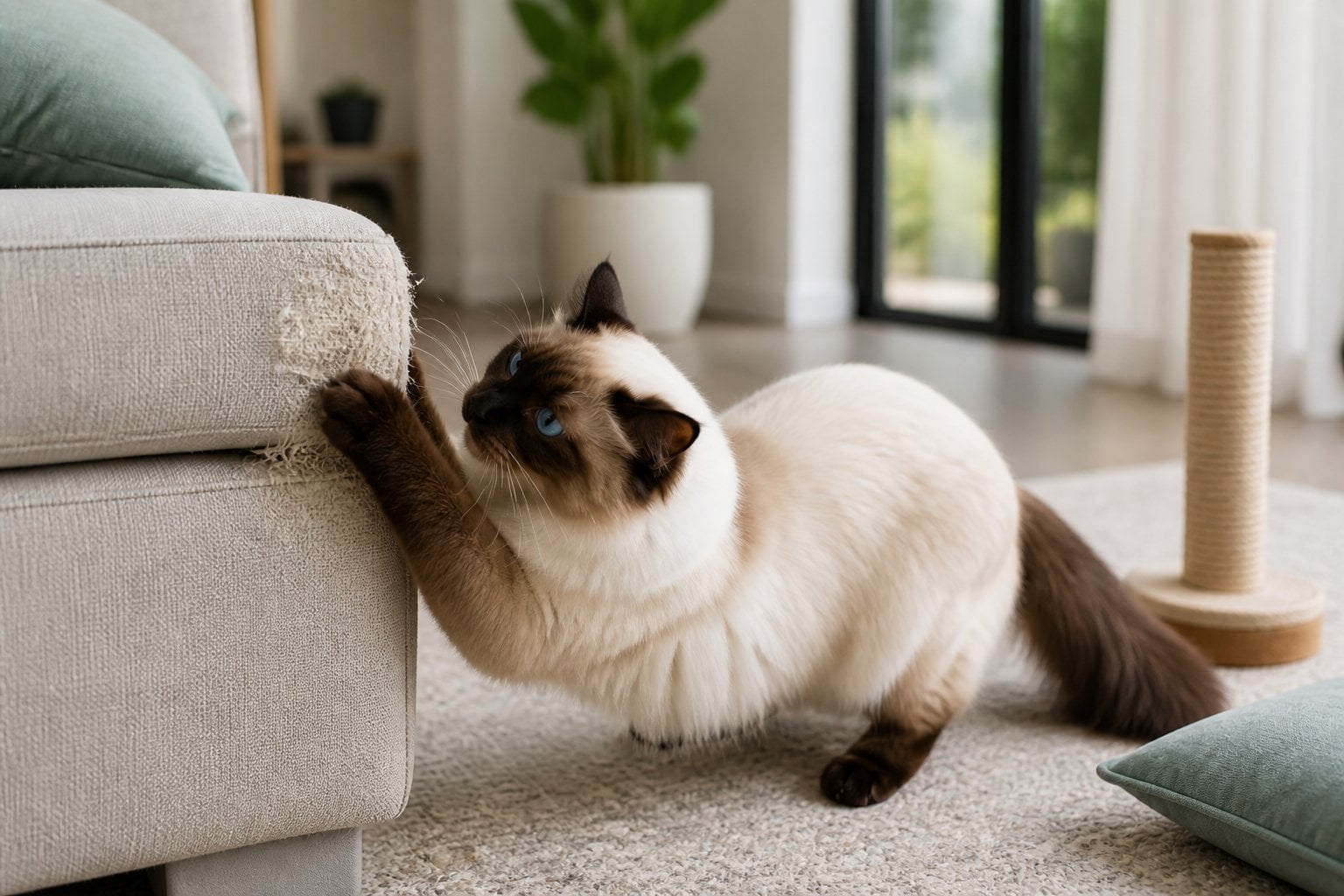
The Balinese looks calm with its long, silky coat, but don’t expect a quiet cat. You’re dealing with a highly vocal, energetic breed that shares much of the Siamese personality underneath a different appearance.
Leave a Balinese alone for long stretches, and separation anxiety sets in. You’ll likely notice knocked-over items, scratched furniture, or persistent crying when you return home.
This breed follows you from room to room and expects attention throughout the day. If you can’t provide that level of interaction, boredom takes over quickly.
Some Balinese cats also push to go outdoors, and their frustration shows through destructive habits when that desire isn’t met.
You can manage this behavior with climbing structures, puzzle toys, and a predictable daily routine. Without those outlets, though, you’re likely to see the same problems repeat.
18. Javanese
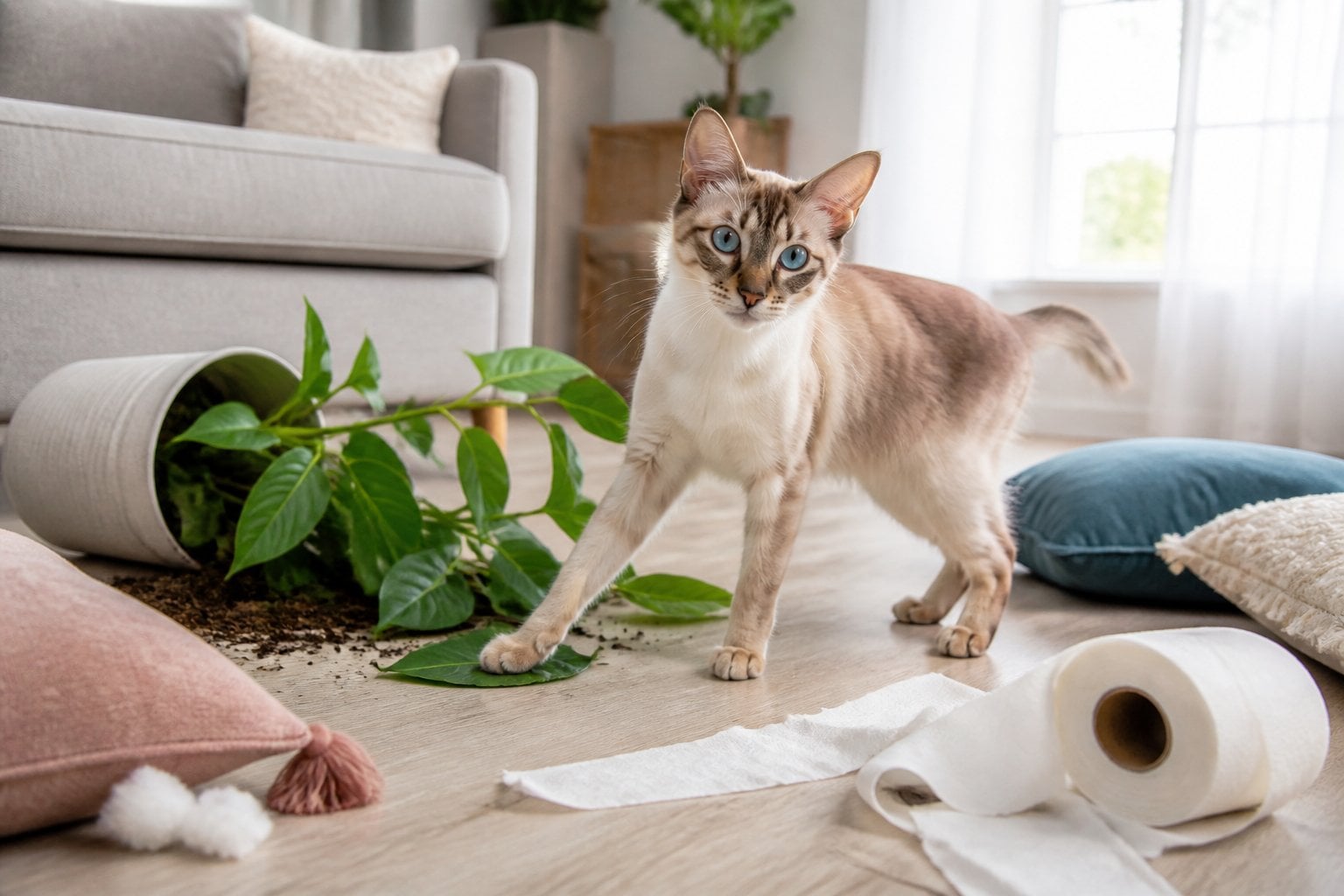
Javanese cats carry a single, silky coat without the usual undercoat, but that doesn’t mean they lack energy. You’ll find them highly active and vocal, often demanding attention through movement rather than sitting still.
Boredom drives most of their destructive tendencies. Without enough playtime or mental stimulation, you’ll likely see them climbing curtains, knocking objects off shelves, or scratching furniture to release pent-up energy.
Their intelligence works both for and against you. They learn quickly, which means they can open doors, cabinets, and drawers if left unsupervised.
You need to commit to daily interactive play if you own one. Puzzle toys and climbing structures help redirect their energy toward acceptable outlets.
Leaving a Javanese alone for long stretches often backfires. Their attachment to people means isolation can trigger anxious behaviors, including excessive vocalization and targeted destruction of your belongings.
19. Somali
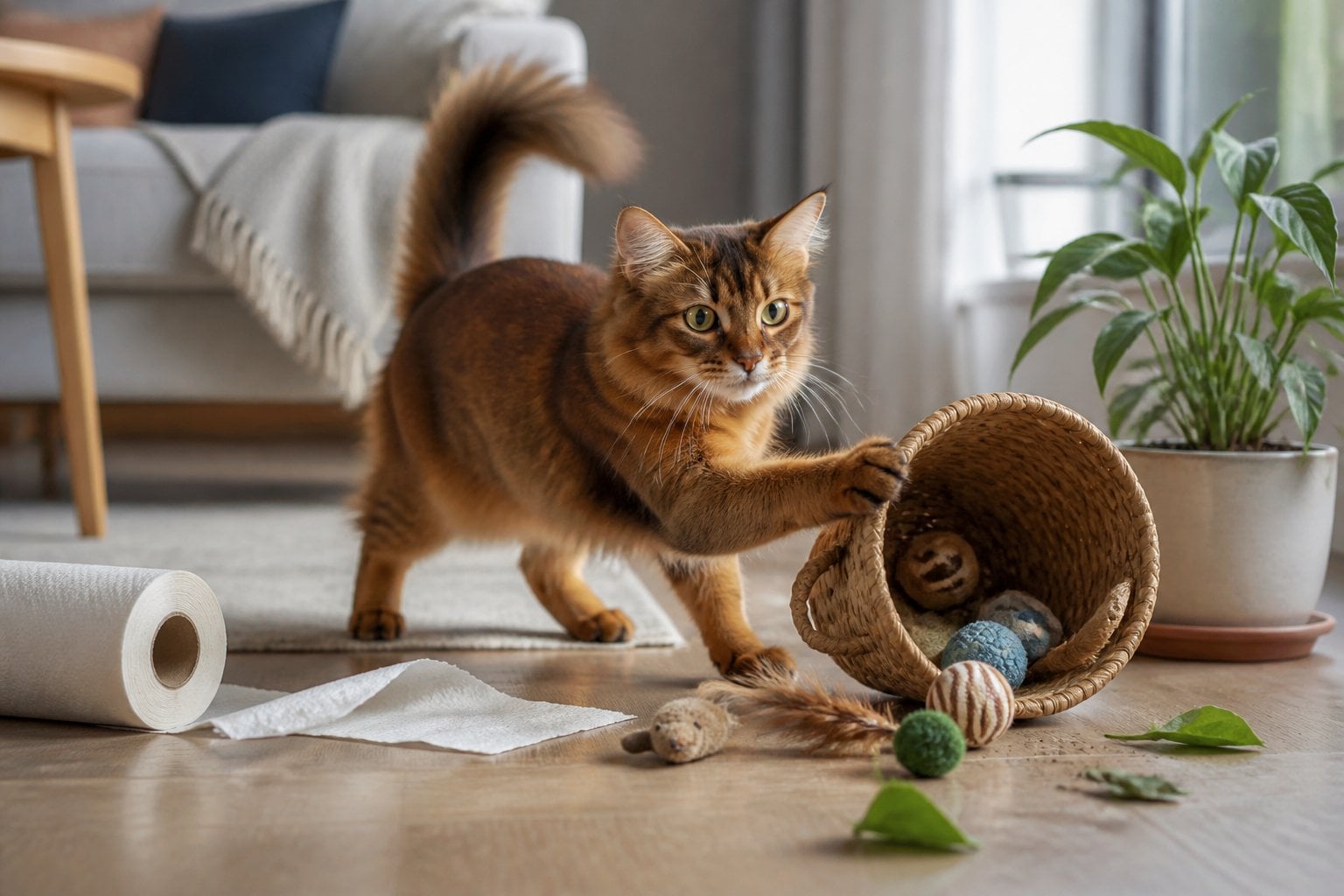
Somalis are essentially long-haired Abyssinians, and they carry the same restless energy. You’ll find these cats climbing shelves, opening cabinets, and investigating anything left within reach.
Their athleticism sets them apart from many other breeds. Somalis jump higher and move faster, which means fragile items on high surfaces aren’t as safe as you’d expect.
Boredom triggers most of their destructive habits. Without enough physical activity, a Somali will find its own entertainment, often at the expense of your furniture or belongings.
You’ll also need to manage their grooming needs. Their semi-long coat requires regular brushing, and neglecting this can lead to matting that affects their comfort and behavior.
Daily interactive play helps offset their high energy levels. Puzzle feeders and climbing structures give them appropriate outlets, reducing the likelihood of unwanted chewing or scratching around your home.
20. Singapura
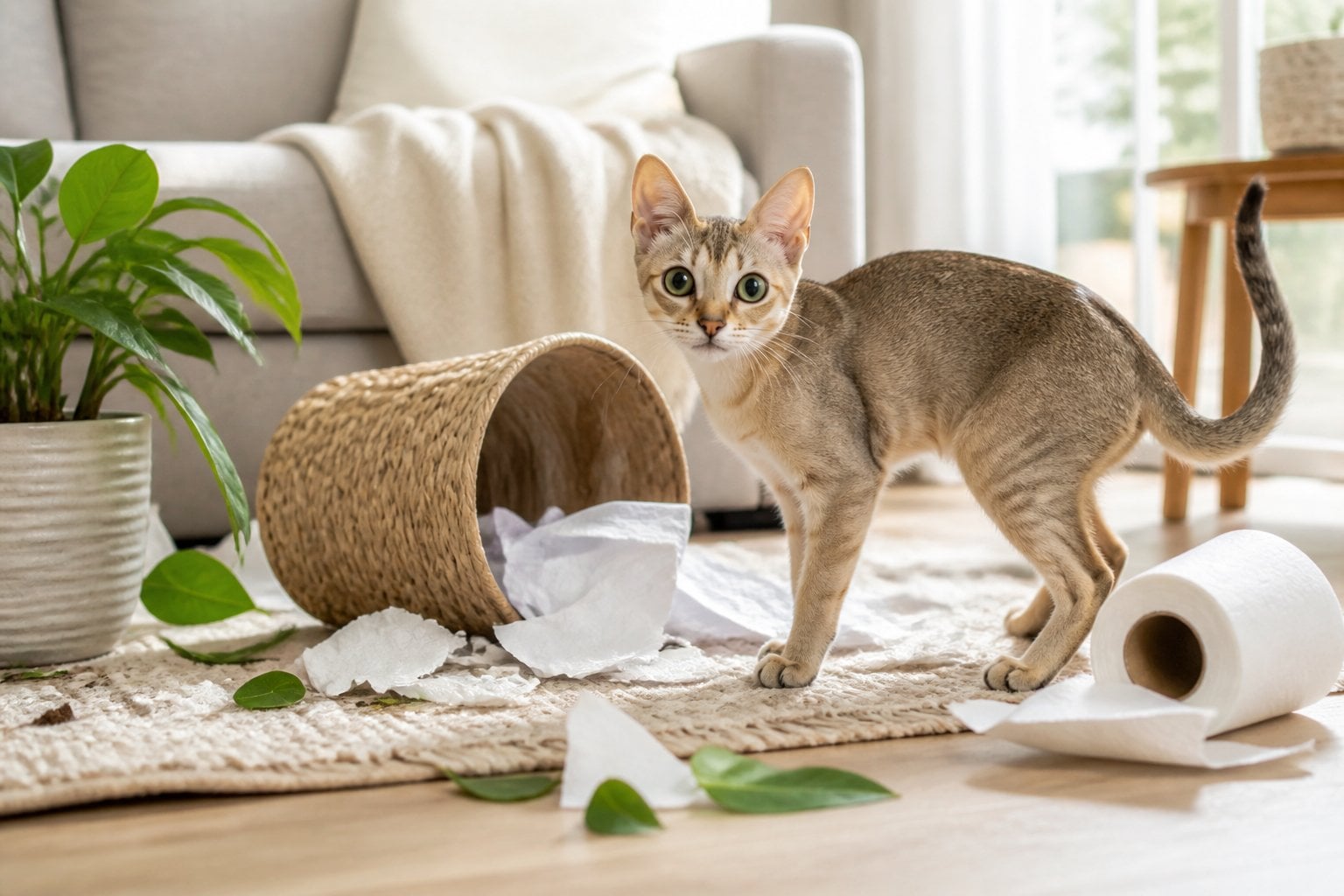
Singapura cats are one of the smallest domestic breeds, but their size doesn’t limit their curiosity. You’ll find them climbing furniture, counters, and shelves in search of the highest vantage point in your home.
Their small stature means they can squeeze into tight spaces most cats can’t reach. This includes cabinets, drawers, and gaps behind appliances, where they’ll often knock items around while exploring.
Singapuras are highly active and need regular engagement throughout the day. Without enough playtime, you’ll notice them redirecting that energy toward chewing cords, scratching furniture, or pawing at objects on shelves.
This breed also bonds closely with its owners and dislikes being left alone for long stretches. If you’re gone often, expect increased mischief when you return, as boredom tends to build quickly in such an alert, energetic cat.
21. Cheetoh
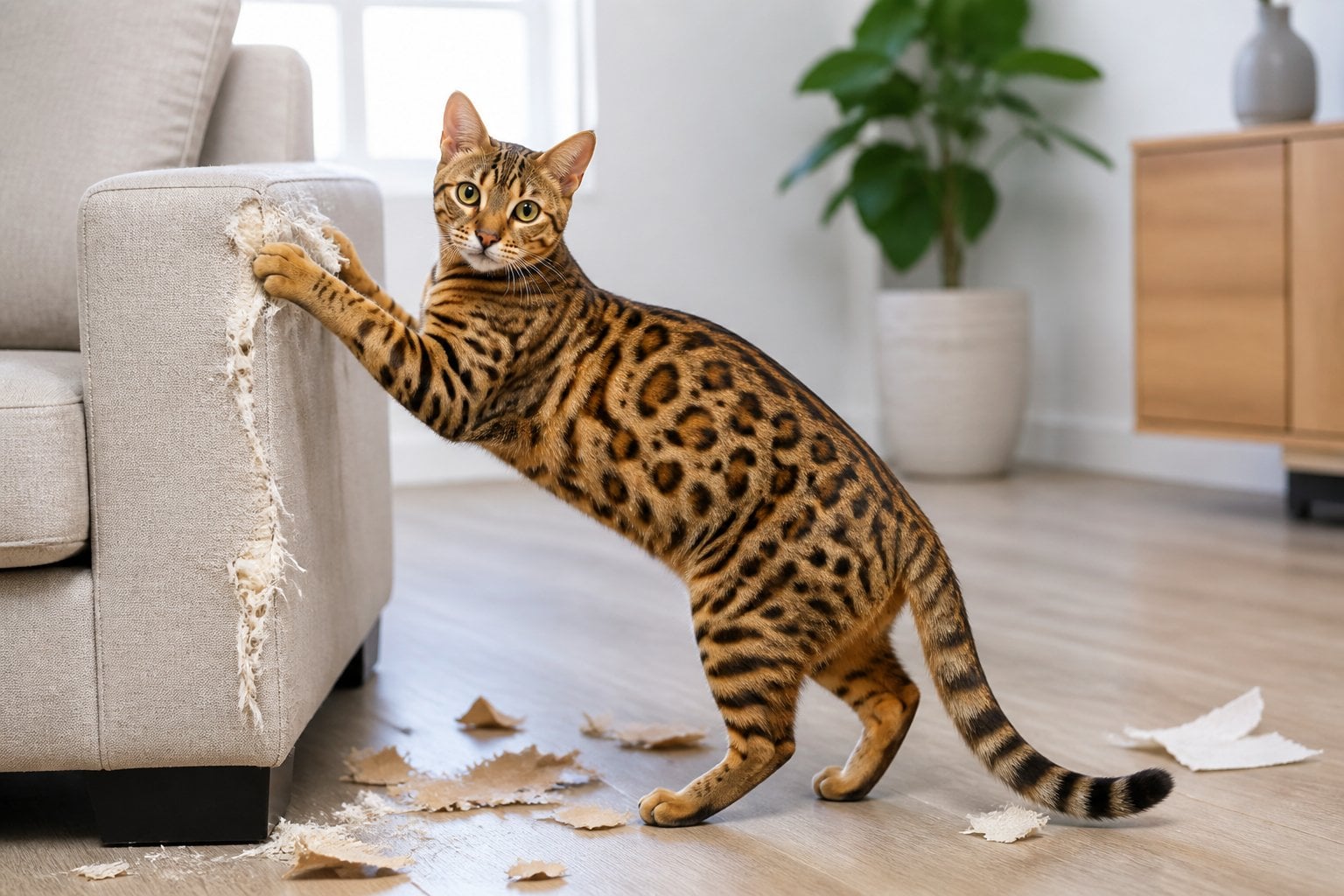
The Cheetoh is a mix of the Bengal and Ocicat, and it carries the high energy of both breeds. You get a cat with a wild appearance and an athletic build that needs regular outlets for its physical drive.
If you don’t provide enough exercise, your Cheetoh will find its own entertainment. This often means climbing curtains, knocking objects off shelves, or tearing through your home at full speed.
This breed also has a strong prey drive inherited from its Bengal ancestry. You may notice your Cheetoh stalking small objects or chasing anything that moves, including your feet.
Cheetohs bond closely with their owners and don’t handle being ignored well. Long hours alone can lead to destructive habits as your cat searches for stimulation.
Interactive toys and daily play sessions help manage this behavior, but you should expect to invest real time and effort into keeping this breed satisfied.
22. Serengeti
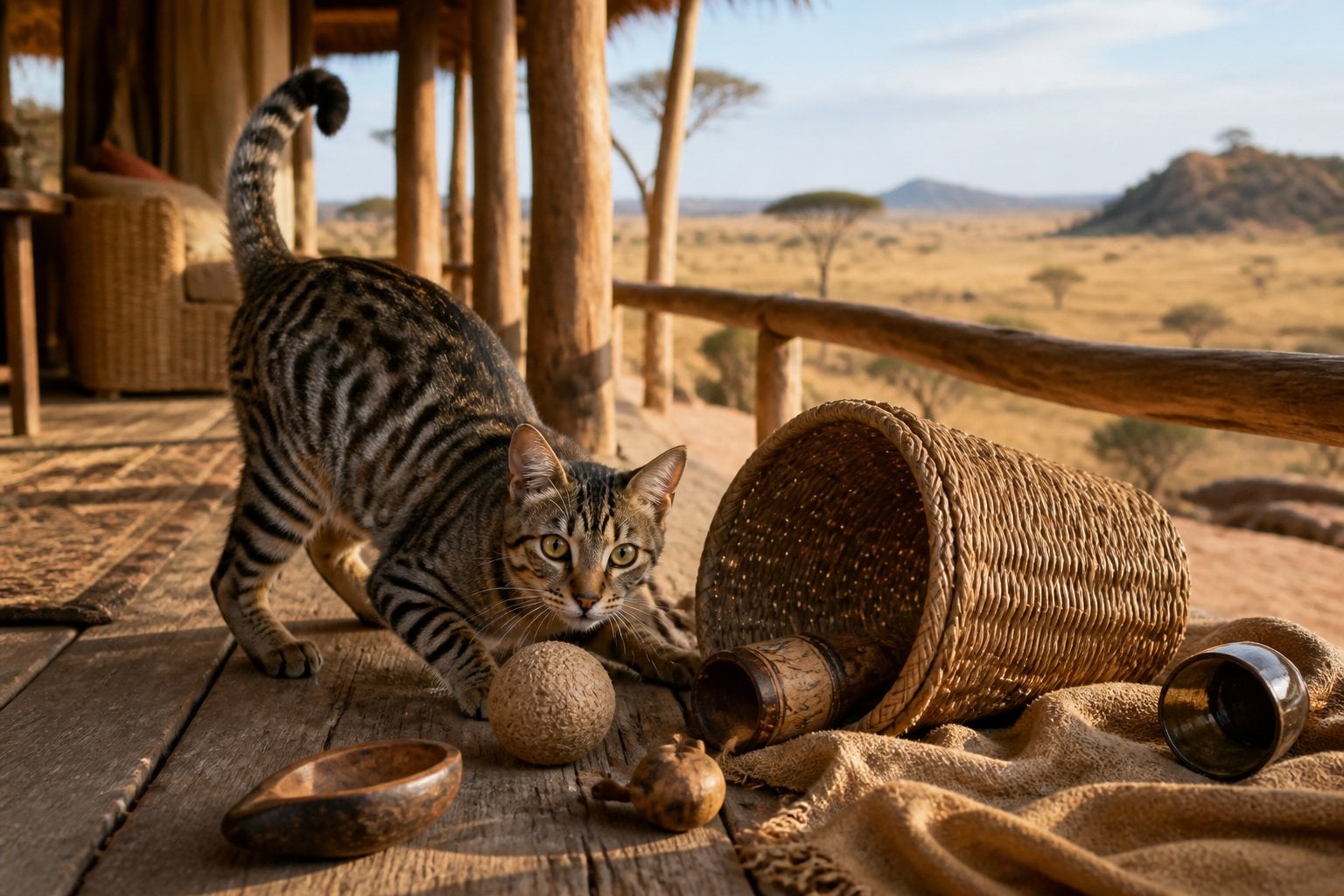
The Serengeti is a cross between the Bengal and Oriental Shorthair, bred to look like a small wild cat while keeping a domestic temperament. Despite that goal, you’ll find this breed carries a strong athletic drive that needs constant output.
Your Serengeti will jump onto high surfaces, knock objects off shelves, and explore every corner of your home. This isn’t spite. It’s how the breed processes energy and curiosity.
You need to provide vertical space, like cat trees or shelving, or your cat will create its own using your furniture. Without enough climbing and jumping outlets, expect scratched surfaces and displaced items.
This breed also gets bored quickly with repetitive toys. You’ll need to rotate enrichment options regularly, since a Serengeti left without mental engagement tends to find its own projects, often at your expense.
23. Toyger
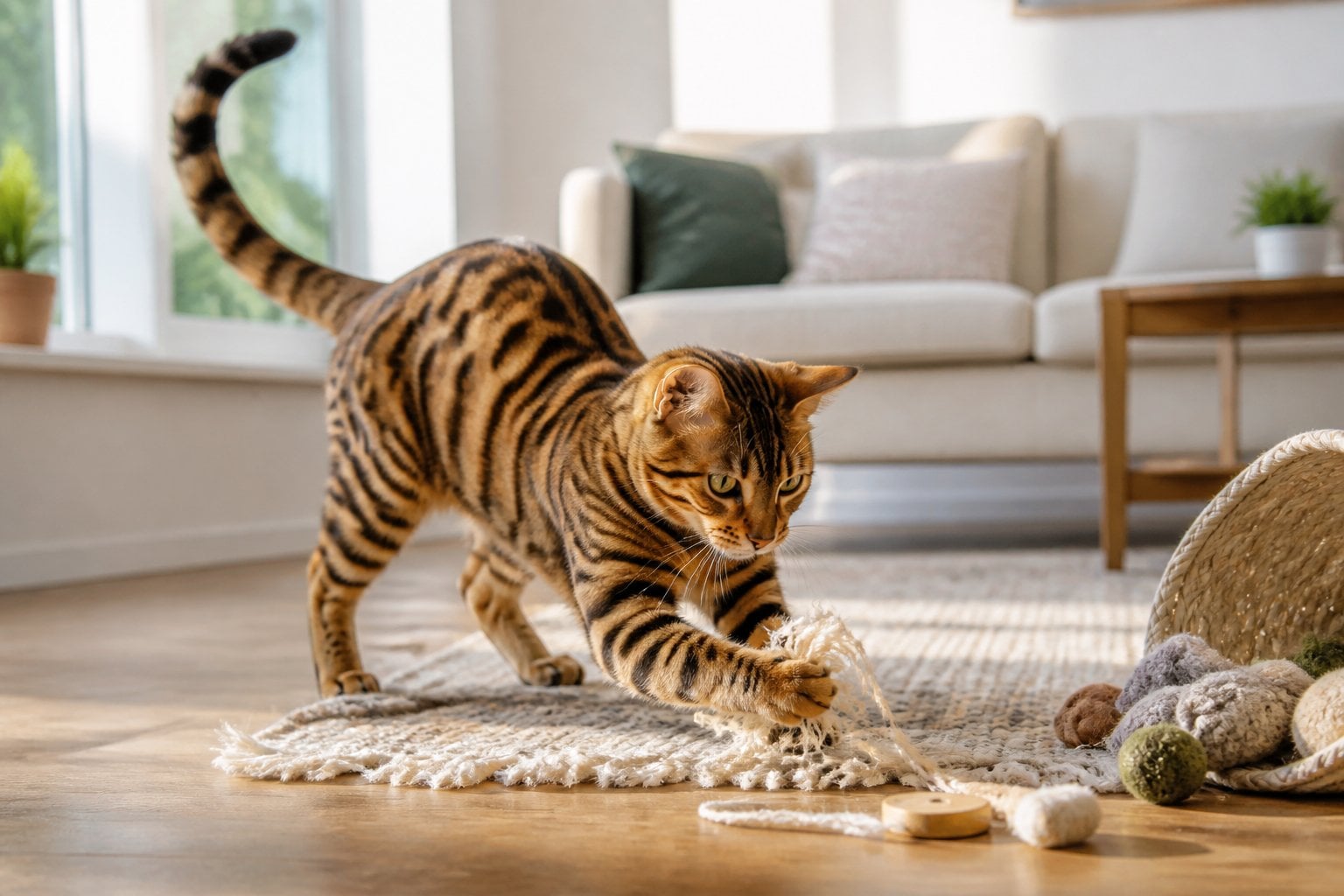
Toygers were bred to look like miniature tigers, and they carry a high energy level to match that wild appearance. You’ll notice this breed needs frequent play sessions to burn off its athletic drive.
Without enough activity, a Toyger may resort to scratching furniture or knocking items off shelves. This isn’t defiance on your cat’s part; it’s a response to unspent energy.
You should expect your Toyger to climb, jump, and explore every surface in your home. Bored Toygers often target curtains, blinds, or window screens as outlets for their curiosity.
Interactive toys and puzzle feeders can help redirect this energy productively. If you skip daily engagement, expect your Toyger to find its own entertainment, often at the expense of your belongings.
Given their intelligence, Toygers also learn to open cabinets or doors, so you’ll want to secure areas you’d rather keep off-limits.
24. Peterbald
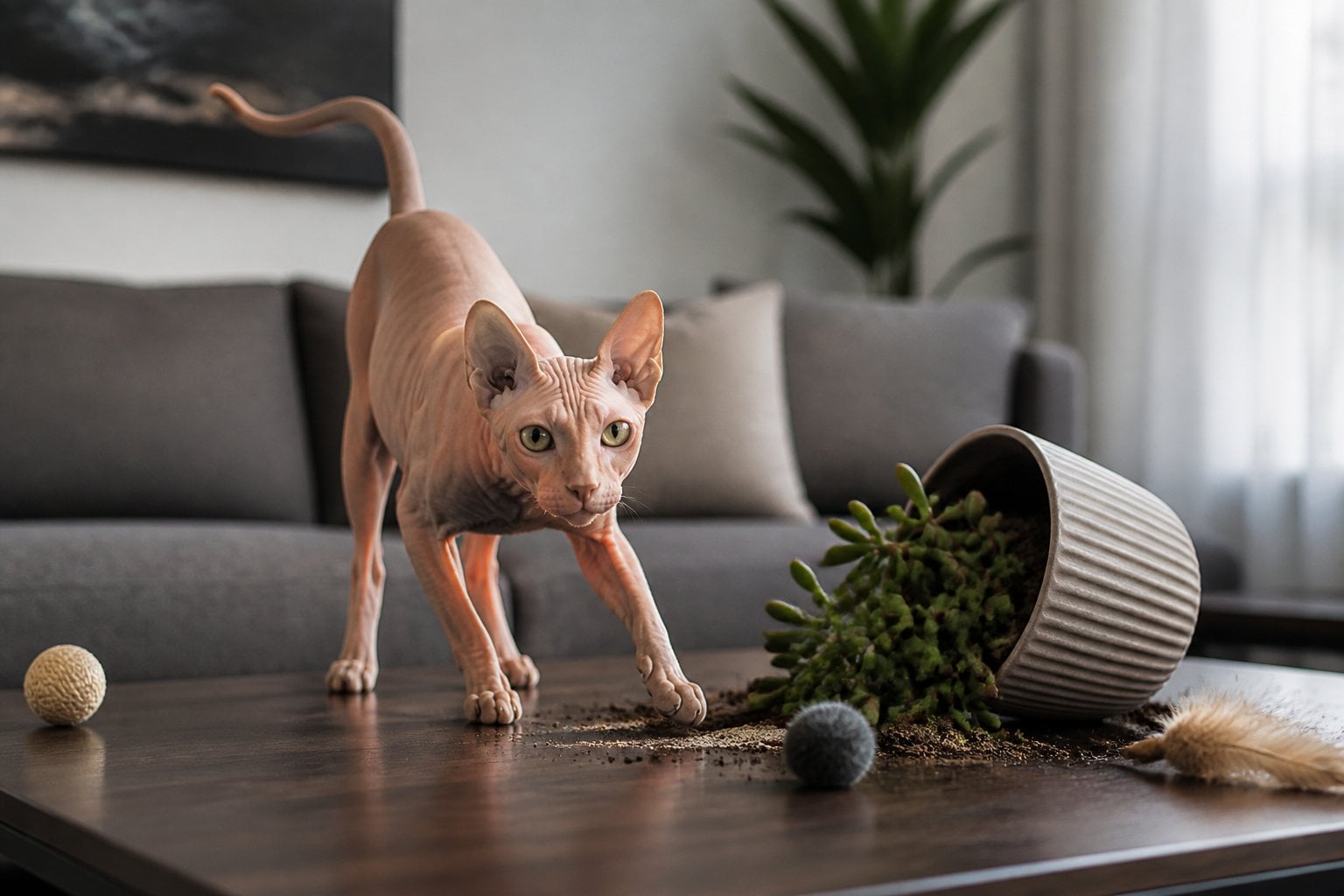
The Peterbald is a hairless or partially haired breed known for its high intelligence and strong attachment to its owners. You’ll find that this breed craves attention constantly, and when you’re not available, boredom sets in quickly.
Peterbalds are known for their curiosity and dexterous paws, which they use to open cabinets, drawers, and even doors. Your belongings are at risk if you don’t provide enough mental stimulation throughout the day.
This breed also tends to follow you from room to room, and separation can trigger anxious behavior. Without proper outlets, that anxiety often turns into scratching furniture or chewing on cords.
Because Peterbalds lack a protective coat, they seek out warm spots, sometimes burrowing into blankets, laundry, or upholstery in ways that cause damage. You’ll need interactive toys and consistent playtime to keep this breed from directing its energy toward destructive habits.
25. LaPerm
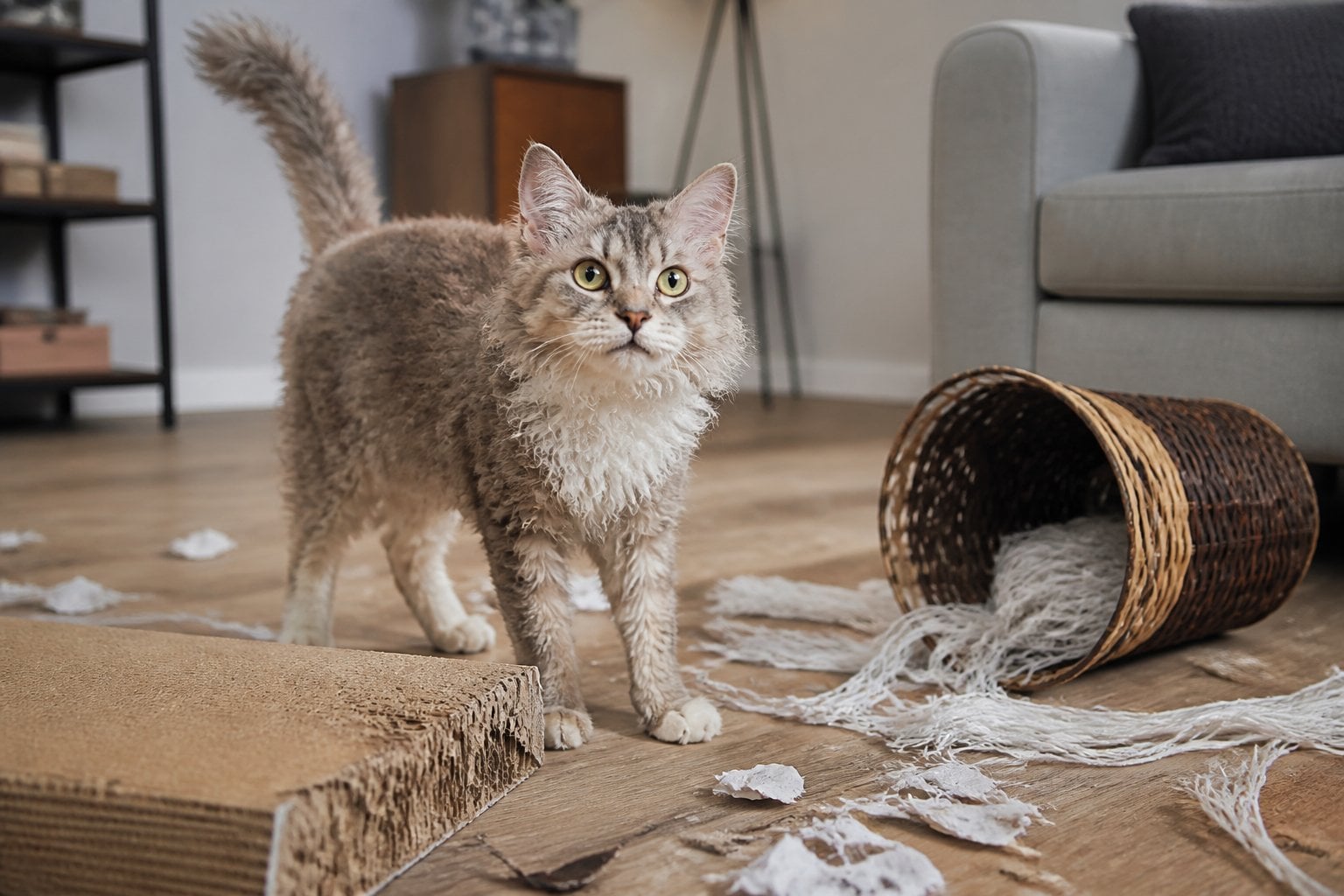
The LaPerm’s curly coat comes with a curious, hands-on personality. You’ll find this breed investigating cabinets, counters, and anything left within reach.
Their curiosity extends to their paws. LaPerms often use them to open doors, drawers, and containers, which means your belongings aren’t as protected as you might assume.
This breed bonds closely with you and doesn’t handle long stretches of solitude well. Left alone too often, a LaPerm may turn to scratching furniture or knocking items off shelves to burn off energy.
You’ll notice they respond well to interactive toys and climbing structures. Without these outlets, their natural inquisitiveness can shift into unwanted chewing or digging through household items.
LaPerms aren’t aggressive, but their combination of intelligence and dexterity means you need to stay ahead of their next move. Keeping them engaged prevents most of the trouble before it starts.
26. Ragdoll
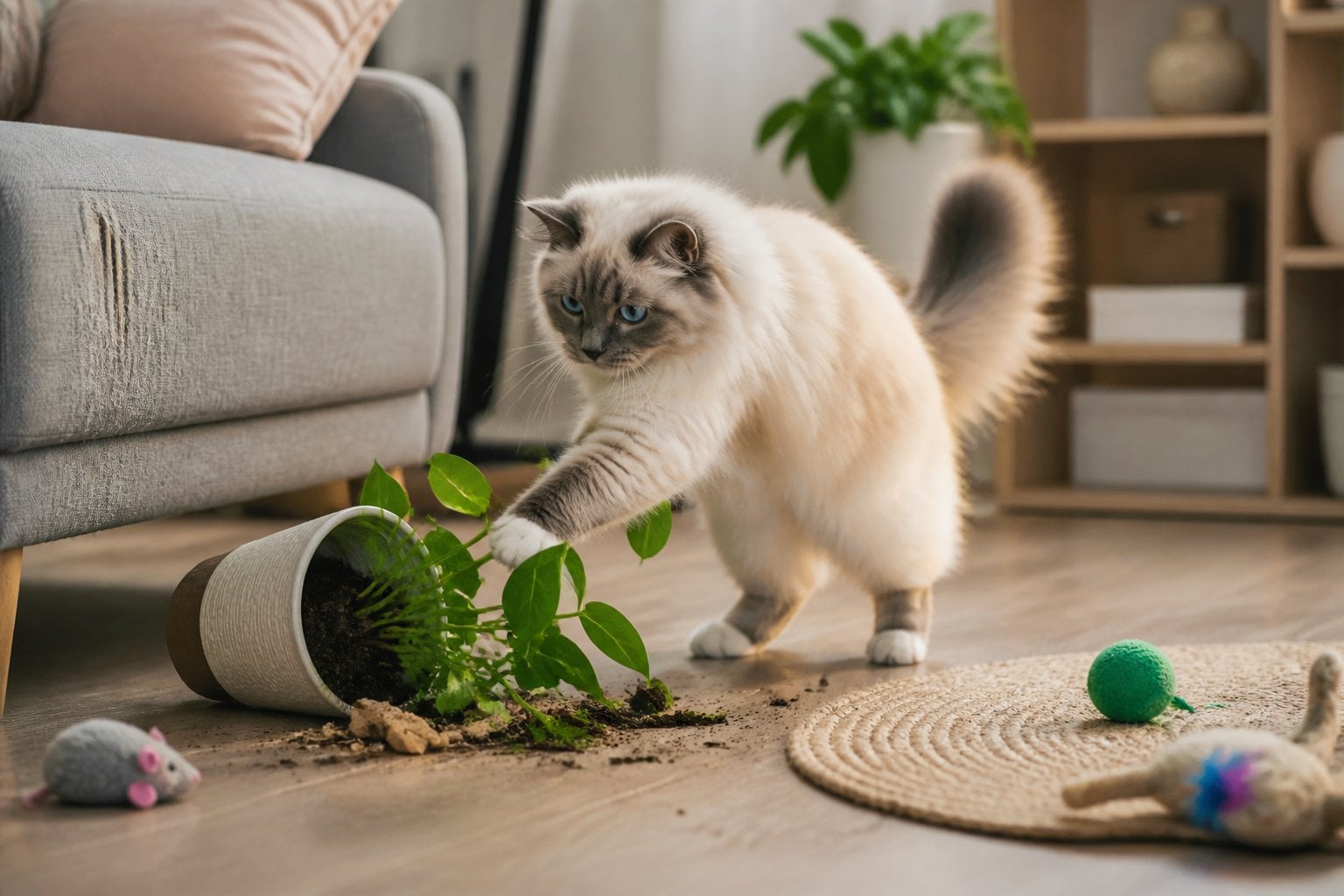
Ragdolls rank low on the destructive behavior scale compared to more high-energy breeds. Your Ragdoll is generally calm, docile, and content to lounge rather than tear through your home.
That said, destructive behavior can still show up. Separation anxiety affects some Ragdolls, and if you leave yours alone too long, you may notice scratching at doors or furniture.
Boredom is another trigger. Ragdolls need mental stimulation, and without toys or interaction, you might see them chewing on cords or knocking items off shelves.
Their laid-back nature also makes them prone to overeating and weight gain, which isn’t destructive to your home but affects their health. Providing scratching posts, regular playtime, and companionship keeps most Ragdolls from developing problem behaviors.
Compared to breeds like Bengals or Siamese, your Ragdoll poses minimal risk to your belongings when its basic needs are met consistently.
27. Maine Coon
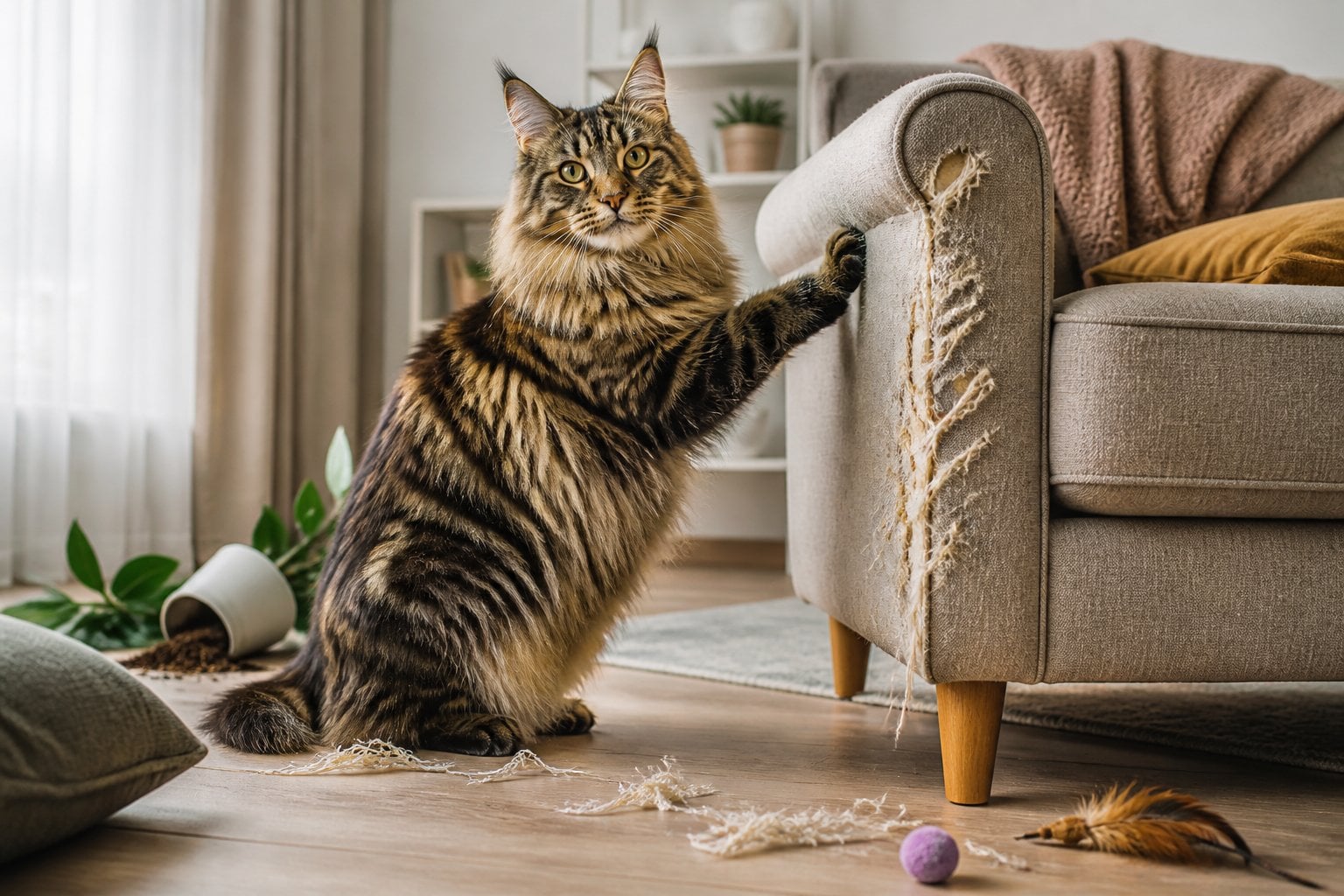
Maine Coons are large cats, often reaching 15 to 20 pounds, and their size alone means accidents happen more easily around your home.
You’ll find that a jump from a shelf or countertop carries more force than it would with a smaller cat, so items get knocked over more often.
These cats take three to five years to reach full maturity. That means you’re dealing with kitten-like energy and curiosity for far longer than you would with other breeds.
Boredom is a real trigger for destructive habits in this breed. Without enough playtime or mental stimulation, you may notice scratching, knocking objects off surfaces, or general mischief.
Their high activity level, paired with strength and size, makes childproofing and cat-proofing your space a genuine necessity rather than an option.
28. Norwegian Forest Cat
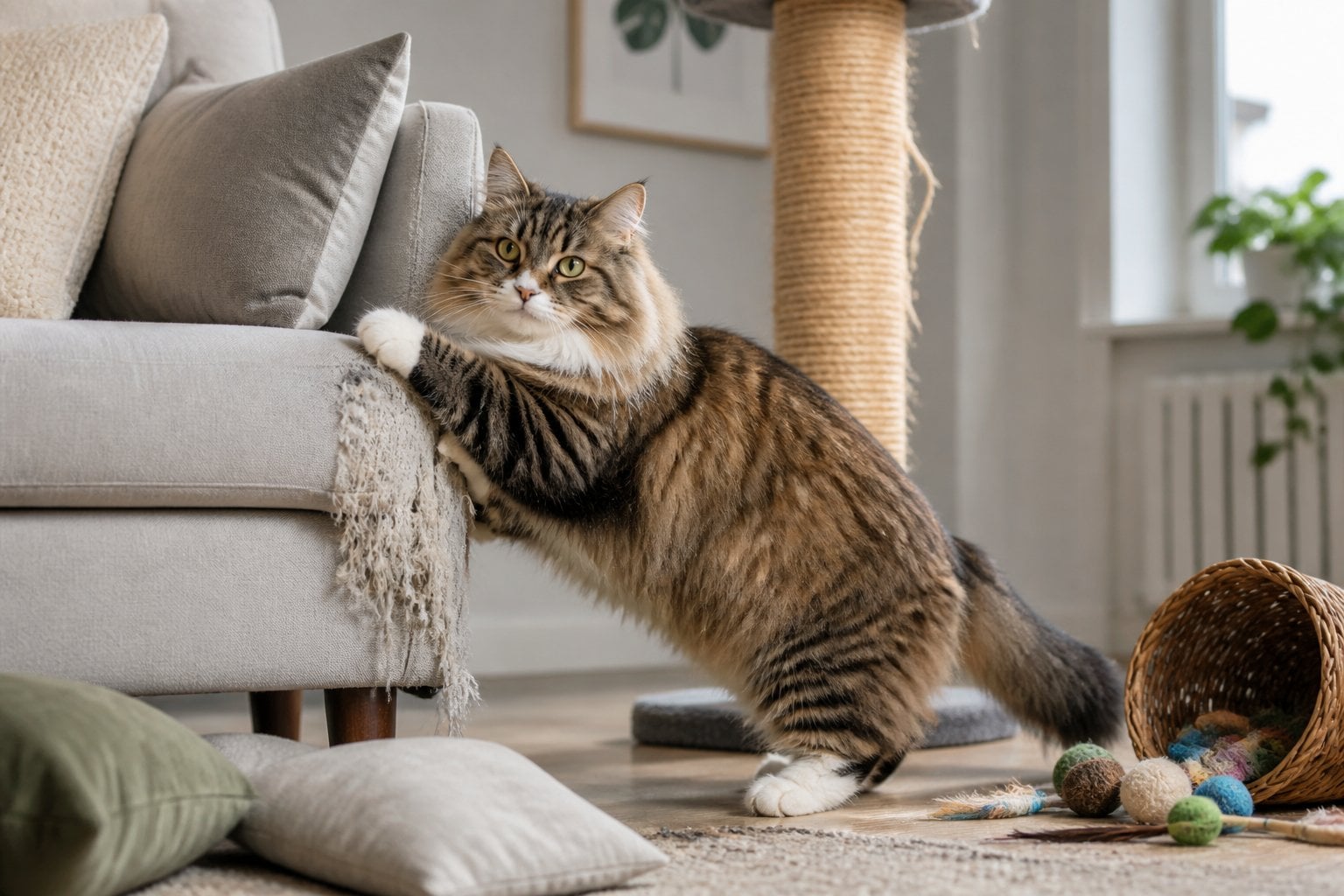
Norwegian Forest Cats are large, muscular animals bred to survive harsh climates. Weighing 12 to 16 pounds, you’ll find they need considerably more space than smaller breeds require.
Their size alone can lead to problems in confined living spaces. When these cats lack room to climb and explore, you may notice them redirecting that energy toward furniture, curtains, or shelving.
You’ll also need to manage their thick, double-layered coat with regular brushing. Skip grooming sessions, and mats can form, causing discomfort that sometimes triggers irritability or acting out.
Left alone for long stretches, your Norwegian Forest Cat may develop stress-related habits. Destructive scratching and excessive vocalization are common signs that this breed’s needs aren’t being met.
Providing vertical spaces, sturdy scratching posts, and consistent companionship helps offset these tendencies. Without them, you’re likely to see your furniture bear the consequences of this cat’s natural climbing instincts.
29. Turkish Van
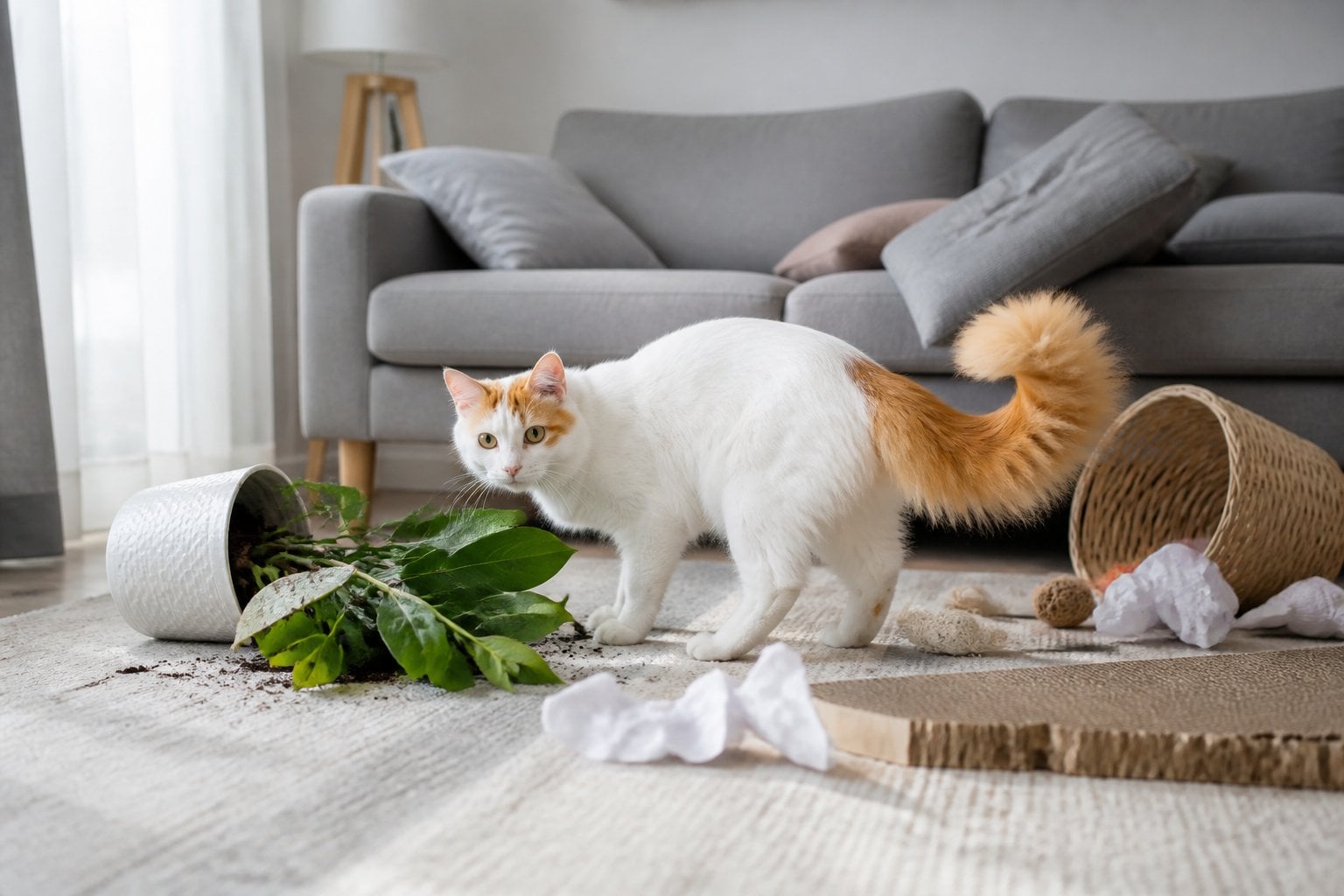
Turkish Vans are bold, curious, and constantly on the move. You’ll often find them exploring high shelves, cabinets, or anywhere else they can reach.
This breed is known for its unusual affinity for water, so don’t be surprised if yours investigates sinks, bathtubs, or dripping faucets. That curiosity extends to the rest of your home too.
Vans are also territorial. They tend to stare out windows for long periods and can become fixated on outdoor activity.
If their needs go unmet, boredom sets in quickly, and boredom in a Turkish Van often leads to mischief. You may notice knocked-over items, scratched furniture, or persistent attempts to get into closed rooms.
Giving your Van tall cat trees, scratching posts, and regular interactive play helps redirect that energy. Without enough stimulation, their intelligence and restlessness work against your household rather than for it.
30. Scottish Fold
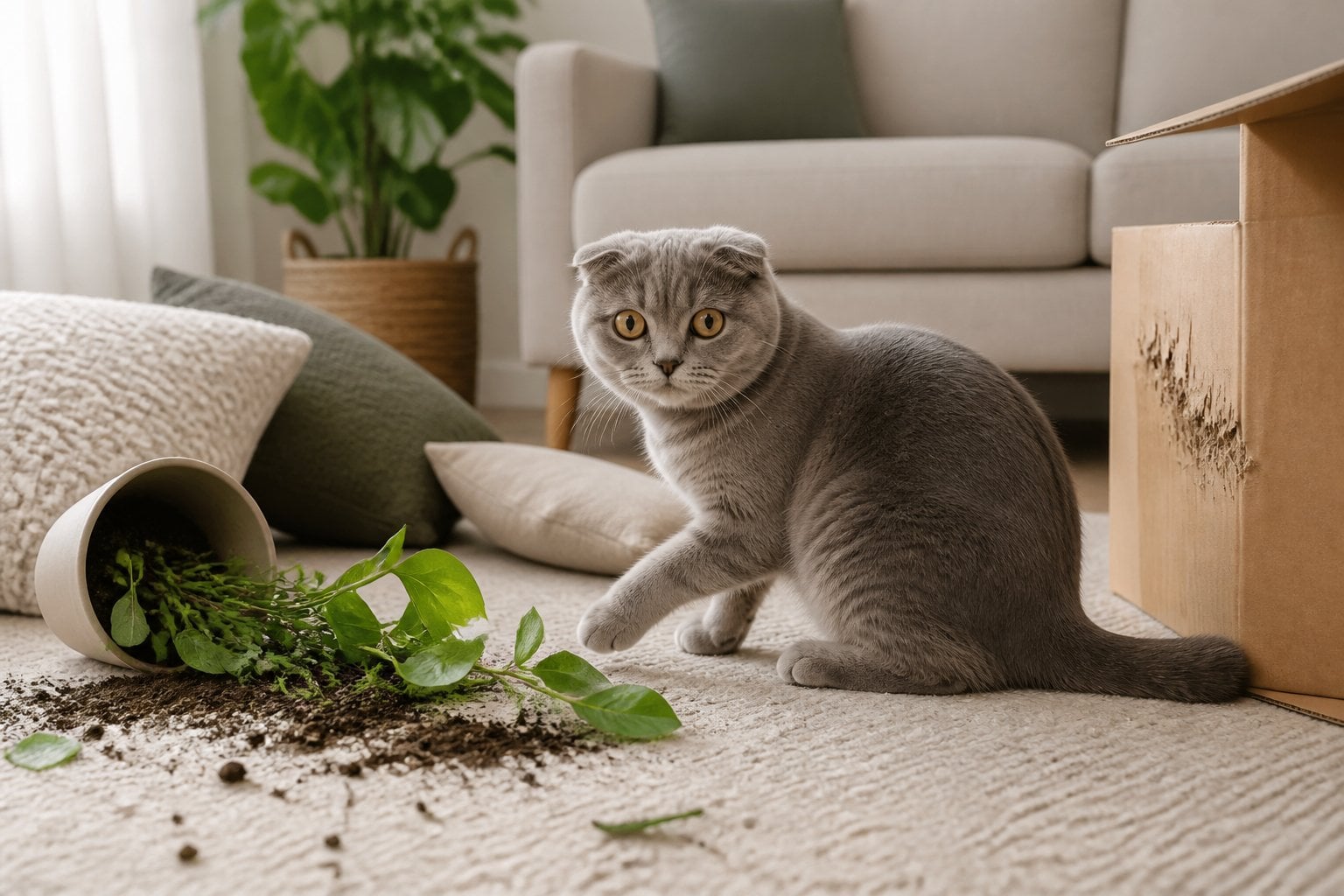
Scottish Folds don’t rank among the most destructive breeds, but their sensitivity to disruption can catch you off guard.
You’ll notice this most during major changes. New pets, moving homes, or a shift in your daily routine can unsettle them more than most cats.
Their response to stress often shows up as scratching furniture or chewing objects they normally ignore. This isn’t defiance. It’s a coping mechanism when their environment feels unpredictable.
You should also know that Scottish Folds carry a genetic mutation affecting cartilage, which can cause joint pain. Discomfort sometimes worsens irritability or restlessness, indirectly fueling destructive habits.
If your household is busy or prone to frequent changes, you’ll need to give this breed extra stability. Consistent routines and calm environments reduce the likelihood of stress-driven damage in your home.
Understanding Feline Destructive Behavior
Destructive behavior in cats stems from two main sources: instinct and environment. Some scratching and chewing is completely normal, while other damage points to unmet needs or an underlying health problem.
Normal Scratching, Chewing, And Climbing
Scratching is a biological necessity for your cat, not a behavior problem. It removes dead outer claw layers, marks territory through scent glands in the paws, and stretches the back and shoulder muscles.
Chewing and climbing serve similar functions. Kittens explore texture and taste through chewing, while climbing satisfies a instinct to survey territory from a height.
Your cat isn’t trying to ruin your furniture. It’s following programming inherited from wild ancestors who needed sharp claws and strong muscles to hunt.
You can redirect these behaviors without eliminating them:
- Provide vertical scratching posts near furniture your cat already targets
- Offer cat trees or shelving for climbing
- Rotate chew-safe toys to satisfy oral exploration
When Damage May Signal Stress Or Illness
Destructive behavior crosses into a warning sign when it becomes excessive, sudden, or targeted at unusual locations. A cat that starts shredding baseboards or chewing electrical cords may be experiencing anxiety, boredom, or a medical issue.
Separation anxiety often shows up as door-scratching or fabric destruction that happens only when you’re away. Dental pain, skin conditions, or gastrointestinal problems can also drive unusual chewing or licking behaviors.
If destructive behavior appears suddenly or intensifies, a veterinary visit rules out physical causes before you address it as purely behavioral.
Reducing Damage In The Home
Destructive behavior in high-energy or high-drive cat breeds usually stems from unmet physical, mental, or medical needs. Addressing these needs directly reduces scratching, chewing, and other damage.
Environmental Enrichment And Appropriate Outlets
Your cat needs multiple outlets for natural behaviors like scratching, climbing, and hunting. Without these, redirected energy often targets furniture, walls, and carpets.
Provide at least one scratching post per cat, plus one for your household. Place posts near furniture your cat already targets, and choose materials like sisal or cardboard based on your cat’s preference.
Vertical space matters as much as floor space. Cat trees, wall shelves, and window perches give climbers and jumpers a legitimate outlet.
Rotate toys weekly to maintain interest. Puzzle feeders and treat-dispensing toys satisfy hunting instincts and reduce boredom-driven destruction, especially in breeds like Bengals and Abyssinians.
Training, Routine, And Veterinary Support
Consistent daily play sessions, ideally two 15-minute sessions, burn excess energy before it becomes destructive. Schedule these at the same times each day to build predictability your cat can rely on.
Positive reinforcement training works better than punishment. Reward your cat immediately when it uses a scratching post or toy instead of furniture.
Rule out medical causes if destructive behavior appears suddenly. Your veterinarian can identify pain, anxiety, or cognitive issues that mimic or worsen destructive tendencies, particularly in older cats or those with a history of stress-related behavior.


