
The 30 Best Cat Foods Recommended By Veterinarians: A Complete Buying Guide
Choosing the right food for your cat can feel overwhelming with so many brands and formulas available. Veterinarians consider factors like nutritional completeness, ingredient quality, and how well a formula meets AAFCO or WSAVA guidelines before recommending a product to their clients.
This guide brings together 30 cat foods that veterinarians consistently recommend, based on nutritional science and feeding trial data rather than marketing claims. You will find options across dry, wet, and specialized formulas designed to support different life stages and health needs.
Your cat’s dietary requirements depend on factors such as age, activity level, and any existing health conditions. Understanding what veterinarians look for in a quality cat food can help you make a more informed decision for your pet.
If you also want to know which brands to skip, take a look at the 30 worst cat foods money can buy.
1. Hill’s Science Diet Adult Indoor Chicken Recipe
If your cat spends most of its time indoors, this formula addresses the specific challenges of that lifestyle. Real chicken is the first ingredient, giving your cat a reliable protein source to maintain lean muscle.
Indoor cats tend to be less active, so weight management matters. This recipe uses natural fiber blends to support healthy digestion and help control hairballs, a common issue for cats that groom frequently indoors.
You’ll also find DHA from fish oil included, which supports brain function. The kibble is backed by clinical research, and it’s one of the most vet-recommended options on the market.
Some reviewers note the inclusion of corn gluten meal and wheat, which may lower the ingredient quality score for owners seeking grain-free options. Still, for a balanced, research-backed daily diet, this recipe covers the core nutritional needs of adult indoor cats between one and six years old.
2. Royal Canin Feline Health Nutrition Adult Instinctive Wet Food
This formula meets AAFCO nutrient profiles for adult cat maintenance. It comes in thin slices or chunks in gravy, giving your cat variety in texture and taste.
You’ll find this option useful if your cat has become a picky eater over time. Royal Canin designed the recipe around feline eating instincts, which can help encourage cats who graze or eat inconsistently.
The formula supports a balanced ratio of proteins, fats, and carbohydrates. This balance helps address the tendency toward weight gain that many indoor adult cats face.
Each pouch offers a convenient portion size for daily feeding. You can serve it on its own or mix it with dry food, depending on your cat’s preferences.
Expect to pay between $0.55 and $0.80 per ounce for this wet food. Your cat’s specific caloric needs will determine how many pouches you’ll use each day.
3. Purina Pro Plan Complete Essentials Chicken and Rice Formula
This formula lists real chicken as the first ingredient. It’s designed to give your adult cat balanced daily nutrition without unnecessary fillers.
You’ll find live probiotics included to support your cat’s digestive health. This can be useful if your cat has a sensitive stomach or needs help maintaining regular digestion.
The recipe also contains antioxidants that support your cat’s immune system. Taurine is added as well, which helps maintain healthy vision and heart function.
You won’t find artificial colors or flavors in this food. Many veterinarians recommend it because it meets established nutritional standards for adult cats.
If you’re looking for a widely available, moderately priced option, this formula fits that need. It costs around $3.43 per pound, making it a practical choice if you want quality ingredients without paying premium prices.
4. Iams ProActive Health Adult Indoor Weight and Hairball Care
If your indoor cat has gained a little extra weight or struggles with hairballs, this formula addresses both issues at once. It contains L-carnitine, an ingredient that supports fat metabolism and helps overweight cats lose weight gradually.
You’ll find chicken or salmon as the first ingredient, depending on which variety you choose. A fiber blend with beet pulp and prebiotics works to reduce hairball formation before it starts, rather than simply managing symptoms after the fact.
This food is 100% complete and balanced for adult cats, so you can use it as an everyday meal rather than a supplement. Many owners report their cats take to the salmon recipe particularly well.
Since this is a dry kibble formula, you should make sure your cat has consistent access to fresh water. Adequate hydration matters more with dry food than wet varieties.
5. Purina ONE Tender Selects Blend With Real Chicken
Real chicken is the first ingredient in this formula. You get a mix of crunchy kibble and softer, meaty pieces in every bowl.
This food is complete and balanced for adult cats, backed by AAFCO feeding trials rather than lab analysis alone. That means the formula has actually been tested on cats, not just calculated on paper.
You’ll find prebiotic fiber included to support your cat’s digestive health. Omega-6 fatty acids are also present, which help maintain healthy skin and a shiny coat.
There are no artificial flavors or preservatives in this recipe. It contains zero fillers, so the ingredients are chosen for a specific nutritional purpose.
Many owners report high satisfaction rates, and it holds strong customer ratings online. Veterinarians often recommend it as a reliable, mid-range option, particularly for cats that are picky eaters or have sensitive stomachs.
6. Hill’s Science Diet Adult Perfect Weight Chicken Recipe
If your cat needs to shed a few pounds, this formula is built for that goal. Hill’s designed it specifically for weight management, using clinically studied nutrition rather than a simple calorie reduction.
In company research, over 70% of cats lost weight within 10 weeks when fed this diet as directed. You’ll find chicken listed as a key protein source, supporting muscle maintenance while calories stay controlled.
This recipe also works well for multi-cat households. Since it’s precisely balanced, you can feed it to cats of different weights and breeds without needing separate formulas.
You should still consult your veterinarian before switching your cat’s diet, especially if weight loss is medically necessary. They can confirm proper portions and help you track progress accurately.
For cat owners managing feline obesity, this option gives you a research-backed tool rather than guesswork.
7. Royal Canin Feline Health Nutrition Adult Dry Cat Food
Royal Canin Feline Health Nutrition Adult Dry Cat Food is built around life stage nutrition. Formulas exist for different age ranges, so your cat’s specific needs are addressed rather than treated with a one-size-fits-all approach.
You’ll find variations tailored to lifestyle factors, including indoor cats and more active outdoor cats. Each formula adjusts calorie content and ingredients based on your cat’s typical activity level.
The kibble is designed with size and shape in mind, making it easier for adult cats to pick up and chew. This attention to kibble design reflects the brand’s broader focus on precision over generic formulation.
Veterinarians often recommend Royal Canin because of its research-based approach to feline nutrition. If you’re looking for a dry food option grounded in science rather than trends, this line gives you a dependable starting point for your adult cat’s daily diet.
8. Purina Pro Plan LiveClear Adult Complete Essentials
This formula pairs Purina’s allergen-reducing LiveClear technology with a complete nutritional profile for adult cats. The recipe reduces Fel d 1, the primary allergen found in cat hair and dander, starting within three weeks of daily feeding.
You’ll find real chicken listed as the first ingredient, giving your cat a solid protein source to support lean muscle. The formula also includes natural prebiotic fiber, which helps maintain your cat’s digestive balance.
If you have allergies but still want to give your cat complete nutrition, this option addresses both needs without asking you to compromise. Essential vitamins and minerals round out the formula to meet AAFCO standards for adult maintenance.
Your cat gets antioxidants to support immune health, along with the protein levels typical of Pro Plan’s broader product line. For households managing allergy concerns, this recipe offers a practical, science-backed choice.
9. Hill’s Science Diet Adult Sensitive Stomach & Skin
If your cat vomits often, has inconsistent stools, or shows a dull, flaky coat, this formula addresses those issues directly. It’s built around prebiotic fiber and easily digestible ingredients, which help stabilize digestion in cats prone to stomach upset.
The chicken and rice recipe includes vitamin E and omega-6 fatty acids to support skin and coat health. You’ll notice this combination is specifically chosen to reduce inflammation and improve coat quality over time.
Hill’s also adds clinically studied antioxidants to support your cat’s immune system. This isn’t a niche or unusual product—it’s one of the most widely recommended options by veterinarians for cats with sensitivities.
You can choose between dry kibble, wet food, or variety packs that include tuna and salmon options. All formulas meet AAFCO standards for complete and balanced adult cat nutrition, so you don’t need to supplement further when feeding this as your cat’s primary diet.
10. Royal Canin Hairball Care Adult Dry Cat Food
If your cat grooms often and struggles with hairballs, this formula gives you a targeted option. It’s built for adult cats, using a specific blend of insoluble fibers to help move swallowed hair through the digestive tract instead of letting it sit in the stomach.
Dehydrated poultry protein serves as the main ingredient, giving you a concentrated, digestible source of animal protein. The formula contains around 34% crude protein and 15% fat, which supports lean muscle while meeting daily energy needs.
You can expect to see changes in hairball frequency within four to six weeks of consistent feeding. This isn’t an overnight fix, but a gradual dietary adjustment.
Veterinarians often recommend it for cats without other major health concerns. If your cat has additional digestive or skin issues, you may want to discuss alternatives with your vet first.
11. Purina Pro Plan Sensitive Skin & Stomach Turkey Formula
This formula uses turkey as the primary protein, paired with oat meal for easier digestion. You’ll find it’s built for cats that struggle with digestive upset or skin irritation, offering a gentler alternative to standard diets.
Oat meal replaces harsher grains, reducing the likelihood of stomach sensitivity. Omega-6 fatty acids and vitamin E work together to support your cat’s skin barrier and coat quality.
The formula includes probiotics specifically chosen to support gut flora balance. If your cat has a history of loose stools or vomiting after meals, this ingredient inclusion matters.
You should know this food falls into an average nutritional range compared to other options on the market. Protein and fat levels are adequate, though carbohydrate content runs higher than some competing sensitive-stomach formulas.
For cats with mild sensitivities rather than severe food allergies, this formula offers a practical, vet-recommended starting point.
12. Hill’s Science Diet Adult Oral Care
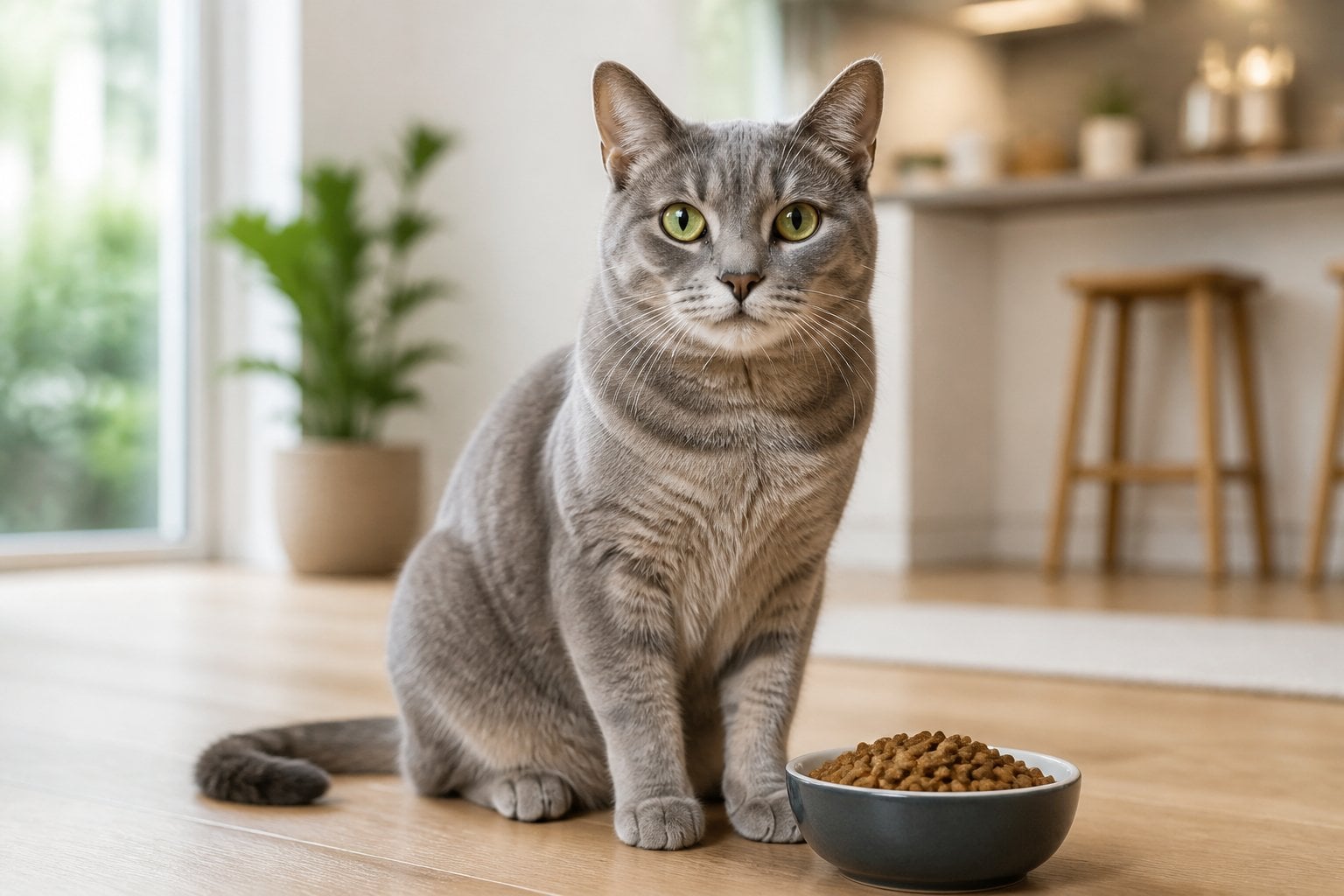
If your cat has plaque or tartar buildup, this formula is built to address it directly. The kibble is larger and designed with a specific texture that scrubs your cat’s teeth as it chews, rather than shattering on contact.
You’ll find the chicken and brown rice recipe formulated to meet AAFCO standards for adult maintenance. This means it delivers complete nutrition alongside its dental benefits, so you’re not sacrificing one for the other.
Hill’s develops this food with input from veterinarians, food scientists, and nutritionists, and the company holds strict standards for ingredient sourcing. This is also the most recommended cat food brand among US veterinarians, which adds a layer of trust if you’re choosing based on professional guidance.
Keep in mind this formula is meant for adult cats only. If your cat is pregnant, nursing, or still a kitten, you’ll want to look at Hill’s kitten-specific options instead.
13. Iams ProActive Health Healthy Kitten Recipe
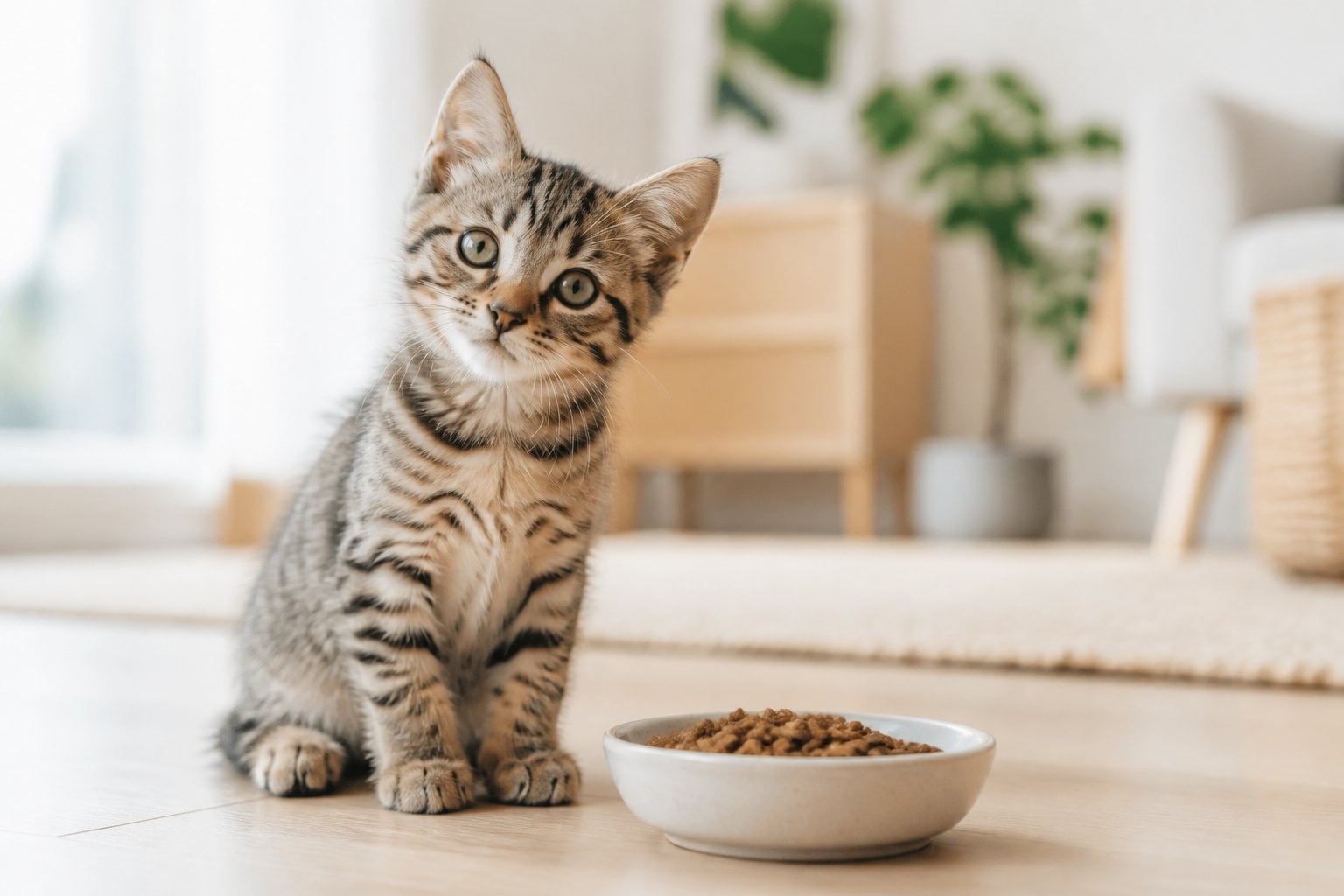
If you have a kitten under one year old, this formula is built for their early growth stage. Chicken is the first ingredient, giving your kitten a high-protein base to support developing muscles.
The kibble pieces are small, so they suit young mouths still learning to chew. You’ll also find prebiotics and fiber included to support digestion and help maintain firm stools.
This recipe includes calcium for bone development and a balance of omega fatty acids for skin and coat health. It meets AAFCO nutrient profiles for growth, so you can use it as a complete and balanced option during your kitten’s first year.
Many kittens take to the taste and texture right away, which can make transitions to solid food easier. If you’re looking for a widely available, veterinarian-recommended option backed by decades of formulation research, this recipe is worth considering.
14. Royal Canin Feline Health Nutrition Kitten Dry Food
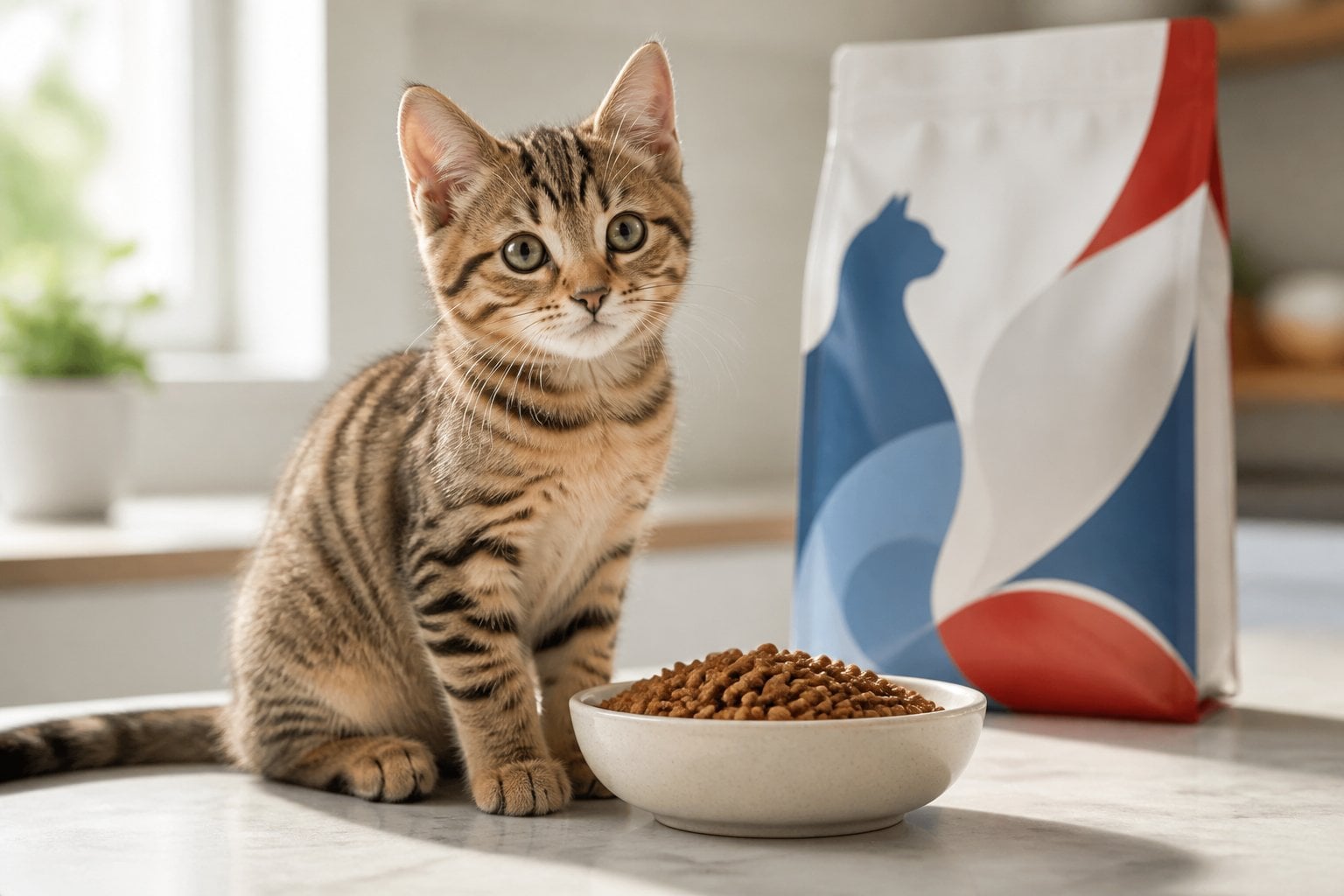
This formula targets kittens between 4 months and 1 year old, a stage when your kitten’s energy needs shift as bones and muscles develop rapidly. It provides an adapted balance of protein, vitamins, and minerals suited to this growth window.
The kibble is designed with your kitten’s smaller jaw and developing teeth in mind, making it easier to chew and digest. You’ll notice this food supports digestive health alongside growth, which matters since kittens can be sensitive to abrupt dietary changes.
At roughly $6 per pound, it sits in the mid-to-upper price range for kitten-specific dry food. You’ll find this brand widely recommended by veterinarians, partly because its formulas are backed by targeted nutritional research rather than general marketing claims.
If you’re looking for a growth-stage food with veterinary backing, this option meets that standard without unnecessary additives or fillers.
15. Purina Pro Plan Development Kitten Chicken Formula
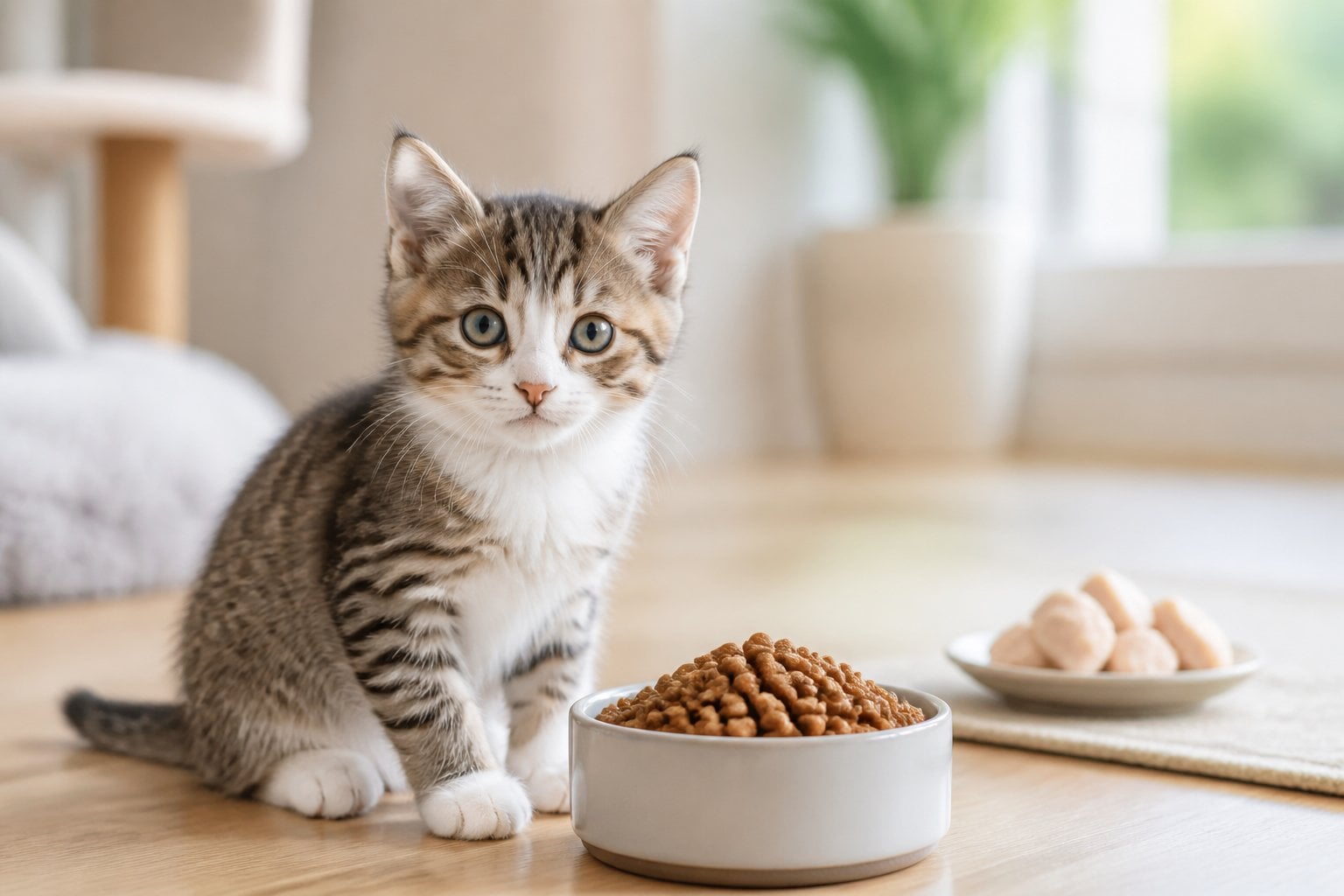
This formula uses chicken as the first ingredient, giving your kitten a protein source to support muscle growth during the first year. DHA is included to support brain and vision development, which matters most in these early months.
You’ll also find live probiotics in every serving, helping support your kitten’s developing digestive system. The kibble size is smaller than adult Pro Plan pieces, so it’s easier for young jaws to chew.
The recipe includes 25 vitamins and minerals, including taurine for eye and heart health. Antioxidants are added to support immune function while your kitten is still building natural defenses.
Veterinary nutritionists are involved in formulating this line, and it’s backed by AAFCO feeding trials. You can choose this formula with confidence if you want a widely recommended option with a solid nutritional track record.
16. Hill’s Science Diet Kitten Chicken Recipe
This dry food targets the energy and developmental needs of growing kittens. Chicken is the primary ingredient, providing protein to support muscle growth.
You’ll find calcium and phosphorus levels formulated for bone development, alongside DHA to support brain and eye development. The formula also includes antioxidants intended to strengthen your kitten’s immune system.
Hill’s employs veterinary nutritionists in developing its formulas, and this recipe has passed AAFCO feeding trials. That means it’s been tested to provide complete and balanced nutrition for kittens, as well as pregnant or nursing adult cats.
If your kitten needs steady energy for growth and play, this recipe delivers a calorie density suited to that stage of life. You can also find an indoor-specific version if your cat’s lifestyle calls for it.
Pricing sits in the mid-range for premium kitten food, reflecting the brand’s research-driven approach.
17. Royal Canin Mother & Babycat Dry Food
If you have a pregnant or nursing cat, this formula is built specifically for that stage. It also works for kittens between one and four months old, covering the gap between weaning and solid food.
The kibble is small and easy to chew, which matters when your kitten’s teeth are still developing. You’ll notice it’s designed to soften quickly, helping with the transition away from mother’s milk.
Protein content sits around 34%, sourced from dehydrated poultry and hydrolyzed animal proteins. This supports muscle development in growing kittens and meets the higher energy demands placed on a nursing queen.
You should know this food meets AAFCO nutrient profiles for both growth and reproduction life stages. That means you’re covered whether you’re feeding the mother or her litter from the same bag.
Digestibility is a priority here, since young kittens can struggle with sudden dietary changes.
18. Purina ONE Healthy Kitten Formula
Purina ONE Healthy Kitten Formula is built around real chicken as the first ingredient, giving your kitten a protein-focused diet during a period of rapid growth. It meets AAFCO nutrient profiles for growth, as well as gestation and lactation, so it works for pregnant or nursing cats too.
You’ll find DHA included in the formula, a nutrient naturally present in mother’s milk that supports brain and vision development. This makes it a practical option if you’re transitioning your kitten off nursing.
The formula has gone through AAFCO feeding trials rather than relying solely on lab-based nutrient analysis. This means real animals were tested to confirm the food supports healthy growth, giving you more confidence in its performance.
You won’t need to add extra vitamins or supplements when feeding this formula, unless your vet recommends otherwise. It’s formulated to stand on its own as a complete diet for your kitten’s early life stage.
19. Hill’s Prescription Diet c/d Multicare Urinary Care
If your cat has struggled with urinary tract issues, this vet-formulated diet targets that specific concern. It’s designed to reduce recurrence of common lower urinary tract signs, with clinical testing behind that claim.
You’ll find controlled levels of magnesium, calcium, and phosphorus in the formula. These adjustments help limit the minerals that contribute to struvite and calcium oxalate crystal formation.
This food also supports dissolution of existing struvite stones, which can spare your cat from surgical intervention. That’s a meaningful benefit if you’re trying to avoid more invasive treatment options.
You can choose between dry and wet formulas, and there’s also a version combined with metabolic support if your cat needs help managing weight alongside urinary health. Since this is a prescription diet, you’ll need veterinary authorization before feeding it to your cat.
Talk to your vet about whether this diet matches your cat’s specific urinary health needs before making the switch.
20. Royal Canin Urinary Care Adult Dry Cat Food
If your cat has a history of urinary tract issues, this formula is worth discussing with your vet. It’s designed to support healthy urine concentration by regulating mineral balance and maintaining lower urinary pH levels.
This recipe sits in Royal Canin’s Care line, which falls between a prescription diet and a standard non-therapeutic formula. You don’t need a vet’s prescription to purchase it, but you should still consult your veterinarian before switching your cat’s diet.
Because it’s a dry kibble, it won’t add much moisture to your cat’s diet. If hydration is a concern for your cat’s urinary health, you may want to pair it with wet food or encourage more water intake.
Royal Canin has received a 2-star rating from the Cat Food Advisor, reflecting mixed opinions on its ingredient quality compared to therapeutic alternatives.
21. Purina Pro Plan Urinary Tract Health Chicken Formula
If your cat has a history of urinary tract issues, this formula gives you a practical dietary option. It’s made with real chicken as the primary ingredient and contains no artificial colors or flavors.
This diet is formulated to support your cat’s urinary tract health through balanced mineral content, which helps maintain an environment less conducive to crystal formation. You’ll find it available in both dry and wet varieties, including a chicken entrée in gravy option that many cats find appealing.
The formula meets AAFCO standards for complete and balanced adult cat nutrition, so you’re not sacrificing overall nutritional quality for urinary support. It also includes added nutrients that support your cat’s immune function and energy metabolism.
Keep in mind this is a maintenance formula, not a prescription diet. If your cat has diagnosed crystals or stones, you’ll want to discuss veterinary-specific options with your vet first.
22. Hill’s Prescription Diet k/d Kidney Care
Hill’s Prescription Diet k/d Kidney Care is formulated to support cats with chronic or temporary renal insufficiency. It contains reduced phosphorus and controlled, high-quality protein levels designed to ease the workload on your cat’s kidneys.
This food includes ActivBiome+ Kidney Defense, a prebiotic blend intended to support the gut microbiome and help protect kidney function. If your cat has experienced a decline in appetite due to reduced kidney function, this formula also includes ingredients meant to encourage food intake.
You’ll find k/d available in dry and wet formats, with options like chicken, tuna, and other flavors. This variety gives you flexibility if your cat is a selective eater.
Since this is a prescription diet, you’ll need veterinary guidance to determine whether it’s the right fit. Your vet can also monitor your cat’s kidney values to track how well the diet supports long-term management.
23. Royal Canin Renal Support Adult Dry Cat Food
This is a veterinary-exclusive dry food designed to support kidney health in adult cats. You’ll need veterinary supervision to access it, and it works best when introduced early in the management of chronic kidney disease.
The formula uses restricted phosphorus levels and targeted protein to reduce strain on your cat’s kidneys. It also includes fatty acids from fish oil and an antioxidant complex to help support overall wellness during treatment.
You have several variations to choose from, including options labeled Aromatic or Savory, which are formulated to appeal to cats with reduced appetites. This flexibility lets you find a texture and flavor your cat will actually eat, which matters when kidney disease affects palatability.
Because this food is energy-dense, your cat can meet nutritional needs with smaller portions. If you’re transitioning from another diet, a gradual seven-day switch is recommended to help your cat adjust without digestive upset.
24. Purina Pro Plan Veterinary Diets NF Kidney Function
If your cat has been diagnosed with kidney disease, this is one of the most commonly prescribed diets by veterinarians. It comes in both Early Care and Advanced Care formulas, so you can match the food to your cat’s specific stage of kidney function.
You’ll notice this food has reduced protein and restricted phosphorus levels. These adjustments are designed to lower the workload placed on your cat’s kidneys while still supporting muscle mass.
You can choose between dry and wet options, depending on what your cat prefers or what your vet recommends. Many formulas also include prebiotic fiber, which supports a healthy digestive tract.
Since this is a prescription diet, you’ll need veterinary approval before purchasing it. Your vet can help you determine the right formula and feeding amount based on your cat’s specific bloodwork and kidney disease stage.
25. Hill’s Prescription Diet Gastrointestinal Biome
If your cat struggles with digestive upset, this prescription diet targets the problem directly. It uses ActivBiome+ technology, a proprietary ingredient system designed to support your cat’s gut microbiome and promote regular, healthy stool.
You can expect results relatively quickly. Hill’s states this formula is clinically shown to help promote healthy stool consistency in as little as 24 hours.
The food contains highly digestible ingredients, along with increased fiber content. This combination helps address intestinal absorption issues and supports cats dealing with maldigestion.
You’ll need a veterinary prescription to purchase this diet, since it’s formulated for cats with diagnosed GI conditions rather than general maintenance. Your vet can determine whether this specific formula matches your cat’s needs.
For cats experiencing recurring digestive episodes, this diet aims to reduce the likelihood of future flare-ups. It’s worth discussing with your veterinarian if your cat has ongoing gastrointestinal sensitivity.
26. Royal Canin Gastrointestinal Adult Dry Cat Food
If your cat deals with digestive sensitivities, this veterinary diet is designed to address that specific need. It requires a prescription from your veterinarian, so you’ll need to confirm your cat’s diagnosis before purchasing.
The formula includes highly digestible proteins to reduce strain on your cat’s digestive system. It also contains a blend of fibers, including prebiotics, that support a healthy gut microbiome.
You’ll notice added omega-3 fatty acids like EPA and DHA in the ingredient list. These support overall digestive function alongside the fiber blend.
This food is calorie-dense, so your cat can meet nutritional needs with smaller portions. That can be useful if your cat has a reduced appetite due to gastrointestinal issues.
The recipe meets AAFCO standards for adult cat maintenance. Talk to your veterinarian before switching your cat to this diet, since it’s formulated for specific digestive conditions rather than general use.
27. Purina Pro Plan Veterinary Diets EN Gastroenteric
If your cat has digestive issues, this formula is worth discussing with your vet. It’s designed for cats dealing with gastrointestinal conditions and offers an energy-dense formula that supports recovery.
You’ll find it in both dry and wet varieties, including gravy-based options for cats that need extra encouragement to eat. The high digestibility helps your cat absorb nutrients more efficiently when their GI system isn’t functioning normally.
This diet also supports urinary health, giving you added value beyond digestive care. It’s formulated to provide complete and balanced nutrition for both kittens and adult cats.
Since this is a therapeutic diet, you’ll need a veterinary prescription before feeding it to your cat. Your vet can help you determine the right feeding amounts based on your cat’s specific condition and weight goals.
28. Hill’s Prescription Diet Metabolic Weight Management
This is a veterinary prescription food designed specifically for cats that need to lose weight or maintain a healthy weight long-term. You’ll need your vet to sign off on it before purchase, since it’s formulated as a clinical nutrition product rather than an over-the-counter diet.
The formula works by targeting your cat’s individual metabolism, rather than relying solely on calorie restriction. This approach is meant to help your cat feel satisfied while still losing excess weight.
Reported results show that a majority of cats fed this diet lost weight within two months. Protein content sits around 33%, with roughly 14.5% fiber to support fullness between meals.
If your vet has flagged weight as a health concern for your cat, this option gives you a structured, monitored path forward. You’ll want to follow your vet’s specific feeding guidelines, since portion control plays a role in how effective the diet is for your cat.
29. Royal Canin Satiety Weight Management
This is a veterinary-exclusive diet, so you’ll need a prescription from your vet before you can buy it.
It’s built specifically for overweight or obese cats. The high fiber content helps keep your cat feeling full between meals, which can reduce begging and persistent meowing for food.
You’ll find both dry and canned versions available, giving you flexibility depending on your cat’s preferences. Royal Canin’s research indicates this formula helps manage begging behavior in a majority of cats during their weight loss period.
If you decide to switch your cat to this food, do it gradually. Mix it with your cat’s current diet over several days to avoid digestive upset.
Since this is a therapeutic diet, you should work closely with your vet to monitor your cat’s progress and adjust the feeding plan as needed.
30. Purina Pro Plan Veterinary Diets OM Overweight Management
If your cat is overweight or obese, this veterinary diet is designed to help you address the problem directly. It requires veterinarian authorization, so you’ll need a prescription before you can purchase it.
The formula uses a high protein-to-calorie ratio, which helps your cat lose fat while keeping lean muscle mass intact. It’s also low in fat and calories, with added fiber to support satiety during weight loss.
You’ll find this diet also promotes a healthy urinary system, giving you an added benefit beyond weight management. Both wet and dry options are available, so you can choose what works best for your cat’s preferences.
Purina developed this formula through collaboration between nutritionists, researchers, and veterinarians. If your vet has flagged your cat’s weight as a concern, this product gives you a science-backed option to discuss.
How To Choose a Nutritionally Complete Cat Food
A nutritionally complete cat food matches your cat’s age and health status, provides an appropriate balance of moisture and macronutrients, and carries proof of testing or formulation to recognized standards. Reading the label carefully will tell you more than marketing claims on the packaging.
Life-Stage Nutrition and AAFCO Statements
Every commercial cat food should include an AAFCO Nutritional Adequacy Statement on the label. This tells you whether the food is formulated for growth (kittens), adult maintenance, or all life stages.
Kittens need higher protein and fat levels to support growth, while senior cats often benefit from formulas adjusted for slower metabolism or joint support. Feeding an all-purpose formula works for many healthy adult cats, but it may not meet the specific demands of a growing kitten or an aging cat with reduced kidney function.
Look for the phrase “complete and balanced” paired with the specific life stage. You should also check whether the statement indicates the food was tested through feeding trials or formulated to meet AAFCO nutrient profiles, since the two methods differ in verification.
Wet, Dry, and Mixed Feeding Considerations
Wet food typically contains 70-80% moisture, which supports hydration and urinary tract health. Dry food contains around 10% moisture and offers convenience, longer shelf life, and lower cost per serving.
Cats descended from desert-dwelling ancestors and often have a low thirst drive, so moisture-rich diets can help prevent issues like urinary crystals. Many vets suggest a mixed feeding approach:
- Wet food for hydration and often higher protein content
- Dry food for convenience, dental benefits from chewing, and free-feeding flexibility
- Combination feeding to balance cost, convenience, and moisture intake
Your cat’s individual preferences, dental health, and any medical conditions such as kidney disease or obesity should guide the ratio you choose.
Protein, Fat, Fiber, and Moisture Needs
Cats are obligate carnivores, meaning they require animal-based protein to meet essential amino acid needs, including taurine, which supports heart and eye health. Look for a named animal protein, such as chicken, turkey, or salmon, listed as the first ingredient.
Adult maintenance formulas generally contain at least 26% protein and 9% fat on a dry matter basis, though active cats or kittens need higher levels. Fiber content, usually between 1-4%, supports digestion without displacing more essential nutrients.
Moisture content varies widely between wet and dry formulas, so factor this into your cat’s total daily water intake. Checking the guaranteed analysis panel alongside the ingredient list gives you a clearer picture of whether a formula meets your cat’s specific nutritional requirements.
Working With Your Veterinarian on Your Cat’s Diet
Your cat’s nutritional needs change based on age, health conditions, and body condition, so regular veterinary input helps you adjust the diet accordingly. A veterinarian can identify issues like weight gain, food sensitivities, or medical conditions that require a specific nutritional approach.
Managing Weight, Allergies, and Sensitive Stomachs
If your cat is overweight, your vet can calculate a target calorie range and recommend a weight management formula with controlled fat content and added fiber. These diets help your cat feel full while losing weight gradually and safely.
For food allergies or sensitivities, your vet may suggest an elimination diet using a novel protein (like duck or venison) or a hydrolyzed protein formula. This process typically takes 8-12 weeks to identify the trigger ingredient.
Cats with sensitive stomachs often benefit from diets with:
- Limited ingredient lists
- Highly digestible proteins
- Added prebiotics or probiotics
- Reduced fat content
Your vet can also run bloodwork to rule out underlying conditions like inflammatory bowel disease before recommending a specific formula.
When Prescription Diets May Be Appropriate
Prescription diets are formulated for specific medical conditions and require veterinary approval to purchase. Your vet may recommend one if your cat has kidney disease, urinary crystals, diabetes, or chronic gastrointestinal issues.
These diets contain precise nutrient ratios that manage disease progression—for example, renal formulas limit phosphorus and protein to reduce strain on the kidneys. Urinary formulas adjust mineral content and pH to help dissolve or prevent certain types of crystals.
You shouldn’t switch your cat to a prescription diet without veterinary guidance, since these formulas aren’t appropriate for healthy cats. Your vet will also want to monitor your cat’s progress through follow-up exams and bloodwork to confirm the diet is working as intended.
Safe Food Transitions and Portion Control
Switching foods too quickly can cause vomiting, diarrhea, or your cat refusing to eat. Your vet will likely recommend a gradual transition over 7-10 days, mixing increasing amounts of the new food with the old.
Your vet can also help you determine correct portion sizes based on your cat’s weight, activity level, and body condition score. Overfeeding, even with high-quality food contributes to obesity, so measuring meals with a kitchen scale or measuring cup is more accurate than estimating by eye.


