
The 30 Worst Cat Foods Money Can Buy: Brands to Avoid for Your Feline’s Health
Choosing the right food for your cat directly impacts their long-term health, energy levels, and quality of life. The pet food market is crowded with brands making nutritional claims, but not all products deliver what cats actually need as obligate carnivores.
Many popular and widely available cat foods contain low-quality ingredients, excessive carbohydrates, and questionable additives that can compromise your pet’s wellbeing.
Understanding which cat foods fall short on nutritional standards helps you make better purchasing decisions and avoid products that may harm your cat over time.
This guide examines specific brands and formulations that consistently rank among the poorest choices due to ingredient quality, protein content, and manufacturing practices. You’ll learn what makes certain cat foods problematic and how to identify red flags on labels.
The brands and products discussed range from budget options to premium-priced formulas that fail to meet feline dietary requirements. By recognizing these inferior products, you can steer toward alternatives that better support your cat’s health needs.
If you’d rather start with the good stuff, see the 30 best cat foods recommended by veterinarians.
1. Purina ONE Tender Selects Blend Dry Cat Food
Purina ONE Tender Selects Blend receives a 2.5-star rating from Cat Food Advisor, placing it in the below-average category for cat nutrition. The product contains chicken as its first ingredient, but you’ll find concerning fillers like rice flour and corn gluten meal high on the ingredient list.
These bulk-adding ingredients serve no nutritional purpose for your cat. The formula contains excessive carbohydrates, which cats don’t require as obligate carnivores.
The ingredient list also includes beef fat and corn gluten meal, which may trigger sensitivities in some cats. Between November 2023 and April 2024, the FDA received approximately 1,300 adverse event reports for various Purina pet foods, though their investigation didn’t establish direct causation.
While the food contains added vitamins and minerals, the heavy reliance on plant-based fillers makes this a questionable choice for your cat’s primary nutrition.
2. Purina Cat Chow Complete Dry Formula
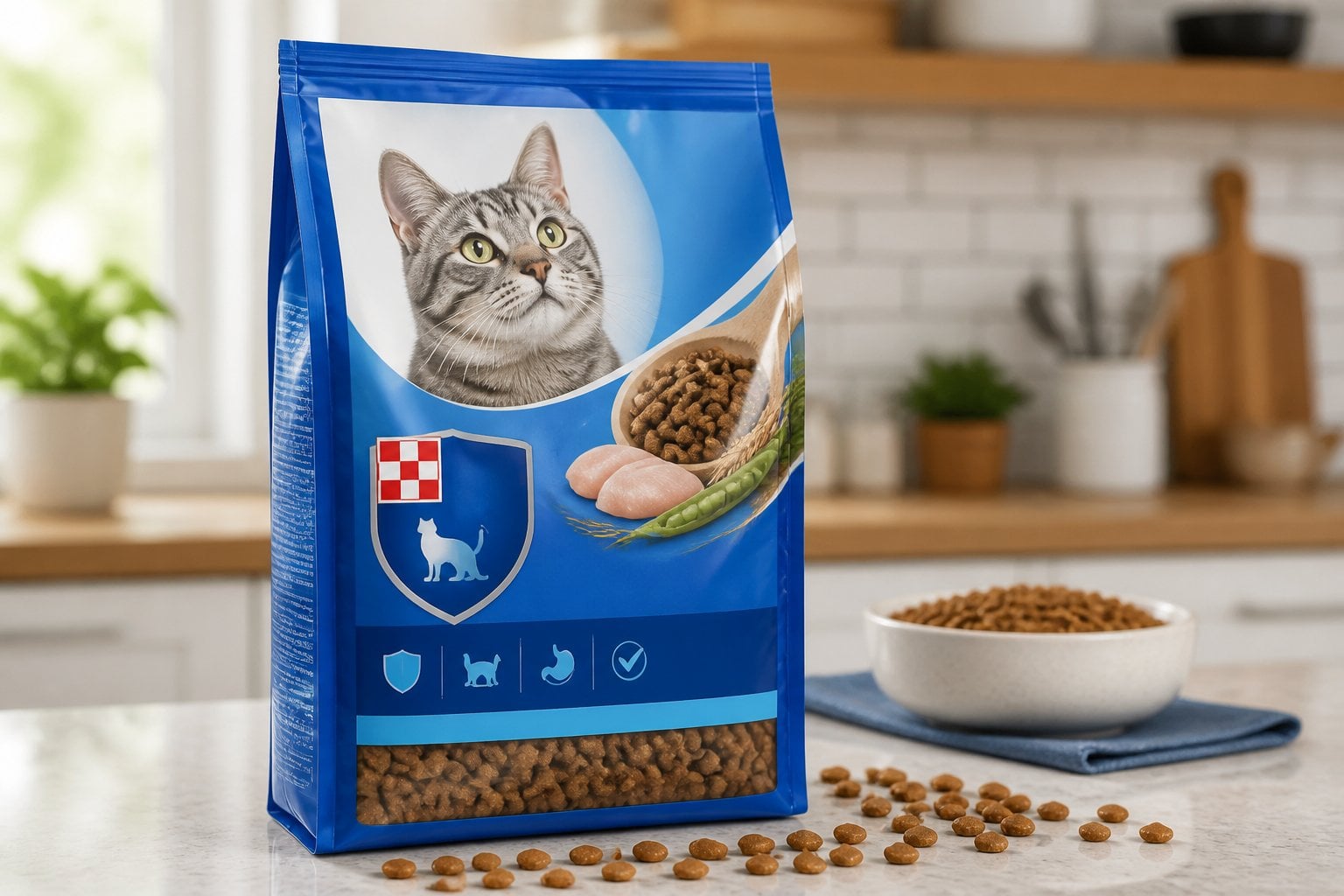
Purina Cat Chow Complete relies heavily on low-quality protein sources that don’t provide optimal nutrition for your cat. The formula uses chicken by-product meal as a primary protein source instead of whole meat. By-products are parts of the animal not typically consumed by humans, offering less biological value than named meat sources.
The recipe contains multiple plant-based fillers including corn gluten meal, wheat, rice, and soy flour. These ingredients provide little nutritional benefit to obligate carnivores like cats. Your cat needs animal-based proteins to thrive, not grain-heavy formulas.
While the food does include 25 vitamins and minerals to meet basic nutritional requirements, the ingredient quality remains questionable. The product line averages just 2.5 stars in independent reviews. Budget-friendly pricing doesn’t compensate for substandard ingredients that may not support your cat’s long-term health needs.
3. Purina Beyond Simply Natural Dry Cat Food
Purina Beyond markets itself as a natural option with purposeful ingredients, but the formula falls short of premium cat food standards. The product line receives only 3 out of 5 stars from independent reviewers, indicating moderate quality at best.
The main concern is the heavy reliance on plant-based proteins and carbohydrates. Cats are obligate carnivores requiring meat-based nutrition, yet this formula uses significant plant fillers to boost protein content artificially.
While Purina Beyond excludes corn, wheat, and soy, it still contains processed ingredients that don’t align with your cat’s biological needs. The price point positions it as a premium option, but the ingredient quality doesn’t justify the cost.
You can find better alternatives that provide higher-quality animal proteins and fewer unnecessary fillers. Your cat deserves food that matches their carnivorous requirements rather than marketing claims about natural ingredients.
4. Royal Canin Indoor Adult Dry Cat Food
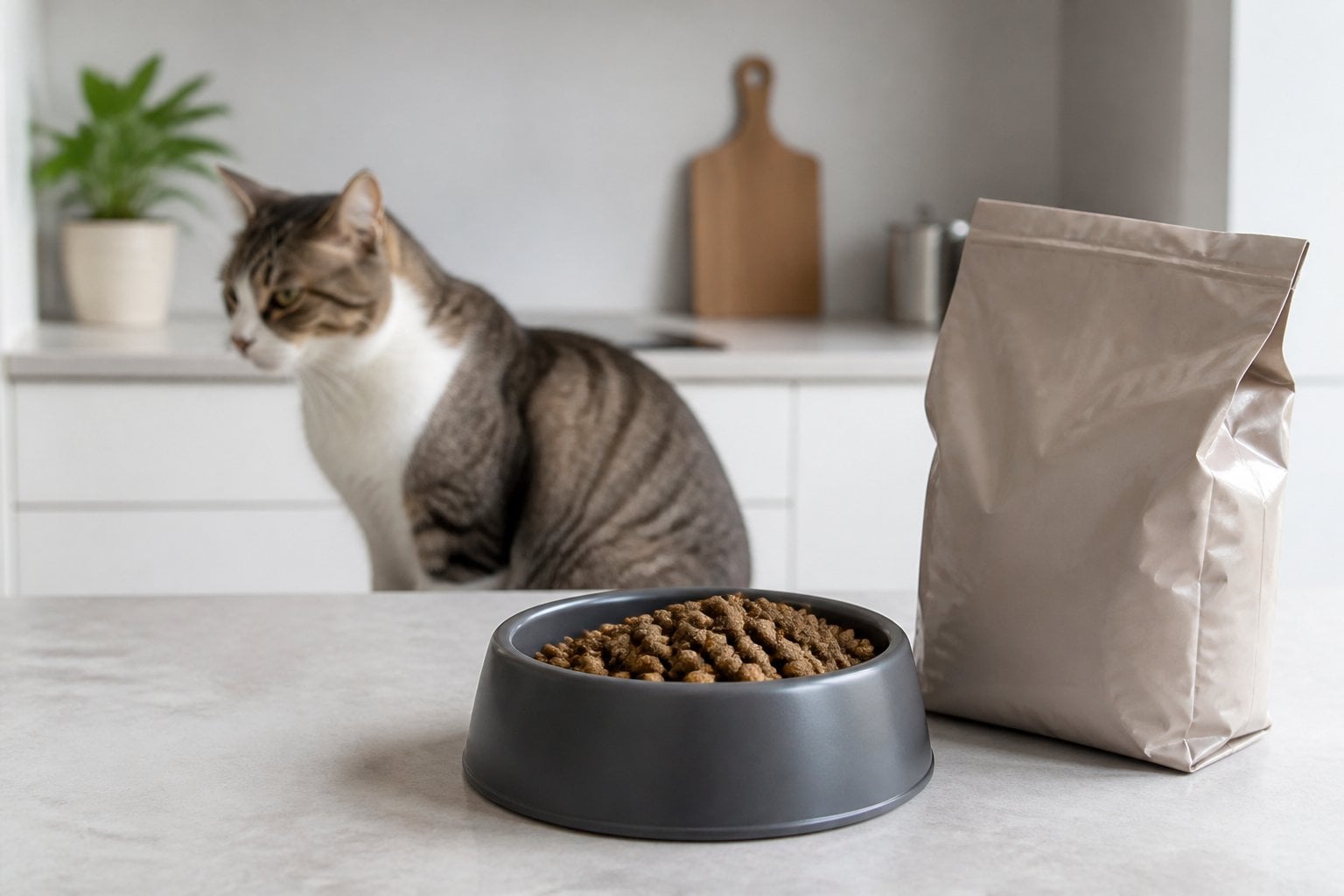
Royal Canin Indoor Adult markets itself as specially formulated for indoor cats, with features like hairball control and reduced calories. Despite its veterinary endorsements and widespread availability, the ingredient quality raises significant concerns.
The formula relies heavily on by-product meals and grain fillers like corn and wheat as primary ingredients. These ingredients offer less nutritional value compared to whole meat proteins that cats need as obligate carnivores.
Independent reviewers consistently rate this product poorly, with many giving it 2 to 2.5 stars out of 5. The high proportion of grains and by-products doesn’t justify its premium price point.
While Royal Canin offers breed-specific and health-targeted formulas, the base ingredient quality remains problematic. You can find better options at similar or lower prices that provide higher-quality protein sources without excessive grain fillers.
5. Royal Canin Kitten Dry Food
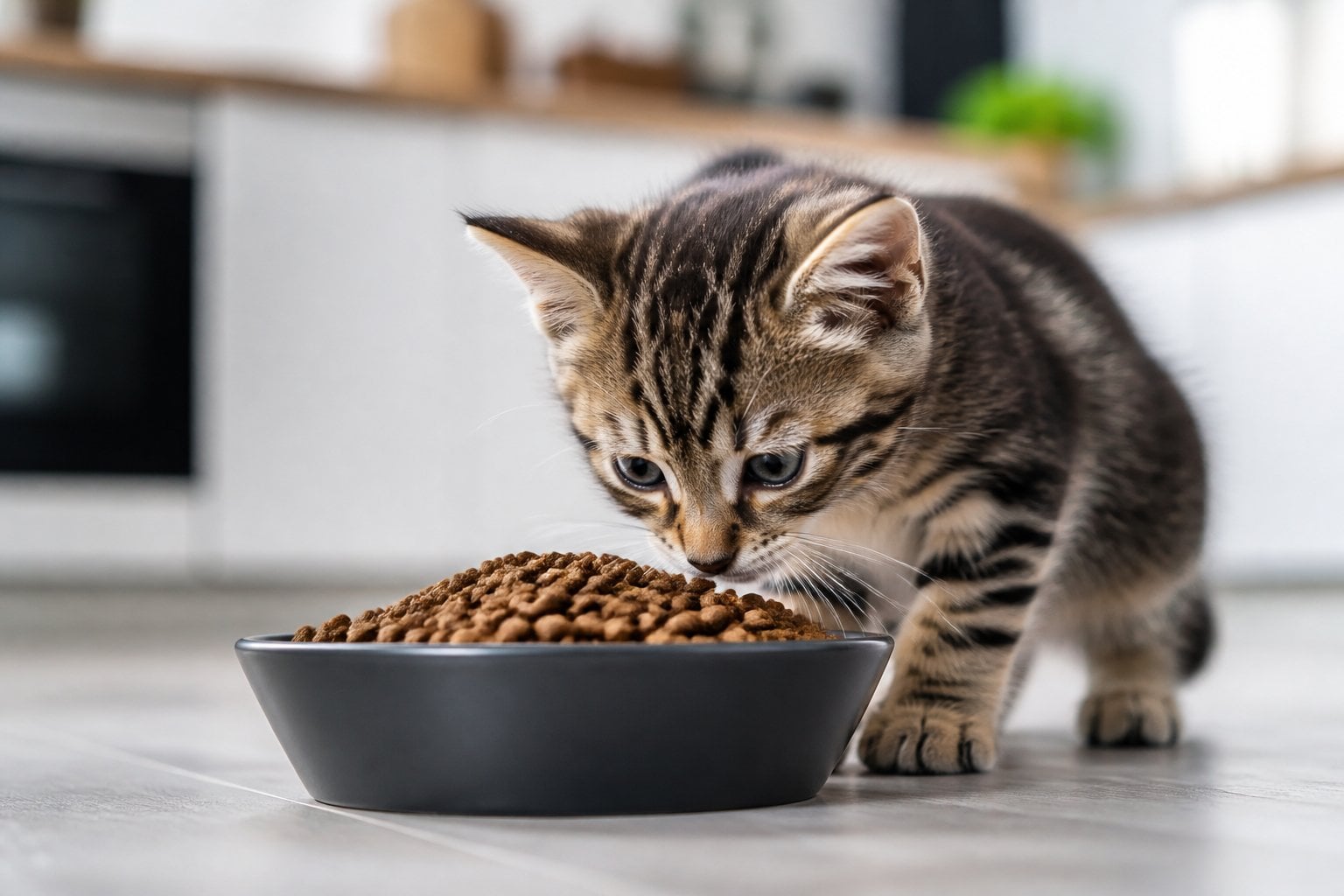
Royal Canin Kitten Dry Food relies heavily on low-quality fillers as its primary ingredients. The formula contains brown rice, brewers rice, and corn gluten meal near the top of its ingredient list. These fillers add bulk but provide minimal nutritional value for your kitten’s development.
Your cat is an obligate carnivore that requires animal protein as the foundation of their diet. Instead, this food prioritizes carbohydrates and grains that cats don’t need. The inclusion of animal by-product meals raises concerns about ingredient quality and sourcing.
For a premium-priced product, you should expect better ingredient quality. The high grain content can be difficult for some kittens to digest, potentially leading to stomach sensitivity. Your growing kitten deserves food that prioritizes meat-based protein over fillers.
6. Royal Canin Veterinary Diet Gastrointestinal Dry
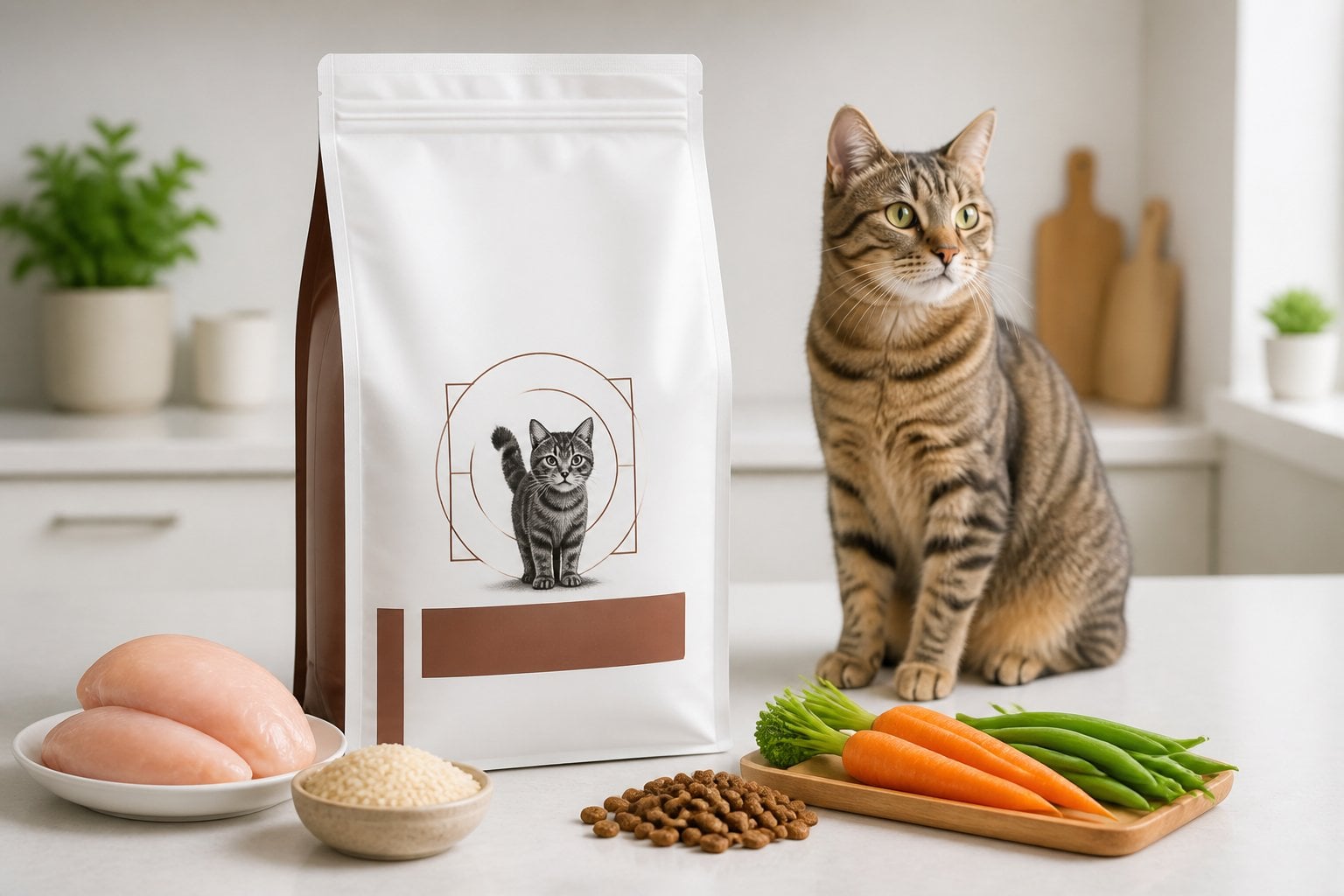
This prescription food requires veterinary authorization, which limits your access and adds unnecessary complexity to feeding your cat. While marketed for digestive sensitivities, you’re paying premium prices for a formula that contains corn as a primary ingredient.
The food relies heavily on grain-based fillers rather than quality animal proteins. Your cat is an obligate carnivore and needs meat-based nutrition, not corn and wheat gluten. The high carbohydrate content contradicts what cats naturally require for optimal health.
Royal Canin lists brewers rice and corn among the top ingredients. These provide little nutritional value for cats and serve mainly as cheap fillers to reduce manufacturing costs.
The prescription requirement means you’ll face higher prices and limited purchasing options. Many non-prescription foods offer better ingredient quality without the veterinary gatekeeping and associated costs.
7. Blue Buffalo Healthy Growth Chicken & Brown Rice
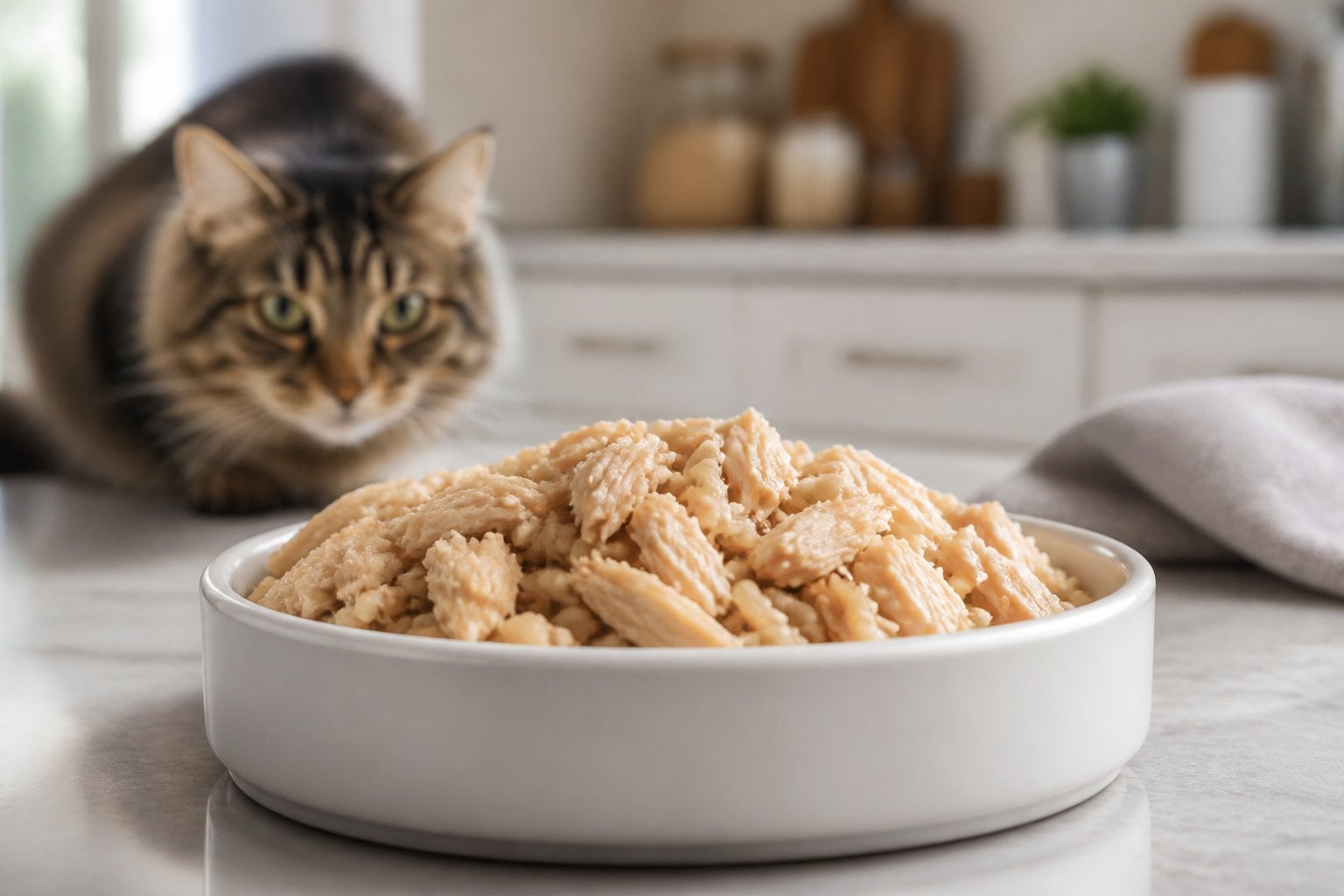
Blue Buffalo markets this kitten formula as premium nutrition, but quality control issues raise serious concerns. The company’s rapid expansion has led to inconsistent manufacturing standards and safety problems.
While the ingredient list appears adequate with chicken and brown rice, you’re paying premium prices without guaranteed consistency. The brand has faced multiple recalls over the years, putting your kitten’s health at risk.
At approximately 392.6 calories per 100 grams, the caloric content is average for dry kitten food. However, the unpredictable quality doesn’t justify the higher price point compared to more reliable brands.
Your kitten deserves food manufactured with consistent safety protocols. The gap between Blue Buffalo’s marketing claims and actual quality control makes this a risky choice for your growing cat’s crucial developmental stage.
8. Blue Buffalo Wilderness Chicken Recipe Dry
Blue Buffalo markets this formula as a high-protein, grain-free option inspired by wild cat diets. While deboned chicken appears as the first ingredient, you should look beyond marketing claims.
The grain-free formula relies heavily on pea protein and other plant-based proteins to boost its protein content. This means you’re not getting as much animal protein as the label might suggest.
The food contains multiple carbohydrate sources despite being grain-free, including peas, tapioca starch, and potatoes. Cats have minimal nutritional need for these ingredients.
At approximately $5.57 per pound, you’re paying premium prices for a formula that doesn’t deliver proportional value. The inclusion of various starches and plant proteins creates a less species-appropriate diet than what cats require as obligate carnivores.
9. Blue Buffalo Basics Limited Ingredient Turkey & Potato
Blue Buffalo Basics Limited Ingredient Turkey & Potato falls short on nutritional balance despite its limited ingredient approach. The formula contains lower than average protein levels for cats, which is concerning since felines are obligate carnivores requiring substantial animal protein.
While it does include deboned turkey as the primary protein source, the recipe is loaded with excessive carbohydrates. This macronutrient imbalance doesn’t align with your cat’s biological needs.
The indoor adult version provides barely adequate fat content, but the mature formula actually contains too few fats for senior cats. Both versions suffer from carbohydrate levels that are far too high for optimal feline nutrition.
If you’re seeking a limited ingredient diet for your cat’s food sensitivities, this grain-free option may address allergen concerns. However, the poor protein-to-carbohydrate ratio makes it a suboptimal choice for your cat’s long-term health.
10. Whiskas Complete Dry Cat Food
Whiskas Complete Dry Cat Food ranks among the poorest choices for your feline companion. The primary ingredient is whole grain cereals, specifically corn and wheat, rather than quality animal protein your cat needs.
This formula contains poultry by-products instead of named meat sources. By-products are lower-quality ingredients that don’t provide the nutritional value whole meats offer.
The protein content is notably low while carbohydrate levels are high. Cats are obligate carnivores requiring meat-based protein, not grain-heavy formulas. This composition doesn’t align with your cat’s biological dietary needs.
Independent reviews consistently rate Whiskas dry products poorly, with many receiving only 2-star ratings. The heavy reliance on plant-based fillers and undefined animal sources makes this an inadequate choice for maintaining your cat’s health.
11. Meow Mix Original Choice Dry Cat Food
Meow Mix Original Choice ranks among the cheapest cat foods available, but the low price reflects its quality. The first ingredient is corn gluten meal rather than real meat, which should raise concerns about the protein source your cat receives.
The formula depends heavily on plant-based proteins to reach its 30% protein content. Your cat is an obligate carnivore and requires animal-based proteins for optimal health.
Bulk fillers like whole ground corn and soybean meal take prominent positions in the ingredient list. These ingredients serve mainly to maintain kibble shape and add volume rather than provide nutritional value your cat needs.
Artificial colors appear in the formula despite offering zero nutritional benefits. While the product meets AAFCO minimum standards, meeting basic requirements doesn’t make it a quality choice for your cat’s long-term health and wellbeing.
12. Friskies Dry Cat Food Chicken Dinner
Friskies Dry Cat Food Chicken Dinner relies heavily on by-product meals and plant-based fillers rather than quality protein sources. The ingredient list shows meat by-products appearing before whole meat sources, which indicates lower nutritional value for your cat.
The formula contains numerous artificial colors and preservatives that serve no nutritional purpose for your pet. While the food meets basic AAFCO standards, it falls significantly below average when compared to other dry cat foods on the market.
The protein content sits around 30%, but this comes primarily from by-products rather than named meat sources. Plant-based ingredients bulk out the formula, making this an inexpensive but nutritionally questionable choice. Your cat deserves better quality ingredients than what this product offers, despite its affordable price point.
13. Iams Proactive Health Adult Dry Cat Food
Iams Proactive Health Adult receives a 2.5-star rating from independent cat food reviewers, placing it in the lower tier of commercial cat foods. The primary concern is its heavy reliance on plant-based proteins and fillers rather than quality animal proteins.
While chicken is listed as the first ingredient, the formula contains significant amounts of corn meal and corn grits. These grain fillers provide minimal nutritional value for your obligate carnivore cat. The ingredient list also includes brewer’s rice and dried beet pulp, further diluting the animal protein content.
The food meets AAFCO minimum standards for adult maintenance, but meeting minimum requirements doesn’t equate to optimal nutrition. Your cat deserves better than a formula padded with inexpensive carbohydrates. The protein quality and meat content fall short compared to premium brands at similar price points.
14. Nutro Indoor Adult Dry Cat Food
Nutro Indoor Adult Dry Cat Food positions itself as a premium option, but several concerns deserve your attention. The formula lists chicken as the first ingredient, followed by chicken meal and brown rice. While this sounds promising, the inclusion of significant grain content raises questions about its species-appropriateness for obligate carnivores.
The carbohydrate levels in this formula are higher than what cats naturally require. Your cat’s biology is designed for a high-protein, low-carbohydrate diet from animal sources.
The ingredient list includes chicken by-product meal, which is a lower-quality protein source compared to whole meat. You’re also paying a premium price point that doesn’t always align with the nutritional value delivered. Many grain-free, higher-protein alternatives exist at similar or lower prices that better match your cat’s biological needs.
15. Science Diet Adult Complete Dry Cat Food (Hill’s)
Despite its premium pricing, Science Diet Adult falls short on nutritional value. The primary protein source relies heavily on poultry by-products rather than whole meat, which mirrors the ingredient profile of budget-friendly options.
You’ll pay approximately $0.40 to $0.60 daily to feed a 10-pound cat, yet the formula doesn’t justify this cost with superior nutrition. The ingredient list contains similar components to lower-quality foods.
While Hill’s markets this as a premium diet backed by veterinary science, the actual formulation doesn’t reflect premium standards. The dry kibble provides basic AAFCO nutritional requirements but lacks the high-quality protein sources you’d expect at this price point.
Your money could purchase better options with whole meat proteins as primary ingredients.
16. Felix As Good As It Looks Dry Cat Food
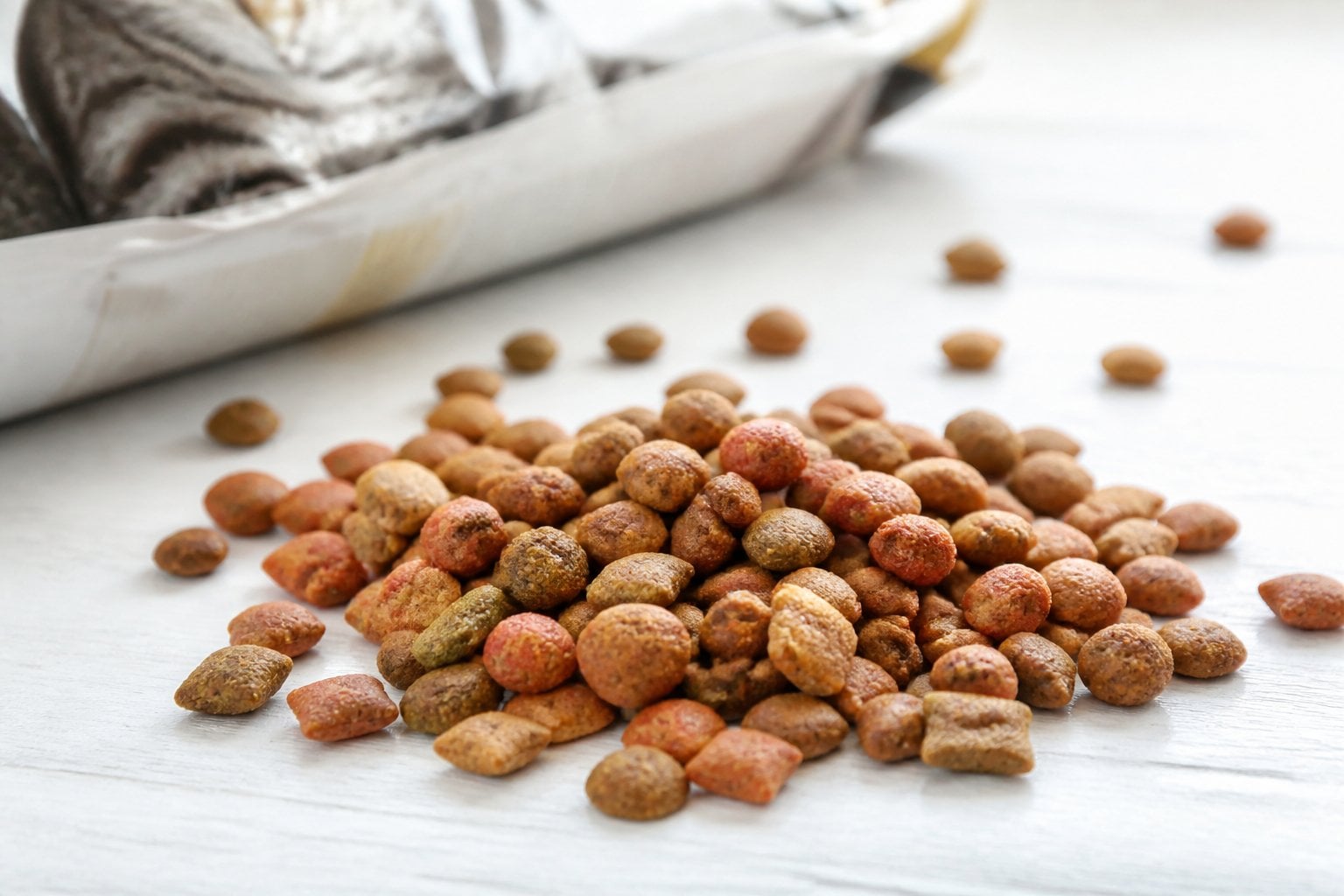
Felix markets itself with an appealing presentation, but the dry formula falls short on nutritional quality. The ingredient list contains significant amounts of cereals and plant-based fillers that don’t align with your cat’s natural carnivorous diet.
This brand prioritizes palatability over nutrition. While many cats find the taste appealing, the high carbohydrate content from grain-based ingredients provides little biological value for felines. Cats require animal protein as their primary nutrient source.
The product relies heavily on marketing rather than premium ingredients. You’ll find better protein quality and species-appropriate nutrition in other brands at similar price points.
Some owners have reported concerns about formula changes affecting their cats’ health. The emphasis on appearance and taste masks the reality of substandard ingredient quality that doesn’t support optimal feline nutrition.
17. Sheba Perfect Portions Dry/Soft (processed blends)
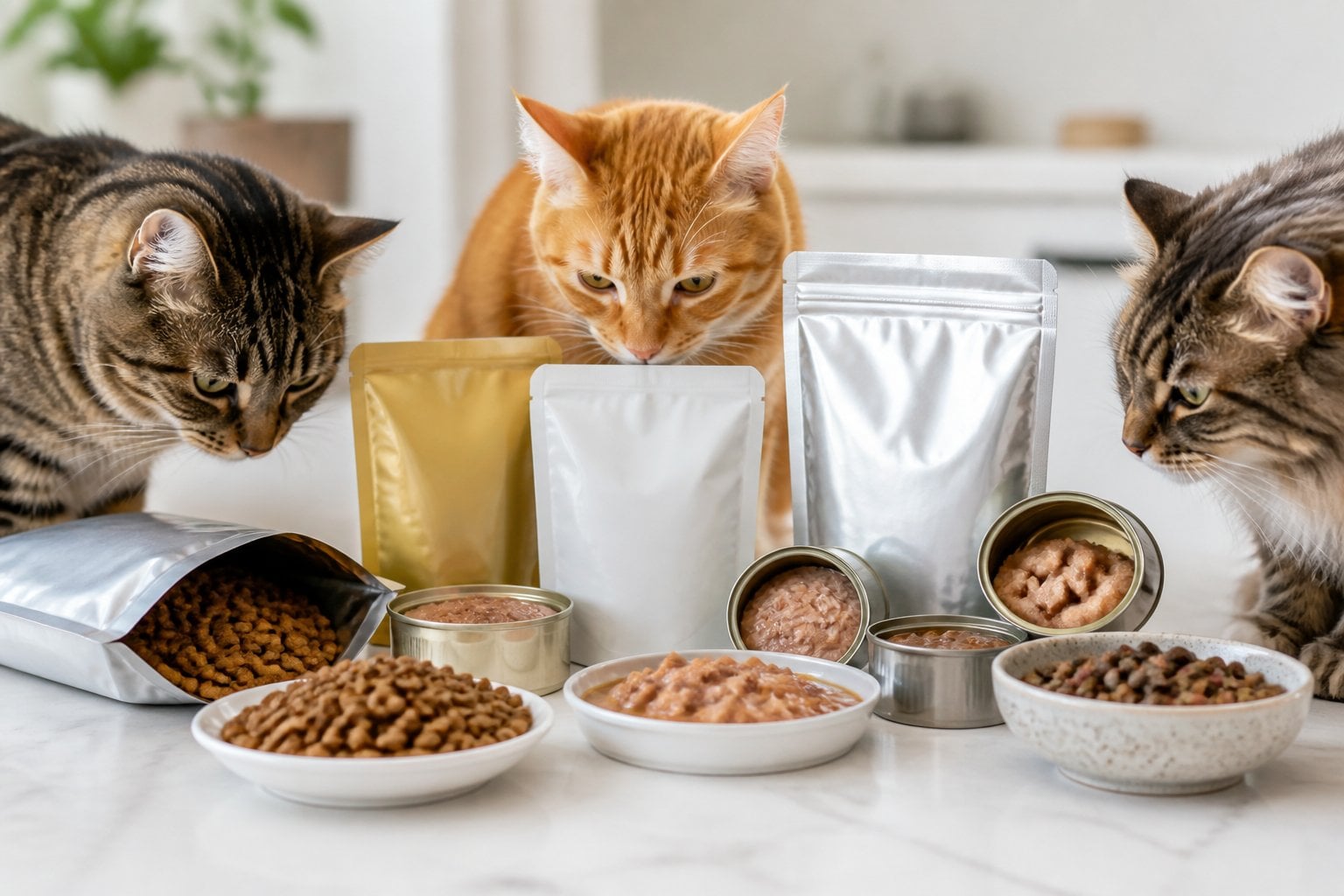
Sheba Perfect Portions markets convenience with pre-portioned servings, but the nutritional profile falls short of what your cat needs. Independent analysis shows this brand ranks significantly below average compared to similar wet cat food products.
The processed blends contain ingredients that don’t align well with your cat’s carnivorous biology. You’ll find higher carbohydrate content than ideal for feline nutrition.
The pate and cuts in gravy varieties prioritize palatability over nutritional quality. While your cat may enjoy the taste, the ingredient quality doesn’t justify regular feeding as a primary diet.
These products work better as occasional treats rather than daily meals. Your cat deserves food with higher-quality protein sources and fewer processed components. If you’re seeking budget-friendly options, several competitors offer better nutritional value for similar prices.
18. Pedigree Chum (cat formulations under mass brands)
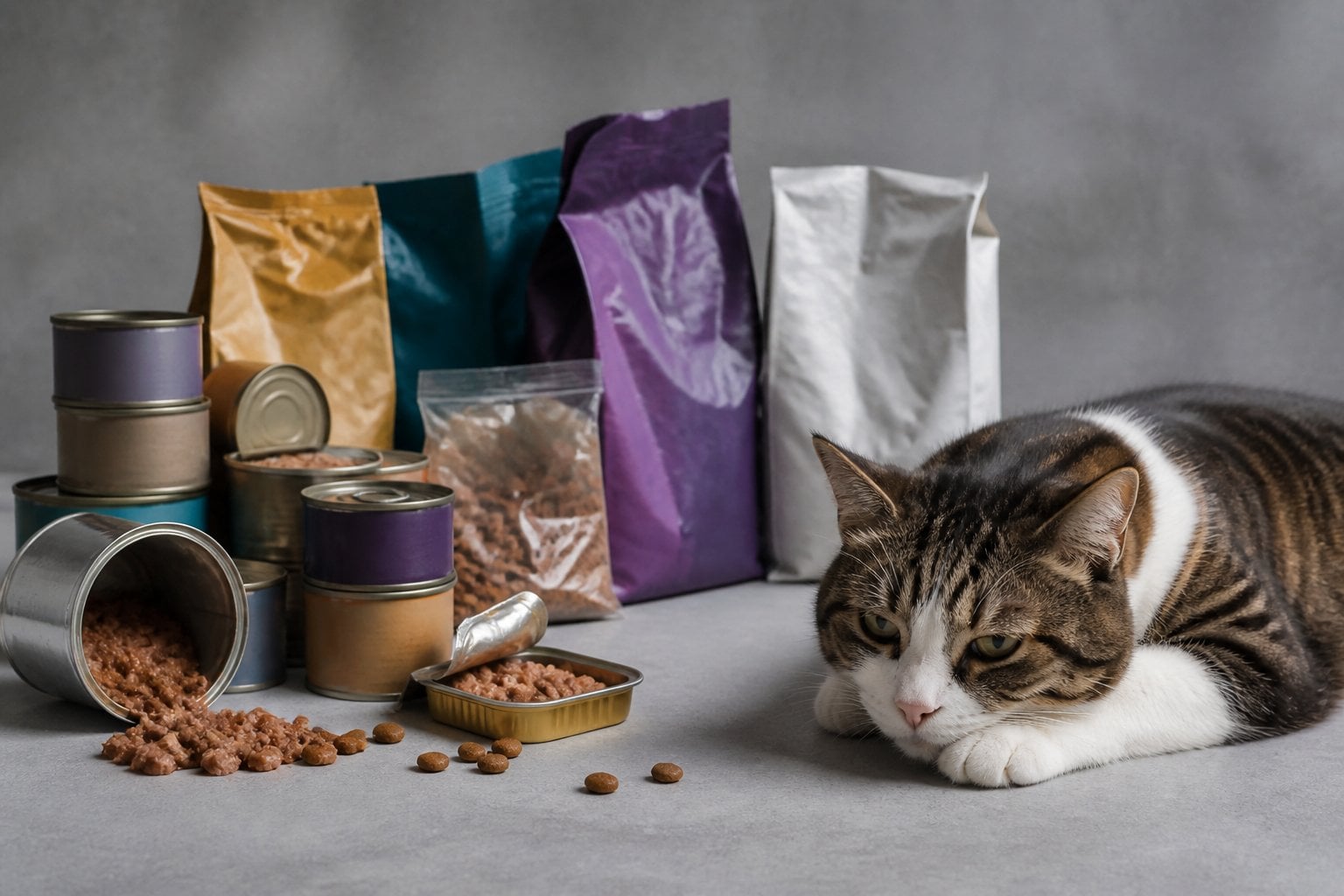
Pedigree Chum, traditionally known for dog food, has produced cat formulations that fall short of feline nutritional needs. These products typically contain high levels of cereal fillers and meat by-products as primary ingredients.
Cats are obligate carnivores requiring animal-based protein, but Pedigree Chum cat varieties often list grains prominently in their ingredient panels. This indicates lower meat content than what your cat needs for optimal health.
The brand’s cat formulations frequently include artificial colors and preservatives. These additives serve no nutritional purpose for your pet and may contribute to sensitivities in some cats.
When examining the ingredient quality, you’ll notice vague terms like “meat and animal derivatives” without species specification. This lack of transparency makes it difficult to assess protein quality and source reliability for your cat’s diet.
19. Alpo Prime Cuts (cat varieties)
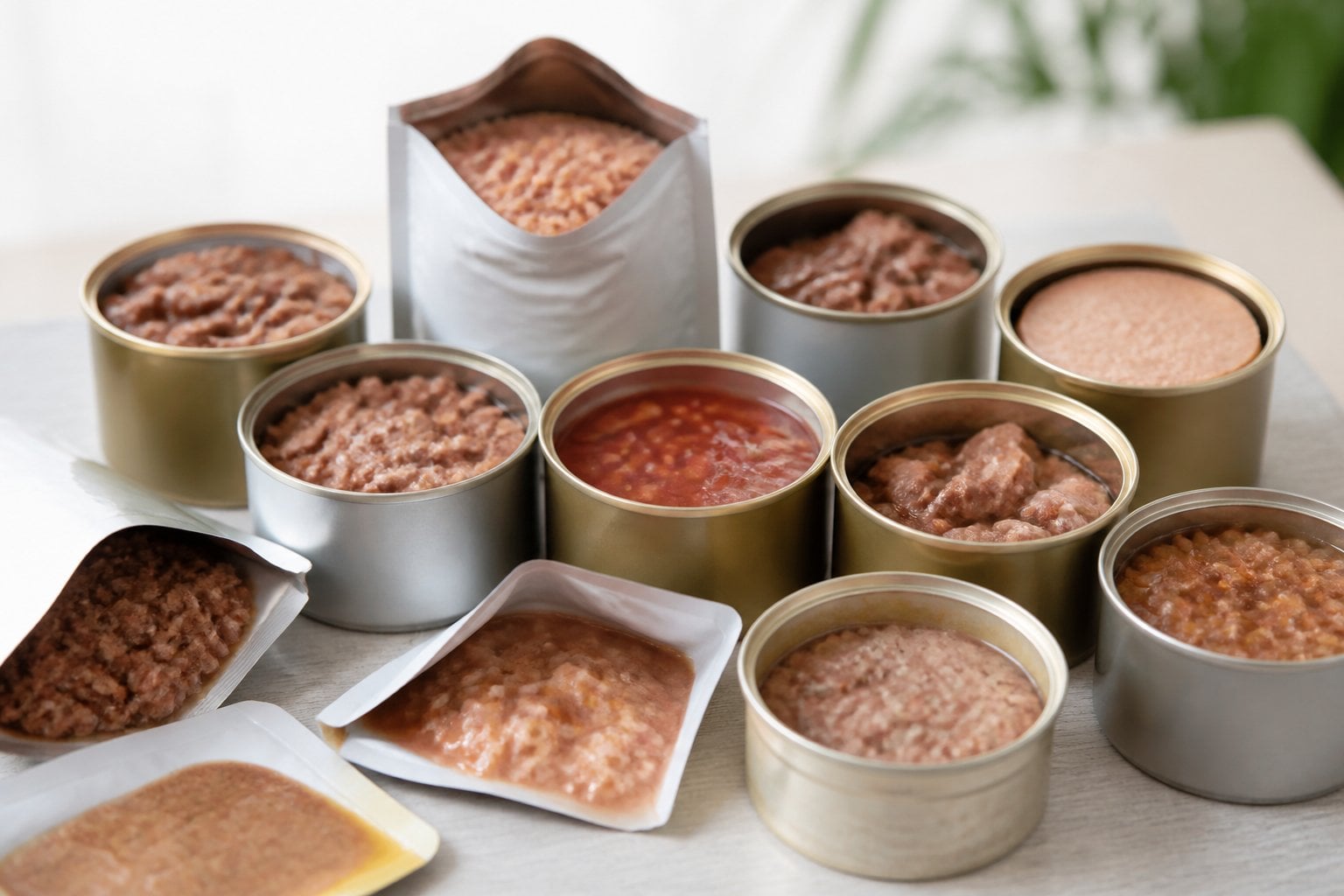
Alpo Prime Cuts for cats relies heavily on meat by-products as its primary protein source. These by-products are lower-quality animal parts that lack the nutritional value of whole meat proteins your cat needs.
The ingredient list includes significant amounts of corn and wheat gluten. These plant-based fillers provide little nutritional benefit for obligate carnivores like cats and serve mainly to reduce manufacturing costs.
Artificial colors appear in the formula despite serving no nutritional purpose for your cat. Cats cannot appreciate food color the way humans do, making these additives unnecessary.
The carbohydrate content is notably high compared to what cats require. This grain-heavy formula contradicts the natural dietary needs of felines, who thrive on protein-rich, low-carbohydrate diets.
20. Tiki Cat After Dark Dry Blends (low meat, high carbs)
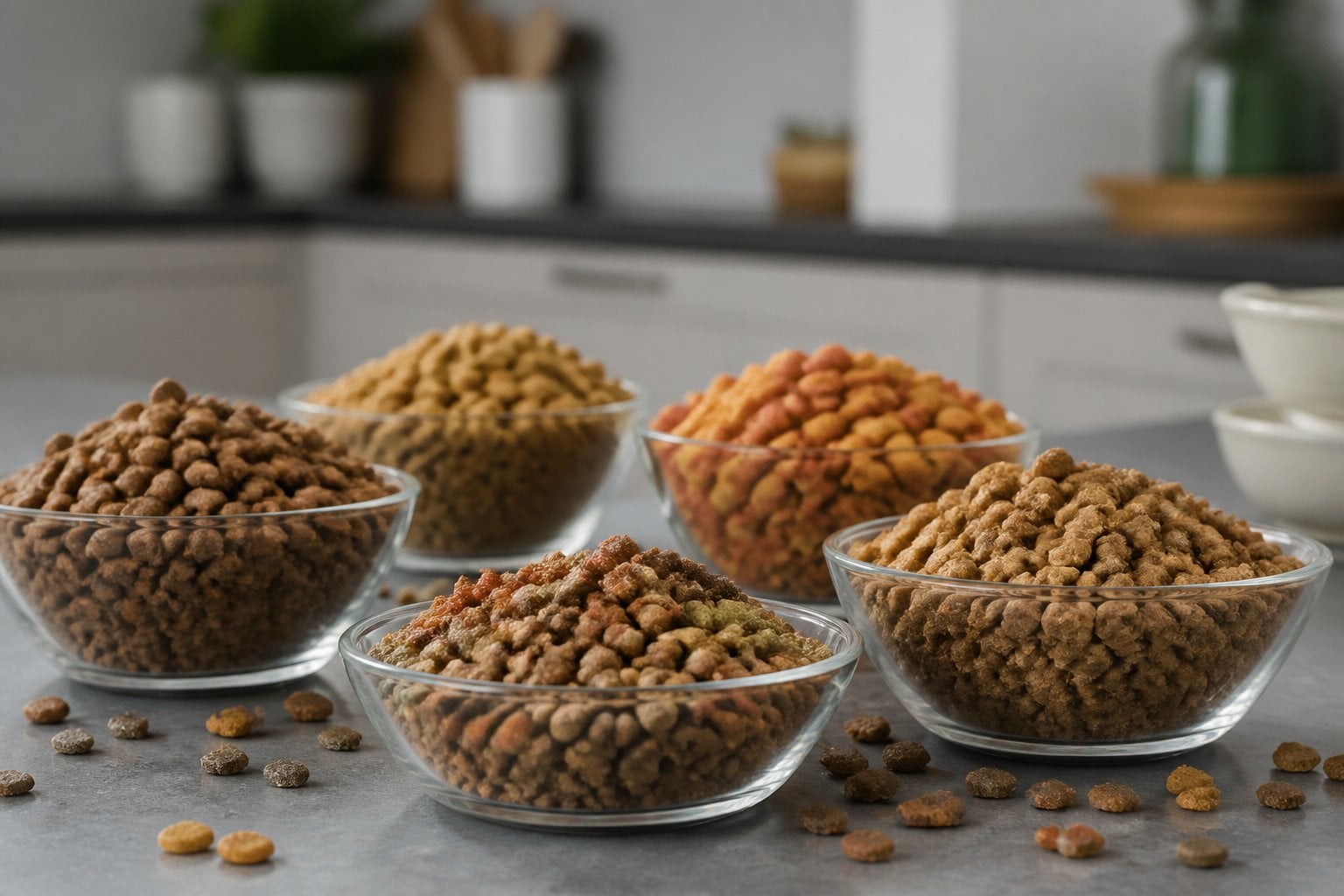
Tiki Cat After Dark Dry Blends shouldn’t be confused with their wet food counterparts. While the After Dark wet food line receives praise for high protein and low carbohydrate content, the dry blends follow a different nutritional formula.
The baked kibble versions contain significantly more carbohydrates than the canned varieties. This shift away from the protein-focused wet formulas contradicts what cats need as obligate carnivores.
Your cat requires meat-based protein as their primary energy source. Dry food formulations typically include higher amounts of plant-based ingredients and fillers to create the kibble structure. This results in a less appropriate macronutrient profile compared to the brand’s wet options.
If you’re considering Tiki Cat for your pet, their wet food lines offer better nutritional value than these dry blends.
21. Grain-heavy supermarket own-brand dry cat food
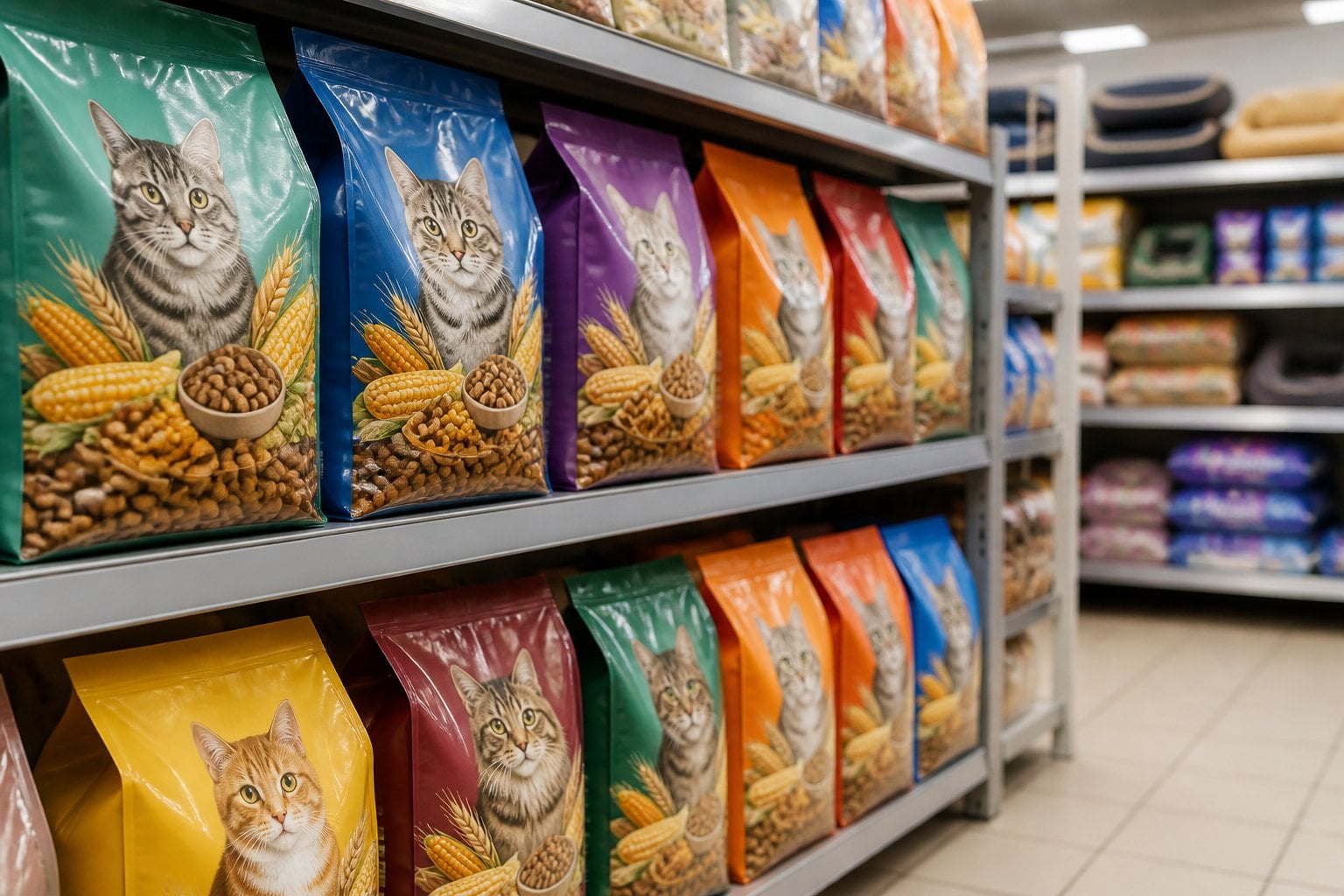
Supermarket own-brand cat foods frequently rely on grain-based fillers as their primary ingredients. You’ll find corn, wheat, and soy dominating the ingredient lists of these budget options.
Cats are obligate carnivores requiring animal protein for proper nutrition. When grains replace quality meat sources, your cat misses essential amino acids like taurine. These formulas often list corn gluten meal or wheat middlings before any identifiable meat protein.
Store brands use these grain-heavy recipes to reduce manufacturing costs. The result is a product with inadequate protein quality and excessive carbohydrates that cats don’t efficiently process.
You should check ingredient labels carefully. If the first three ingredients are grains or plant-based proteins rather than named meat sources, the food prioritizes cost over feline nutritional needs.
22. Cheap meat-flavored loaf-style wet cat food
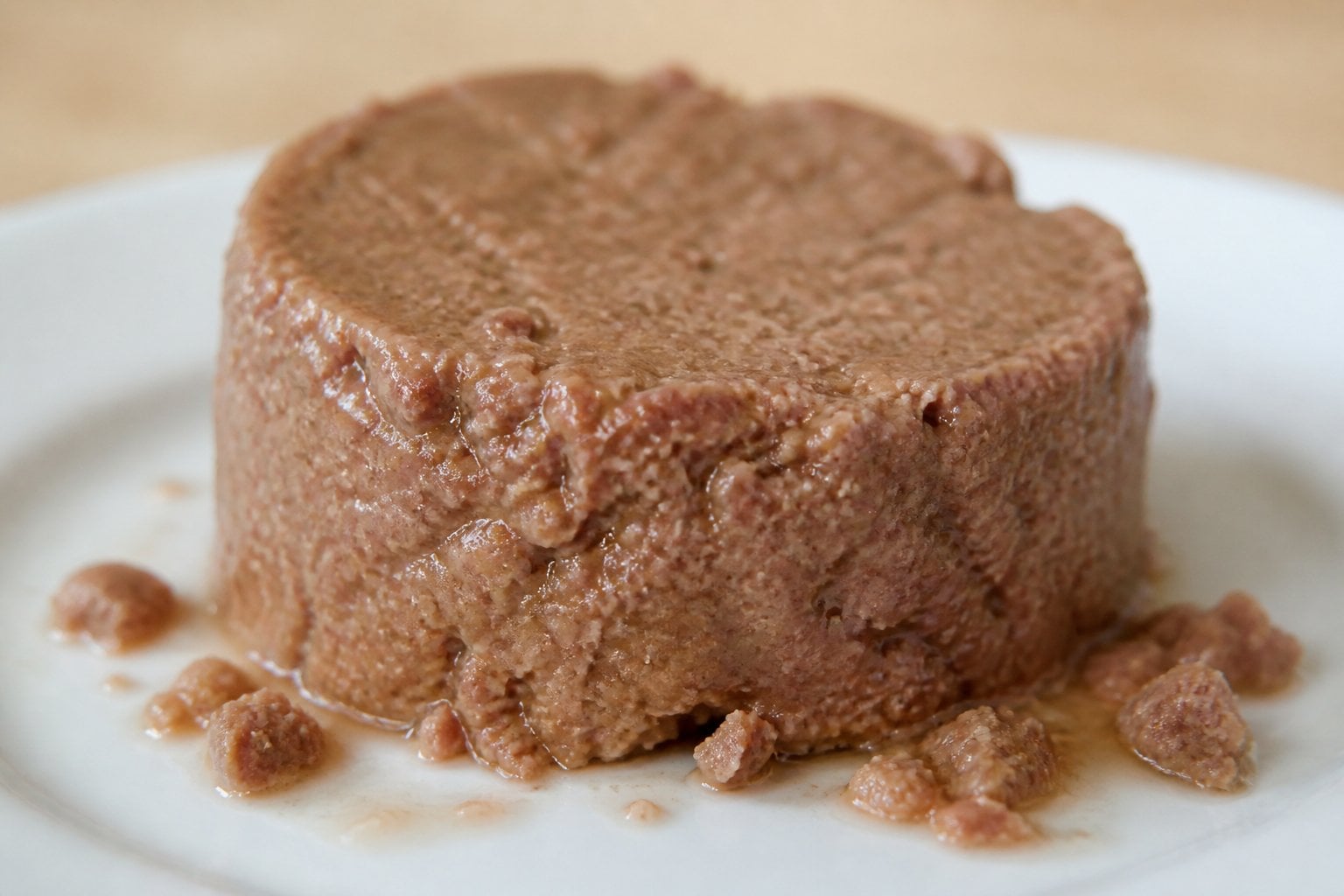
Budget loaf-style wet cat foods often rely on meat flavoring rather than substantial meat content. These products typically list water as the first ingredient, followed by meat by-products and texture-forming agents like wheat gluten or cornstarch.
The “loaf” texture comes from fillers and binding agents that hold the product together. Your cat receives minimal nutritional value from these additives. The meat flavoring may be artificial or come from rendered sources that don’t provide quality protein.
Many of these products contain excessive amounts of gravy or gel to create bulk without adding nutritional density. You’ll notice the ingredient list includes vague terms like “meat by-products” or “animal digest” instead of named protein sources like chicken or beef.
These formulations often lack essential nutrients that cats need, requiring synthetic vitamin and mineral supplementation. The low price point reflects the inferior ingredient quality and processing methods used in production.
23. Canned cat food with high unnamed meat by-products
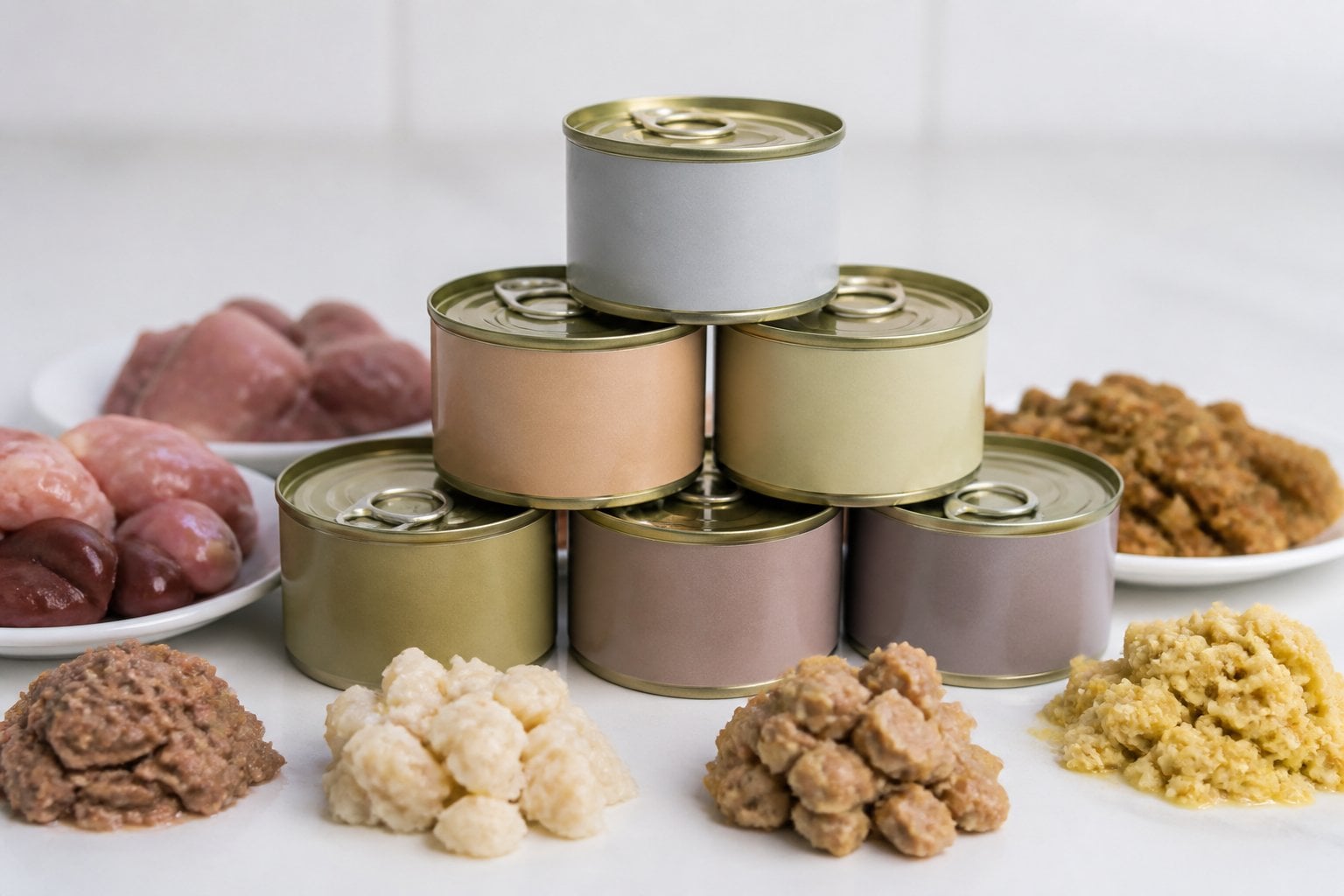
Unnamed meat by-products are ingredients you should scrutinize carefully on cat food labels. When a product lists “meat by-products” or “animal digest” without specifying the animal source, you cannot verify what your cat is actually eating.
These vague terms may include organs, bones, and tissues from unspecified animals. The lack of transparency makes it impossible to assess protein quality or identify potential allergens.
Named sources like “chicken by-products” or “turkey liver” provide clarity about what’s in the can. Unnamed versions offer no such assurance. Your cat deserves ingredients you can identify and trust.
Check ingredient lists for specific protein sources rather than generic terms. This simple step helps you avoid low-quality products that prioritize cost over nutritional transparency.
24. Any dry food listing tapioca or corn syrup solids high on label
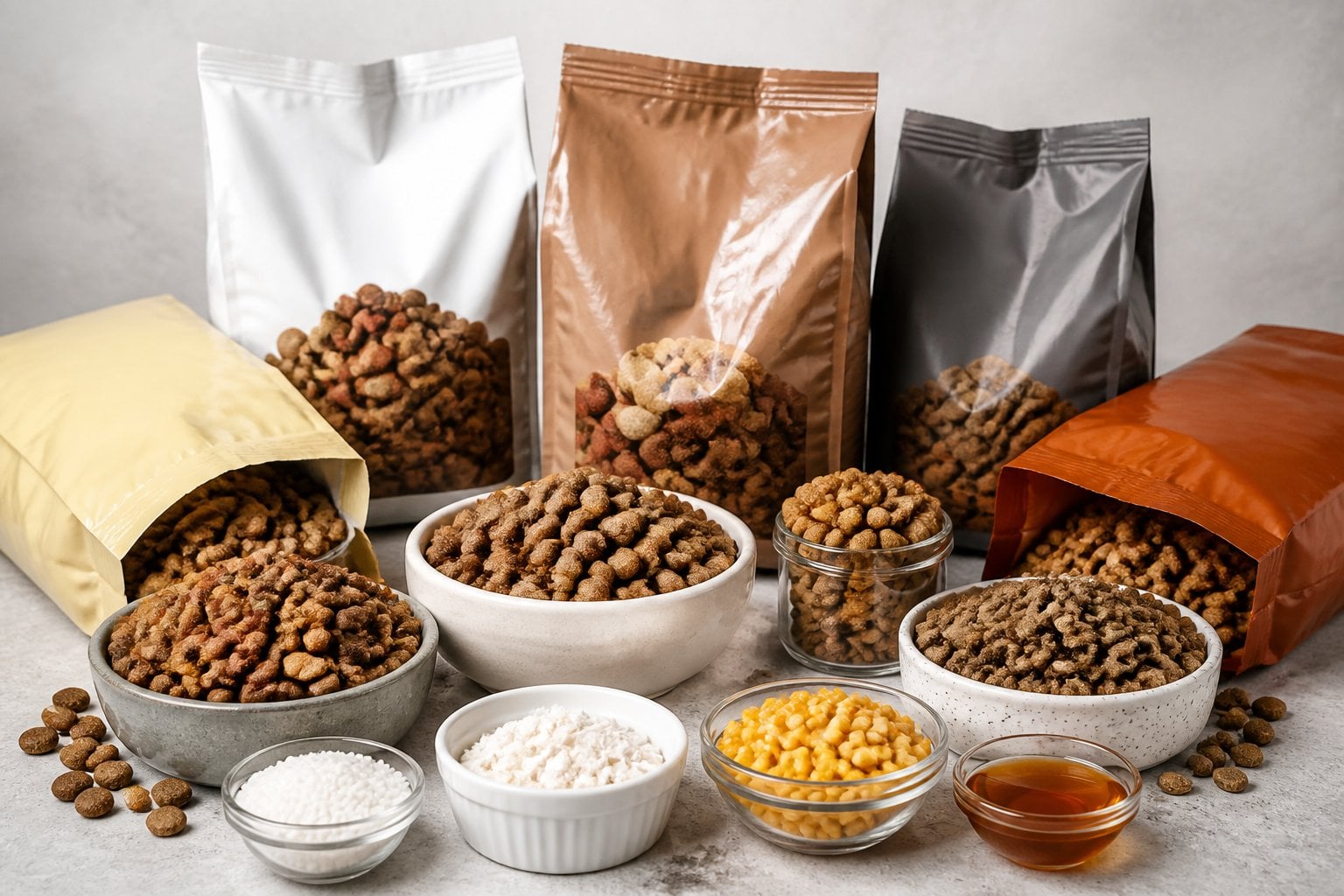
When tapioca or corn syrup solids appear in the first five ingredients, you’re looking at a food that prioritizes cheap fillers over nutrition. Cats are obligate carnivores who require meat-based protein, not starchy carbohydrates.
Tapioca offers minimal nutritional value for cats. It serves primarily as a binding agent to hold kibble together, but when listed prominently, it displaces more beneficial ingredients your cat actually needs.
Corn syrup solids are even more concerning. This sweetener adds empty calories and can contribute to obesity and diabetes in cats. Manufacturers sometimes use it to make low-quality food more palatable, masking poor ingredient quality.
Check your cat food labels carefully. If either ingredient appears high on the list, you’re purchasing a product that doesn’t align with your cat’s biological dietary needs.
25. Cat foods listing artificial colors (e.g., Red 40)
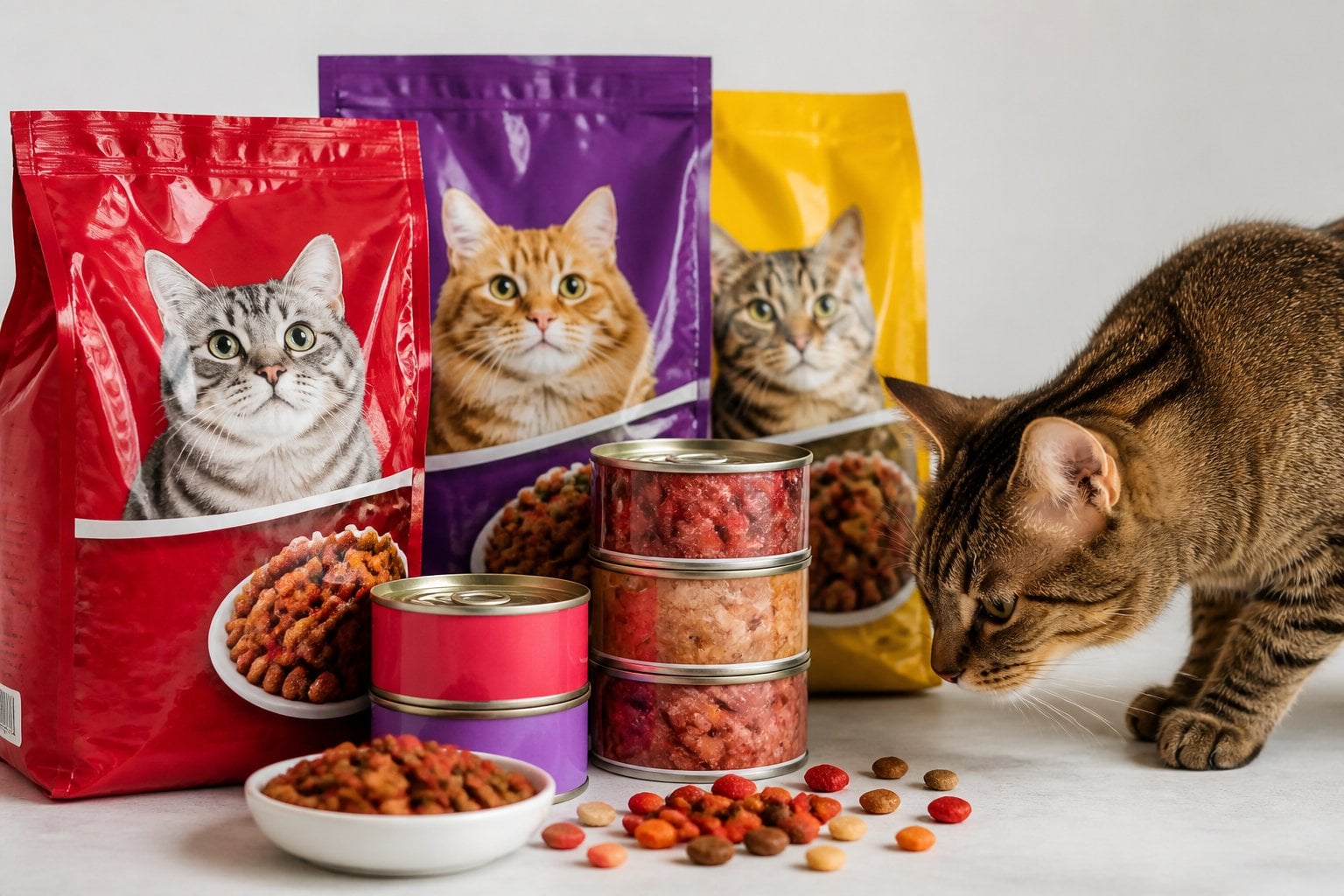
Artificial colors like Red 40, Blue 2, and Yellow 5 serve no nutritional purpose in cat food. These dyes are added purely for aesthetic appeal to make the product look more enticing to you, not your cat.
Cats cannot perceive colors the same way humans do. They’re essentially colorblind to reds and greens, making these additives completely unnecessary for your pet’s enjoyment.
Research from Cornell Feline Health Center found that artificial colors were associated with increased hyperactivity and skin reactions in 18% of cats studied. The FDA approves these dyes, but their presence often signals lower quality ingredients overall.
Common brands like Meow Mix contain Red 40. You should check ingredient labels carefully and consider alternatives from manufacturers like Fancy Feast or Tiki Cat that offer dye-free options for your cat’s health.
26. Products with BHA/BHT/BHT preservative-listed
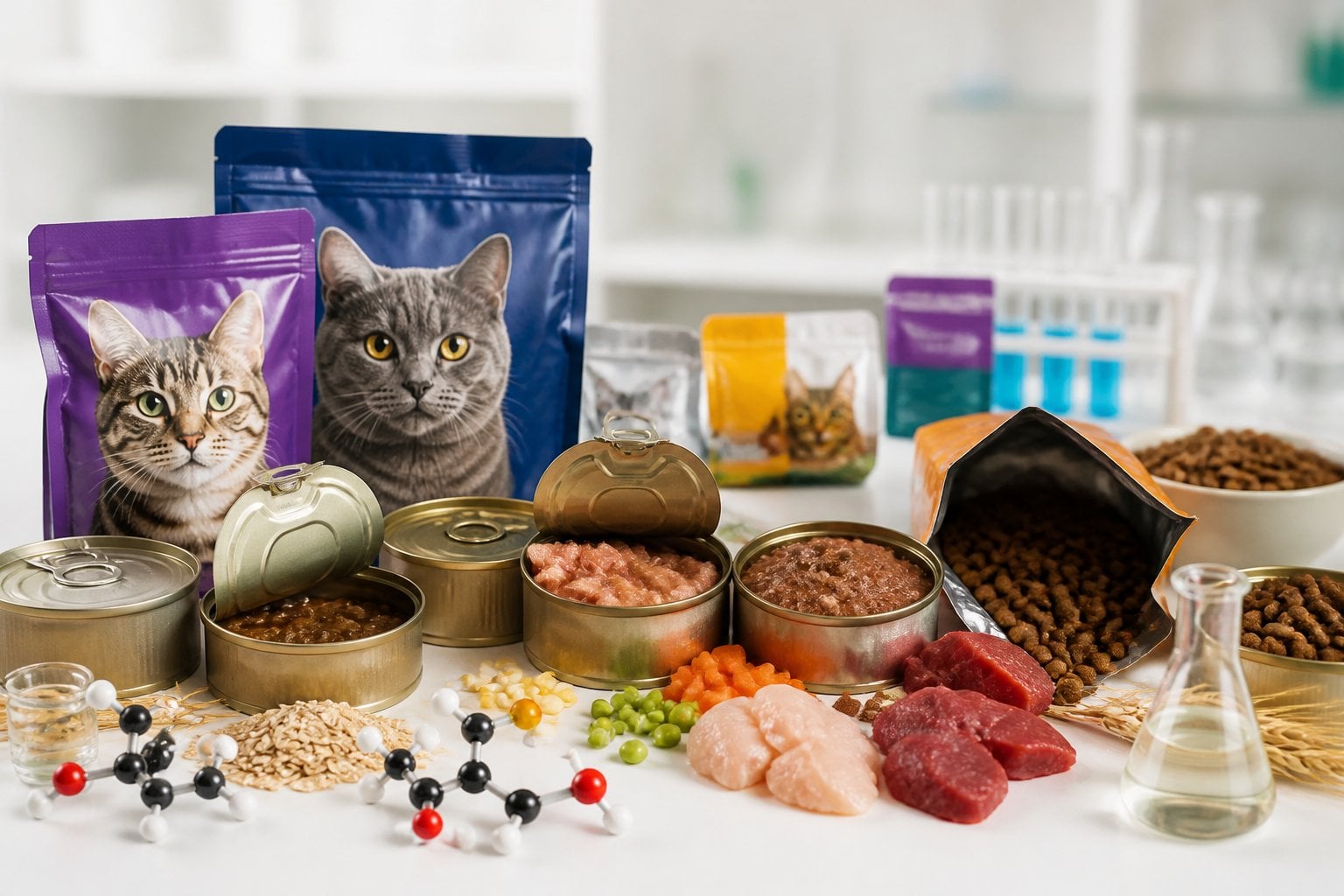
BHA (butylated hydroxyanisole) and BHT (butylated hydroxytoluene) are chemical preservatives used to prevent fats from going rancid in cat food. While they extend shelf life, these synthetic antioxidants raise health concerns for your cat.
Both preservatives have been linked to potential health issues in animal studies. You should check ingredient labels carefully, as these additives often appear in dry cat foods with high fat content.
By mid-2026, 68% of top-selling dry cat foods in North America have eliminated these preservatives entirely. This shift reflects growing awareness of safer alternatives.
Natural preservatives like vitamin E and vitamin C offer effective preservation without the associated risks. When shopping for cat food, look for products that specifically avoid BHA and BHT in favor of these natural options.
27. Canned cat food with carrageenan high in ingredient list
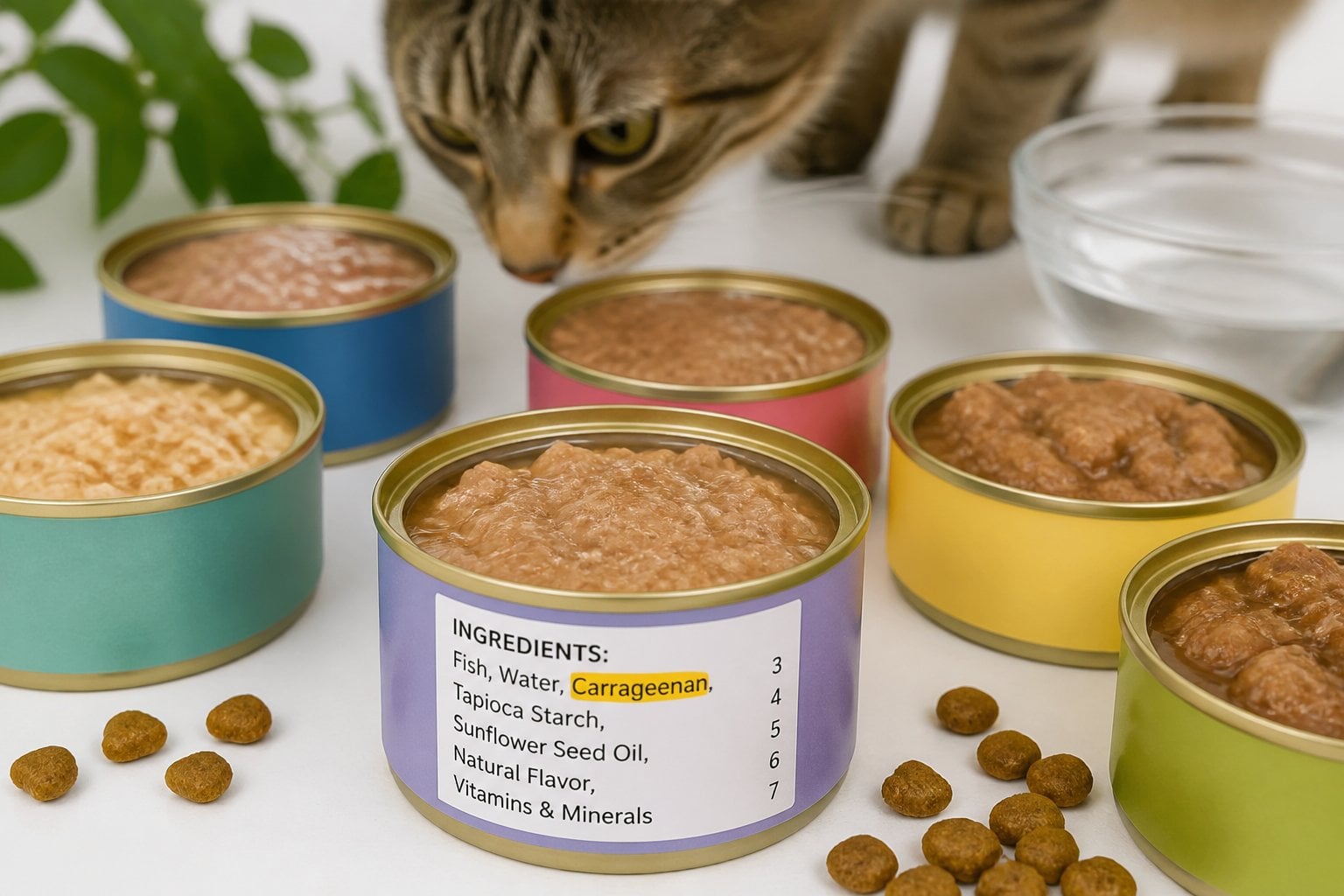
Carrageenan is a thickening agent derived from red seaweed that appears in many wet cat foods. When it ranks high on the ingredient list, it means the product contains a significant amount of this additive.
The ingredient’s placement matters because ingredients are listed by weight. A high position indicates your cat is consuming more carrageenan relative to other components.
Some cats experience digestive issues when eating foods with substantial carrageenan content. While regulatory bodies like the FDA consider food-grade carrageenan safe, the debate continues among pet owners and some veterinarians.
You should check ingredient labels carefully. Look for terms like “carrageenan” or “red seaweed extract” near the top of the list. Many brands now offer carrageenan-free alternatives with natural thickeners or limited ingredient formulas that may be better suited for cats with sensitive stomachs.
28. Cat food brands owned by major junk-food conglomerates
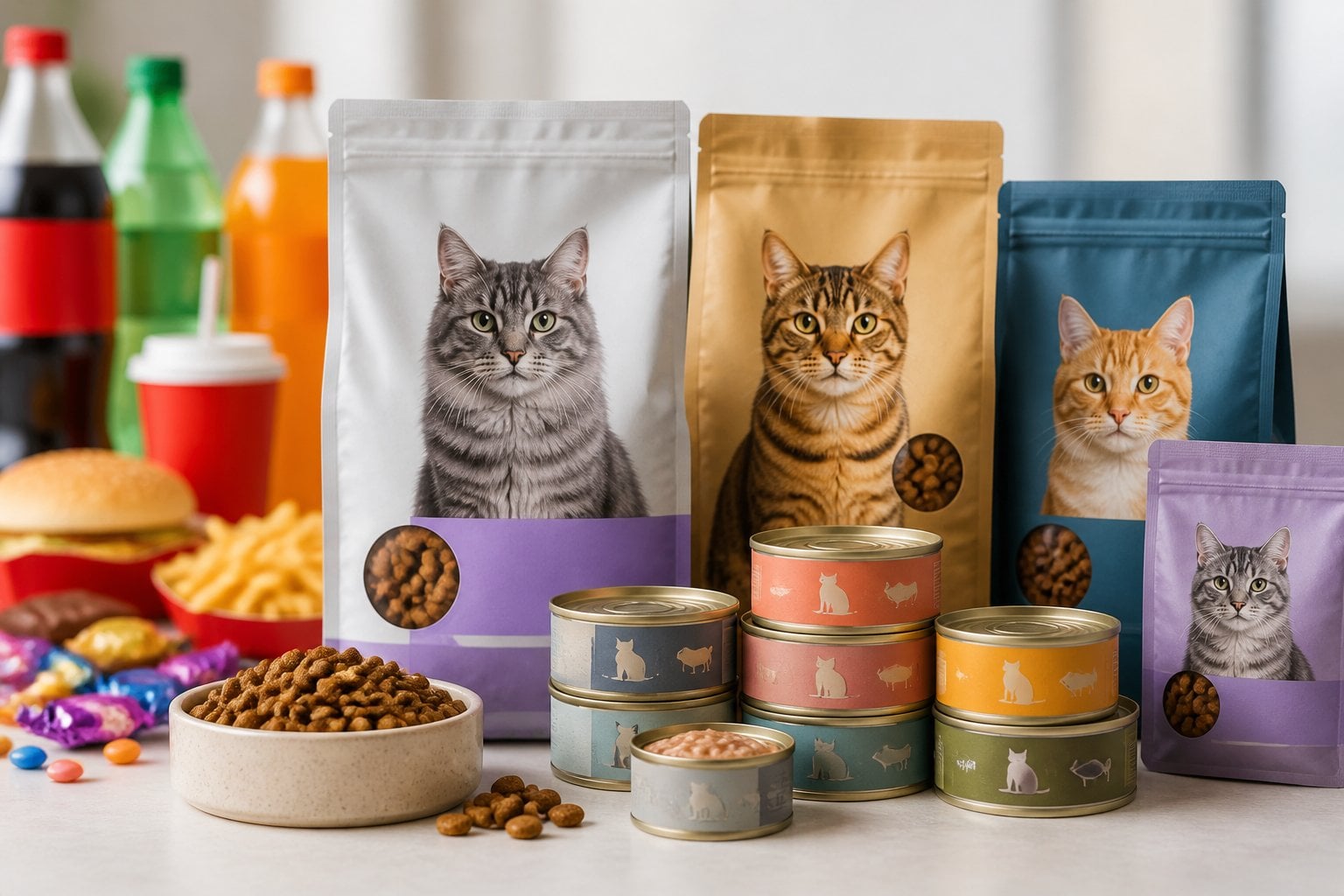
Several cat food brands are manufactured by companies better known for producing human junk food. The J.M. Smucker Company, famous for sweet spreads and snacks, owns multiple pet food brands including Meow Mix, 9Lives, Natural Balance, and Nature’s Recipe.
This ownership pattern raises questions about ingredient quality and nutritional priorities. Companies specializing in highly processed human foods may apply similar cost-cutting approaches to pet food production.
When you choose cat food, consider whether the parent company has expertise in animal nutrition or primarily focuses on processed human foods. The manufacturing philosophy used for shelf-stable snacks doesn’t necessarily translate to species-appropriate pet nutrition.
You’ll find that brands owned by junk food conglomerates often prioritize affordability and long shelf life over premium protein sources and minimal processing. Check the parent company information before purchasing.
29. Low-protein ‘kitten’ formulas marketed to adults
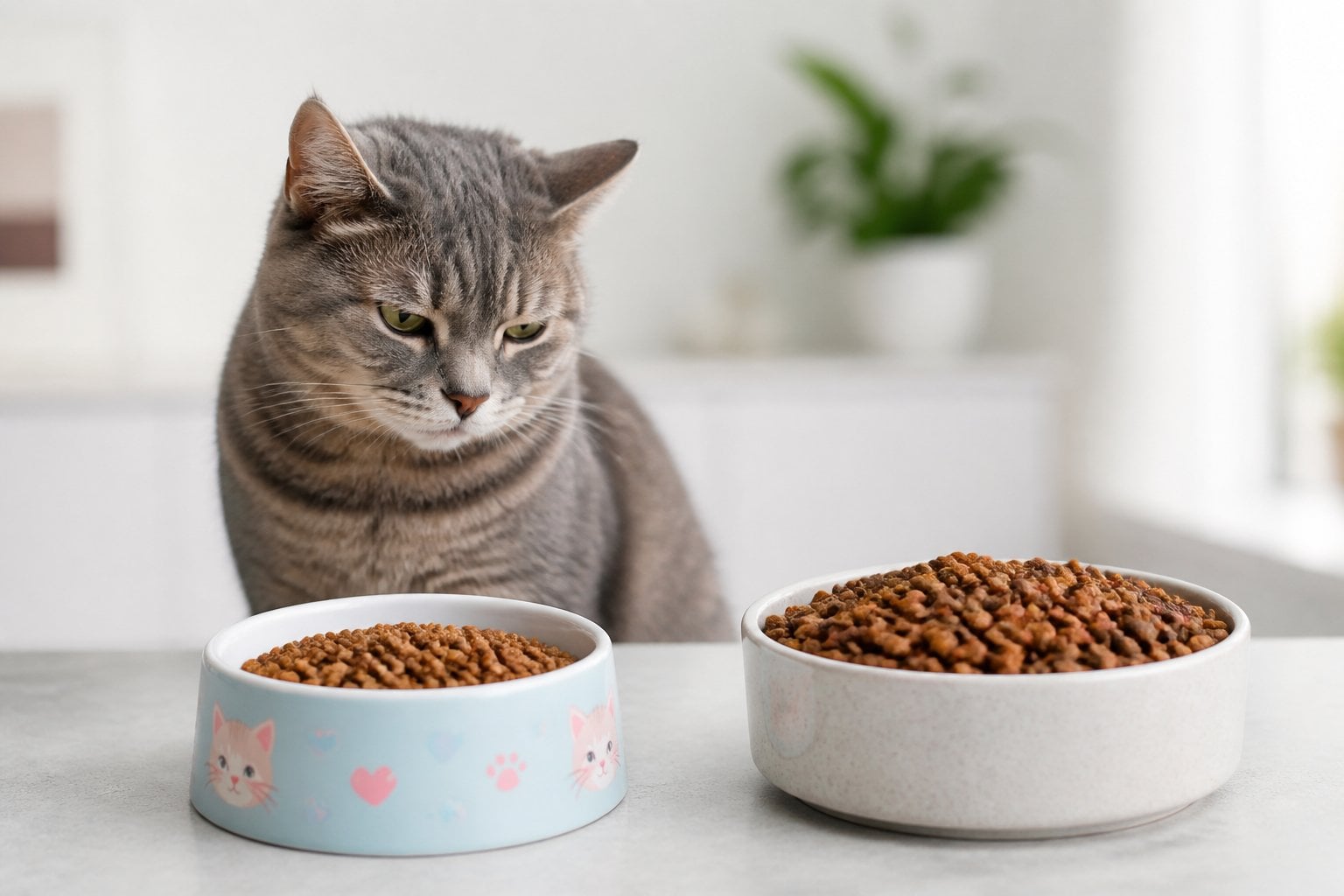
Some manufacturers produce kitten formulas with surprisingly low protein content, then market them as suitable for adult cats. This practice exploits consumer confusion about life-stage nutrition.
Kittens require high protein levels for growth and development. When these formulas fall short on protein, they fail both kittens and adults. Adult cats are obligate carnivores needing substantial protein for muscle maintenance and metabolic function.
These products often replace quality animal protein with plant-based fillers and carbohydrates. You might see pea protein, corn gluten meal, or soy listed prominently in the ingredients. Your cat cannot efficiently process these plant proteins compared to meat-based sources.
Check the guaranteed analysis on any kitten food before purchasing. Legitimate kitten formulas should contain at least 30-35% protein on a dry matter basis. Anything significantly lower suggests poor formulation that won’t support proper feline nutrition regardless of your cat’s age.
30. Any dry kibble labeled primarily as “complete balanced” without AAFCO statement
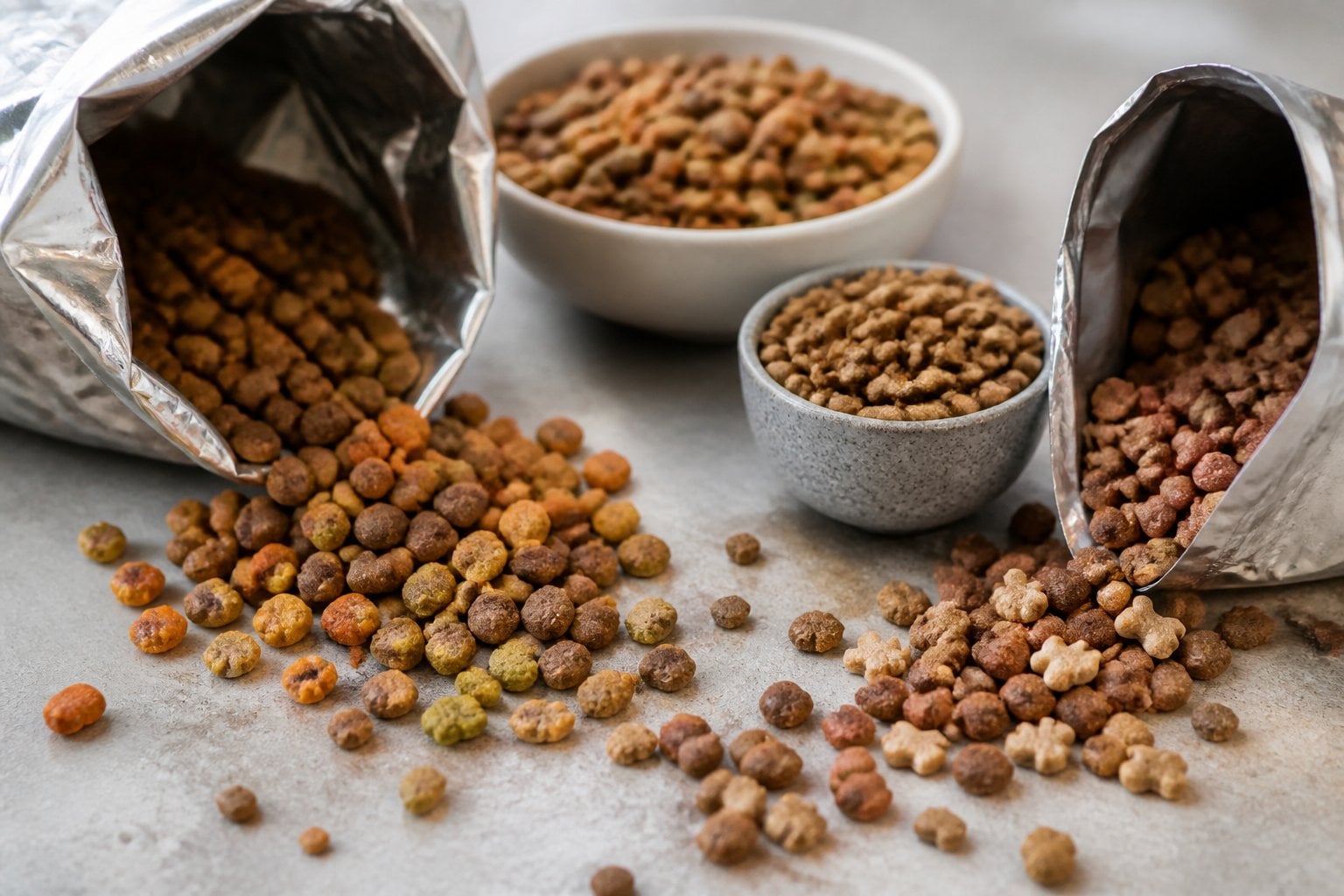
You should be cautious when you see cat food packages claiming to be “complete” or “balanced” without an AAFCO nutritional adequacy statement. This statement verifies that the food meets established nutritional standards for cats.
AAFCO doesn’t test products directly, but their guidelines provide a framework for proper feline nutrition. When manufacturers skip this verification, you have no assurance the food contains adequate nutrients your cat needs.
Your cat requires specific nutrients as an obligate carnivore. Without proper formulation and testing, deficiencies can develop over time.
Check the label carefully before purchasing. A legitimate complete and balanced cat food will display an AAFCO statement confirming it meets nutritional profiles or has passed feeding trials. If you only see marketing claims without this backing, consider choosing a different product that provides proper verification.
Understanding Cat Food Ingredients
Low-quality fillers, artificial additives, and questionable protein sources can compromise your cat’s nutrition and long-term health. Recognizing these inferior ingredients helps you identify foods that fall short of proper feline dietary standards.
Common Low-Quality Fillers
Corn, wheat, soy, and rice frequently appear in poor-quality cat foods as cheap bulking agents. These carbohydrate-heavy fillers offer minimal nutritional value for obligate carnivores like cats. Your cat’s digestive system struggles to process these plant-based ingredients efficiently.
Excessive grain content can contribute to weight gain, diabetes, and digestive issues over time. Manufacturers use these fillers to reduce production costs while increasing product volume. You should look for foods where meat sources occupy the first several ingredient positions.
Common fillers to watch for:
- Corn gluten meal
- Wheat flour
- Soy protein concentrate
- Brewers rice
- Cellulose
Controversial Additives
Chemical preservatives like BHA, BHT, and ethoxyquin extend shelf life but raise health concerns. These synthetic compounds have been linked to potential organ damage and other adverse effects. Natural preservatives such as mixed tocopherols (vitamin E) offer safer alternatives.
Artificial colors and flavors serve no nutritional purpose for your cat. Red 40, Yellow 5, and Blue 2 appear in some foods purely for human visual appeal. Palatants are spray-on flavor enhancers that mask poor ingredient quality and encourage cats to eat low-grade food.
Protein Sources and By-Products
Unspecified meat sources like “meat meal” or “animal by-products” indicate unknown protein origins. Quality foods specify the exact source, such as “chicken meal” or “salmon meal.” By-products include organs, feet, beaks, and other parts deemed unfit for human consumption.
While some organ meats provide nutrition, ambiguous by-product listings often contain floor sweepings and rendering plant waste from multiple animal sources. The inconsistent quality and mystery ingredients make these proteins unreliable. Named meat proteins should always appear as the primary ingredients in proper cat food formulations.
Health Impacts of Poor Nutrition in Cats
Poor-quality cat food triggers a cascade of health problems that range from immediate digestive distress to life-threatening chronic conditions. The consequences of inadequate nutrition affect your cat’s organs, behavior, and overall quality of life.
Digestive Issues Linked to Diet
Low-quality cat food often contains excessive fillers, artificial additives, and poorly processed proteins that your cat’s digestive system struggles to handle. Common symptoms include chronic vomiting, diarrhea, and constipation.
Corn, wheat, and soy fillers pass through your cat’s intestinal tract without providing meaningful nutrition. These ingredients can cause inflammation in the gastrointestinal lining, leading to inflammatory bowel disease (IBD). Your cat may also develop food sensitivities or allergies that manifest as persistent stomach upset.
Artificial preservatives like BHA, BHT, and ethoxyquin irritate the digestive tract and can damage the intestinal wall over time. The result is poor nutrient absorption even when your cat eats adequate amounts of food. You might notice weight loss despite normal eating habits or frequent hairballs due to compromised gut function.
Long-Term Health Consequences
Extended consumption of nutritionally deficient cat food leads to serious medical conditions. Kidney disease ranks among the most common outcomes, as low-quality proteins and excessive minerals strain your cat’s renal system. Chronic kidney failure often becomes irreversible once symptoms appear.
Obesity develops when cat food contains high carbohydrate content and insufficient protein. Cats lack the metabolic pathways to efficiently process carbohydrates, so excess sugars convert to fat. Overweight cats face increased risks of diabetes, arthritis, and hepatic lipidosis.
Malnutrition occurs even in cats that eat regularly when their food lacks essential amino acids like taurine, arginine, and methionine. Taurine deficiency causes dilated cardiomyopathy, a potentially fatal heart condition. Your cat may also experience vision problems, reproductive issues, and weakened immune function. Organ failure can result from prolonged deficiencies in vitamins A, D, E, and B-complex nutrients.
Behavioral Changes Related to Food Quality
Your cat’s behavior directly reflects nutritional status. Cats fed poor-quality diets often exhibit lethargy and decreased interest in play or social interaction. The lack of adequate protein deprives your cat of energy needed for normal activity levels.
Increased aggression or irritability can stem from nutritional deficiencies that affect brain chemistry. Insufficient B vitamins and amino acids disrupt neurotransmitter production, altering mood regulation. Some cats become food-aggressive when their bodies aren’t satisfied despite regular meals.
You may observe excessive grooming or fur-pulling behaviors linked to skin irritation from food allergies. Conversely, poor coat condition and reduced grooming interest indicate your cat lacks the energy or nutrients for self-maintenance. Changes in litter box habits, including accidents outside the box, often signal digestive discomfort from unsuitable food ingredients.


2 Comments