The 30 Smartest Cat Breeds in the World: Intelligence Rankings and Characteristics Explained
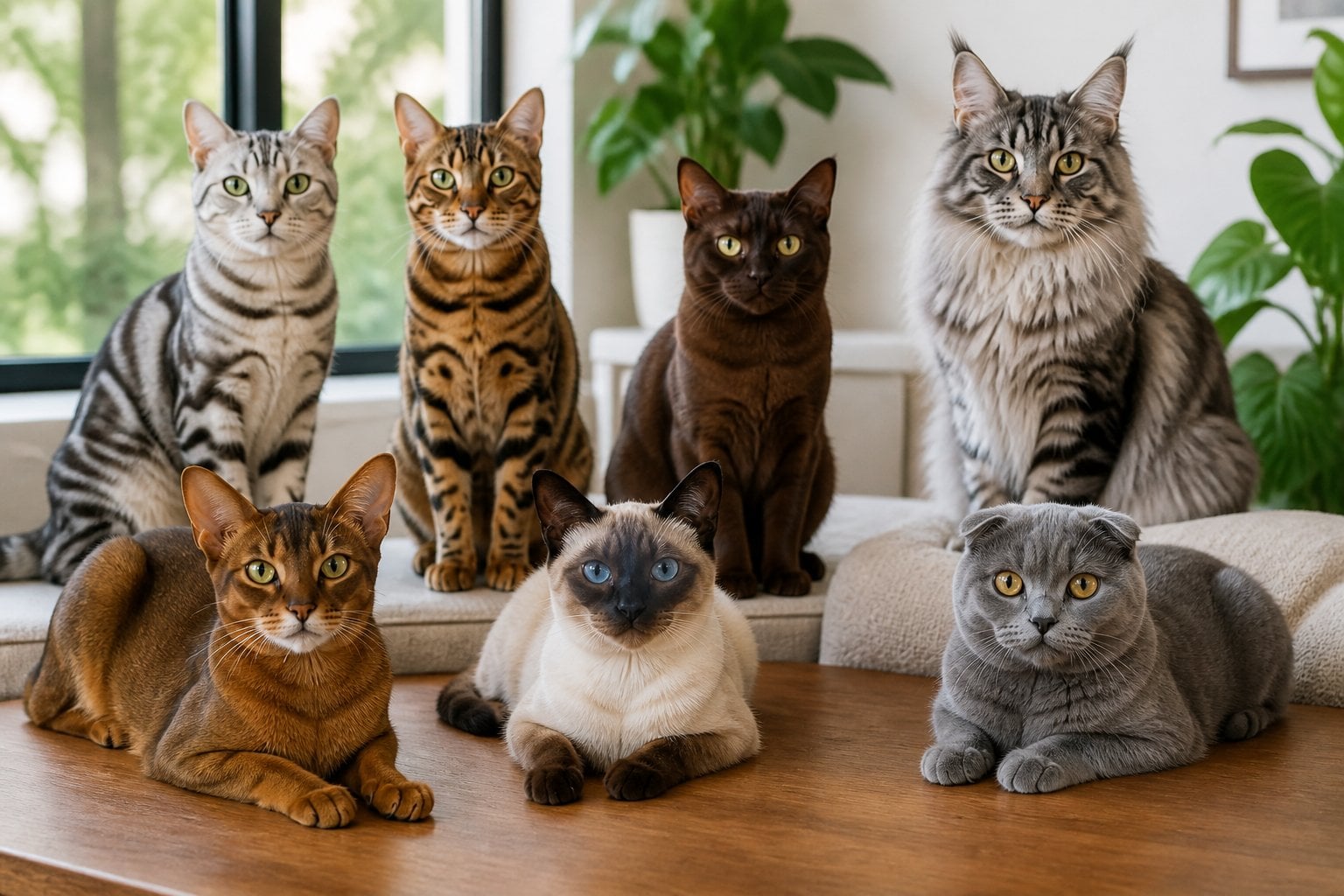
Cats demonstrate varying levels of intelligence across different breeds, with some showing remarkable problem-solving abilities, trainability, and social awareness. While individual personality plays a role, certain breeds consistently exhibit traits that cat behaviorists and veterinarians associate with higher cognitive function.
Understanding which cat breeds tend to be the smartest can help you choose a companion that matches your lifestyle and expectations for interaction.
Smart cats often require more mental stimulation through puzzle toys, training sessions, and environmental enrichment. They may learn tricks quickly, figure out how to open doors or cabinets, and display strong communication skills with their owners.
The breeds covered here range from athletic climbers to social butterflies, each demonstrating intelligence in different ways. You’ll discover what makes these felines stand out cognitively and how to keep their active minds engaged.
If personality matters more to you than brainpower, check out the 30 friendliest cat breeds in the world.
1. Siamese
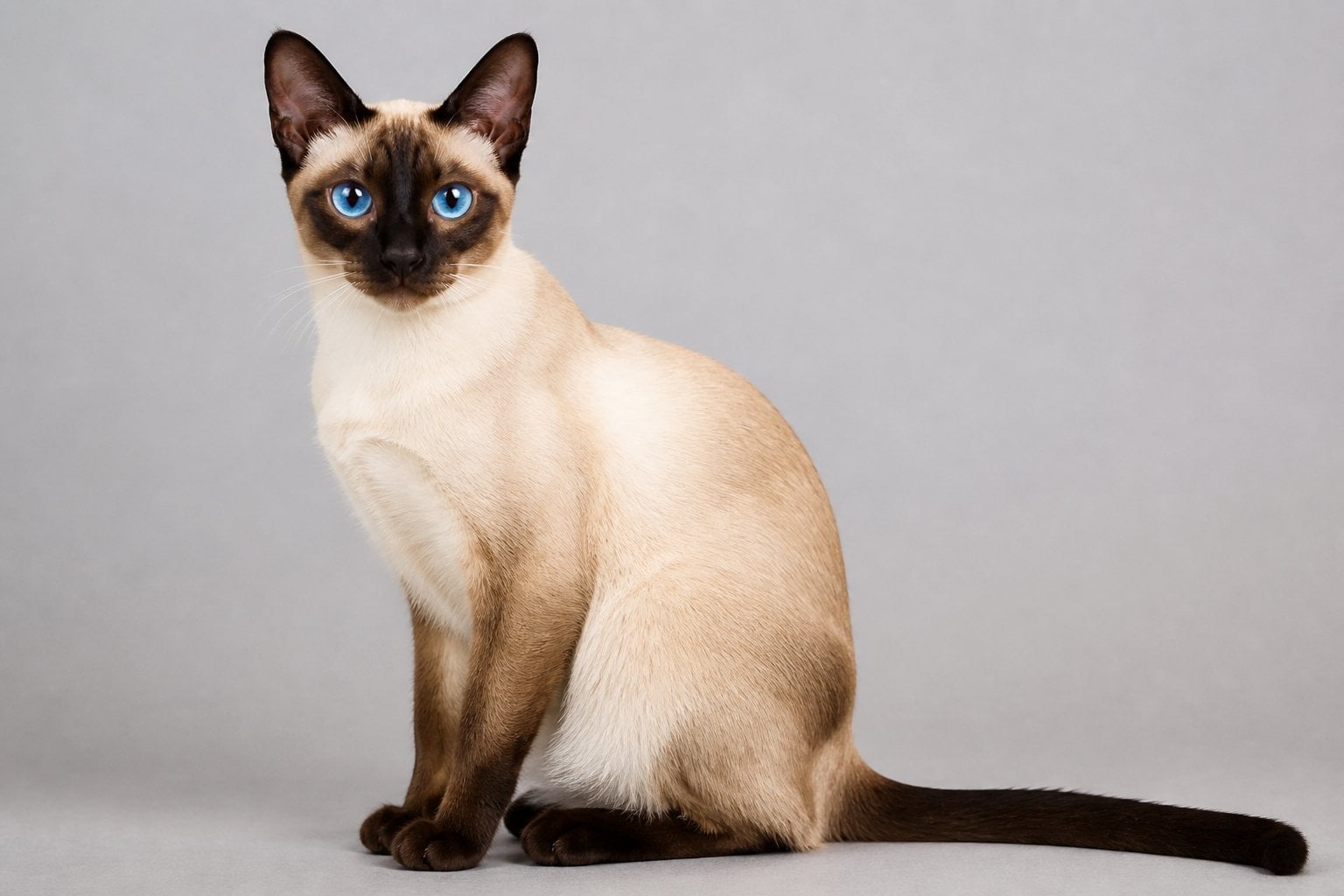
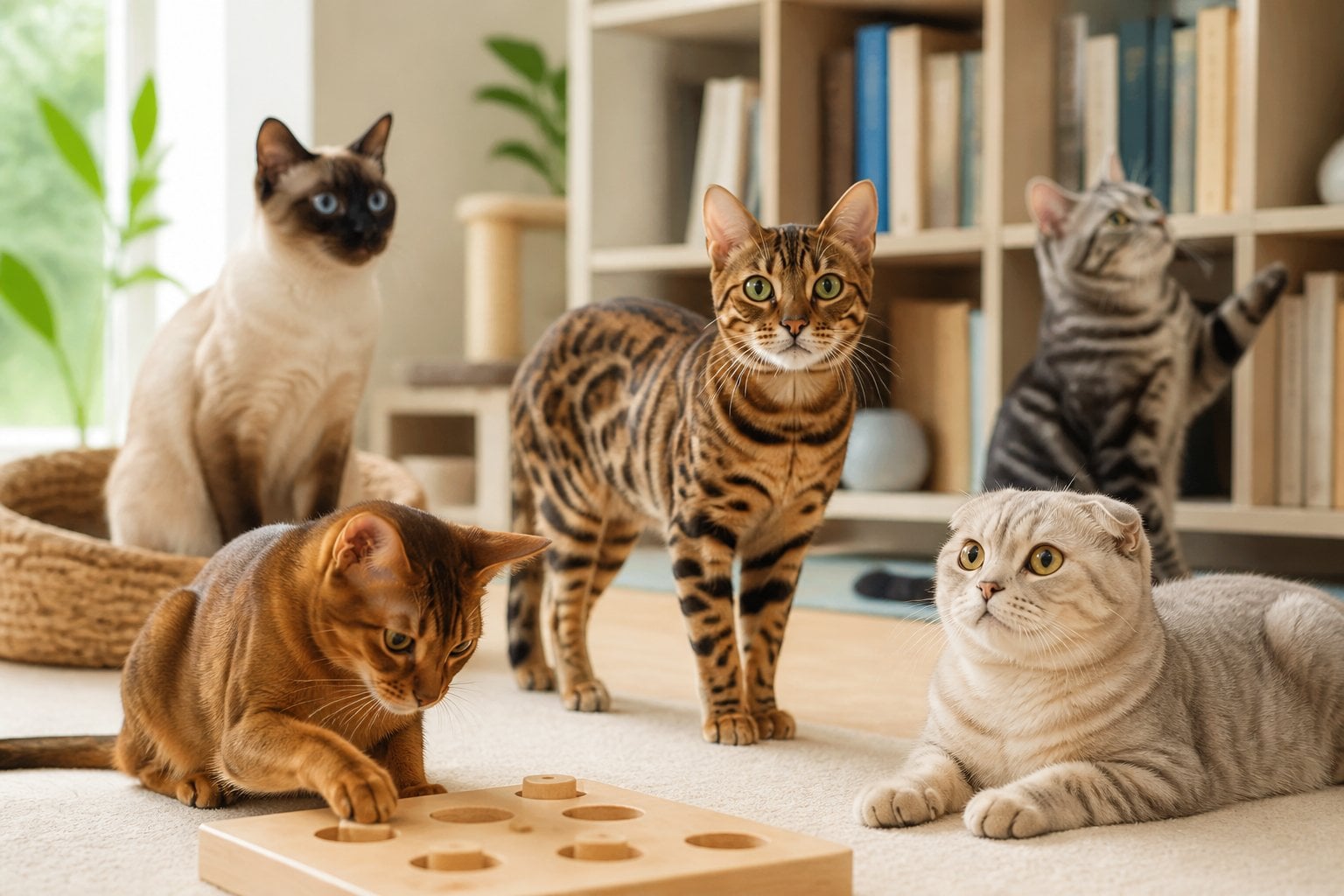
The Siamese cat consistently ranks among the most intelligent feline breeds you can bring into your home. Originating from Thailand, formerly known as Siam, this breed has earned its reputation through exceptional communication skills and problem-solving abilities.
Your Siamese cat will display remarkable social intelligence and an unusual level of vocalization compared to other breeds. They possess strong memory retention and can learn tricks and commands with relative ease.
These cats require substantial mental stimulation to stay content. You’ll notice their inquisitive nature often leads them to explore their environment thoroughly, sometimes resulting in mischievous behavior.
If you choose a Siamese, expect a cat that demands significant one-on-one interaction. Their intelligence means they thrive on engagement with their human companions and can become bored without adequate attention.
2. Bengal
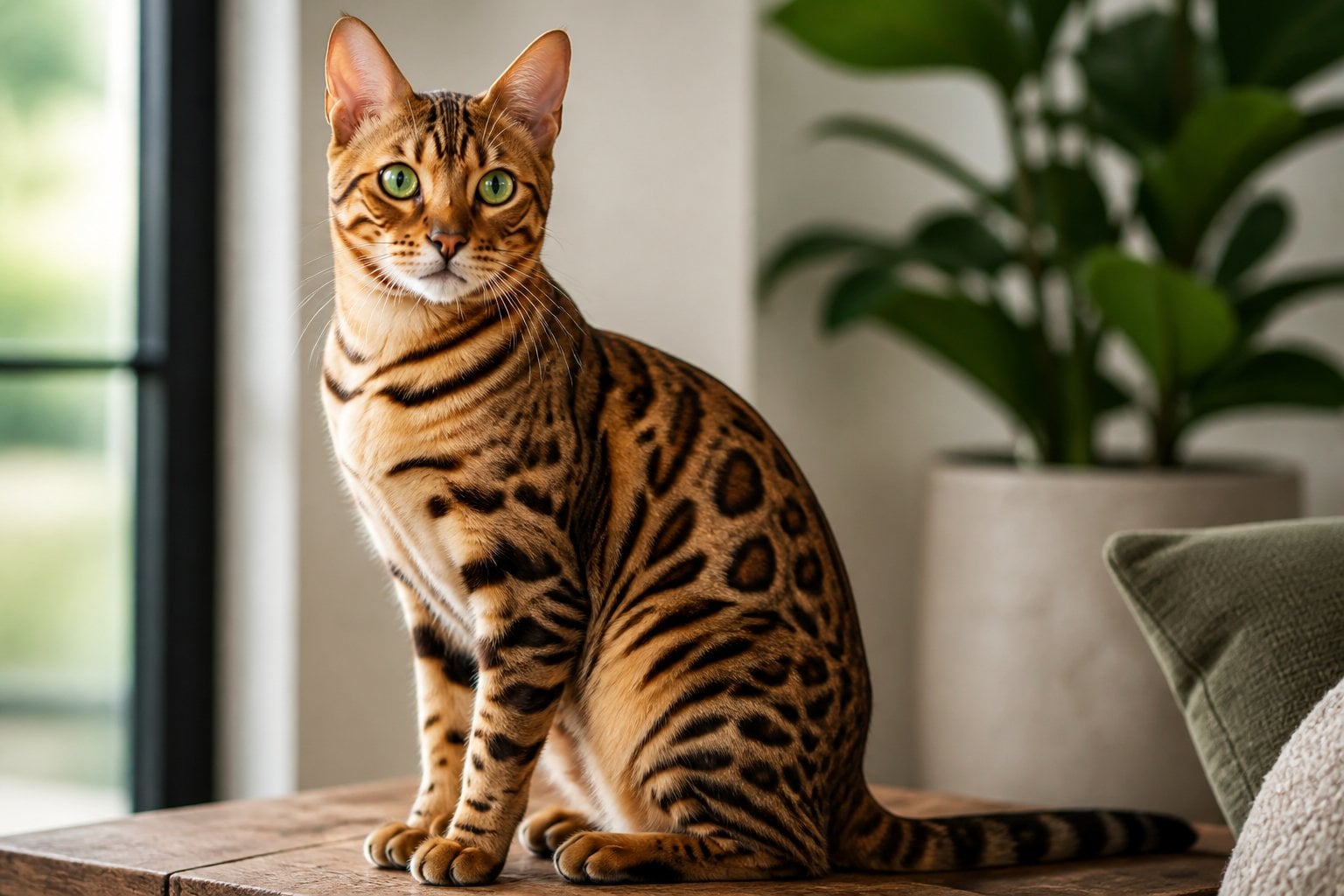
Bengals are recognized for their sharp awareness and exceptional problem-solving abilities. You’ll notice their strong curiosity drives them to investigate every corner of their environment, often figuring out how to open cabinets or doors that other cats would ignore.
These cats possess impressive memory retention and can learn complex behaviors through observation. Your Bengal will likely master puzzle toys quickly and may even learn to play fetch or walk on a leash with proper training.
Their high intelligence means they require substantial mental stimulation to stay content. You should provide interactive toys and regular play sessions to keep your Bengal engaged. Without adequate enrichment, their clever minds can lead them to create their own entertainment, which may include mischievous behavior.
Bengals form strong bonds with their owners and communicate actively through vocalizations and body language.
3. Abyssinian
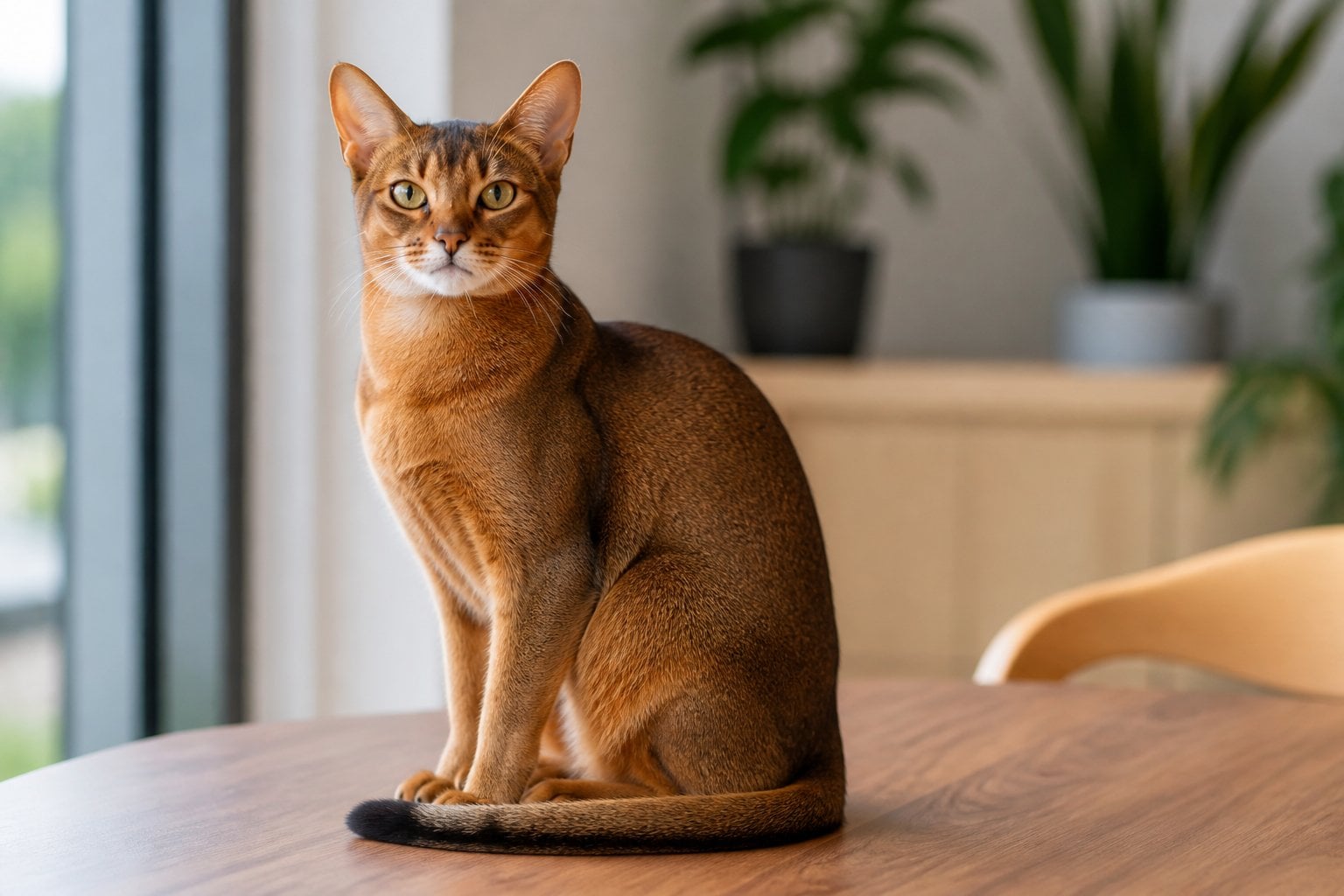
The Abyssinian consistently ranks among the most intelligent cat breeds you can bring into your home. This ancient breed, with origins possibly tracing back to Ethiopia or Egypt, displays remarkable problem-solving abilities and environmental awareness.
You’ll notice your Abyssinian’s insatiable curiosity driving their daily behavior. They excel at figuring out puzzles and investigating every corner of their surroundings. Their inquisitive nature means they’re constantly exploring and learning from their environment.
These cats demonstrate exceptional trainability compared to many other breeds. You can teach them tricks and commands with patience and positive reinforcement.
Your Abyssinian will need regular mental stimulation to stay happy. Without adequate engagement, their intelligence can lead to boredom and potentially destructive behavior. Interactive toys and challenging activities are essential for keeping these clever cats satisfied.
4. Maine Coon
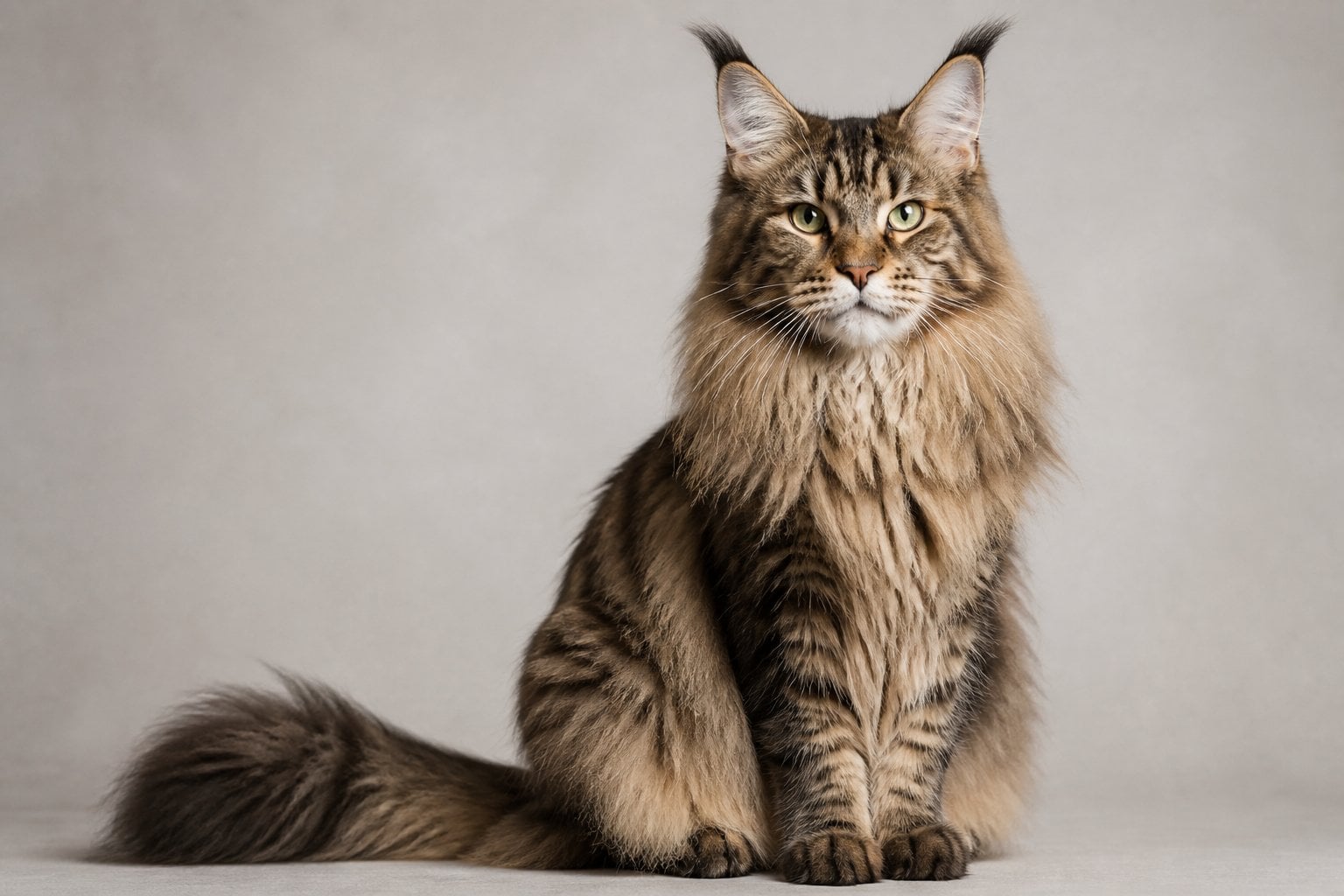
Maine Coons rank among the most intelligent cat breeds, consistently placing high in feline intelligence assessments. These gentle giants originated in North America and are now the third most popular cat breed worldwide.
Your Maine Coon’s intelligence shows through their exceptional problem-solving abilities. They excel at navigating food puzzles and figuring out how to access hard-to-reach places. Their trainability sets them apart from many other breeds, as they can learn commands and tricks with relative ease.
Maine Coons demonstrate strong social intelligence. They interact well with both humans and other pets, adapting quickly to new environments and situations. You’ll notice their curiosity drives them to explore and investigate their surroundings thoroughly.
While some breeds like the Abyssinian often claim the top spot for intelligence, Maine Coons follow close behind. They enjoy mental stimulation through interactive toys and challenging activities that engage their natural cleverness.
5. Sphynx
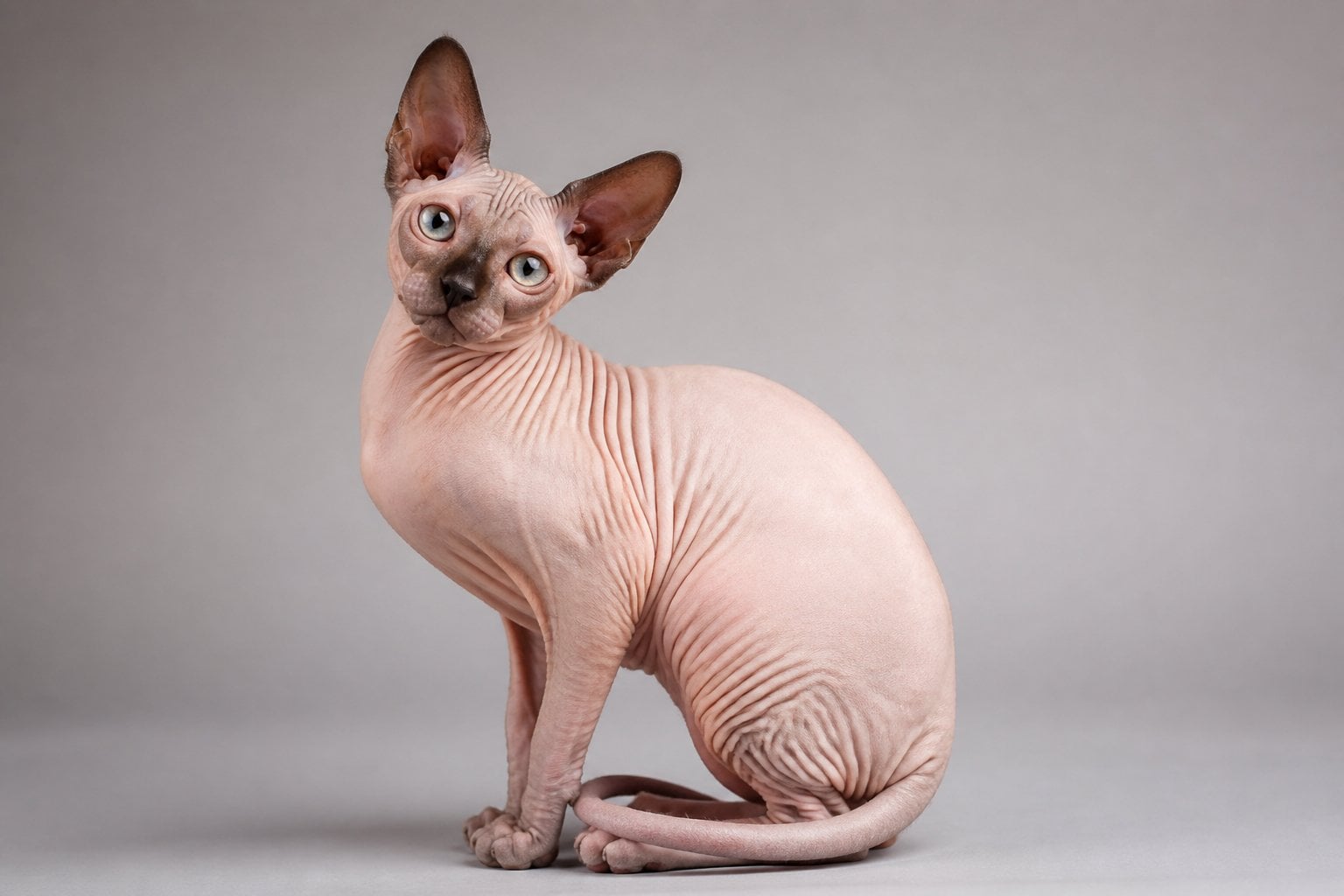
The Sphynx stands out among intelligent cat breeds with its distinctive hairless appearance and sharp mind. Originating in Canada, this breed demonstrates exceptional problem-solving abilities and learns new tasks quickly.
You’ll notice their intelligence through their curious nature and eagerness to explore their surroundings. Sphynx cats excel at interactive games and can master tricks that challenge many other breeds. Their large ears and alert expression reflect their constant engagement with their environment.
These cats form strong bonds with their owners and show high social intelligence. They actively seek human interaction and adapt well to household routines. Their wrinkled skin may be their most recognizable feature, but their cognitive abilities truly set them apart.
The breed requires significant mental stimulation to prevent boredom-related behaviors. You should provide puzzle toys and regular play sessions to keep your Sphynx mentally engaged.
6. Oriental Shorthair
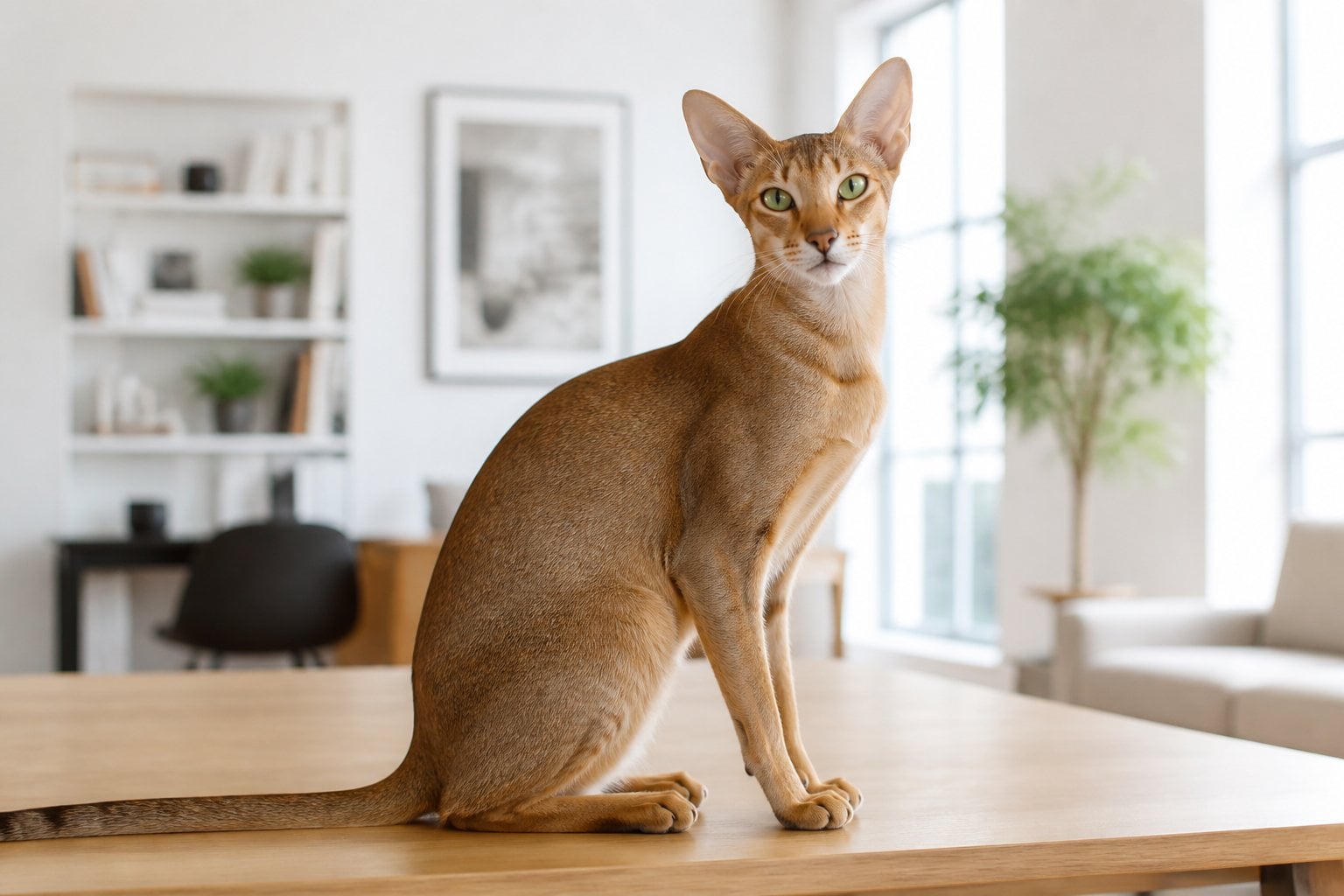
The Oriental Shorthair ranks among the most intelligent cat breeds you can bring into your home. These sleek, elegant cats are known for their demanding and vocal nature, which stems from their sharp minds and desire for interaction.
You’ll find that Oriental Shorthairs excel at problem-solving and quickly learn new tricks. Their sociable temperament makes them highly trainable compared to many other breeds. These cats thrive on mental stimulation and will actively seek out challenges.
Their intelligence shows through their curiosity and ability to adapt to new situations. You’ll notice they form strong bonds with their owners and communicate their needs clearly. Oriental Shorthairs require consistent engagement to keep their active minds satisfied.
These cats are descendants of Siamese breeding programs, which contributes to their exceptional cognitive abilities and distinctive personality traits.
7. Russian Blue
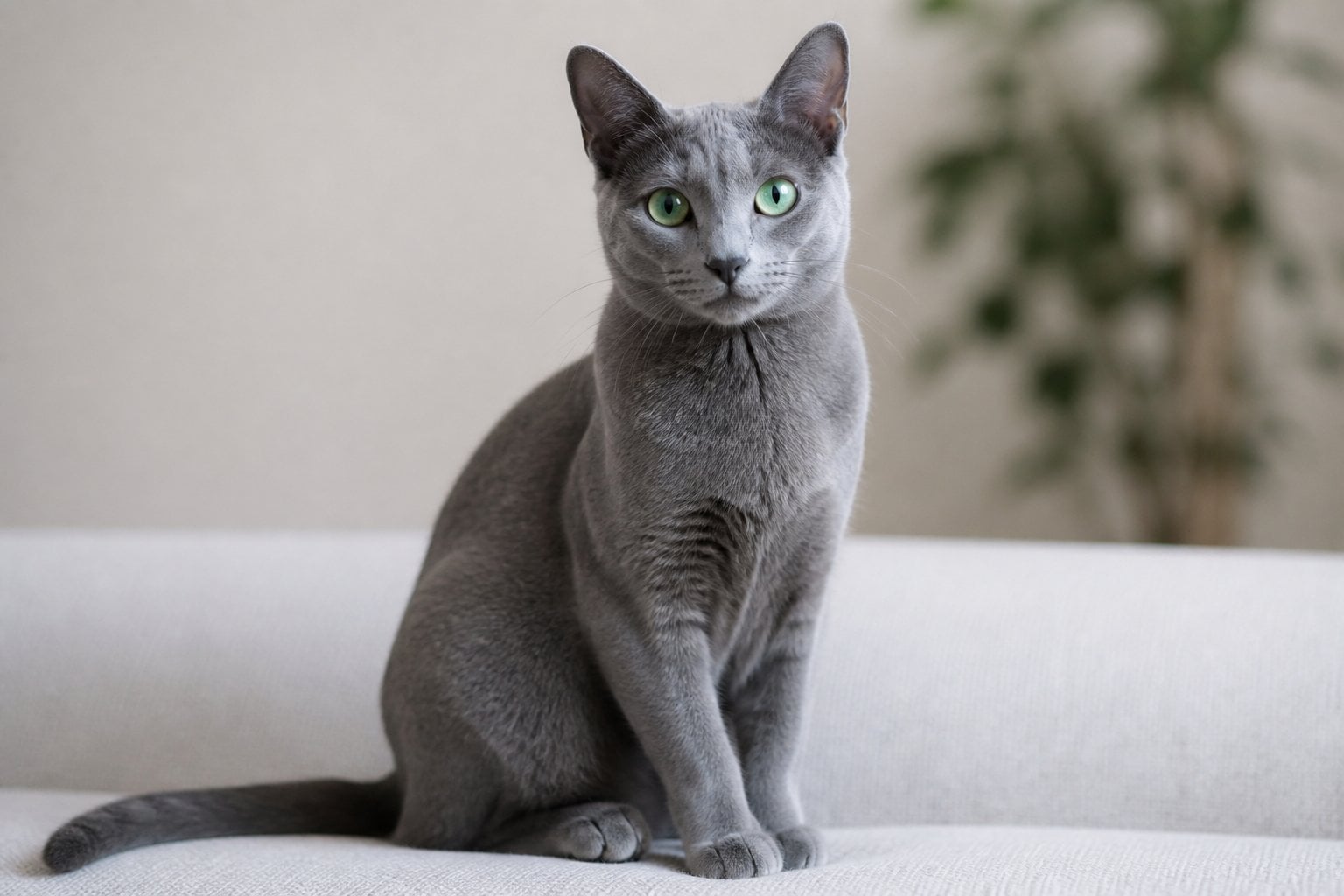
The Russian Blue stands out as one of the most intelligent cat breeds you can bring into your home. These cats with their distinctive blue-gray coats possess exceptional cognitive abilities and learning capacity.
Your Russian Blue will demonstrate intelligence through keen observation skills. They learn your daily routines quickly, anticipating feeding times and your movements throughout the day.
These cats respond well to training and can master commands with proper guidance. Their sharp memory allows them to retain what they learn over time.
Russian Blues are known for being perceptive about human emotions and adapt easily to new environments. They combine problem-solving skills with a naturally curious disposition, making them engaging companions.
Their intelligence means they require adequate mental stimulation. You’ll need to provide puzzle toys and interactive play to keep your Russian Blue satisfied.
8. Burmese
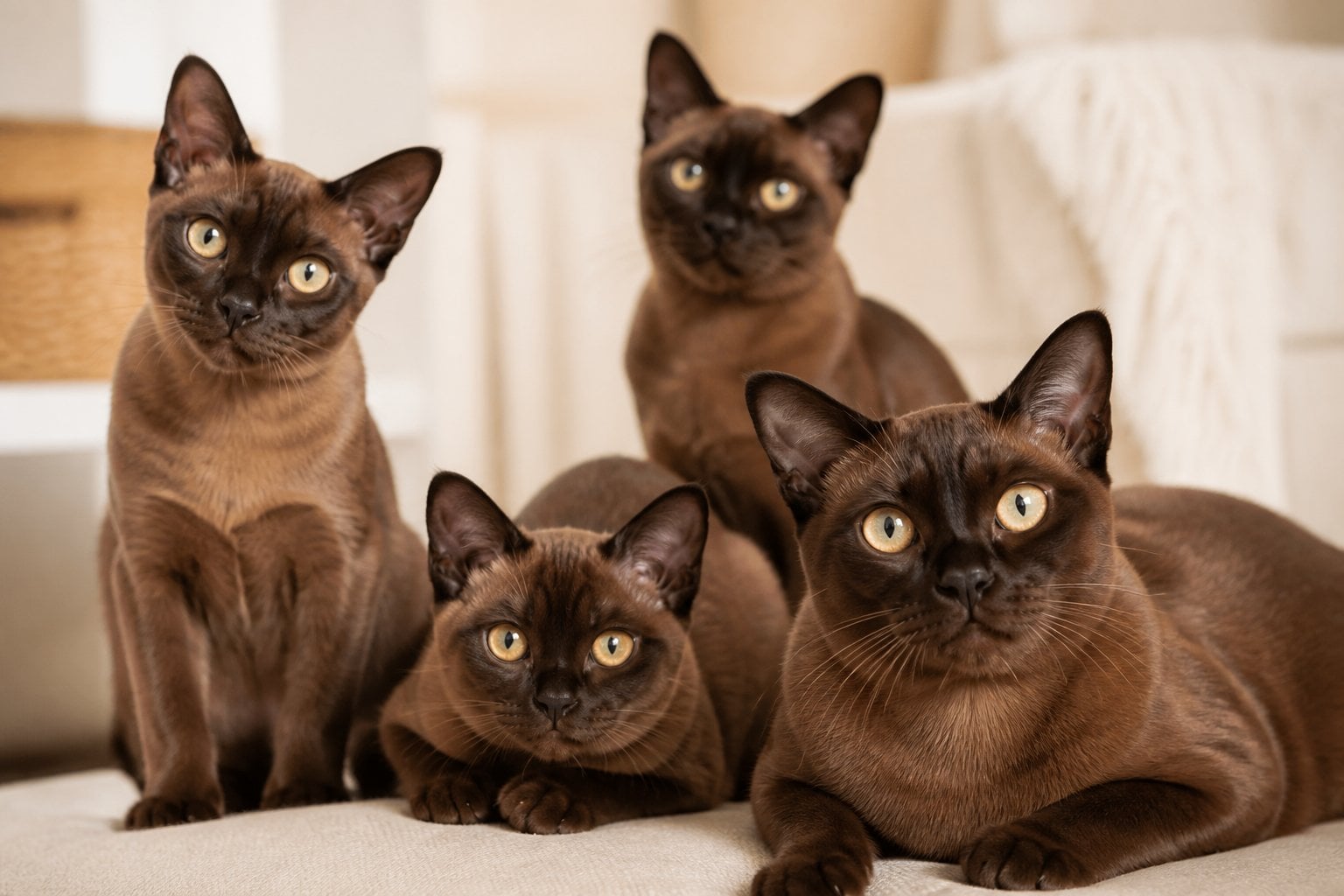
The Burmese stands out for its exceptional emotional intelligence and ability to read human moods. This breed demonstrates strong social cognition, often seeking eye contact with you to communicate or solve problems.
You’ll find that Burmese cats are remarkably trainable, responding well to clicker training methods. Their intelligence pairs with an affectionate, dog-like personality that makes them follow you from room to room.
These cats form deep bonds with their owners and thrive on being the center of attention. Their curious and playful nature requires mental stimulation to keep them engaged.
The Burmese combines problem-solving skills with social awareness, making them both clever and highly interactive companions. They’re best suited for indoor living or supervised outdoor time due to their inquisitive tendencies.
9. Savannah
The Savannah cat results from crossing an African serval with a domestic cat, creating one of the largest domesticated breeds. This hybrid background gives them exceptional intelligence that combines wild survival instincts with domestic adaptability.
Savannah cats excel at problem-solving and often surprise their owners with creative solutions to challenges. Their curiosity drives them to explore their environment thoroughly, and they can learn to open doors, cabinets, and containers.
These cats are highly trainable compared to many other breeds. You’ll find they can learn tricks, walk on leashes, and adapt quickly to new situations. Their social nature means they interact well with humans and can form strong bonds with their families.
The Guinness Book of World Records has recognized a Savannah as the world’s tallest domestic cat, reflecting their impressive physical presence alongside their mental capabilities.
10. Cornish Rex
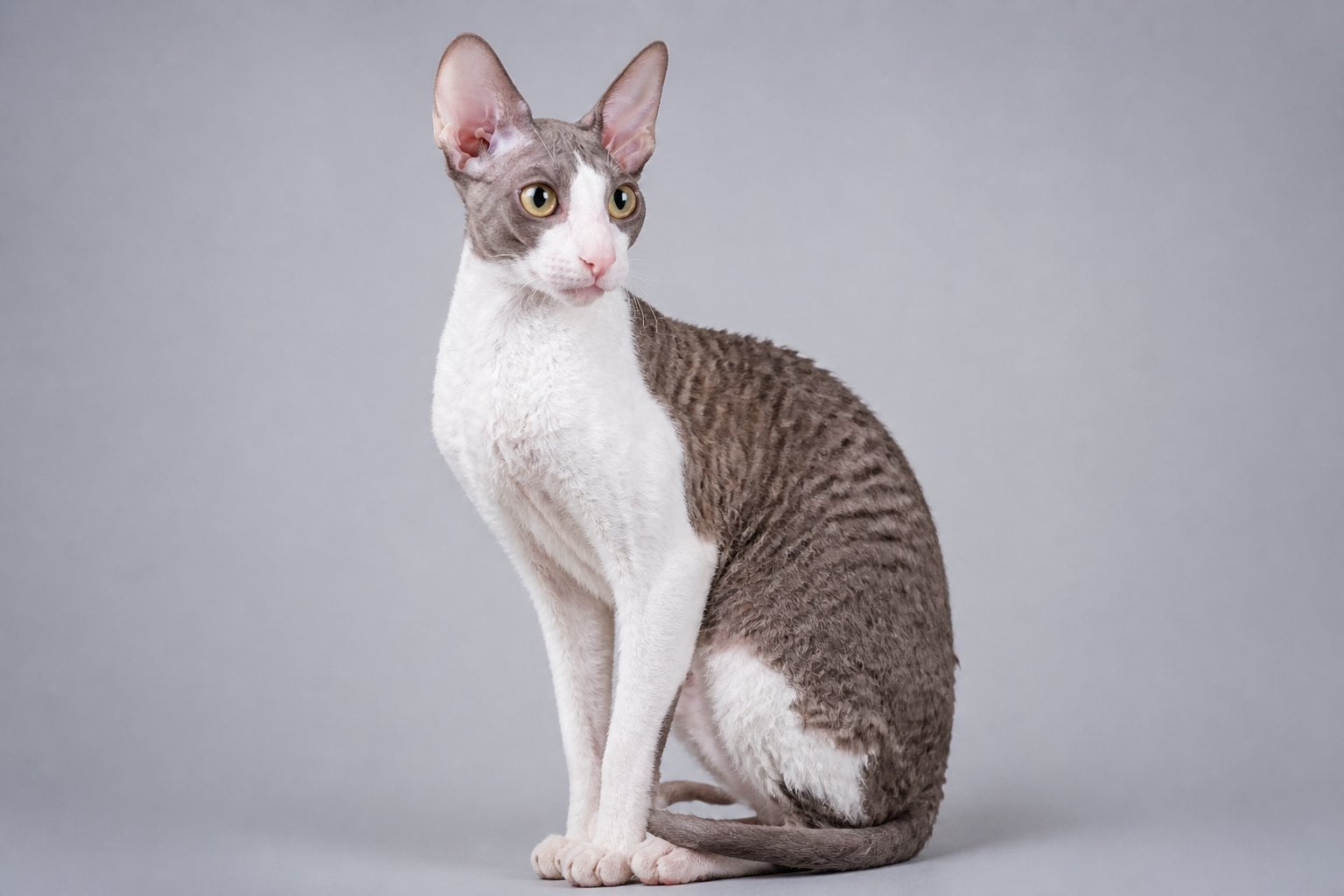
The Cornish Rex stands out among intelligent cat breeds with its distinctive curly coat and oversized ears. This breed originated in Cornwall, United Kingdom, during the 1950s through a natural genetic mutation.
Your Cornish Rex will display kitten-like curiosity throughout its entire life. These cats excel at problem-solving and quickly learn how their environment works through active exploration and play.
The breed’s athletic build reflects its energetic nature. You’ll find your Cornish Rex loves to jump, climb, and engage in interactive games like fetch. Their high intelligence means they need regular mental stimulation to stay content.
These cats can learn tricks, follow house rules, and adapt well to new situations. Their friendly, laid-back personality combines with their sharp minds to make them highly trainable companions who thrive on human interaction.
11. Ocicat
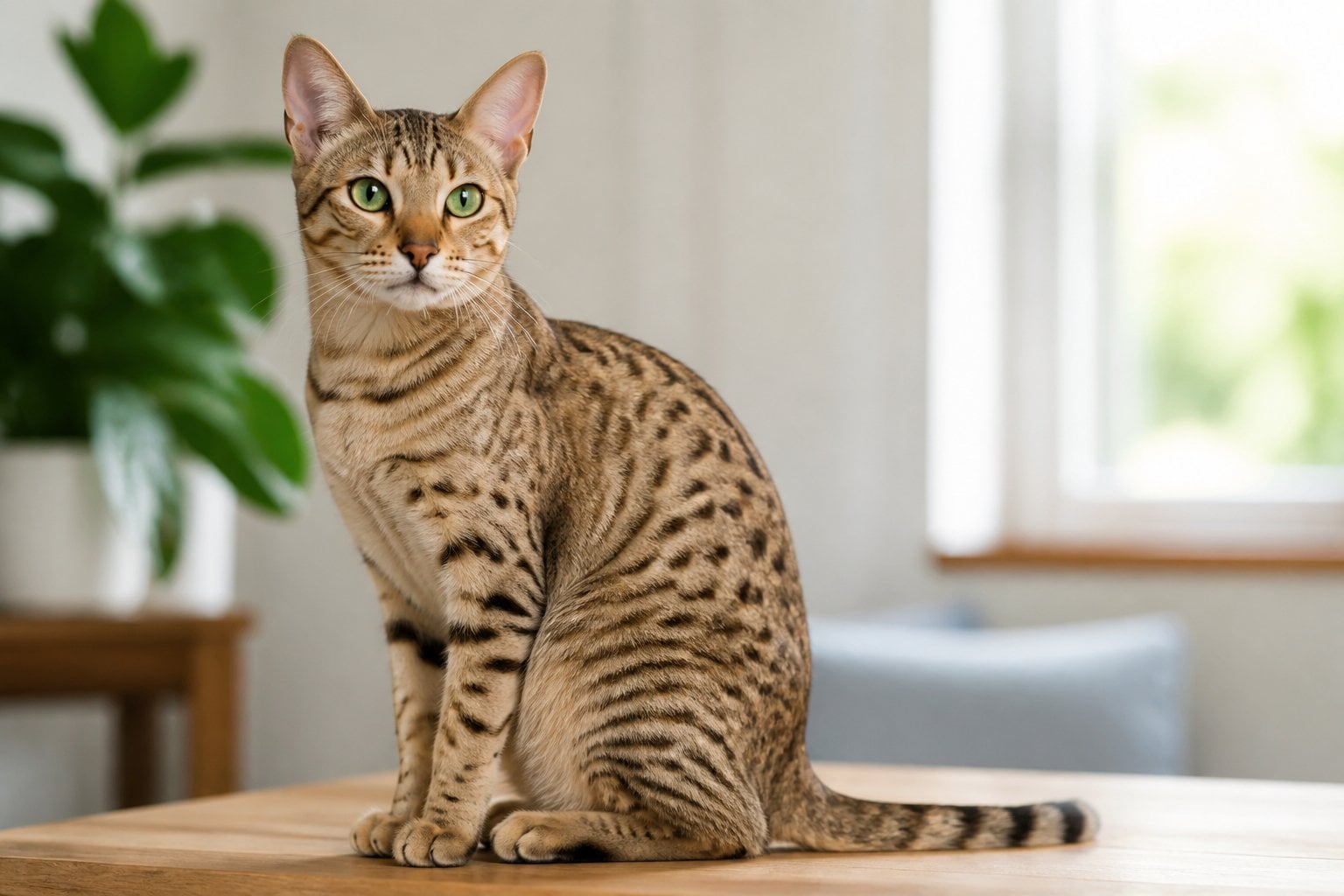
The Ocicat stands out for its striking wild appearance combined with domestic intelligence. Despite looking exotic, this breed contains no recent wild DNA and was developed entirely through selective breeding programs.
Your Ocicat will demonstrate exceptional learning abilities during training sessions. These cats combine high energy levels with focused attention, making them quick students when you introduce new commands or tricks.
Ocicats adapt readily to new environments and situations, a key indicator of feline intelligence. They’re highly sociable with both humans and other pets, displaying the emotional awareness characteristic of smart cat breeds.
You’ll find that Ocicats need substantial mental stimulation to stay content. Their active minds require regular engagement through puzzle toys, interactive play, and training exercises to prevent boredom-related mischief.
12. Tonkinese
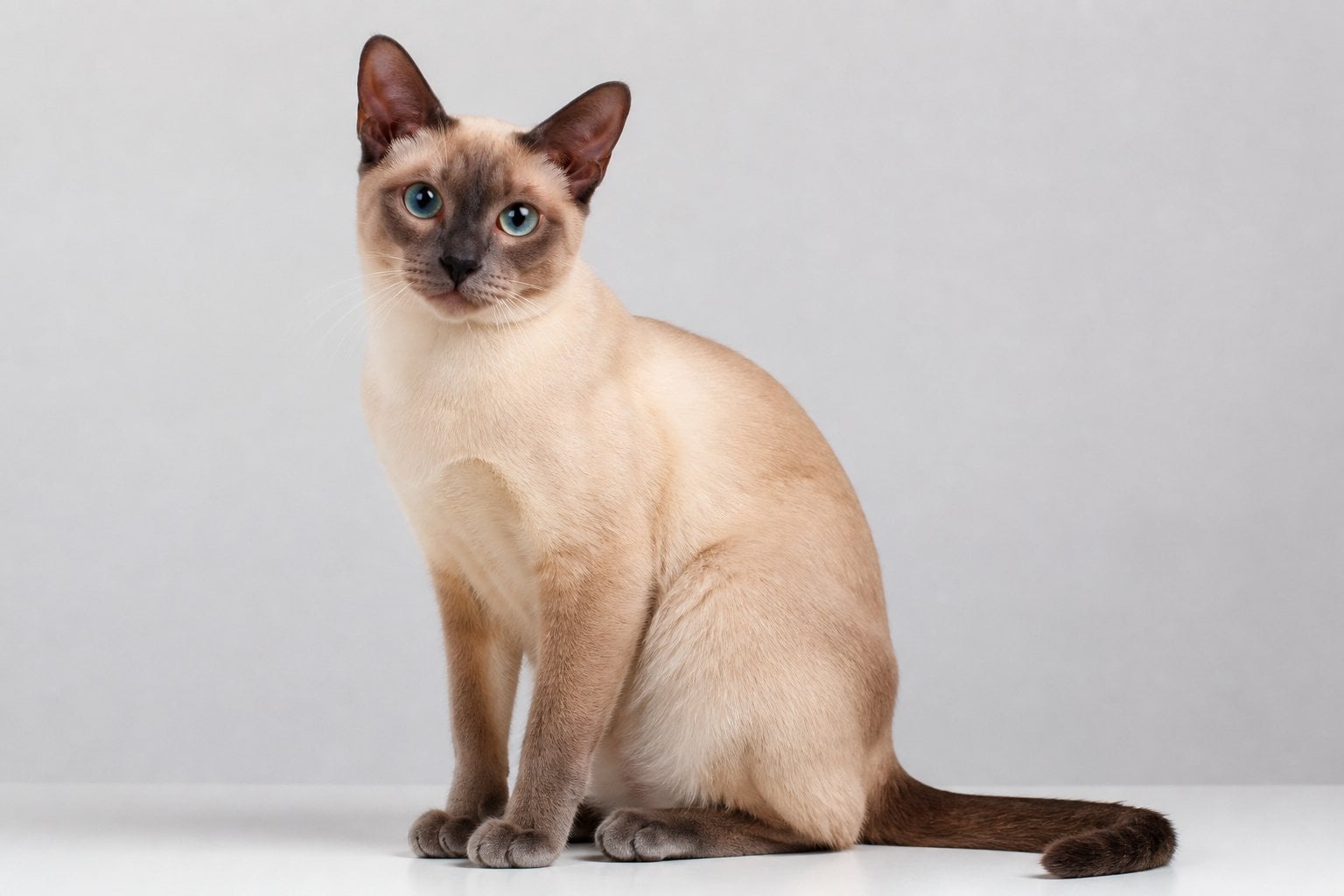
The Tonkinese emerged in the 1960s as a deliberate cross between Siamese and Burmese cats. This breeding strategy combined the intelligence of both parent breeds into one remarkably clever feline.
You’ll find that Tonkinese cats demonstrate their smarts through exceptional problem-solving abilities and quick learning. They’re highly trainable compared to many other breeds and adapt readily to new environments.
Their intelligence manifests in social settings as well. Tonkinese cats show genuine interest in people and display curiosity about their surroundings. They use their mental abilities practically rather than destructively.
These cats typically live 14-16 years, giving you plenty of time to appreciate their cognitive talents. Their balanced temperament means they apply their intelligence in ways that work well within household settings, making them both smart and pleasant companions.
13. Turkish Van
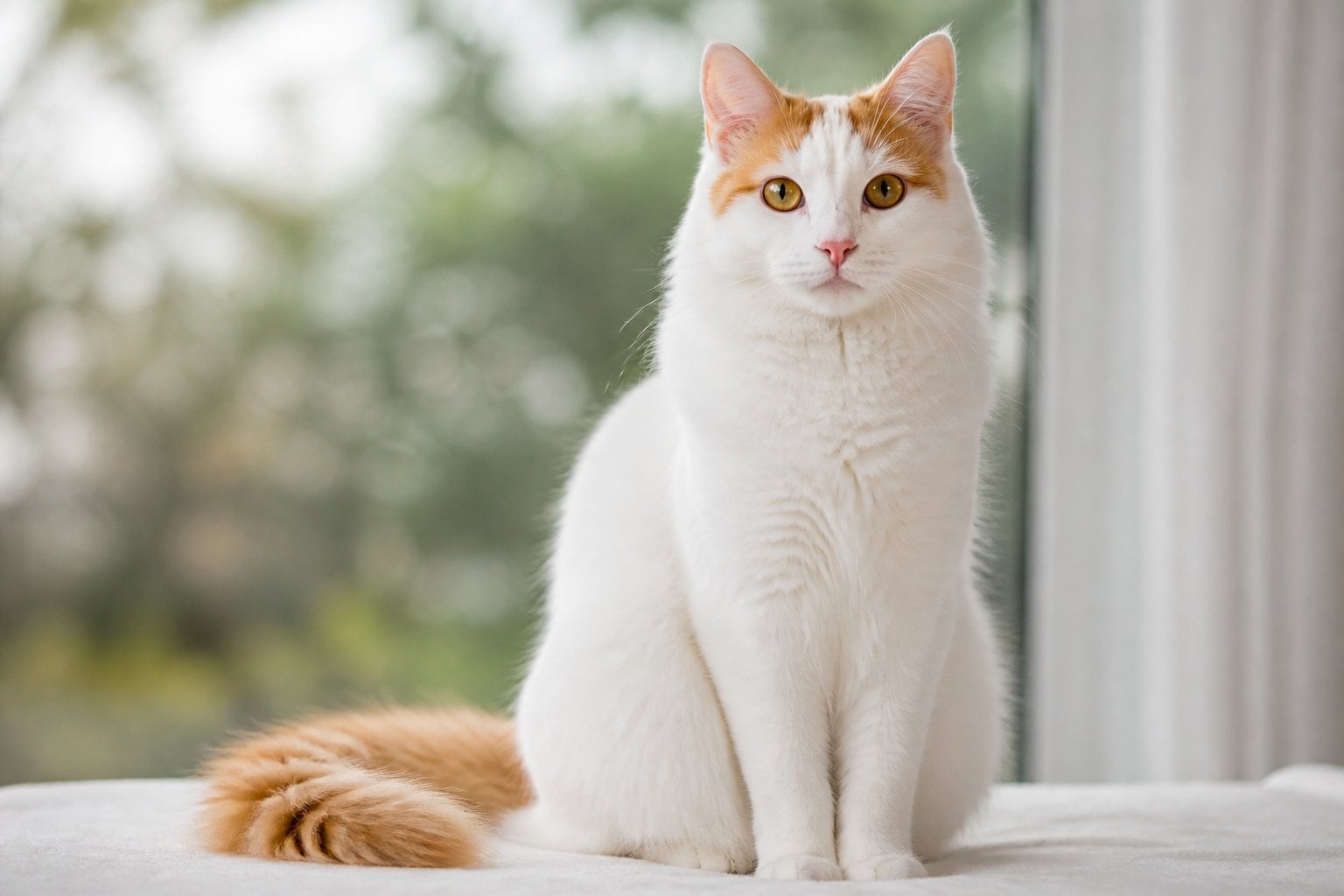
The Turkish Van stands out as one of the more intelligent cat breeds, combining problem-solving abilities with an independent nature. This ancient breed from Turkey demonstrates its smarts through adaptability and trainability.
What makes the Turkish Van particularly notable is its unusual affinity for water. While most cats avoid getting wet, this breed often enjoys swimming and playing in water, showcasing cognitive flexibility that differs from typical feline behavior.
Turkish Vans are quick learners who can master tricks and commands when properly motivated. They’re also highly social and form strong bonds with their families. Their intelligence manifests in their playful, active personalities and their ability to figure out how to open doors or access high places.
This rare breed requires mental stimulation to stay happy. You’ll find they thrive on interactive play and environmental enrichment.
14. Egyptian Mau
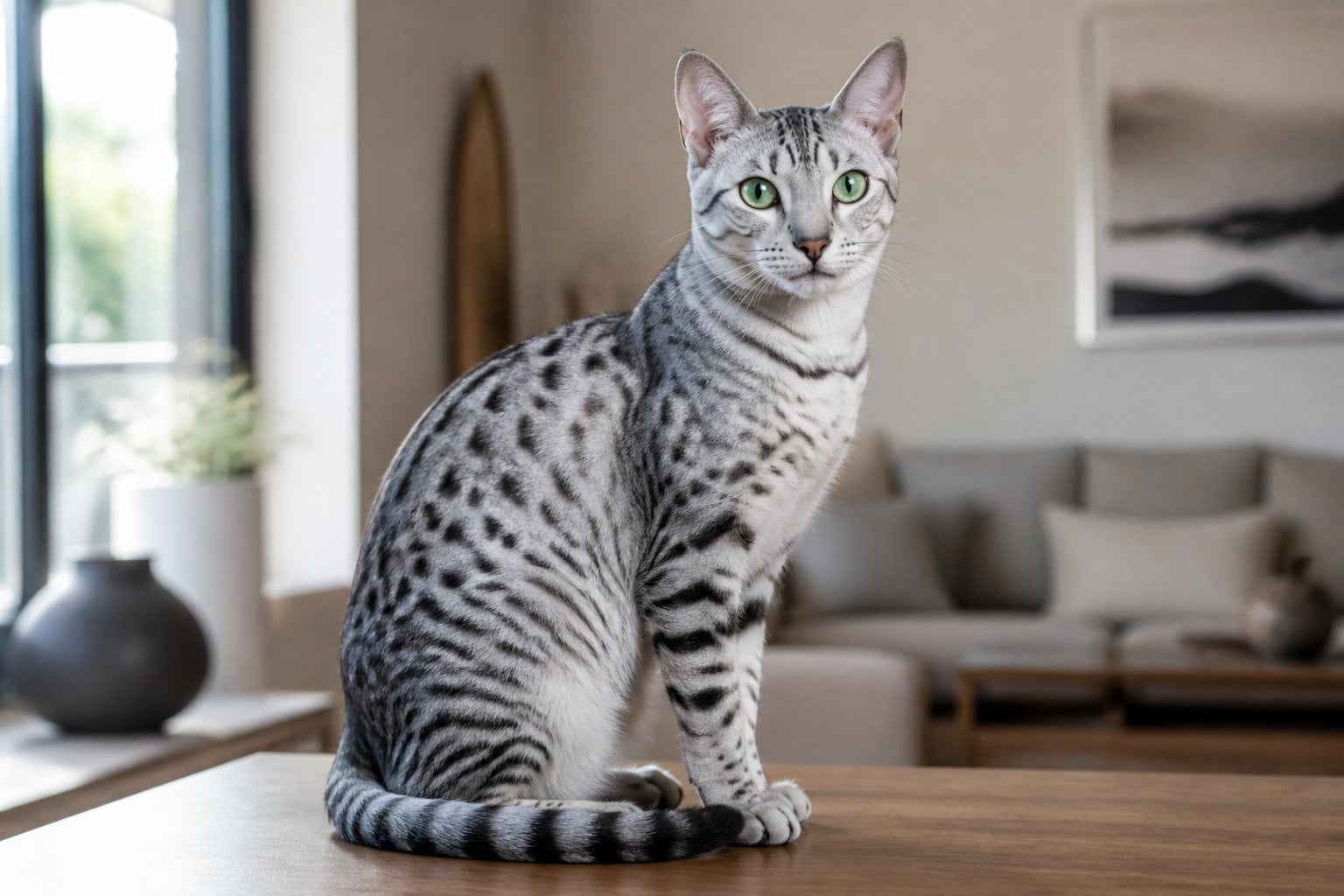
The Egyptian Mau stands out not only for its striking spotted coat but also for its remarkable intelligence. This ancient breed demonstrates exceptional problem-solving abilities and learns quickly from observation.
You’ll notice their sharp minds at work when they figure out how to open doors or cabinets. Egyptian Maus form strong bonds with their families and communicate effectively through varied vocalizations and body language.
Their intelligence pairs with natural athleticism, as they’re recognized as the fastest domestic cat breed, reaching speeds up to 30 mph. This combination of mental and physical prowess makes them highly trainable cats that excel at interactive games and puzzle toys.
The breed’s cognitive abilities likely developed over thousands of years of domestication in ancient Egypt, where they adapted to living closely with humans while maintaining their hunting instincts.
15. Norwegian Forest Cat
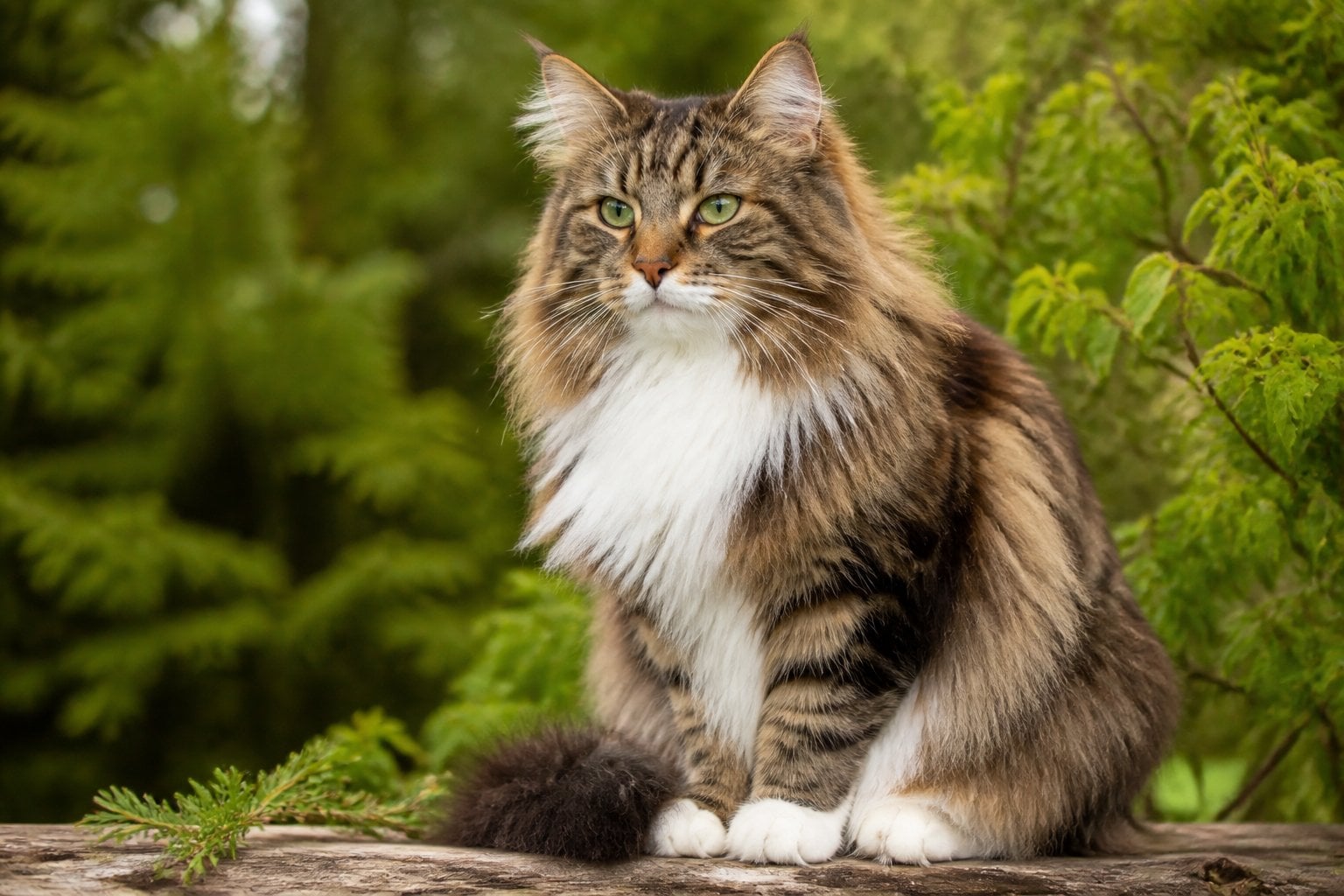
The Norwegian Forest Cat, often called a “Wegie,” combines impressive intelligence with a gentle temperament. These cats demonstrate exceptional spatial memory, allowing them to remember complex routes and resource locations after just one exposure.
Their problem-solving abilities stand out among cat breeds. You’ll notice their keen nature makes them highly trainable and quick to adapt to new environments.
Norwegian Forest Cats are deeply people-oriented without being clingy. Their intelligent, companionable personality means they want to be near you while maintaining their independence. This balance makes them excellent companions for families seeking a smart, engaging pet.
Keep in mind that their high intelligence requires mental stimulation. You’ll need to provide appropriate activities and interactions to prevent boredom, which can sometimes lead to unwanted behaviors. Their cognitive abilities have been respected for centuries, even appearing in Norse mythology as companions of the goddess Freya.
16. Scottish Fold
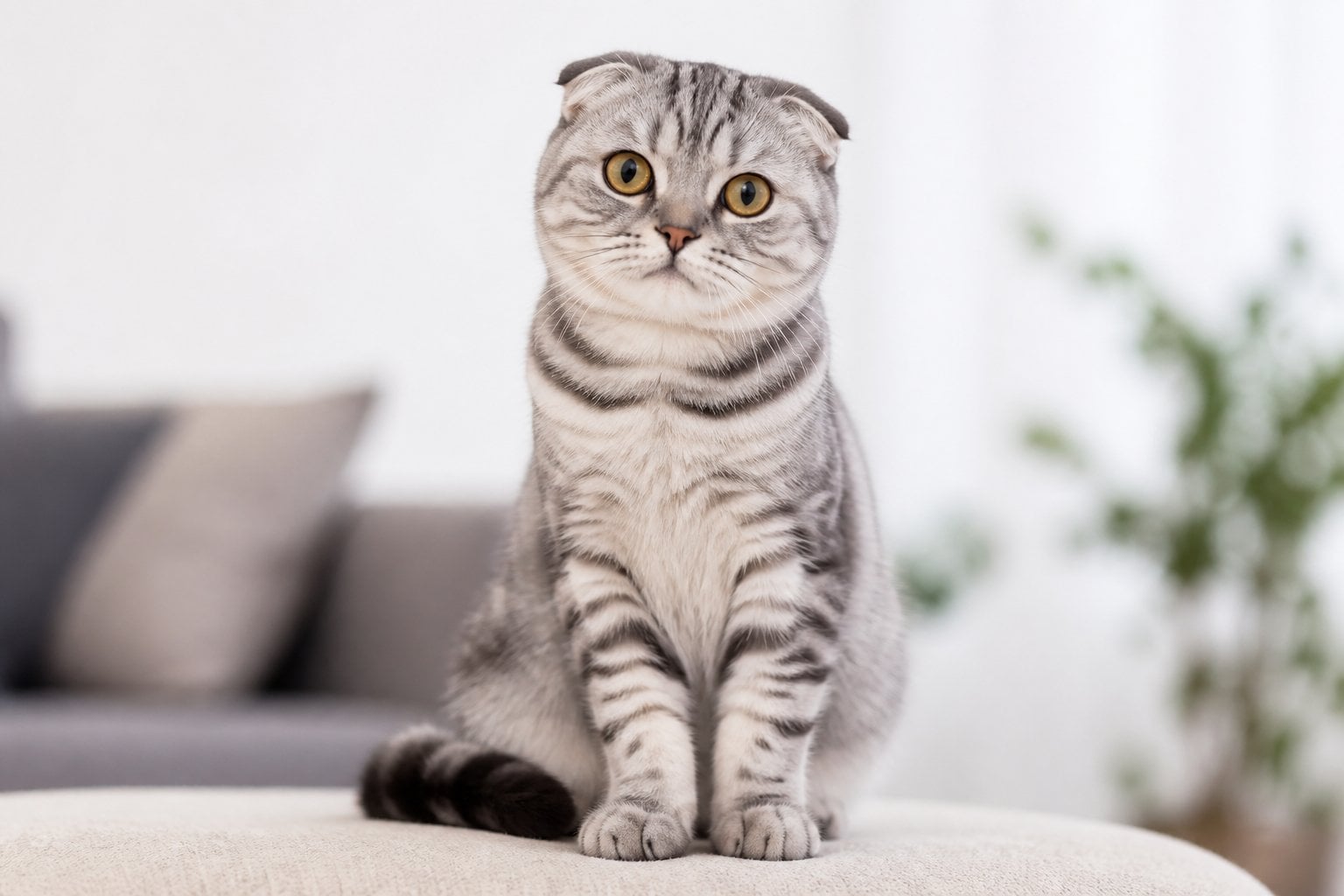
The Scottish Fold stands out for its distinctive folded ears, though not every cat in this breed displays this trait. These cats demonstrate their intelligence through problem-solving abilities and a preference for mentally stimulating activities.
Scottish Folds enjoy puzzle toys and games that challenge their cognitive skills rather than just physical play. They’re observant cats that pay close attention to human behavior and routines, allowing them to adapt quickly to household patterns.
You’ll notice these cats are moderately active and playful with an easy-going temperament. They form strong bonds with their families and show good social intelligence. Scottish Folds are known for their quirky behaviors, like sitting upright or lying in unusual positions, which reflects their curious and adaptable nature.
17. Balinese
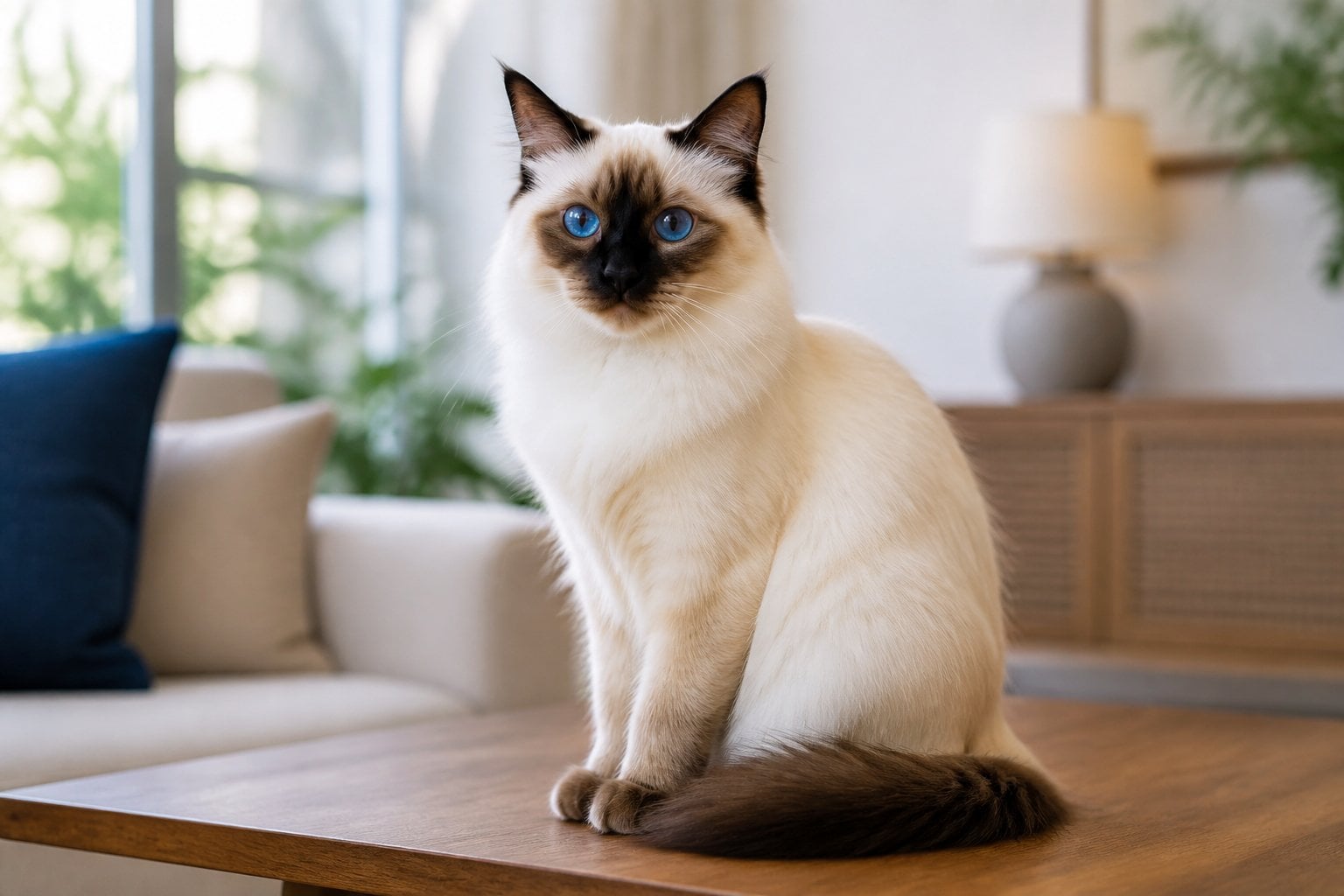
The Balinese is essentially a long-haired version of the Siamese, inheriting both striking looks and exceptional intelligence. This breed demonstrates high social intelligence and quickly picks up new commands through positive reinforcement training.
You’ll find that Balinese cats are notably vocal and use varied tones to communicate their needs and desires. They’re particularly sensitive to human moods and emotions, making them excellent companions for owners who appreciate interactive relationships with their pets.
These cats thrive on mental stimulation and excel at puzzle-solving activities. You can keep your Balinese engaged with interactive toys, cat trees for climbing, and training sessions that challenge their quick minds.
The breed’s inquisitive nature means your Balinese will likely investigate everything you do around the house. They’re active cats that need regular enrichment to satisfy their curious and intelligent personalities.
18. Chartreux
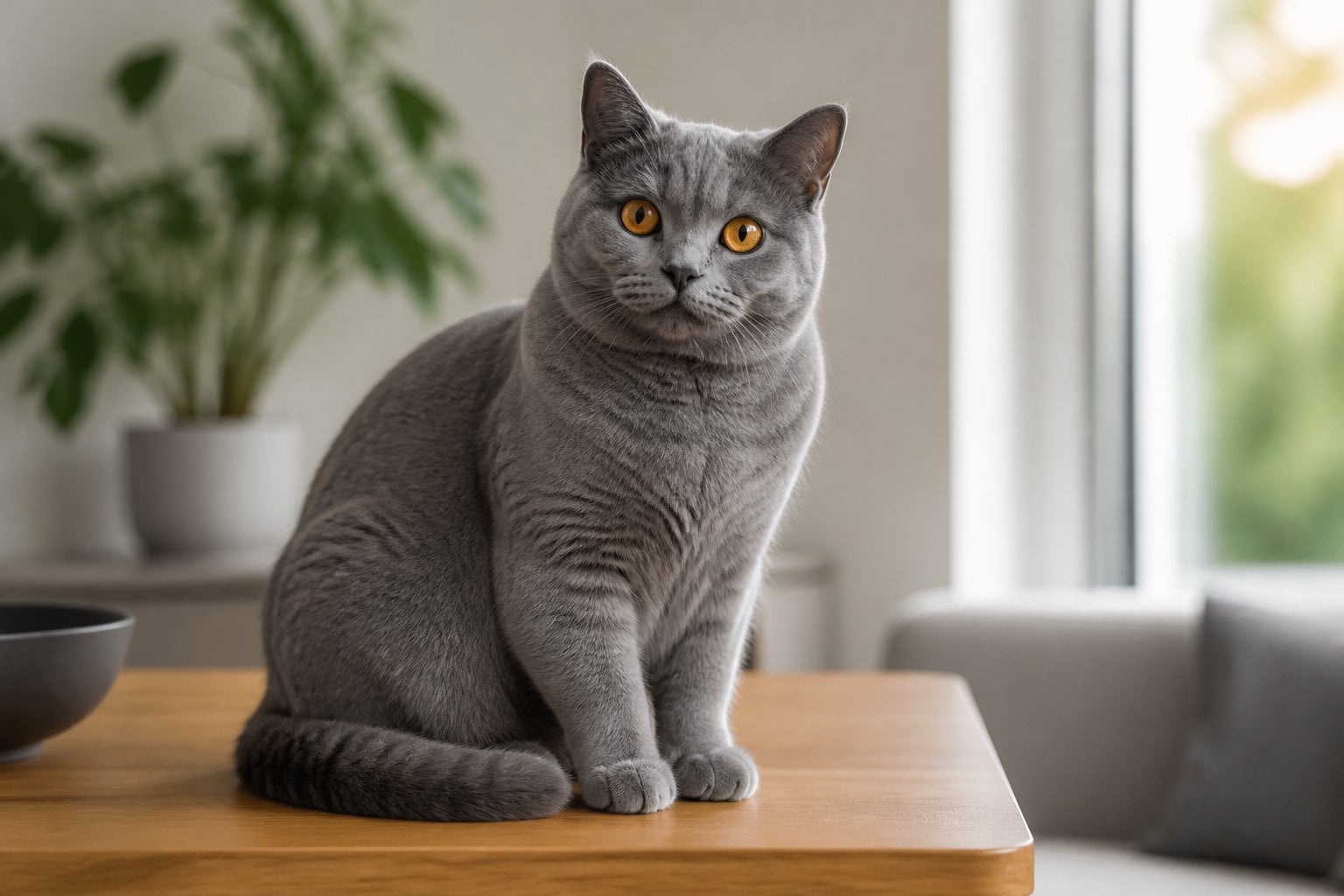
The Chartreux is a French breed that demonstrates notable intelligence through its problem-solving abilities and adaptability. These cats use their cognitive skills to navigate challenges and respond thoughtfully to their environment.
You’ll find that Chartreux cats are highly trainable compared to many other breeds. Their mental capabilities contribute to their reputation as one of the smarter cat breeds available today.
Despite their intelligence, Chartreux cats maintain a calm and quiet demeanor. They’re known for being loyal companions who form strong bonds with their families while displaying an easygoing nature.
The breed’s physical characteristics include a sturdy, muscular build with a distinctive blue-gray coat. Their agility and quick reflexes complement their mental sharpness, making them both physically and intellectually capable cats.
Chartreux are relatively rare in the United States, so finding a breeder may require additional research and patience.
19. Manx
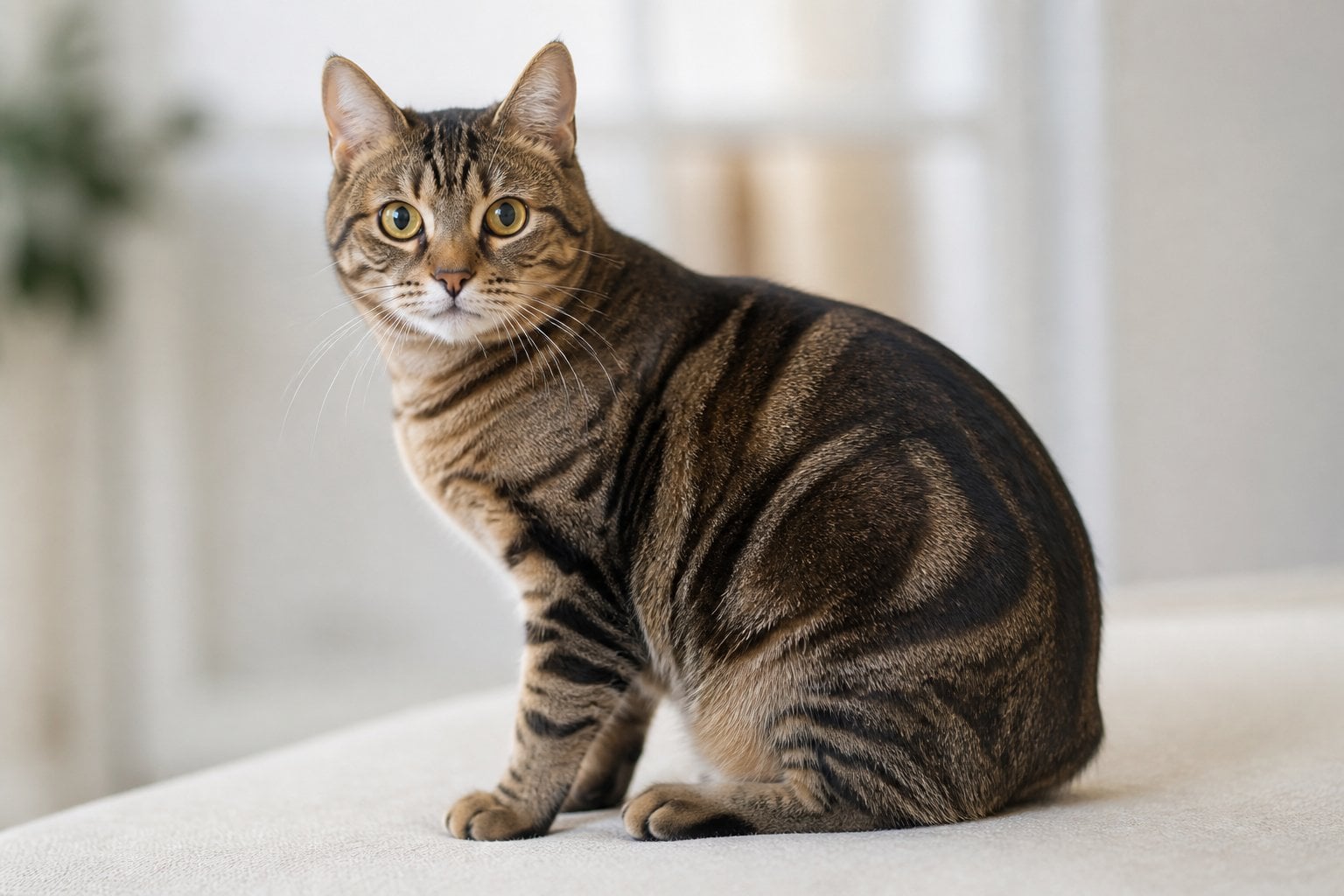
The Manx cat stands out for its problem-solving abilities and quick learning capacity. You’ll find this breed particularly adept at figuring out how to open doors, cabinets, and puzzle toys that would stump less intelligent cats.
This breed’s intelligence shows in its strong observational skills. Your Manx will watch your routines carefully and learn to anticipate your actions, often greeting you at the door before you arrive or waiting by their food bowl at mealtime.
Manx cats are highly trainable and respond well to positive reinforcement. You can teach them tricks, leash walking, and even fetch with relative ease compared to many other breeds.
Their social intelligence is equally notable. These cats form strong bonds with their families and demonstrate an unusual ability to read human emotions and respond appropriately to your moods.
20. Ragamuffin
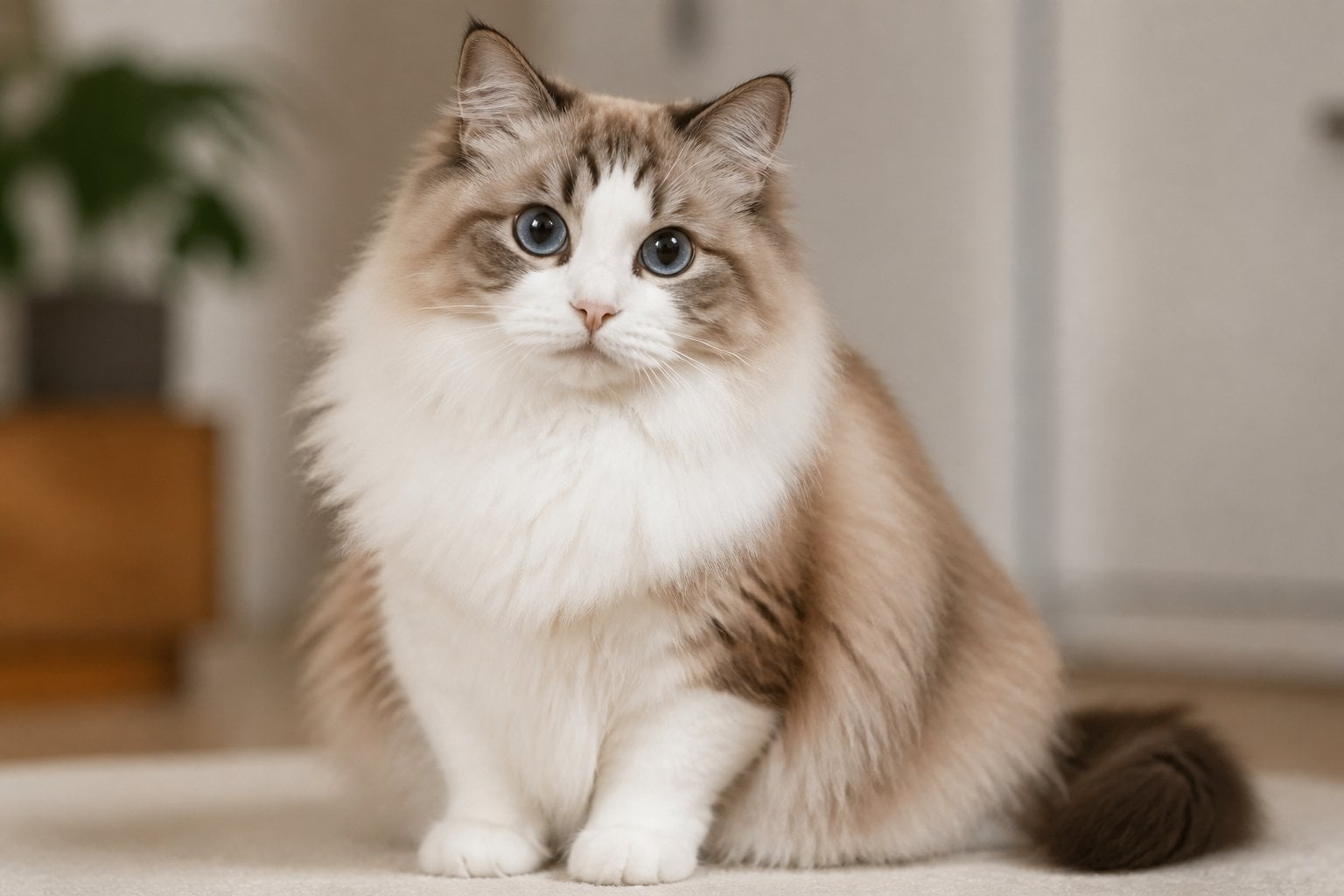
The Ragamuffin is an exceptionally intelligent breed that stands out for its problem-solving abilities and quick learning capacity. These cats can master complex behaviors and understand cause-and-effect relationships with relative ease.
You’ll find that Ragamuffins are highly trainable compared to many other breeds. They can learn to respond to commands, perform tricks, and even figure out how to open doors or operate simple mechanisms when motivated.
What sets this breed apart is how their intelligence combines with their famously sweet temperament. Ragamuffins are eager to interact with their human companions and will use their smarts to get your attention or solve problems around the house.
The breed was established as separate from the Ragdoll in 1994. Despite their thick, luxurious coats and cuddly appearance, these cats possess sharp minds that need mental stimulation to stay happy and engaged.
21. Ragdoll
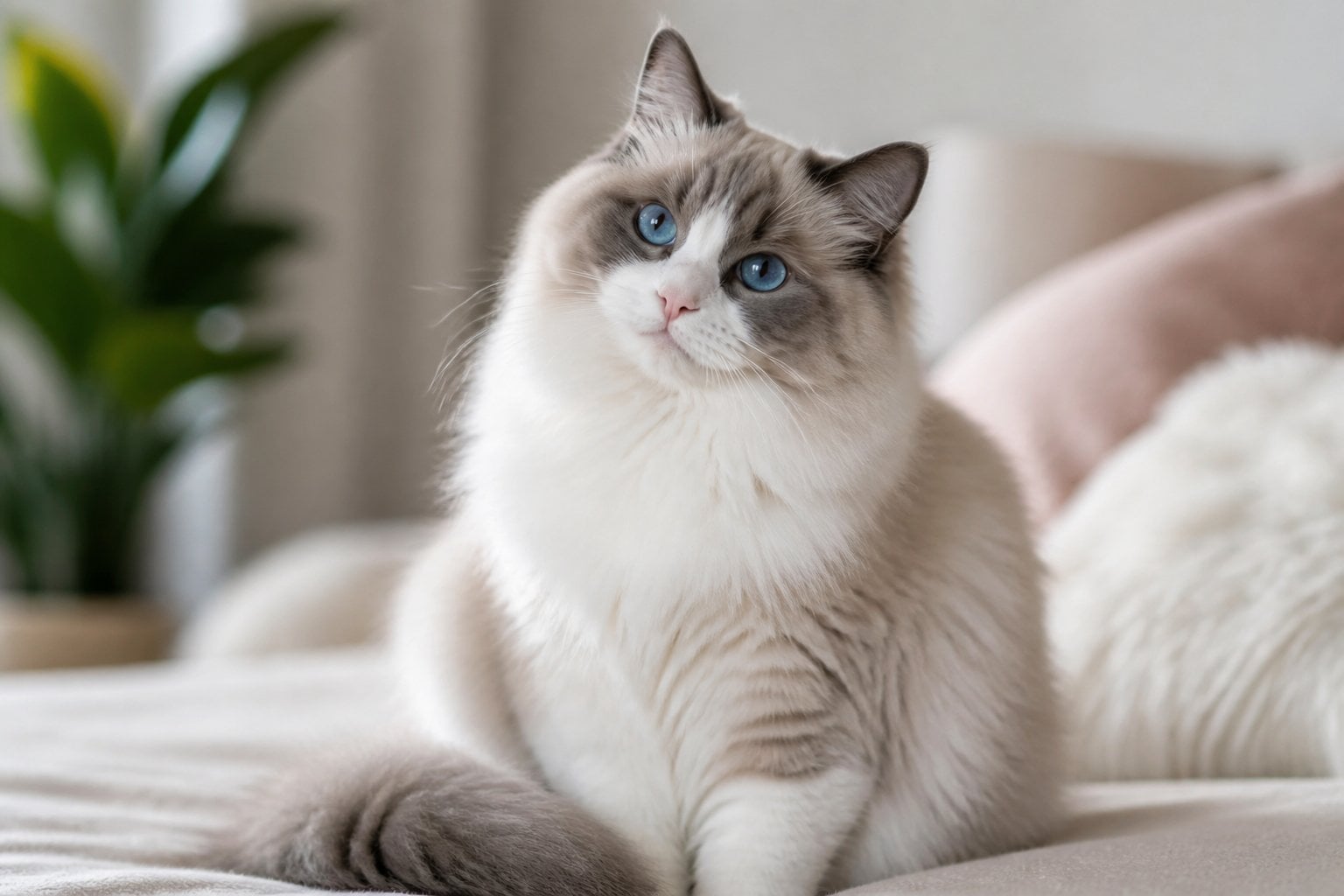
Ragdoll cats demonstrate notable intelligence, particularly in their emotional awareness and trainability. You’ll find these cats are highly receptive to learning and can pick up commands more easily than many other breeds.
Their intelligence manifests through strong communication skills with their owners. Ragdolls excel at understanding human emotions and responding appropriately to different situations. This emotional intelligence makes them particularly well-behaved companions.
These cats rank favorably among intelligent breeds, though they may not appear in the top five. You can train your Ragdoll to perform various tasks and tricks with patience and consistency. Their docile temperament works alongside their cognitive abilities, making them both smart and pleasant household pets.
If you want a cat that combines trainability with affectionate behavior, the Ragdoll offers both qualities. Their problem-solving skills and adaptability to new environments further demonstrate their cognitive capabilities.
22. Birman
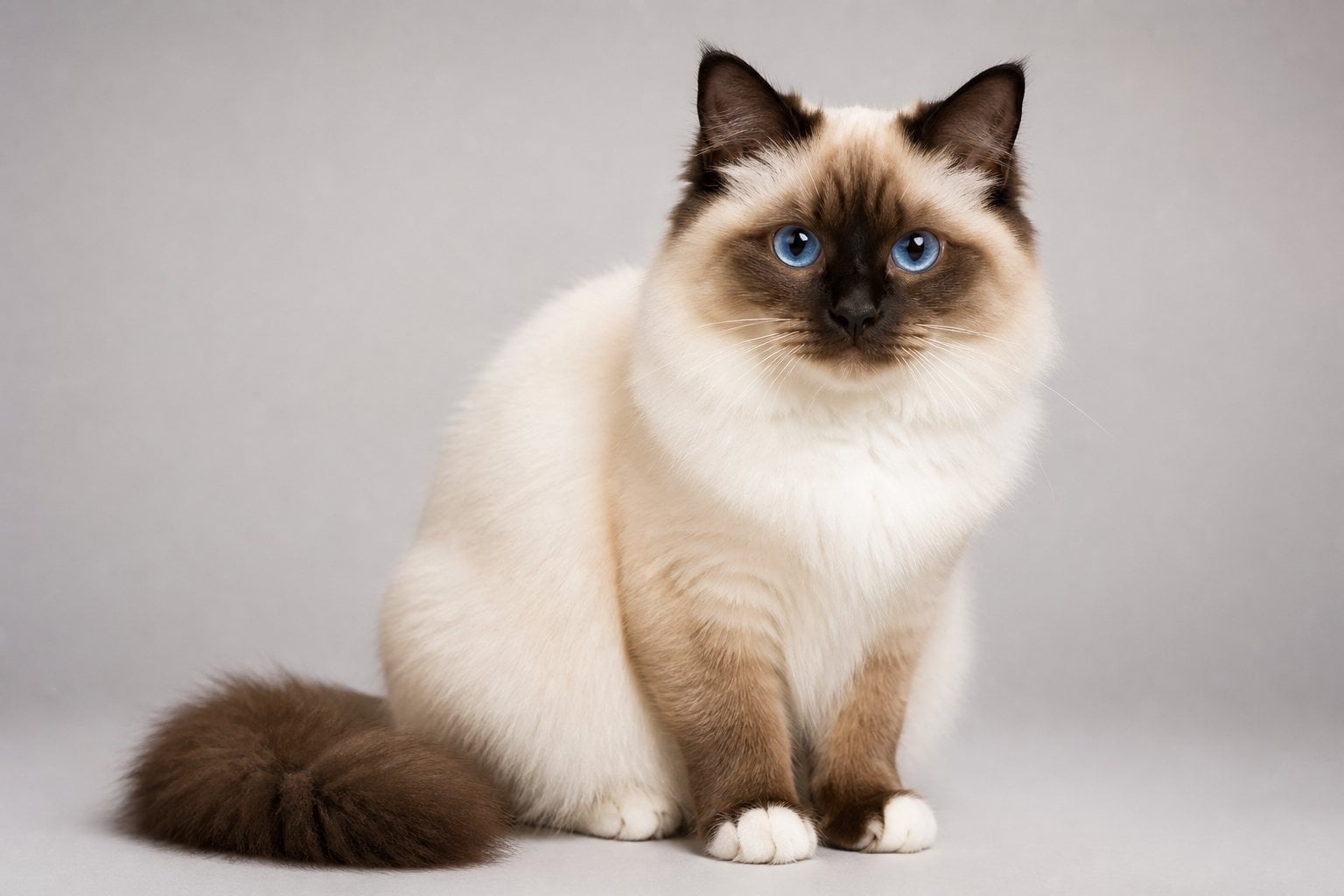
The Birman combines intelligence with a gentle, observant nature. You’ll notice this breed carefully watches your daily routines and learns to anticipate your activities. Their problem-solving abilities shine through when they figure out how to open doors or access favorite hiding spots.
Birmans are highly trainable cats that respond well to positive reinforcement. You can teach them basic commands and tricks with patience and consistency. Their social intelligence stands out among cat breeds, as they excel at reading human emotions and adjusting their behavior accordingly.
These cats demonstrate their smarts through strong communication skills. Your Birman will learn specific vocalizations to express different needs and wants. They adapt quickly to household changes and new environments, showing the cognitive flexibility that marks intelligent breeds.
23. Somali
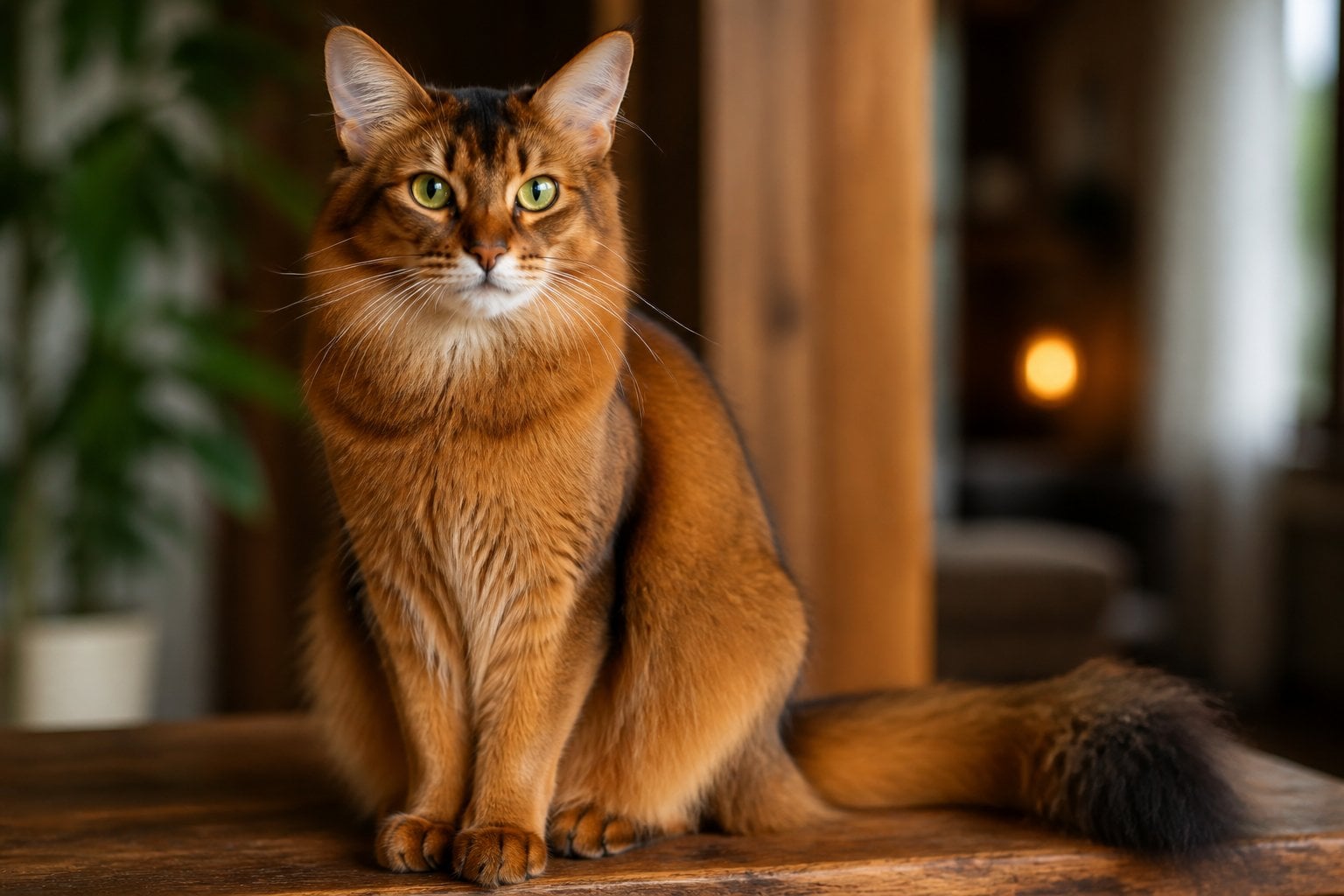
The Somali cat is essentially a long-haired version of the Abyssinian, sharing many of the same intelligent characteristics. This breed demonstrates remarkable problem-solving abilities and enjoys interactive play that challenges their mind.
Somalis are naturally curious and athletic cats who excel at learning new tasks. You’ll find they can master puzzle toys and even learn to open doors or cabinets if given the opportunity. Their high energy levels require regular mental stimulation to keep them satisfied.
These cats form strong bonds with their families and show emotional intelligence in their interactions. They’re known for their playful nature well into adulthood, making them engaging companions. Their quick learning ability means they can be taught tricks and commands more easily than many other breeds.
24. Japanese Bobtail
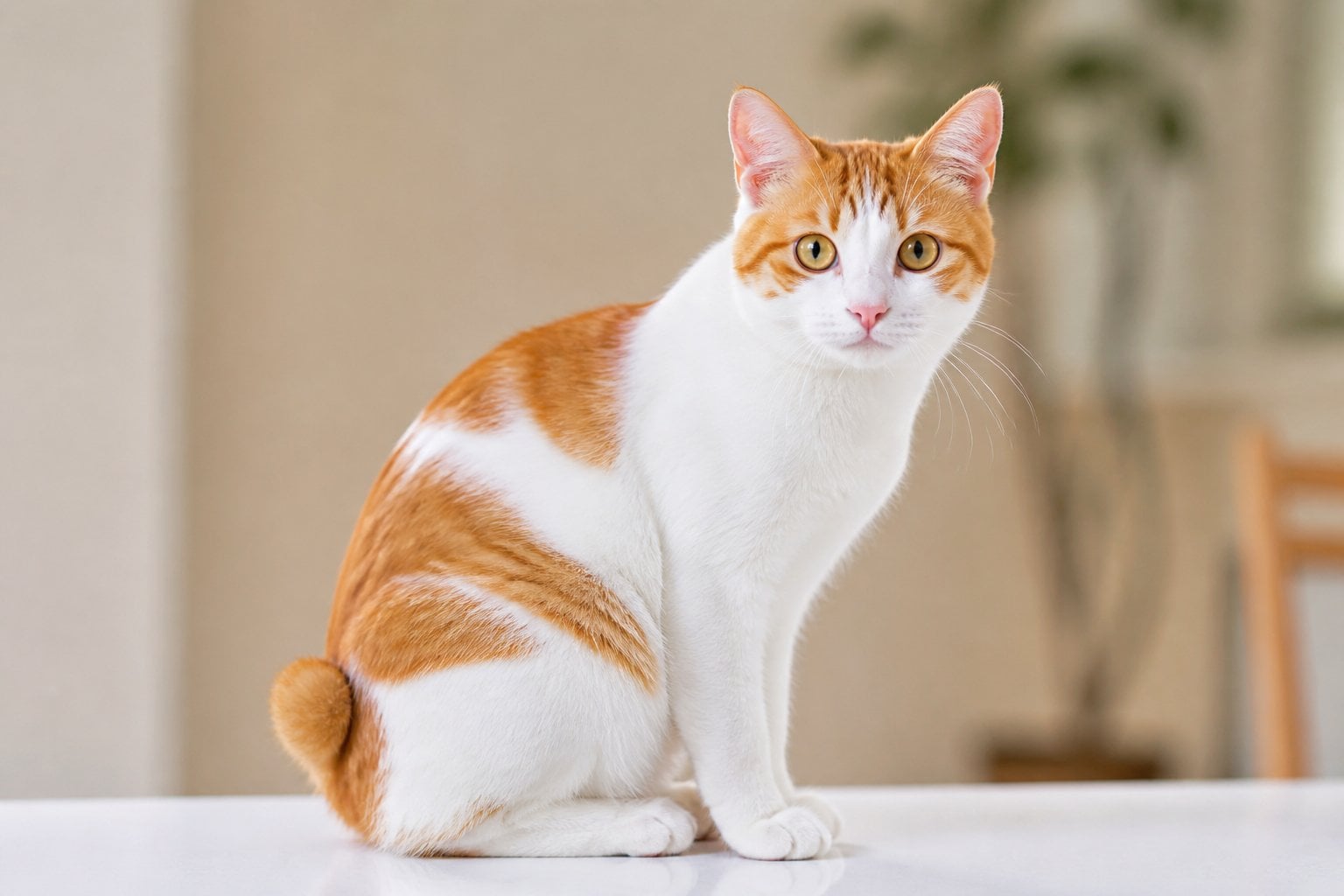
The Japanese Bobtail stands out among intelligent cat breeds with its distinctive short, pom-pom tail and sharp mind. This ancient breed dates back to 600-700 A.D. in Japan, making it one of the oldest documented cat breeds.
You’ll find these cats are highly trainable and adaptable to new situations. Their intelligence shows through their social nature and ability to engage with family activities. Japanese Bobtails are notably talkative and will communicate their thoughts throughout the day.
These cats demonstrate problem-solving skills and quick learning abilities. Their muscular, lithe build complements their active personality. You can expect a people-oriented companion that thrives on interaction and mental stimulation.
The breed’s intelligence made them valuable working cats in Japan’s silk industry during the 1600s, where they successfully controlled rodent populations.
25. Havana Brown
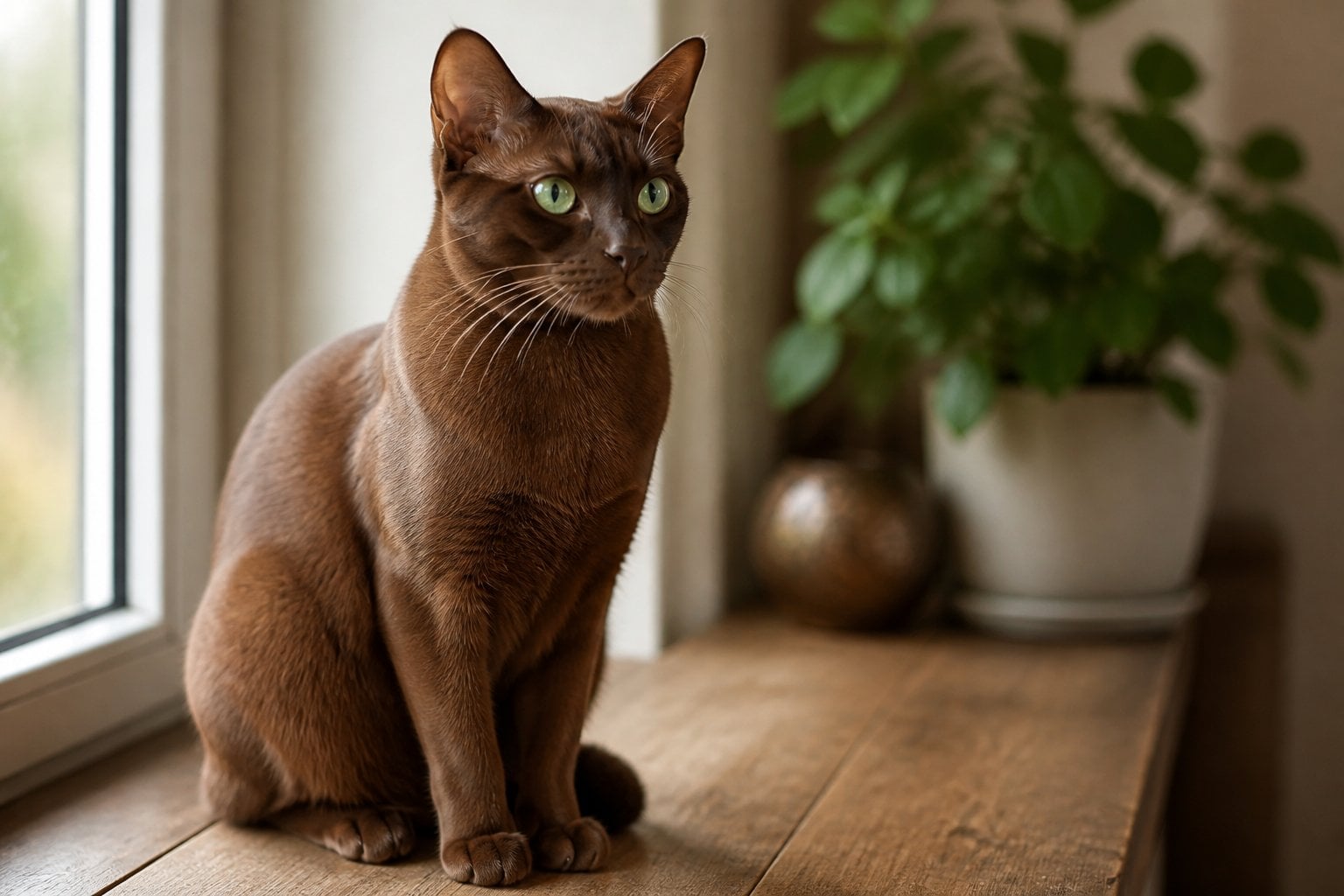
The Havana Brown is a relatively rare breed distinguished by its striking chocolate-colored coat and bright green eyes. This cat originated from crossing Siamese with several other breeds, resulting in a unique feline with both beauty and brains.
Your Havana Brown will display an engaging personality that balances affection with playfulness. These cats are known for their social nature and strong desire to interact with their human companions. They thrive on attention and form close bonds with family members.
Intelligence in this breed manifests through their ability to learn house rules and adapt to household routines. You’ll notice your Havana Brown can be quite mischievous, using their smarts to explore and investigate their environment. They exhibit high energy levels followed by periods of deep rest, making them entertaining and dynamic companions.
26. American Wirehair
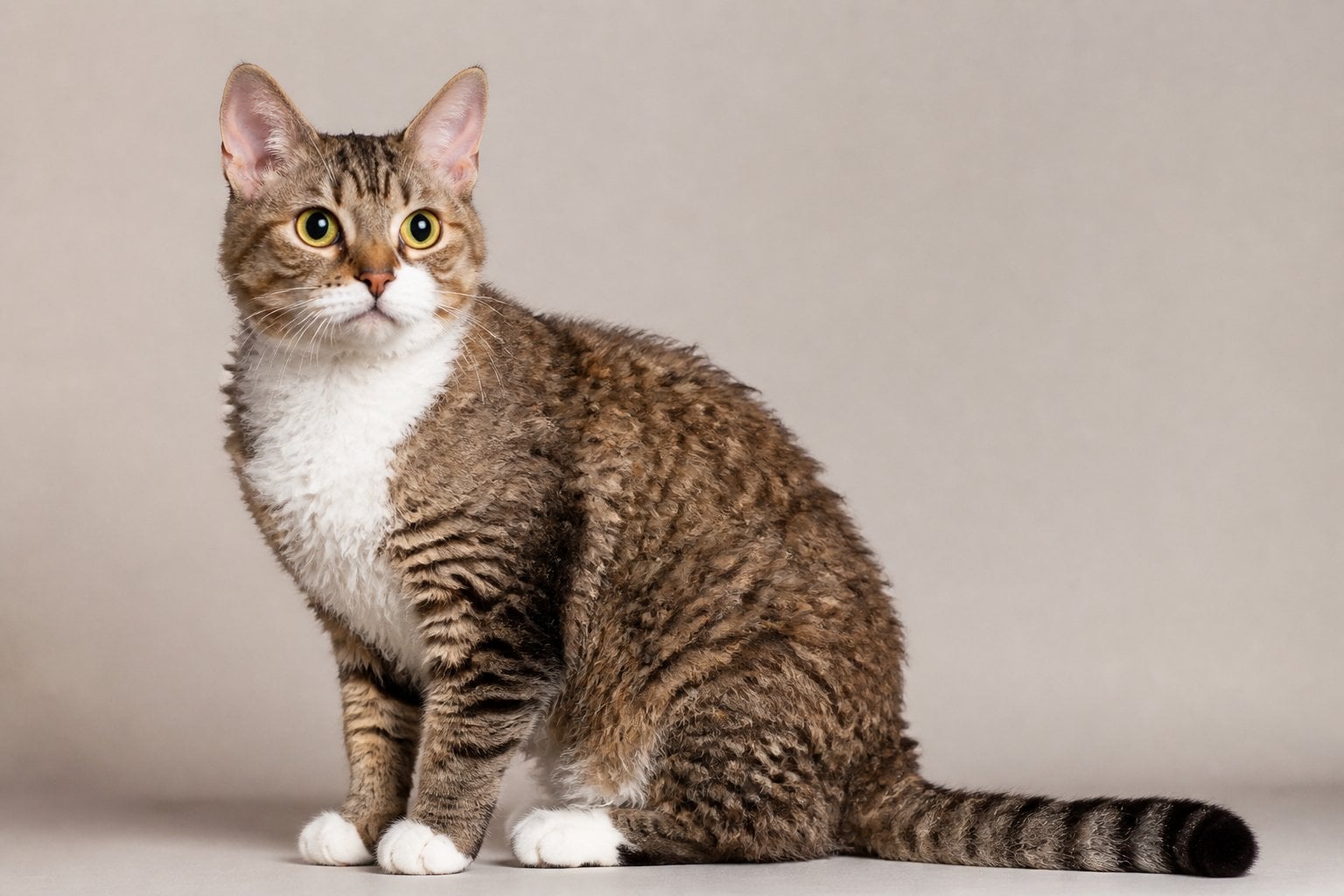
The American Wirehair stands out with its distinctive wiry coat, which resulted from a spontaneous genetic mutation in upstate New York. This breed demonstrates solid problem-solving abilities and adapts well to new situations.
American Wirehairs are observant cats who learn household routines quickly. They watch their surroundings carefully and can figure out how to open cabinets or drawers if motivated. These cats form strong bonds with their families and respond well to interactive play that challenges their minds.
You’ll find this breed to be both playful and easygoing. They balance active exploration with relaxed companionship, making them versatile pets. Their intelligence shows through their ability to learn tricks and understand complex household dynamics.
The American Wirehair thrives on mental stimulation through puzzle toys and interactive games. They’re curious without being overly demanding, displaying a gentle and adaptable nature that works well in various living situations.
27. Selkirk Rex
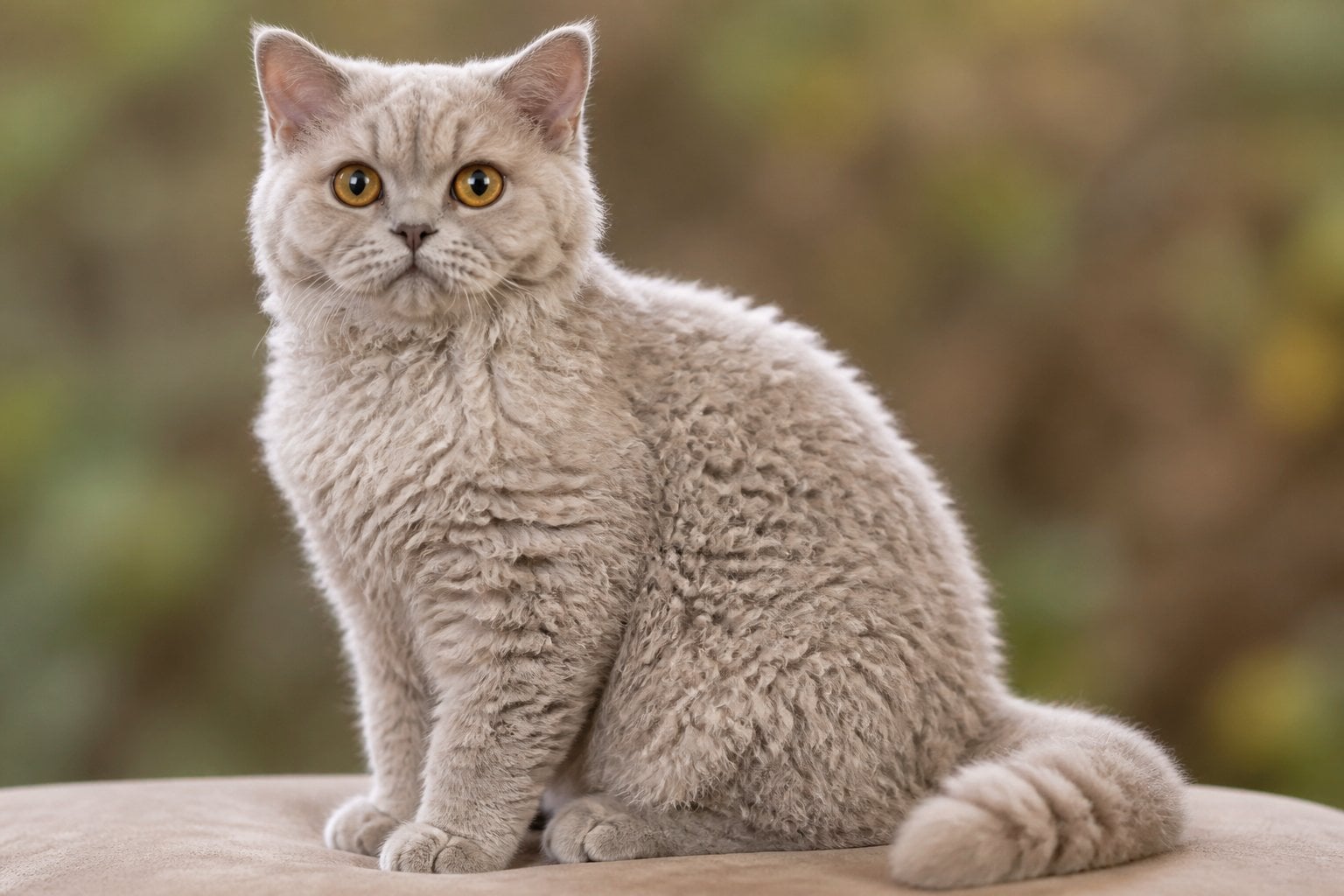
The Selkirk Rex stands out with its distinctive curly coat and calm temperament. This breed originated in Montana in 1987 from a rescued kitten, making it one of the newer recognized cat breeds.
You’ll find that Selkirk Rex cats demonstrate above-average intelligence, particularly in observational learning and memory. They score well in obedience and show a willingness to learn new behaviors. Some owners successfully train them to walk on leashes.
Their problem-solving abilities are moderate, but their adaptability and social nature make them responsive companions. The breed’s affectionate personality combined with their trainability earns them a spot among intelligent cat breeds.
The Selkirk Rex adapts well to family life and forms strong bonds with their owners. Their learning capacity and social skills contribute to their reputation as “dogs in disguise,” reflecting their loyal and engaged nature.
28. LaPerm
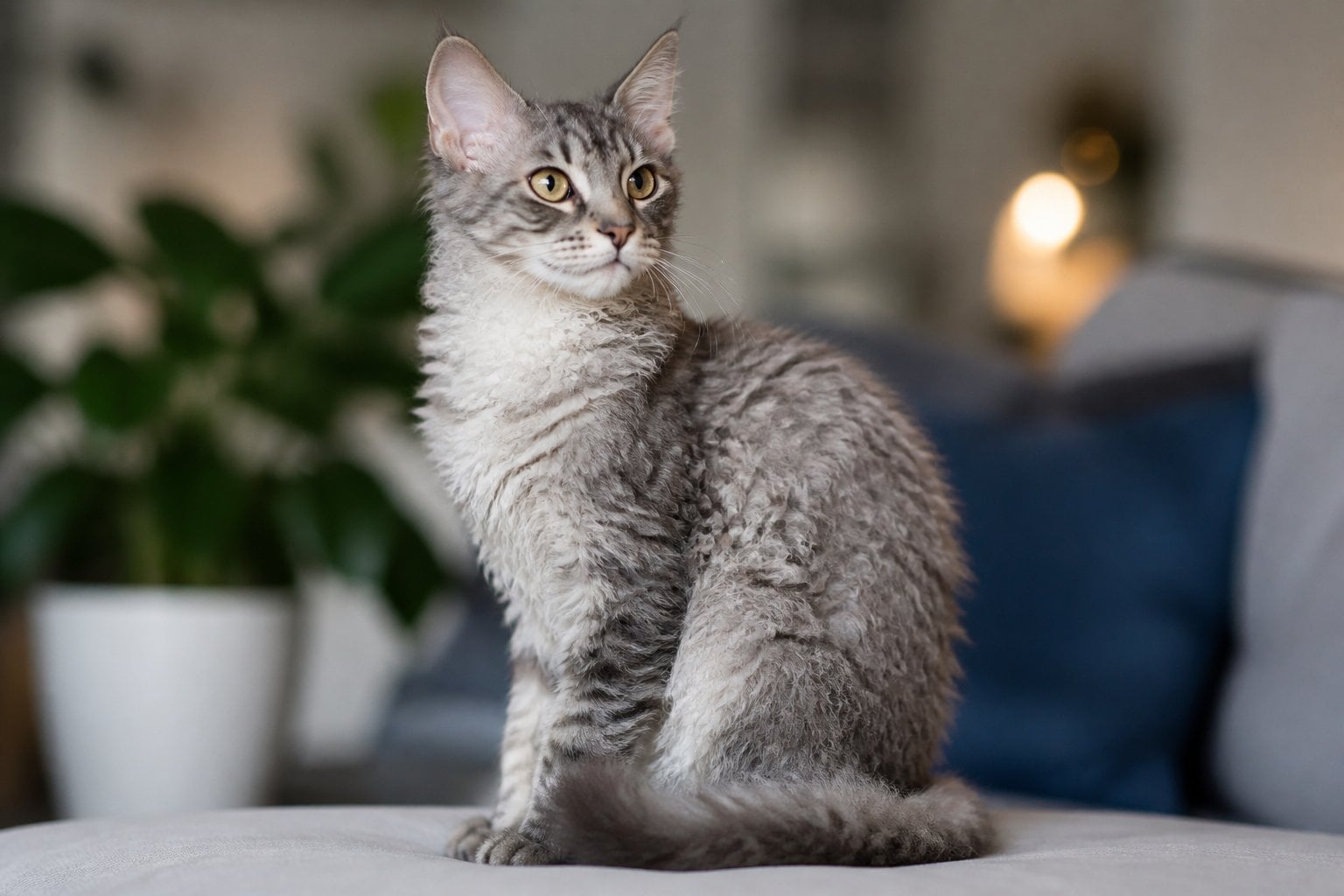
The LaPerm is an intelligent breed that combines curiosity with problem-solving abilities. You’ll notice these cats have a natural aptitude for learning and adapting to new situations.
Their curly-coated appearance might catch your eye first, but their cognitive abilities are equally distinctive. LaPerms tend to be highly interactive with their owners and enjoy learning through play. You can teach them tricks and games with relative ease compared to many other breeds.
These cats demonstrate their intelligence through their social awareness and ability to communicate their needs effectively. LaPerms are known for being attentive observers who study their environment carefully before taking action.
Your LaPerm will likely show interest in exploring cabinets, manipulating toys, and finding creative solutions to reach desired objects. They possess both the mental capacity and dexterity to tackle puzzle feeders and interactive challenges.
29. Korat
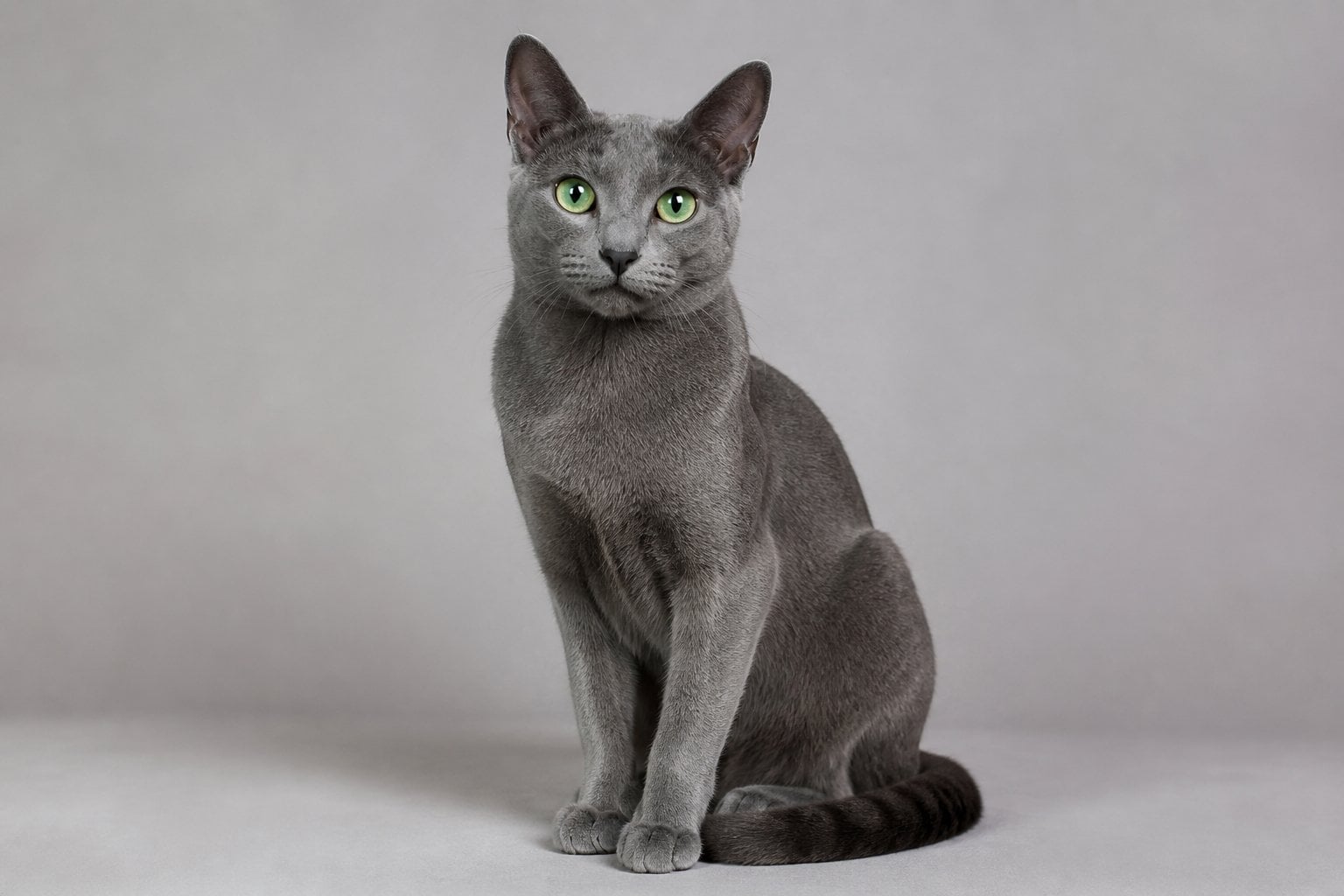
The Korat hails from Thailand, where it’s traditionally considered a symbol of good luck. This ancient breed possesses a sharp intelligence that manifests in its observant and attentive nature. You’ll notice your Korat quickly learns household routines and adapts to new situations with ease.
These cats form strong bonds with their families and demonstrate their smarts through interactive play and problem-solving. The Korat’s silver-blue coat and heart-shaped face are distinctive, but it’s their clever personality that truly sets them apart.
Your Korat will likely follow you around the house, studying your activities with intense focus. They’re known for being responsive to training and can learn commands when motivated properly. This breed’s intelligence combines with a gentle temperament, making them both mentally engaging and affectionate companions.
30. European Shorthair
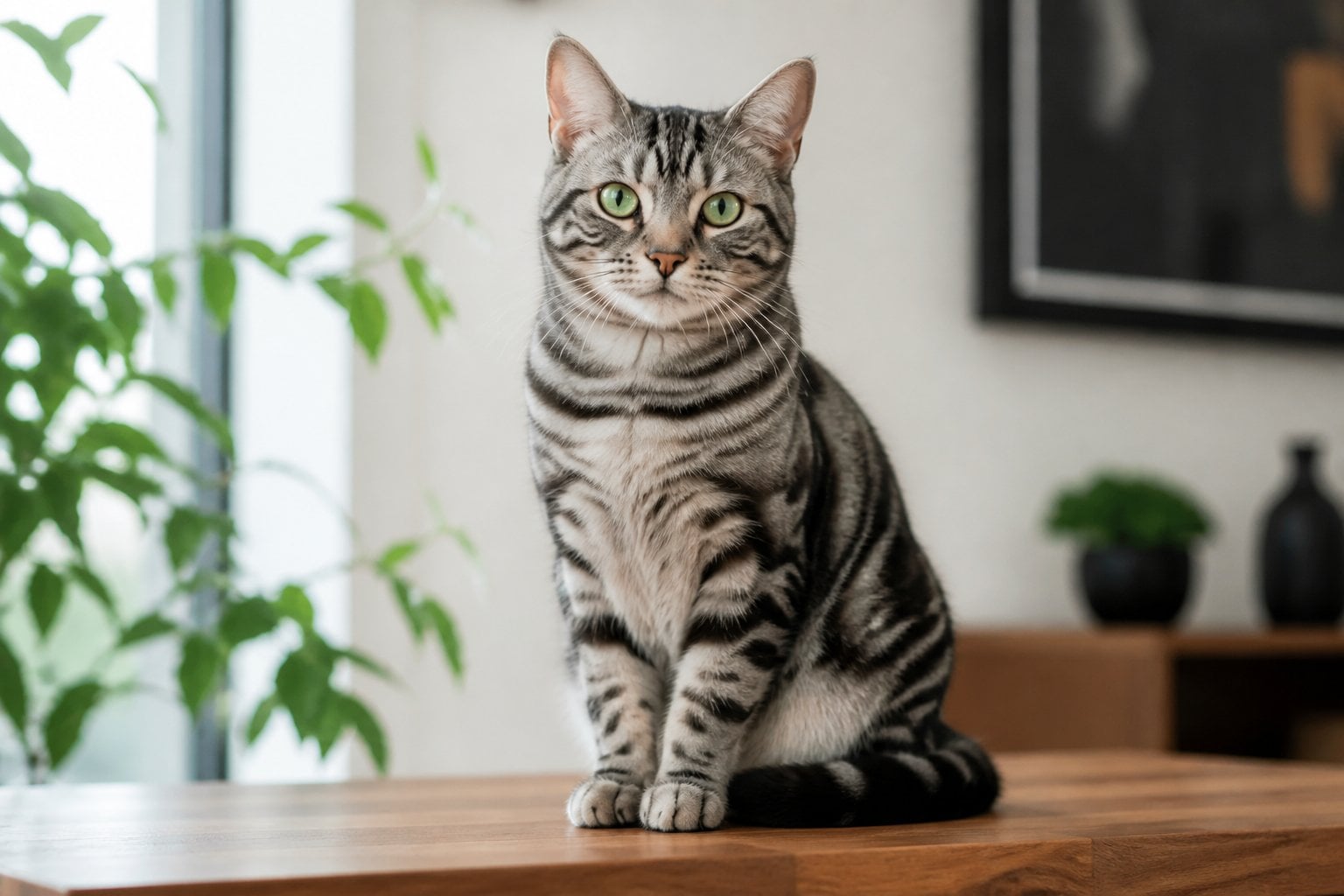
The European Shorthair is the pedigreed version of Europe’s common domestic cat. This breed traces its lineage back to the African wildcat and has developed naturally across the European continent over centuries.
European Shorthairs demonstrate notable intelligence and cognitive abilities. They adapt quickly to new environments and show strong learning capacity, making them trainable companions. Their intellectual potential develops significantly as they mature.
You’ll find these cats are sociable and form meaningful bonds with their owners. They maintain the robust health and independent nature characteristic of their domestic cat heritage while meeting specific breed standards.
Their intelligence manifests through problem-solving abilities and curiosity about their surroundings. European Shorthairs respond well to interactive play and mental stimulation, which keeps their sharp minds engaged.
Traits That Define Feline Intelligence
Feline intelligence manifests through specific behavioral markers that distinguish exceptionally bright cats from their peers. These traits include advanced problem-solving capabilities, quick adaptation to environmental changes, and sophisticated communication with humans and other animals.
Problem-Solving Skills
Problem-solving ability stands as one of the most measurable indicators of feline intelligence. Smart cats demonstrate this through their capacity to navigate puzzles, open doors, and figure out how to access food or toys in challenging situations.
You’ll notice intelligent cats observing a problem carefully before taking action. They learn from trial and error quickly, often requiring only one or two attempts to master a task. These cats can understand cause-and-effect relationships, such as pushing a lever to open a treat dispenser.
Key problem-solving behaviors include:
- Opening cabinets and doors by understanding latch mechanisms
- Retrieving toys from under furniture using their paws strategically
- Learning to operate pet fountains or automated feeders
- Finding alternative routes when their usual path is blocked
Genetics play a significant role in problem-solving abilities, though environmental enrichment and training also contribute substantially to your cat’s cognitive development.
Adaptability to New Environments
Adaptability measures how well your cat adjusts to changes in surroundings, routines, or household dynamics. Intelligent breeds typically show resilience when facing new situations rather than retreating or displaying prolonged stress.
A highly adaptable cat will explore unfamiliar spaces with curiosity rather than fear. They adjust their behavior based on environmental feedback and establish new routines quickly. This trait proves particularly valuable during moves, introductions of new family members, or changes in daily schedules.
Your cat’s ability to recover from stress and modify their behavior demonstrates cognitive flexibility. Smart cats read situational cues and adjust accordingly, whether that means finding new hiding spots, accepting different feeding times, or interacting with unfamiliar visitors appropriately.
Communication and Social Sensitivity
Communication skills reveal your cat’s emotional intelligence and ability to interact meaningfully with humans and other animals. Intelligent cats develop sophisticated ways to express their needs beyond basic vocalizations.
You’ll observe these cats using purposeful meowing patterns, specific body language, and even learning to respond to human gestures and words. They understand pointing, can recognize their names consistently, and may learn multiple verbal commands. Some breeds like Siamese are known for their intentional vocal communication.
Social sensitivity includes reading human emotional states and adjusting behavior accordingly. Your intelligent cat notices when you’re upset or ill and may offer comfort or give you space. They understand household rules faster and can distinguish between acceptable and prohibited behaviors with less reinforcement than average cats.
Enrichment Strategies for Highly Intelligent Cats
Intelligent cats thrive when provided with puzzle feeders that challenge their problem-solving abilities and training sessions that engage their active minds. These strategies prevent boredom-related behaviors while strengthening the bond between you and your cat.
Interactive Toys and Puzzle Feeders
Puzzle feeders transform mealtime into a mental workout by requiring your cat to manipulate compartments, slides, or obstacles to access food. Start with simple designs featuring shallow compartments, then gradually introduce complex multi-level puzzles as your cat masters each challenge.
Effective puzzle feeder types include:
- Ball dispensers that release kibble through rolling motion
- Sliding compartment puzzles requiring paw manipulation
- Treat mazes with multiple difficulty levels
- Foraging mats that hide food in fabric folds
Rotate interactive toys every few days to maintain novelty and interest. Motion-activated toys, feather wands, and laser pointers satisfy hunting instincts while providing physical exercise. Electronic toys with unpredictable movement patterns are particularly effective for intelligent breeds that quickly lose interest in predictable play patterns.
Store some toys away and reintroduce them after a week to recreate the excitement of something new without additional purchases.
Training Techniques and Mental Stimulation
Clicker training works exceptionally well with intelligent cats because it provides immediate feedback for desired behaviors. Start with basic commands like sit, stay, and come, rewarding your cat with high-value treats within two seconds of the desired action.
Short training sessions of 5-10 minutes prevent mental fatigue and maintain enthusiasm. You can teach your cat to fetch, jump through hoops, or navigate agility courses designed for feline athletes.
Daily mental stimulation activities:
- Hide treats around your home for scavenger hunts
- Teach new tricks using positive reinforcement
- Provide access to window perches for environmental observation
- Introduce cat-safe videos featuring birds or small animals
Target training, where your cat touches a stick with their nose or paw, establishes a foundation for more complex behaviors. Intelligent cats also benefit from socialization with other pets and regular changes to their environment, such as rearranging climbing structures or introducing new scents.