
The 30 Worst Cat Breeds for Busy Owners: High-Maintenance Felines to Avoid

Not every cat fits into a busy schedule. Some breeds need constant interaction, extensive grooming, or close supervision, and a demanding job can make that difficult to provide.
Before choosing a cat, it helps to understand which breeds require more time and attention than others. Certain breeds are simply better suited to owners with limited free time, while others can develop stress or behavioral issues when left alone too often.
Knowing these differences can help you make a decision that fits your daily routine.
1. Bengal
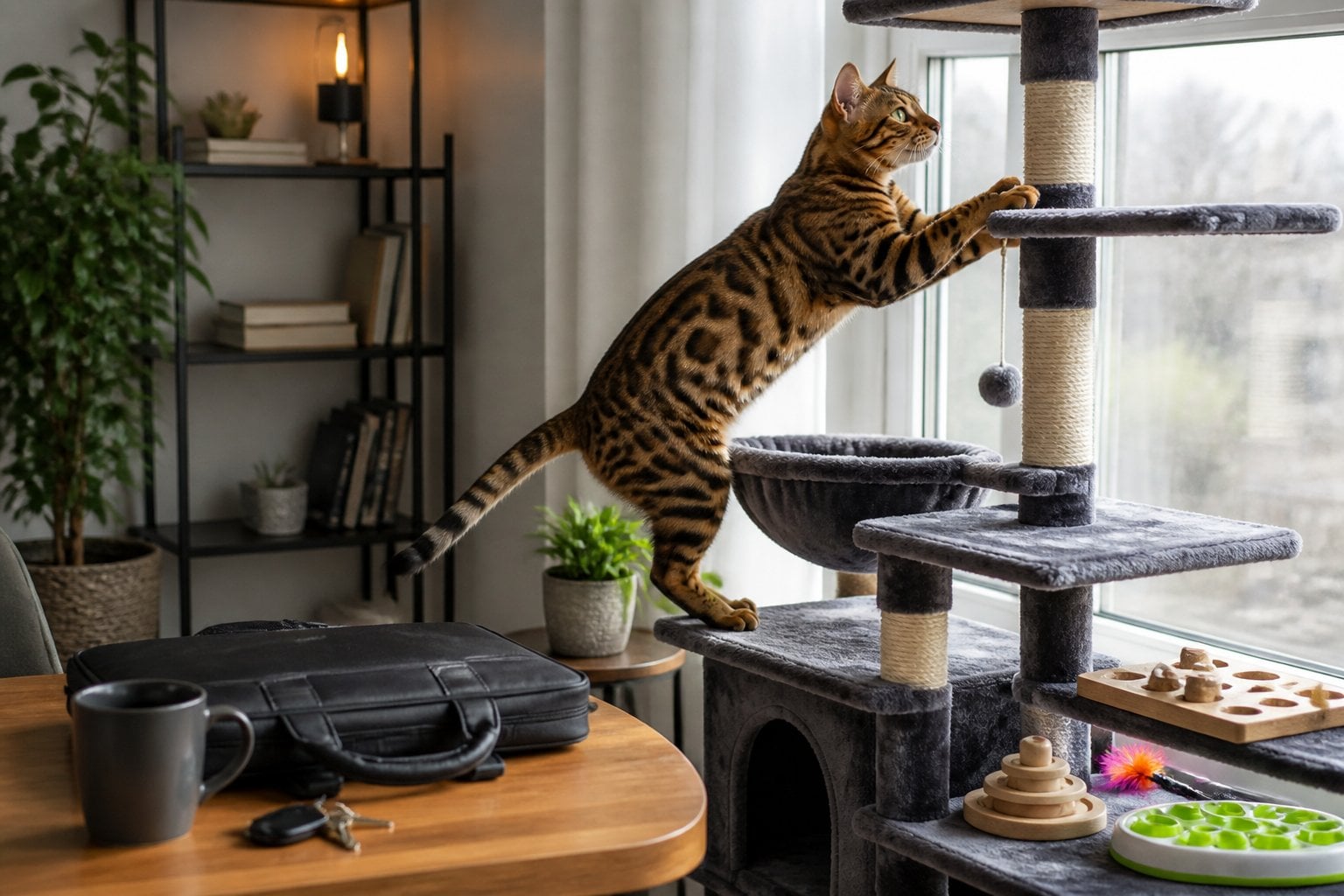
Bengals carry wild ancestry from the Asian leopard cat, and it shows in their energy levels. You will find this breed constantly moving, climbing, and looking for something to investigate.
Without several hours of active play each day, a Bengal gets bored fast. That boredom often turns into destructive behavior like knocked-over furniture, shredded curtains, or raided cabinets.
This breed also has a strong hunting instinct. You may notice your Bengal stalking small objects, pouncing on your feet, or trying to “catch” anything that moves.
If your schedule keeps you away from home for long stretches, a Bengal is a difficult match. They need consistent mental stimulation through puzzle feeders, interactive toys, and supervised outdoor enclosures.
Left alone too often, Bengals can become vocal, anxious, or even aggressive. This is not a breed you can leave to entertain itself while you work long hours.
2. Savannah
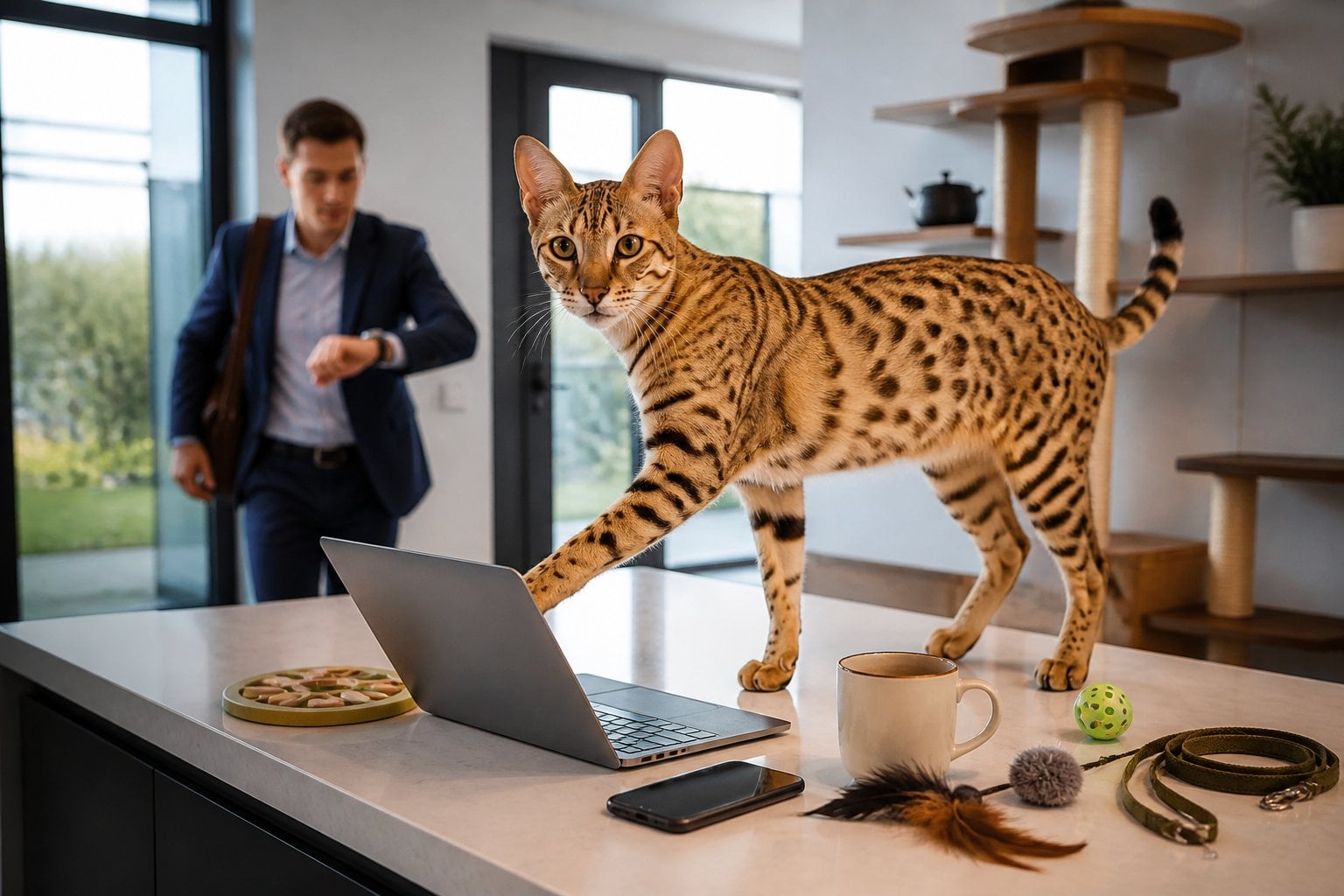
Savannah cats carry serval genes, which gives them high energy and a strong drive to hunt and climb. This breed needs several hours of active engagement each day, not just brief play sessions.
If you work long hours, this becomes a problem quickly. Savannahs can grow bored and destructive without enough physical and mental stimulation.
They also jump remarkably high and can access shelves, cabinets, and countertops with ease. You’ll need to secure your home well before bringing one in.
Some Savannahs also form strong attachments to specific people and may struggle with separation. Extended time alone can trigger stress-related behaviors, including excessive vocalization or destructive habits.
This breed suits owners who can commit to daily interactive play and enrichment. For someone with a demanding schedule, a Savannah’s needs are difficult to meet consistently.
3. Siamese
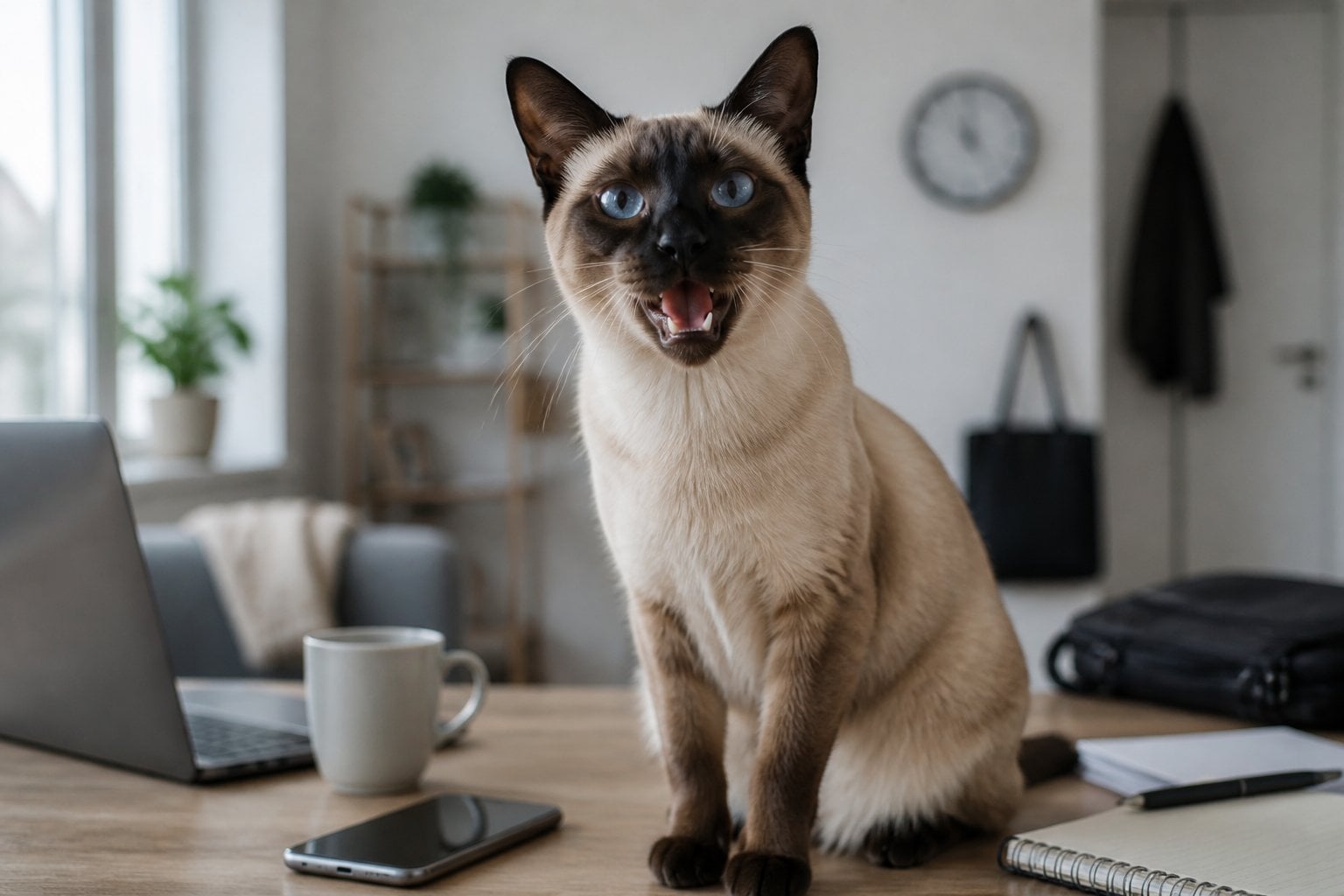
Siamese cats form intense bonds with their owners and expect constant interaction. If you work long hours, this breed will not adjust quietly to your schedule.
You’ll notice their vocal nature immediately. Siamese cats communicate through frequent, loud meowing, especially when they want attention or feel bored.
Separation anxiety is common in this breed. Leave a Siamese alone for extended periods, and you risk destructive behavior, excessive crying, or withdrawal.
This is not a low-maintenance companion. Siamese cats need daily mental stimulation through play, puzzle toys, or direct engagement with you.
Their intelligence works against busy owners. A bored Siamese will find ways to entertain itself, often through scratching, climbing, or knocking items off shelves.
If your schedule involves unpredictable hours or frequent travel, this breed will struggle to cope. Siamese cats do best with owners who can offer consistent, daily companionship.
4. Oriental Shorthair
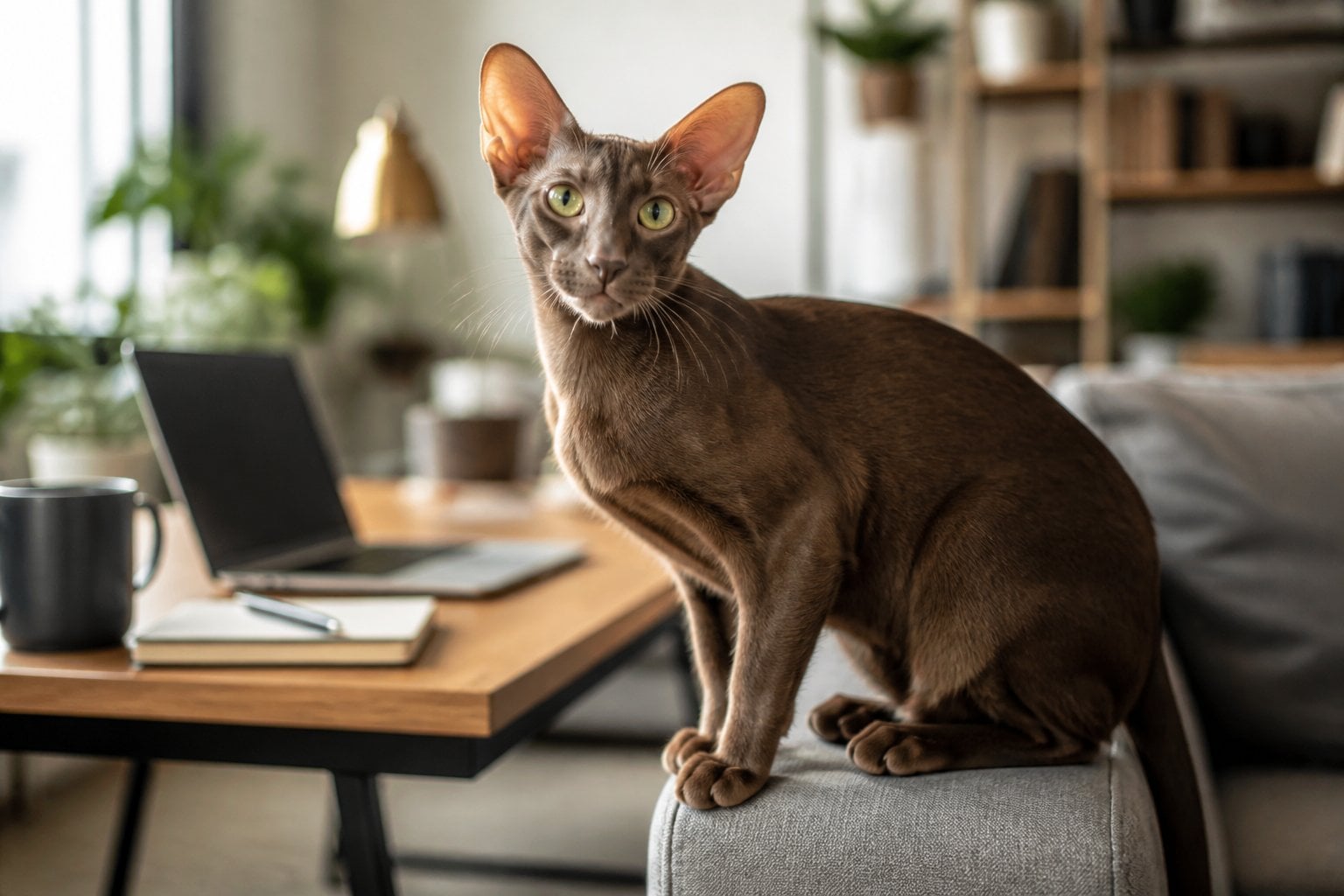
The Oriental Shorthair is closely related to the Siamese and shares its need for constant companionship. This breed forms a strong attachment to one person and does not adjust well to long stretches alone.
If your schedule keeps you out of the house for extended hours, you may notice signs of stress or unhappiness in your Oriental Shorthair. They can become withdrawn or develop behavioral issues when isolated too often.
You should also expect a vocal cat. Orientals communicate frequently and loudly, especially when they want attention or feel bored.
This breed thrives on interaction and mental stimulation. Without it, you may find your cat inventing its own entertainment, which often means scratching furniture or getting into things it shouldn’t.
If your lifestyle involves late nights out or long workdays with little downtime at home, this breed will likely struggle to adapt to your routine.
5. Sphynx
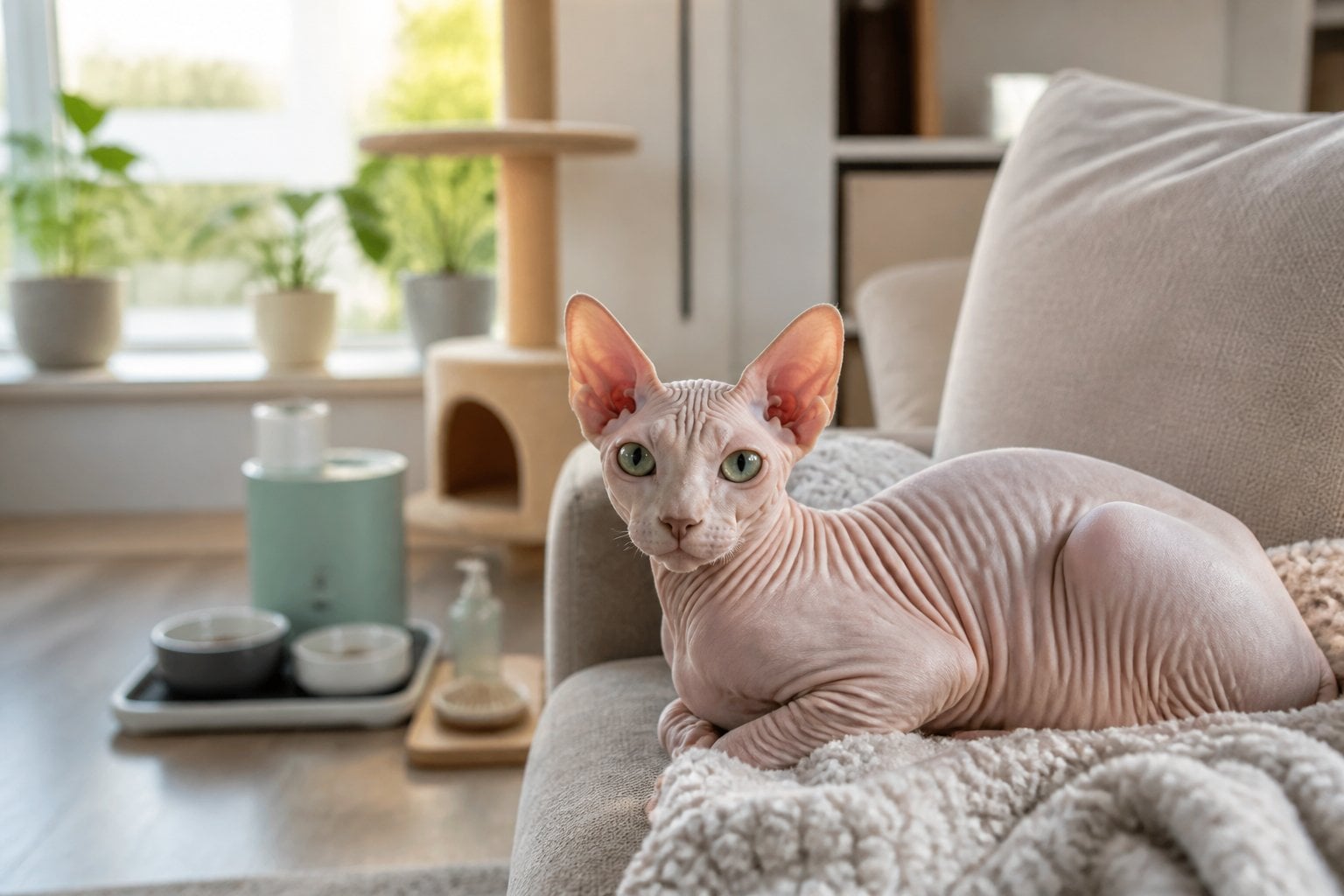
The Sphynx has no fur, but that doesn’t mean low maintenance. You’ll need to bathe this cat weekly to remove oil buildup that would normally be absorbed by fur.
Skip a bath, and you’ll notice residue on your furniture and skin irritation on your cat. This breed also needs protection from temperature extremes, since it has no coat to regulate body heat.
Beyond grooming, the Sphynx demands your attention constantly. It’s a social, vocal cat that follows you from room to room and doesn’t do well when left alone for long stretches.
If your schedule keeps you out of the house most of the day, this breed will likely become anxious or destructive. You should also budget for potential health issues, since Sphynx cats are prone to heart conditions that require regular veterinary monitoring.
This is a breed for owners who have time to give, not those juggling a packed calendar.
6. Abyssinian
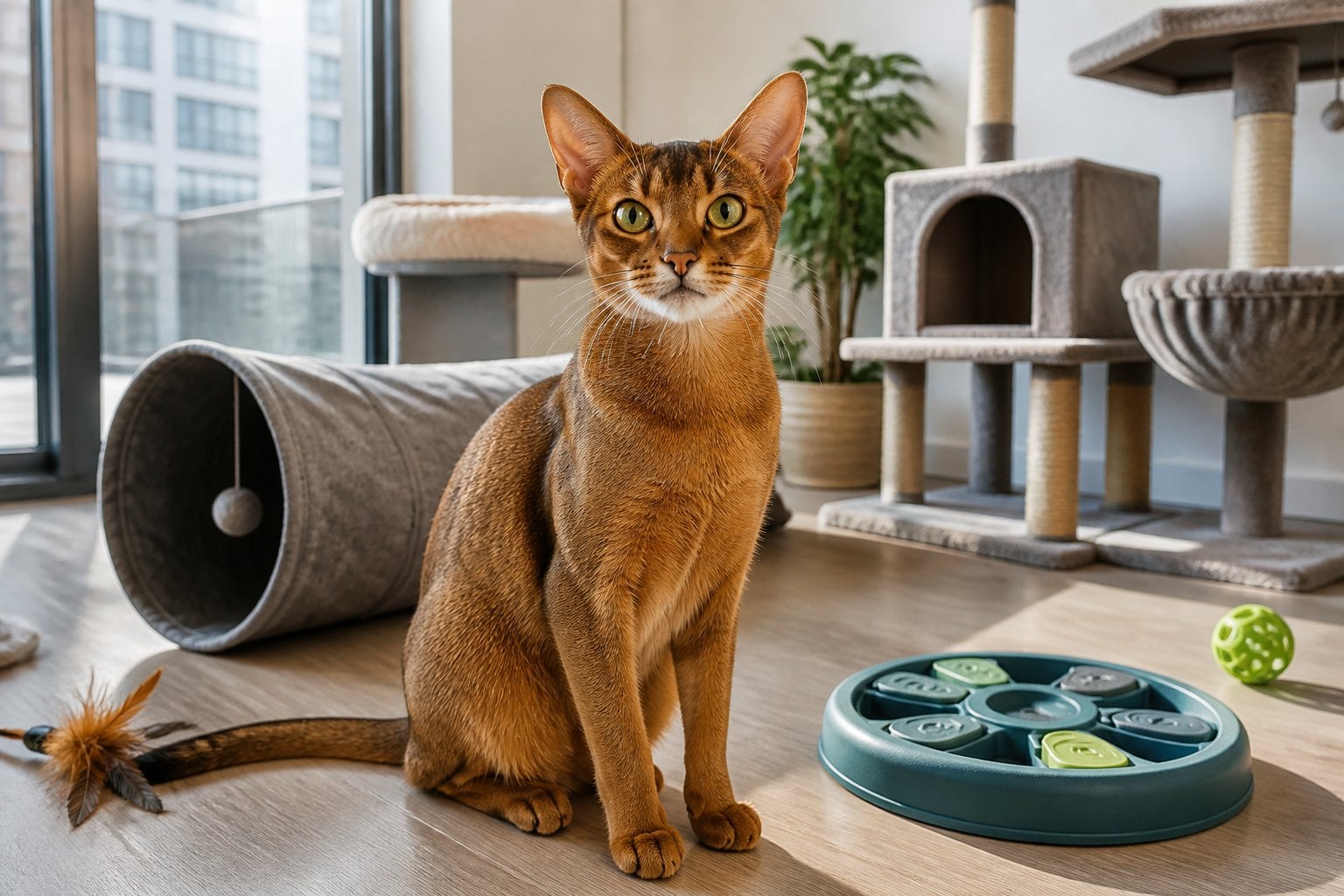
Abyssinians rank among the most active cat breeds you can bring into your home. Your Abyssinian will spend most of its waking hours climbing, exploring, and investigating anything within reach.
This breed does not tolerate long stretches of boredom well. If you work full-time and can’t provide interactive toys or scheduled play sessions, your Abyssinian may become destructive or develop stress-related behaviors.
You’ll also find that Abyssinians are highly intelligent, which means routine feeding and basic attention rarely satisfy them. They need puzzle feeders, climbing structures, and regular engagement to stay content.
Health monitoring is another factor to consider. Abyssinians carry a higher risk of certain hereditary conditions, so you should plan for periodic veterinary checkups rather than assuming a hands-off approach will work.
If your schedule leaves little room for daily interaction, this breed’s demands may outpace what you’re able to give.
7. Cornish Rex
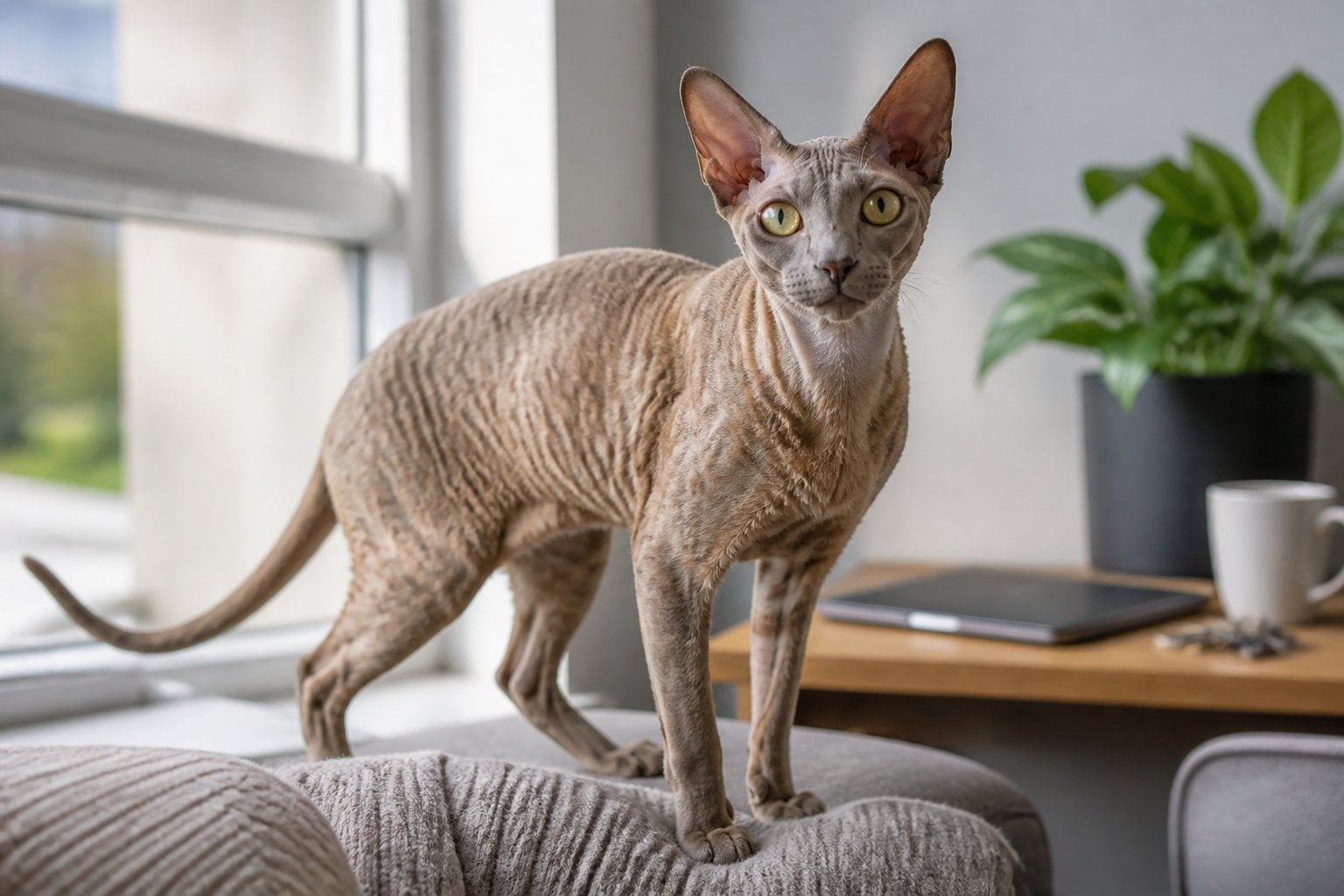
The Cornish Rex has a curly, soft coat and a slender, athletic build. Its energy level is high, and it stays playful well into adulthood.
You will find this breed demands regular interaction. Cornish Rex cats bond closely with their owners and don’t do well when left alone for long stretches.
Their thin coat also means they get cold easily. You may need to provide extra warmth, especially in cooler climates or during winter months.
Grooming isn’t heavy, but skin care matters. The Cornish Rex produces less natural oil protection than other breeds, so occasional bathing can help manage buildup on its skin.
If your schedule keeps you away from home often, this breed’s need for companionship and attention can become a problem. A bored, lonely Cornish Rex may turn to destructive behavior to cope.
8. Devon Rex
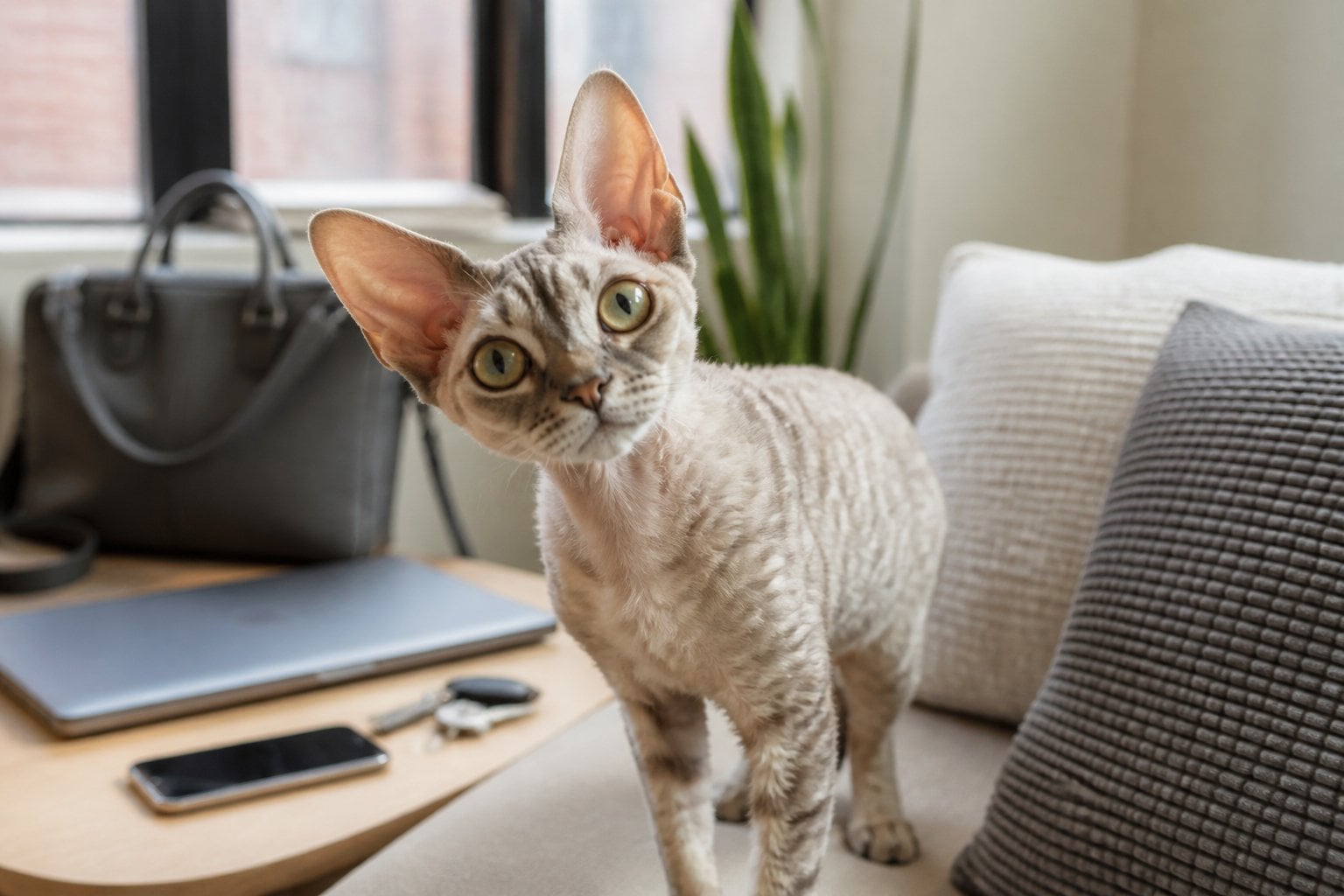
Your Devon Rex has curly fur, oversized ears, and a personality that never switches off. This breed craves attention and follows you from room to room, which makes solo time at work a real problem.
You’ll notice a high metabolism in this cat, often requiring more frequent feeding than other breeds. Left alone too long, a Devon Rex can develop separation anxiety, sometimes resulting in inappropriate elimination around your home.
Boredom brings out destructive tendencies in this breed. Without enough mental stimulation, your Devon Rex may scratch furniture or get into things it shouldn’t.
Their low-shedding coat doesn’t mean allergy-free living, either. You may still experience reactions if you’re sensitive to cat dander.
If your schedule keeps you away for long stretches, this breed’s demand for constant interaction can leave both you and your cat frustrated.
9. Balinese

Balinese cats look calm at first glance, but they are far from low-key. This breed shares its energetic, vocal nature with the Siamese, from which it was originally developed.
You will notice how much they talk. Balinese cats communicate constantly, and they expect a response when they do.
Attention is non-negotiable for this breed. Left alone for long stretches, a Balinese can become anxious or destructive out of boredom.
Their semi-long coat also needs regular brushing to prevent mats, even though they shed less than other long-haired cats. This adds another task to an already demanding schedule.
If your work hours are long or unpredictable, this breed will likely struggle. Balinese cats bond closely with their owners and don’t do well when that connection is inconsistent.
For a busy household, the constant need for interaction and companionship can quickly become overwhelming.
10. Burmese

Burmese cats form strong attachments to their owners and struggle with long periods alone. If your schedule keeps you out of the house for most of the day, this breed will likely become vocal and distressed.
You’ll notice this cat following you from room to room, wanting to be part of everything you do. That level of engagement is rewarding when you’re home, but it becomes a problem when you’re not.
Separation anxiety is common in Burmese cats, and it can show up as excessive meowing, destructive behavior, or changes in eating habits. Some owners report their Burmese acting out when left alone for even a few hours.
This breed also tends to bond intensely with one or two people rather than the whole household. If your work demands frequent travel or long shifts, you’ll need a plan for companionship, since the Burmese doesn’t handle solitude well.
11. Tonkinese
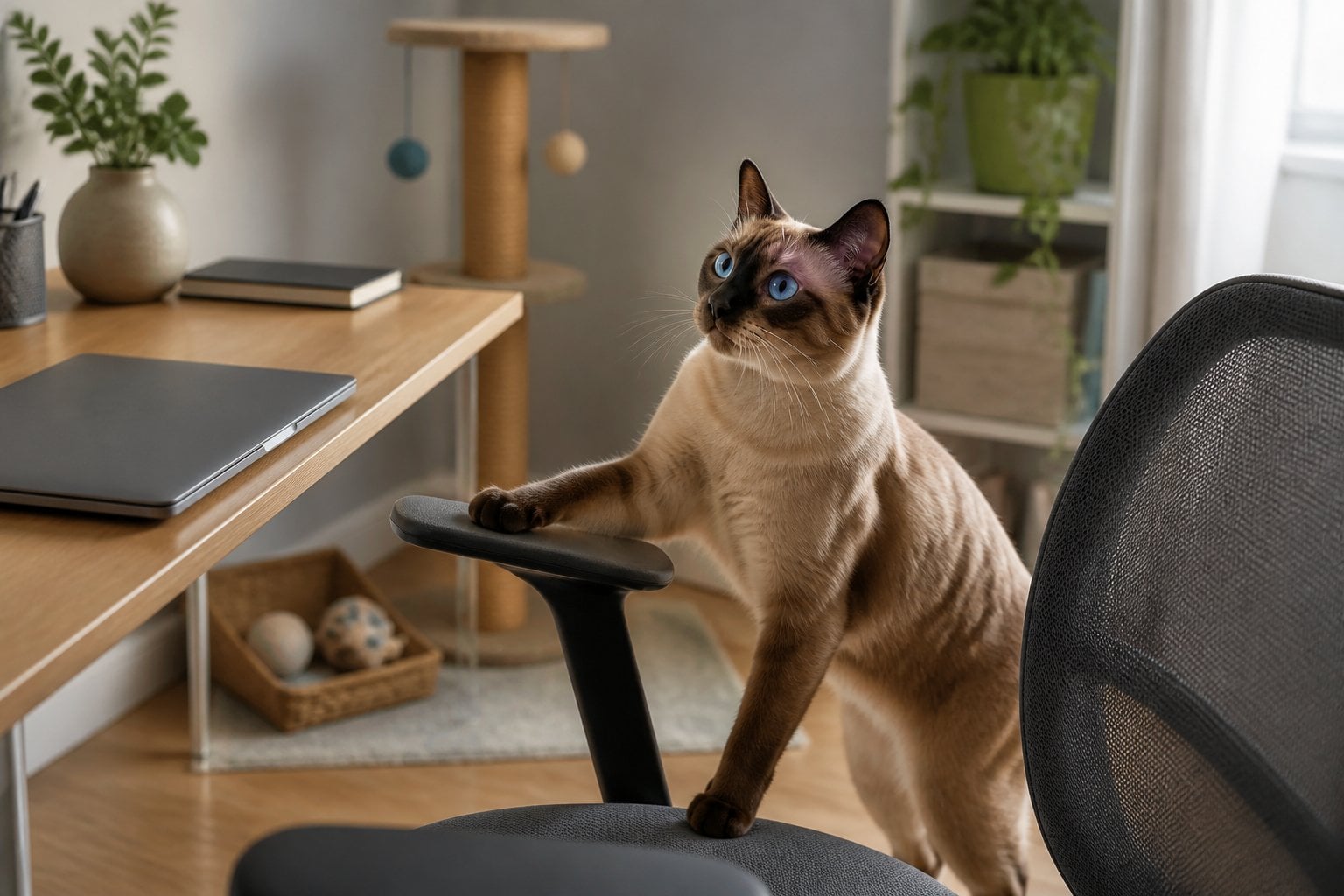
Tonkinese cats come from a mix of Siamese and Burmese lines, and they carry the social needs of both. You get a cat that wants constant interaction, not one that settles for occasional attention.
If you work long hours, this breed can become vocal and demanding. Tonkinese cats often follow their owners from room to room and expect to be included in daily activities.
Leaving one alone for extended periods tends to cause stress or attention-seeking behavior, like loud meowing or getting into things they shouldn’t. You’ll need to plan for playtime and companionship every day, not just on weekends.
This breed also bonds closely with one or two people, so if your schedule keeps you away often, that bond can suffer. A Tonkinese fits best with owners who work from home or keep predictable hours.
12. Ocicat
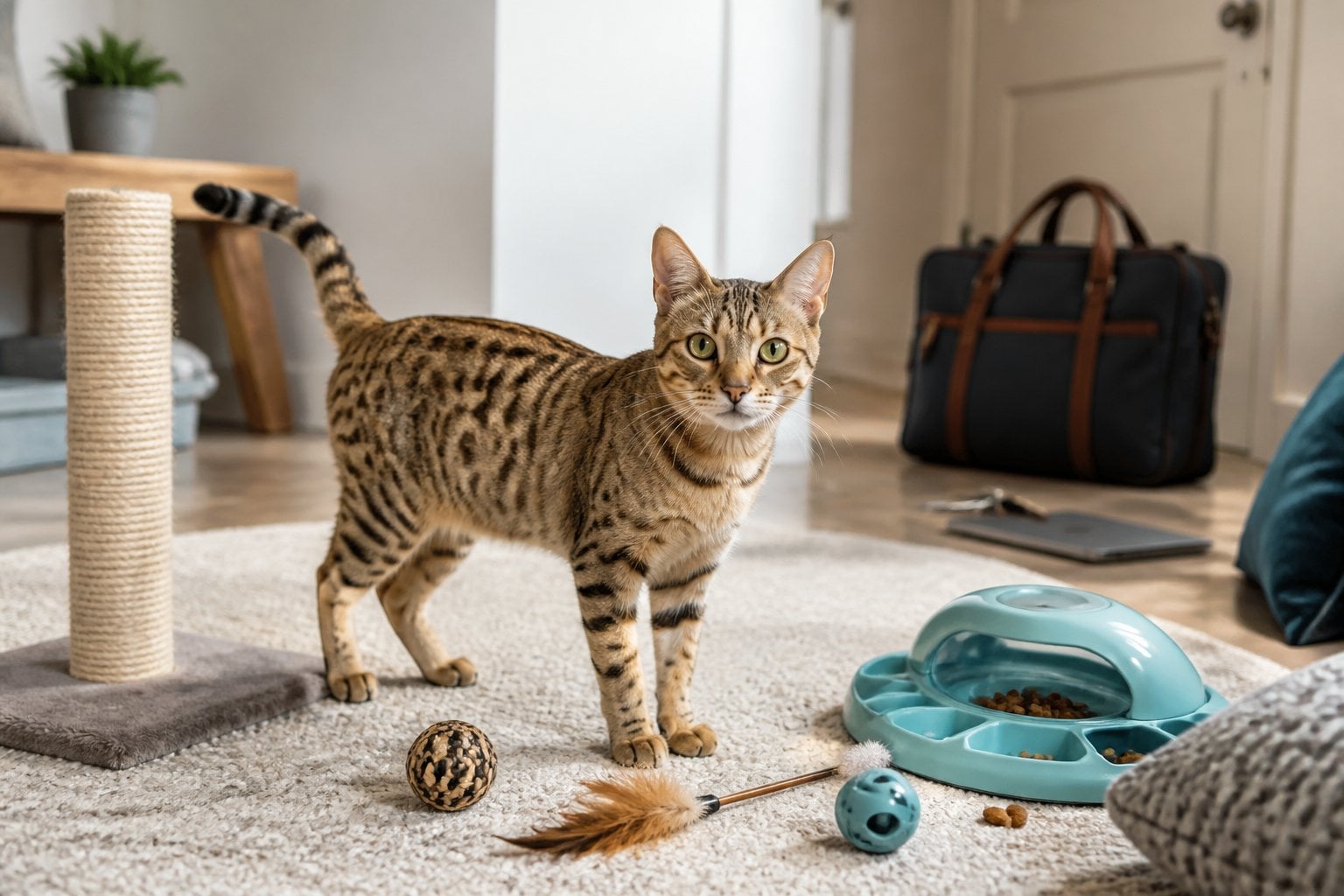
The Ocicat looks like a wild cat, but the resemblance ends at its coat. This breed is domestic through and through, built from Siamese, Abyssinian, and American Shorthair lines.
You should know that Ocicats are highly active and vocal. They demand interaction throughout the day and don’t settle well into quiet, empty homes.
If your schedule keeps you away for long stretches, this breed will struggle. Ocicats bond closely with their owners and can become anxious or destructive when left alone too often.
They also learn quickly, sometimes too quickly. Many Ocicats figure out how to open doors, cabinets, and drawers, which means your home needs to be prepared for a cat that won’t stay where you put it.
Training and socialization take real time. If your lifestyle doesn’t allow for daily engagement, this breed will likely become frustrated, and so will you.
13. Egyptian Mau
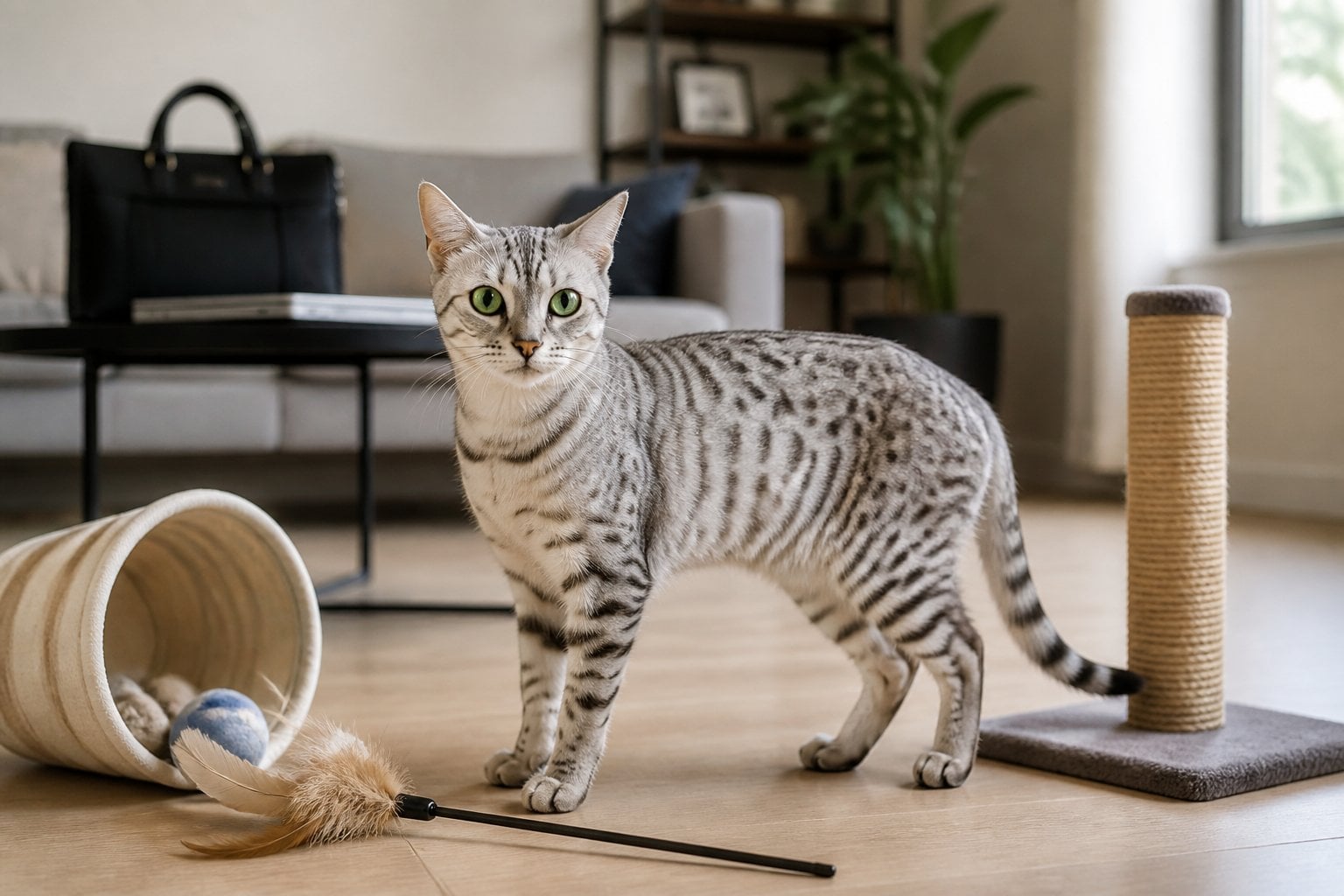
The Egyptian Mau is one of the fastest domestic cat breeds, and that speed comes paired with a skittish temperament. If your schedule keeps you out of the house for long stretches, you may find this breed reacts poorly to the resulting quiet and unpredictability.
Maus bond intensely with their owners and often become anxious around strangers or sudden changes in routine. You need to be consistent with their environment, since this breed doesn’t adjust well to disruption.
Their high energy levels mean they require regular play sessions to stay balanced. Without that outlet, you’ll likely notice destructive behavior or excessive vocalization.
This breed also tends to be wary of new people, so if your work involves frequent visitors or travel, your Mau may struggle to settle. A predictable, low-stress home suits them far better than a busy, ever-changing one.
14. Turkish Angora
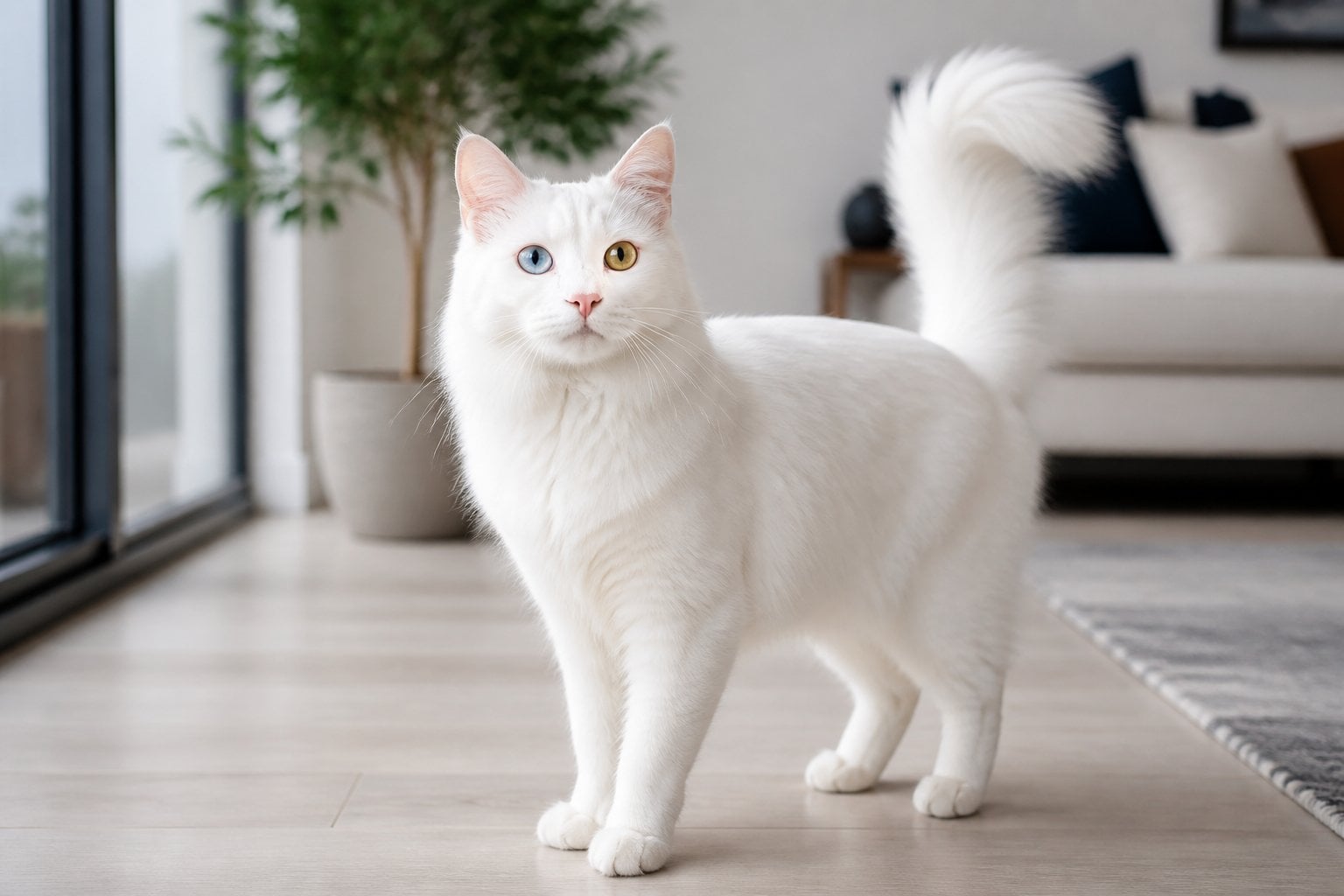
The Turkish Angora is a demanding companion if you’re rarely home. This breed is intelligent, vocal, and craves near-constant interaction with you.
Boredom sets in quickly when you’re away for long stretches. Without enough stimulation, your Angora may act out by scratching furniture or getting into things it shouldn’t.
You’ll also need to manage its long, silky coat. While not as dense as some breeds, it still requires regular brushing to prevent mats and tangles.
Turkish Angoras tend to bond closely with one person and can become anxious when left alone too often. If your schedule keeps you out of the house most of the day, this cat will likely let you know it’s unhappy through loud vocalizations.
This breed suits you best if you can offer consistent attention, playtime, and companionship throughout the week.
15. Russian Blue
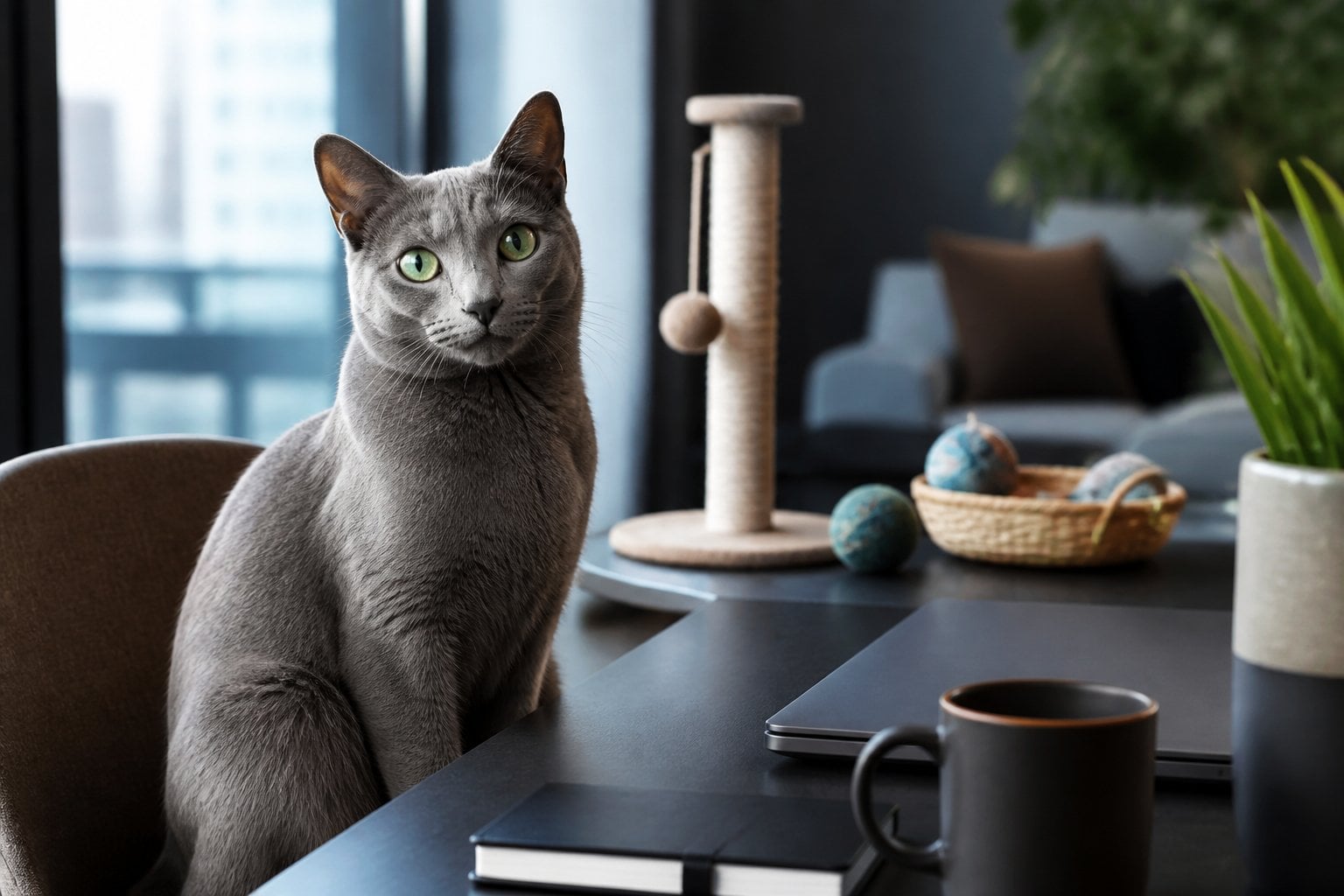
The Russian Blue forms a strong bond with one or two people, and that loyalty comes with a catch. This breed does not adjust well to long stretches alone or frequent changes in routine.
If you work long hours, your Russian Blue may become withdrawn rather than adapting. Unlike breeds that tolerate solitude, this cat notices your absence and can grow anxious when left alone too often.
Its reserved, cautious temperament means it needs consistency to feel secure. A chaotic schedule, unpredictable comings and goings, or a house full of noise and guests can push this cat toward stress rather than adjustment.
You should also expect a quiet, watchful personality rather than an outgoing one. This breed does not seek attention from strangers or new visitors, so busy households with frequent guests are not an ideal match.
If your lifestyle involves irregular hours, this breed’s need for stability will likely work against you.
16. Maine Coon
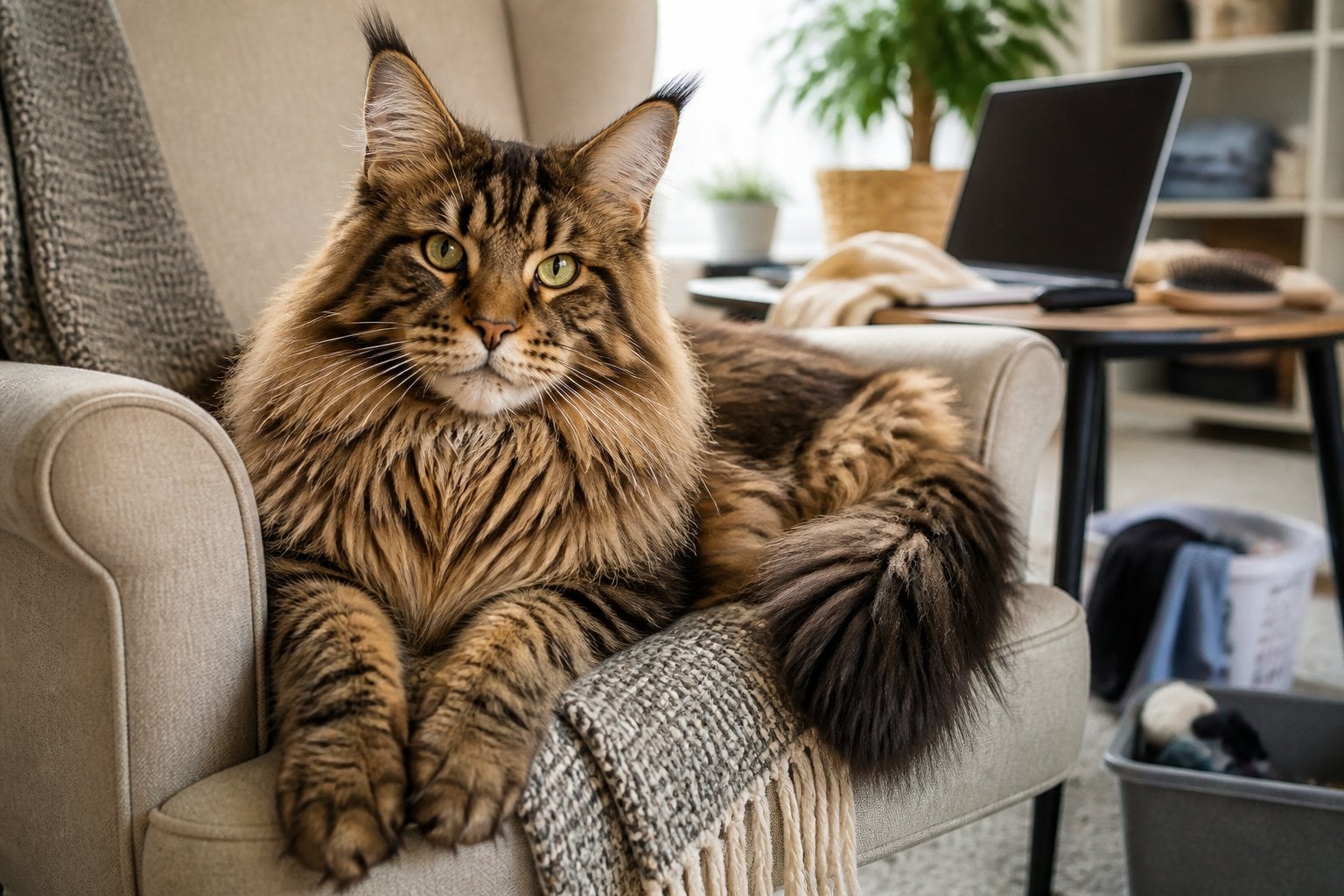
Maine Coons are one of the largest domestic cat breeds, and their size alone makes them a commitment. You are looking at a semi-long, water-resistant double coat that needs brushing several times a week to prevent mats and tangles.
Shedding is heavy, especially during seasonal coat changes, so you will spend time cleaning fur off furniture and clothing.
This breed is also prone to hypertrophic cardiomyopathy, a heart condition that requires regular veterinary screening. Hip dysplasia and spinal muscular atrophy show up in some lines as well, so ongoing health monitoring is part of ownership.
Maine Coons are social and often vocal, and they don’t do well when left alone for long stretches. If your schedule keeps you away most of the day, you may notice more meowing, restlessness, or attention-seeking behavior when you return.
Their large size also means higher food costs and bigger litter box needs than smaller breeds.
17. Ragdoll
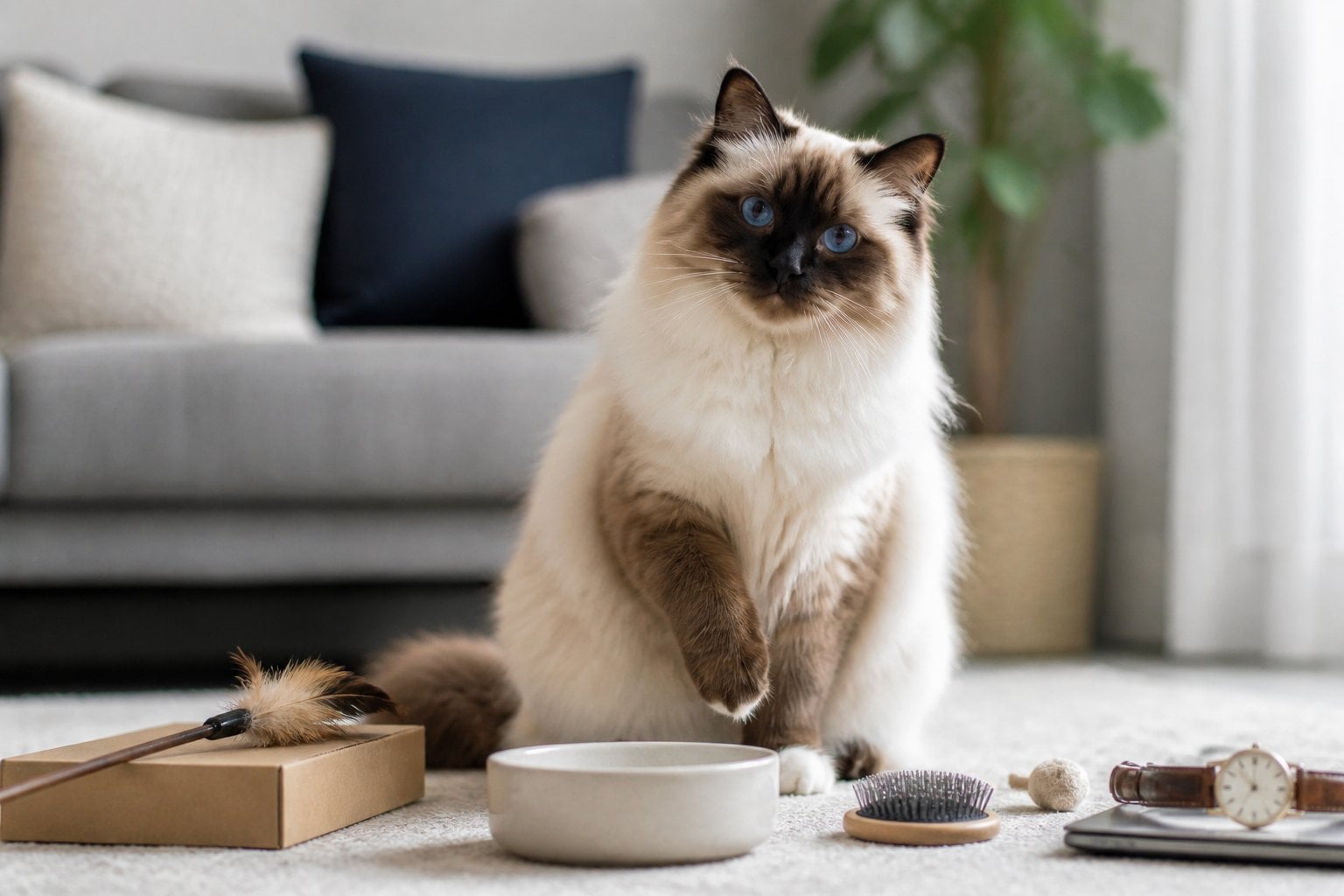
Ragdolls need constant company, and busy schedules don’t suit them well. You’ll notice they follow you from room to room, waiting for attention rather than entertaining themselves.
Their coats require regular brushing to prevent mats, especially around the legs and belly. If you skip grooming sessions during busy weeks, tangles build up fast.
You should expect vocal reminders when you’re away too long. Ragdolls express displeasure through meowing and clinginess once you return.
Health monitoring matters here as well. This breed carries a higher risk of hypertrophic cardiomyopathy, so you’ll need to schedule regular vet checkups you can’t afford to miss.
Left alone for long stretches, Ragdolls can become anxious or withdrawn. Your work trips or long shifts may leave them stressed without a companion animal or someone checking in.
If your calendar stays packed, this breed’s emotional needs will likely outpace the time you have available.
18. Persian
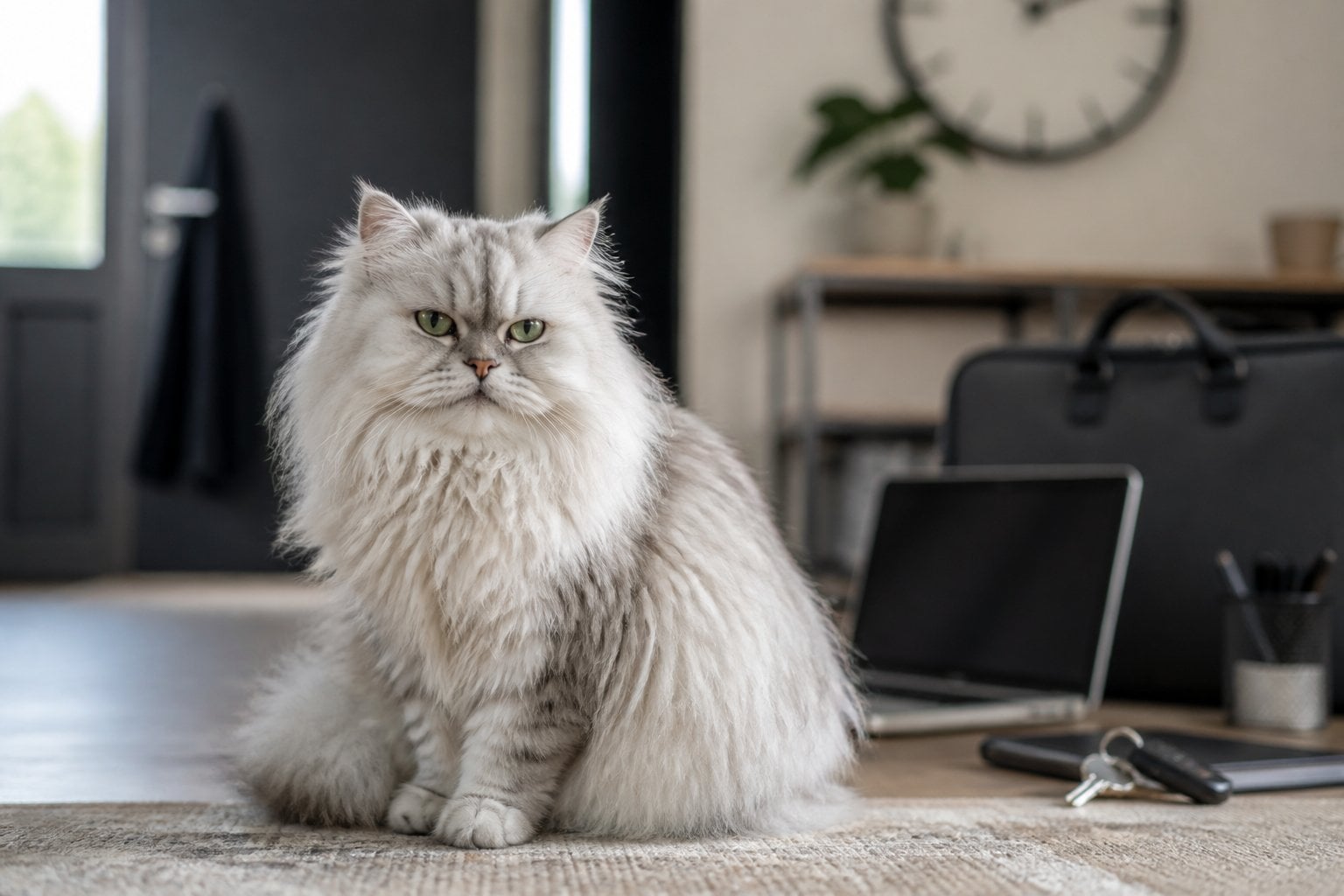
Persian cats demand daily grooming to prevent their long coats from matting. If you have a packed schedule, you’ll struggle to keep up with this requirement.
Their flat, brachycephalic faces often lead to breathing difficulties and eye discharge that needs regular attention. You’ll find yourself scheduling more vet visits than you might expect with other breeds.
Persians also tend to develop tear duct issues, requiring you to wipe their faces multiple times a day. Skipping this step can result in staining and skin irritation around the eyes.
Beyond grooming, Persians are prone to health conditions like polycystic kidney disease, which requires monitoring and financial commitment. You’ll need to budget for ongoing veterinary care throughout their life.
Their calm, low-energy temperament might seem convenient, but it doesn’t offset the intensive physical maintenance they require. If your schedule doesn’t allow for consistent daily care, a Persian will likely become an overwhelming responsibility.
19. Himalayan
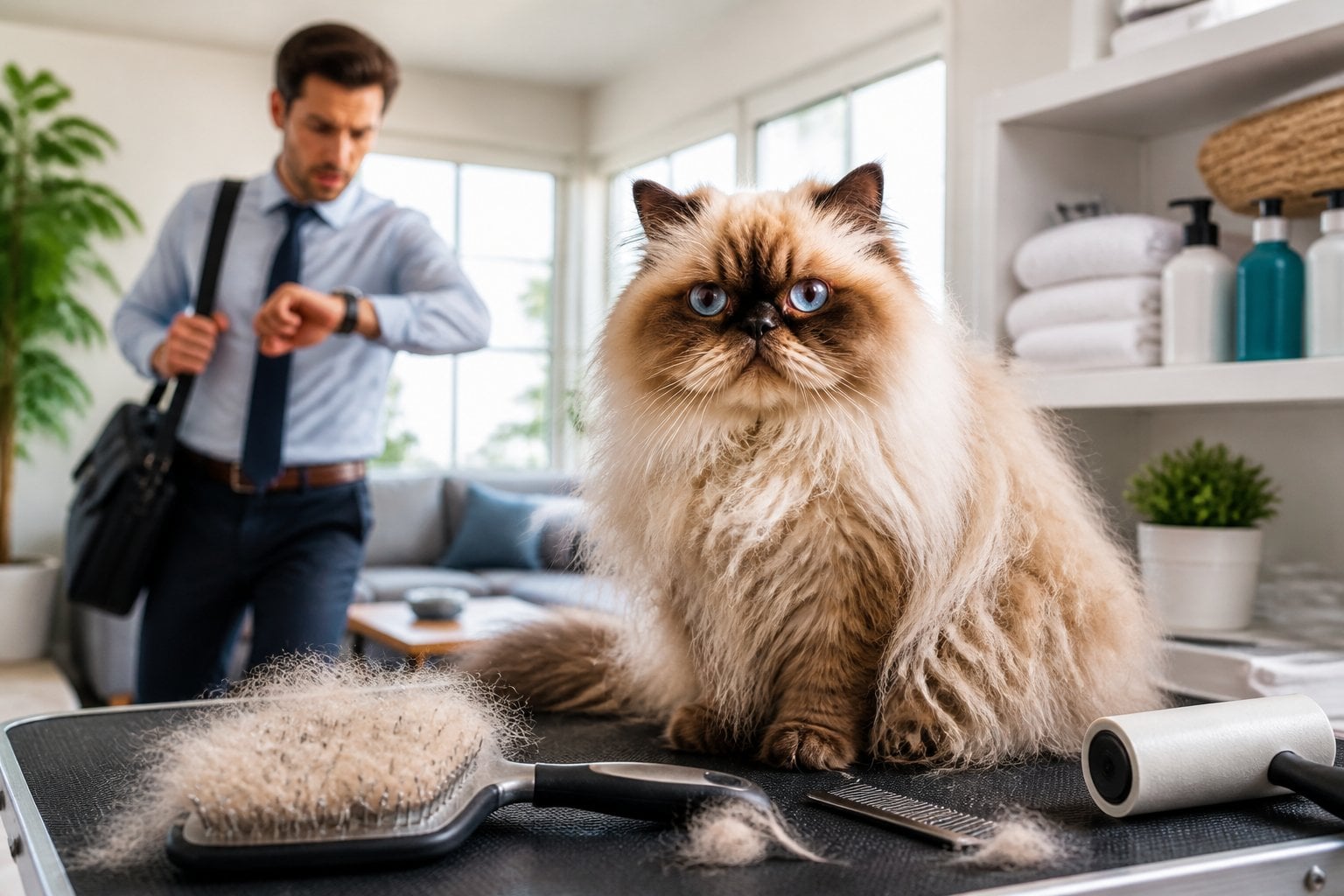
Himalayan cats have long, thick coats that require daily brushing. If you skip even a few days, mats form quickly and become painful for your cat to have removed.
Their flat faces also contribute to tear staining and breathing issues, which means you’ll need to clean their eyes regularly. This is not a breed you can leave unattended for a weekend.
Himalayans are also highly people-oriented. They form strong attachments to their owners and can become withdrawn or anxious when left alone for long stretches.
If your schedule involves frequent travel or unpredictable hours, this breed will likely struggle emotionally. You won’t just be managing a grooming routine—you’ll be managing a cat that genuinely needs your presence.
For busy owners, the combination of intensive coat care and high emotional needs makes the Himalayan a demanding choice. This breed rewards consistent attention, but it does not tolerate neglect well.
20. British Longhair
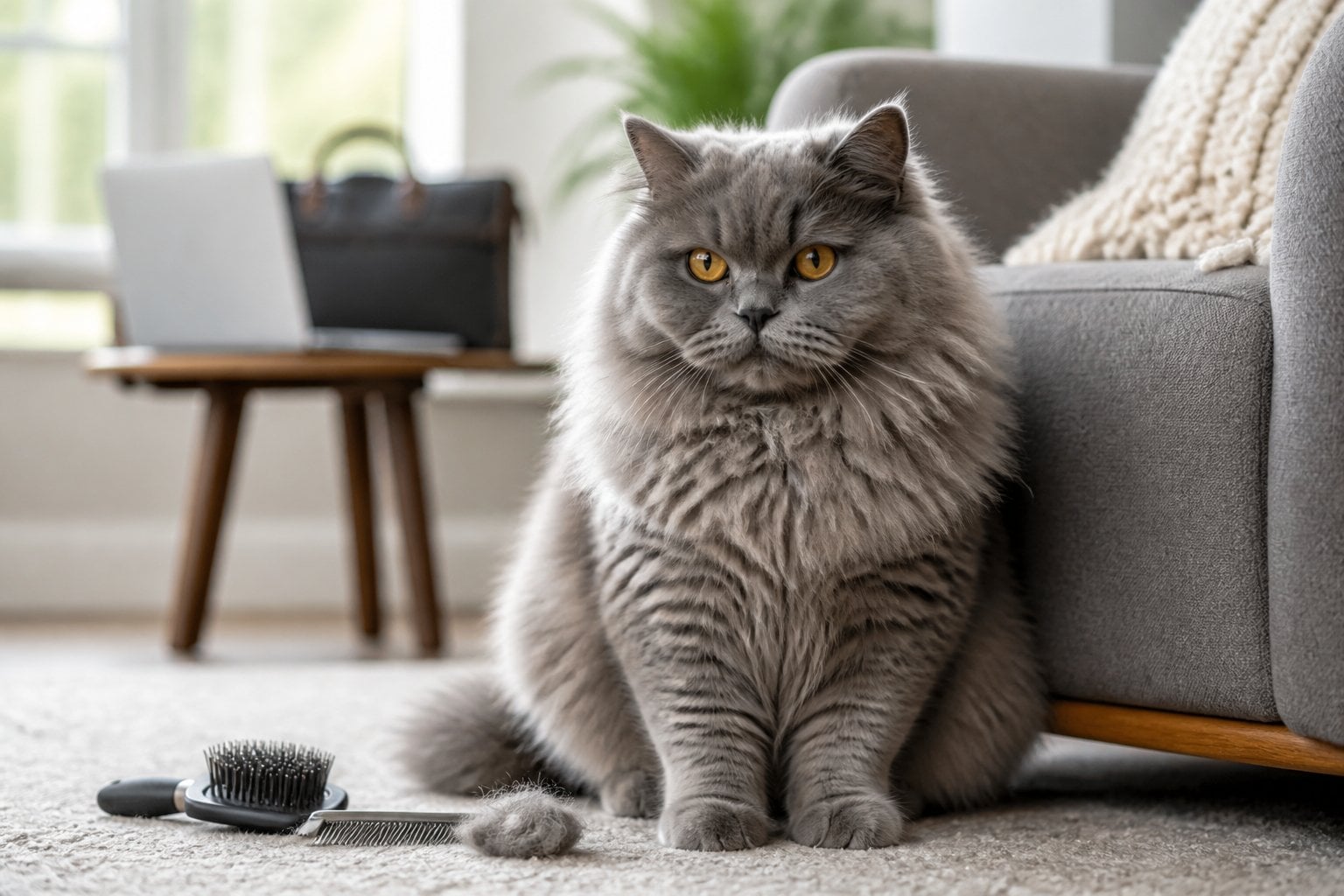
The British Longhair carries a dense, plush double coat that requires regular brushing to prevent matting and reduce shedding around your home. If your schedule leaves little time for grooming, this breed’s coat maintenance becomes a genuine burden.
You’ll also notice this cat prefers routine over chaos. Long work hours or unpredictable schedules can leave it feeling unsettled, since it thrives on consistency rather than sudden changes to its environment.
Unlike more affectionate breeds, the British Longhair isn’t fond of being picked up or handled excessively. It prefers to keep its paws on solid ground, which means you’ll need to respect its boundaries rather than force physical affection when you’re home.
Health monitoring matters here too. This breed can be prone to specific genetic conditions, so you’ll need time for regular veterinary check-ups.
Between coat care, routine stability, and health oversight, this cat demands more structured attention than your busy calendar may allow.
21. Norwegian Forest Cat
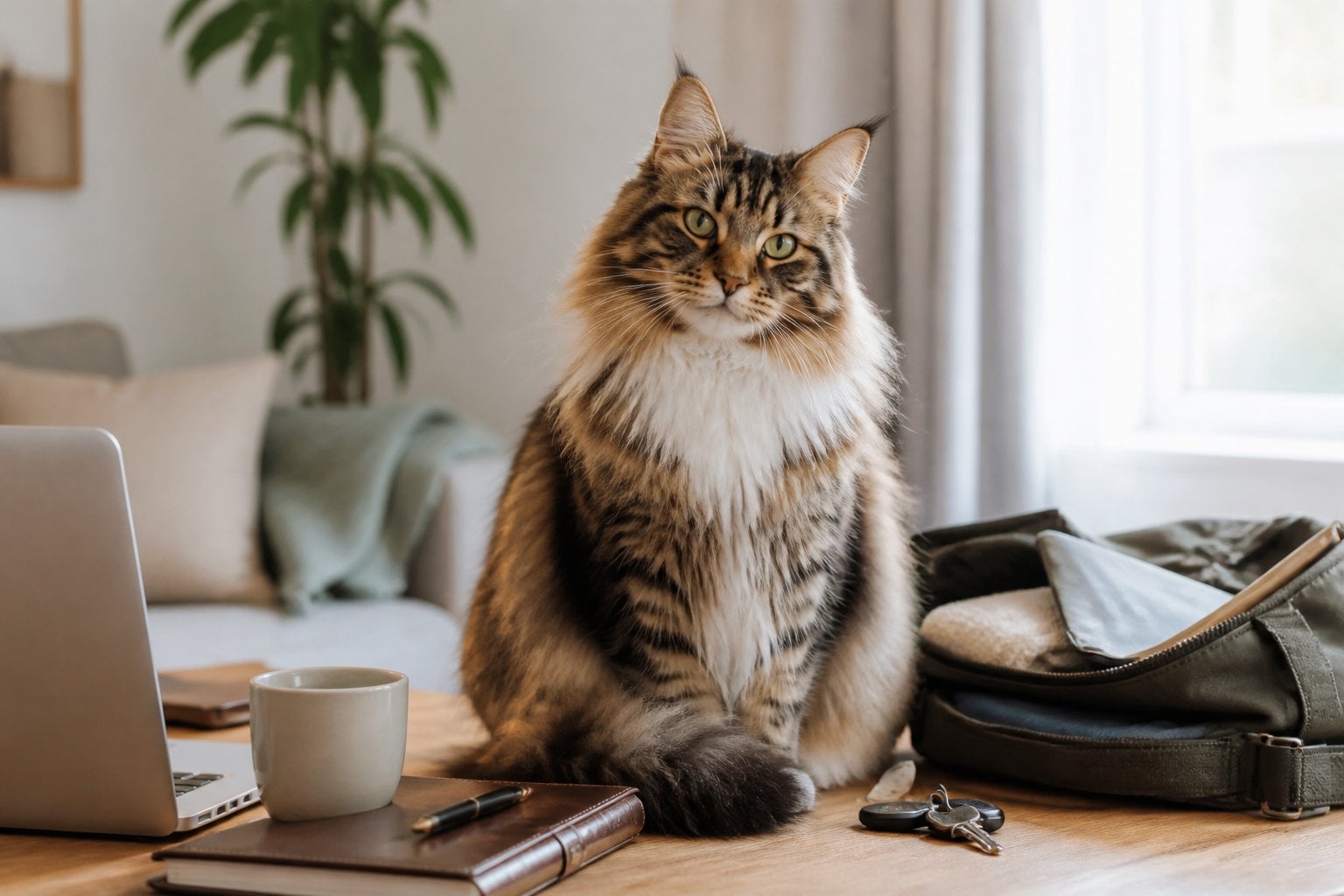
Norwegian Forest Cats have thick, water-repellent double coats built for cold climates. That means regular grooming is not optional.
You will need to brush your Norwegian Forest Cat several times a week, and more often during seasonal shedding periods. Skipping this leads to mats and tangles, particularly around the belly and hind legs.
This breed is large and muscular, often weighing between 12 and 16 pounds. They need space to climb and explore, so a small apartment without vertical options may leave them understimulated.
While they are independent enough to tolerate some alone time, they still form strong attachments to their owners. If your schedule keeps you away for long stretches, you should plan for interactive toys or climbing structures to keep them occupied.
Their calm temperament makes them easier to manage than more demanding breeds, but the coat maintenance alone requires consistent time investment.
22. Birman
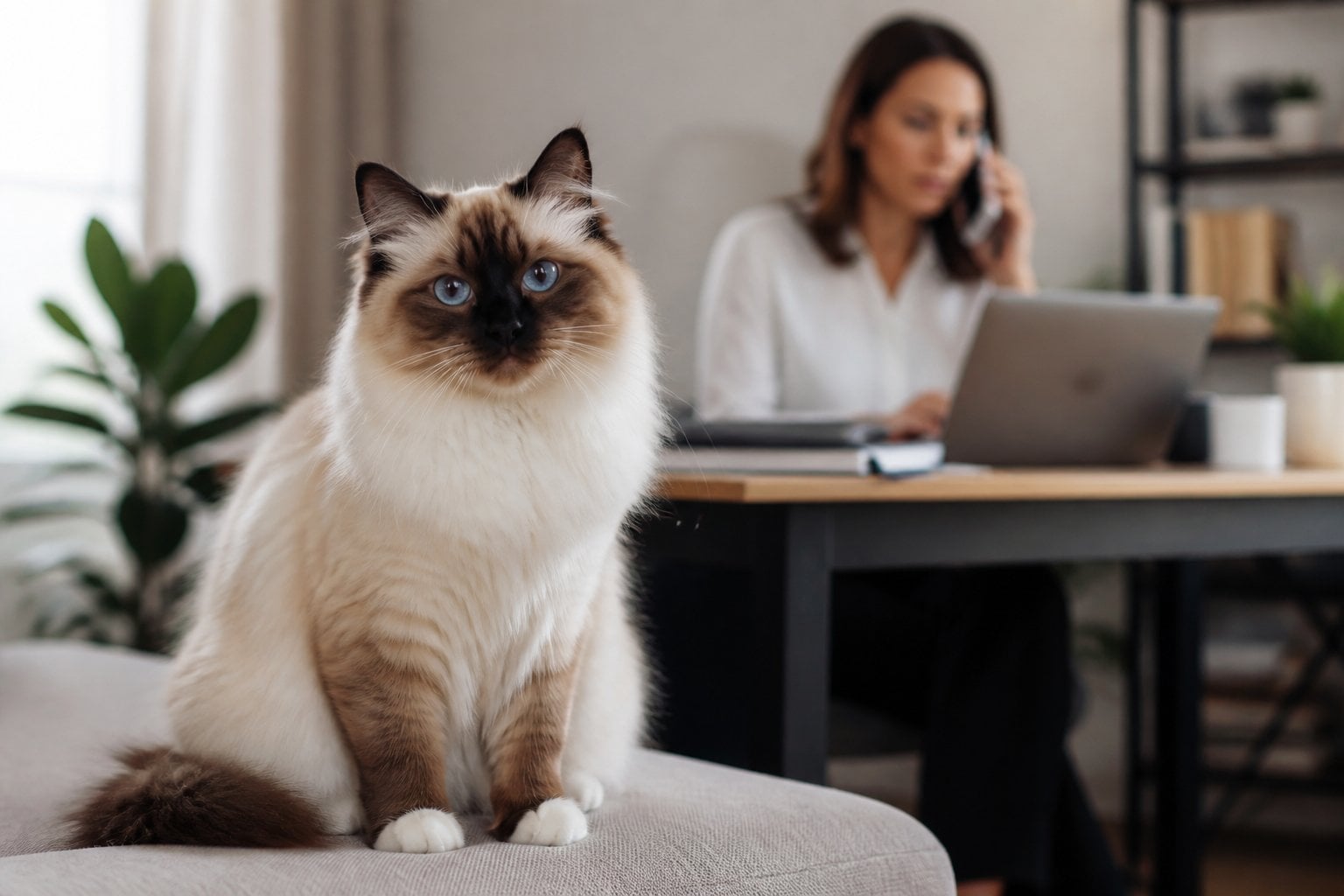
Birmans are affectionate cats that thrive on close contact with their owners. If you’re gone for long stretches, this breed will struggle with the isolation and may become vocal or withdrawn in response.
Their semi-long coat needs regular brushing to prevent mats, particularly around the legs and behind the ears. Skipping even a week of grooming can leave you with tangles that take real effort to fix.
You also need to watch their diet closely. Birmans can gain weight quickly if their meals aren’t monitored, and a busy schedule often means less attention to portion control.
This breed does best when someone is home consistently to provide company and stick to a grooming routine. If your days are unpredictable, a Birman may not adjust well to your lifestyle.
23. Scottish Fold
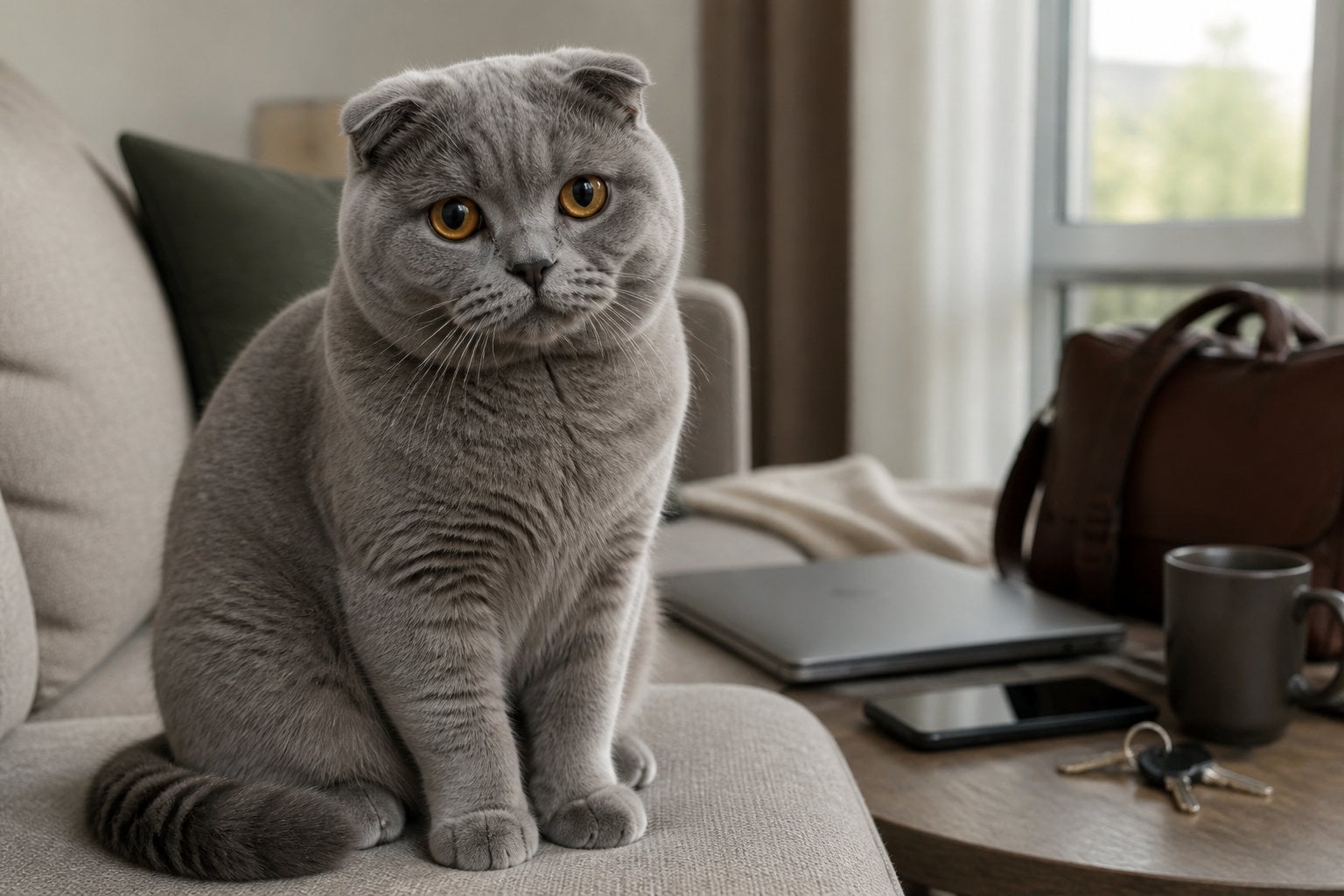
Scottish Folds carry a genetic mutation that affects cartilage throughout their bodies, not just their ears. This condition, osteochondrodysplasia, can lead to arthritis and joint pain as your cat ages.
If you’re busy, you may not notice early signs of discomfort until the condition has progressed. These cats often require regular vet monitoring, joint supplements, and sometimes pain management medication.
You’ll also find that Scottish Folds tend to bond closely with one person and can become anxious when left alone for long stretches. A demanding work schedule leaves little room for the attention they expect.
Veterinary costs for this breed tend to run higher than average due to their predisposition to skeletal issues. Before choosing a Scottish Fold, you should weigh whether your schedule allows for consistent health monitoring and companionship this breed typically needs.
24. American Curl
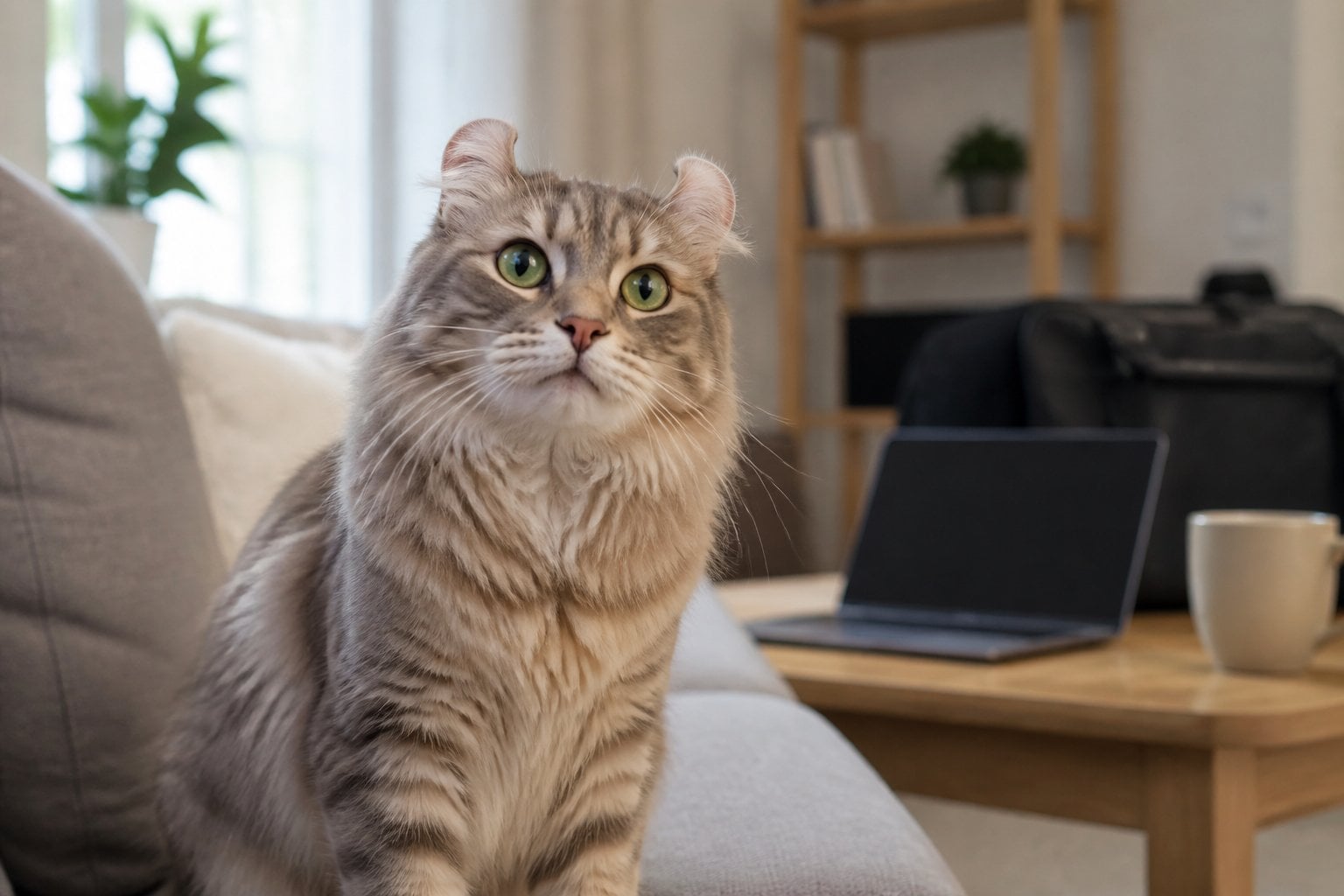
American Curls have a friendly, people-oriented temperament that makes them crave interaction. If your schedule keeps you away for long stretches, this breed can develop separation anxiety.
Their unique ears require gentle, regular cleaning to prevent wax buildup and infections. This is a task you can’t skip, even during a busy week.
Curls tend to stay kitten-like well into adulthood, retaining high playfulness for years. Without consistent engagement, that energy can turn into destructive behavior around your home.
You’ll also need to watch their ear cartilage carefully, since improper handling can cause damage. This means teaching kids or guests how to interact with them safely.
If your work demands unpredictable hours or frequent travel, this breed’s need for companionship may leave both of you frustrated.
25. Japanese Bobtail
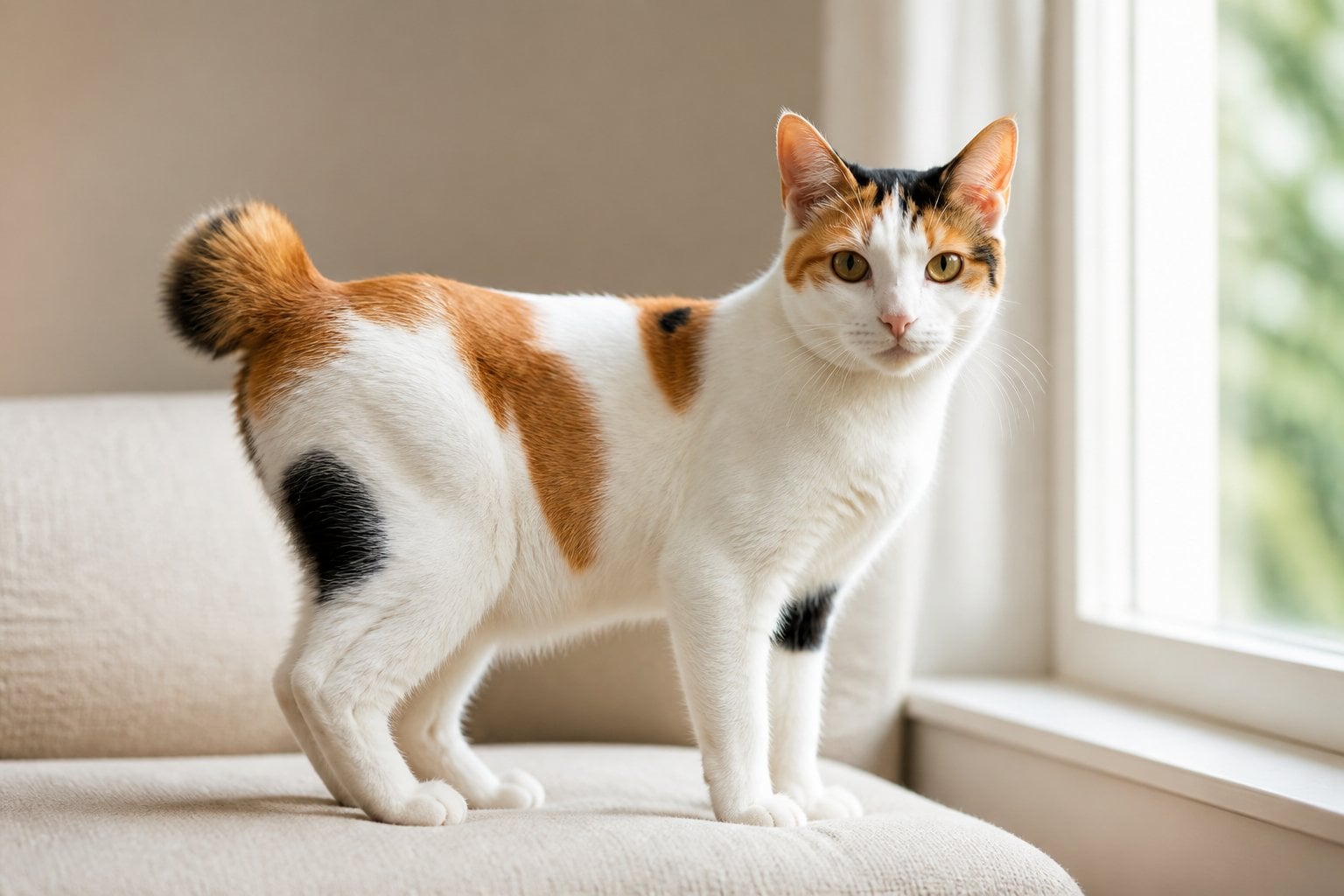
If your schedule keeps you out of the house for long stretches, the Japanese Bobtail may test your patience. This breed is highly social and thrives on interaction with its owners.
You’ll notice their vocal nature quickly. Japanese Bobtails communicate frequently, using a range of chirps and trills to get your attention, and they expect a response.
Their energy levels stay high well into adulthood. You’ll need to provide regular playtime to keep them mentally stimulated, since boredom can lead to restlessness or mischief.
Left alone for extended periods, these cats can become anxious or withdrawn. Some owners report their Bobtail waiting by the door for their return, a sign of the strong bond this breed forms.
If your work hours are unpredictable or lengthy, you should consider whether you can meet this cat’s need for companionship before bringing one home.
26. Somali

The Somali is a long-haired version of the Abyssinian, and it carries the same high energy level. This breed needs consistent playtime and mental stimulation, which can be difficult to provide with a demanding schedule.
Their semi-long coat requires regular brushing to prevent matting, adding another task to your routine. If you skip grooming sessions for too long, you will notice tangles forming, especially around the legs and tail.
Somalis are also known for their curiosity and tendency to explore every corner of your home. They often open cabinets, climb furniture, and investigate anything left unattended.
Without enough attention, a Somali can become bored and develop destructive habits. This breed does best with an owner who has time to interact daily, since long stretches of solitude do not suit its active, inquisitive nature.
27. Chausie
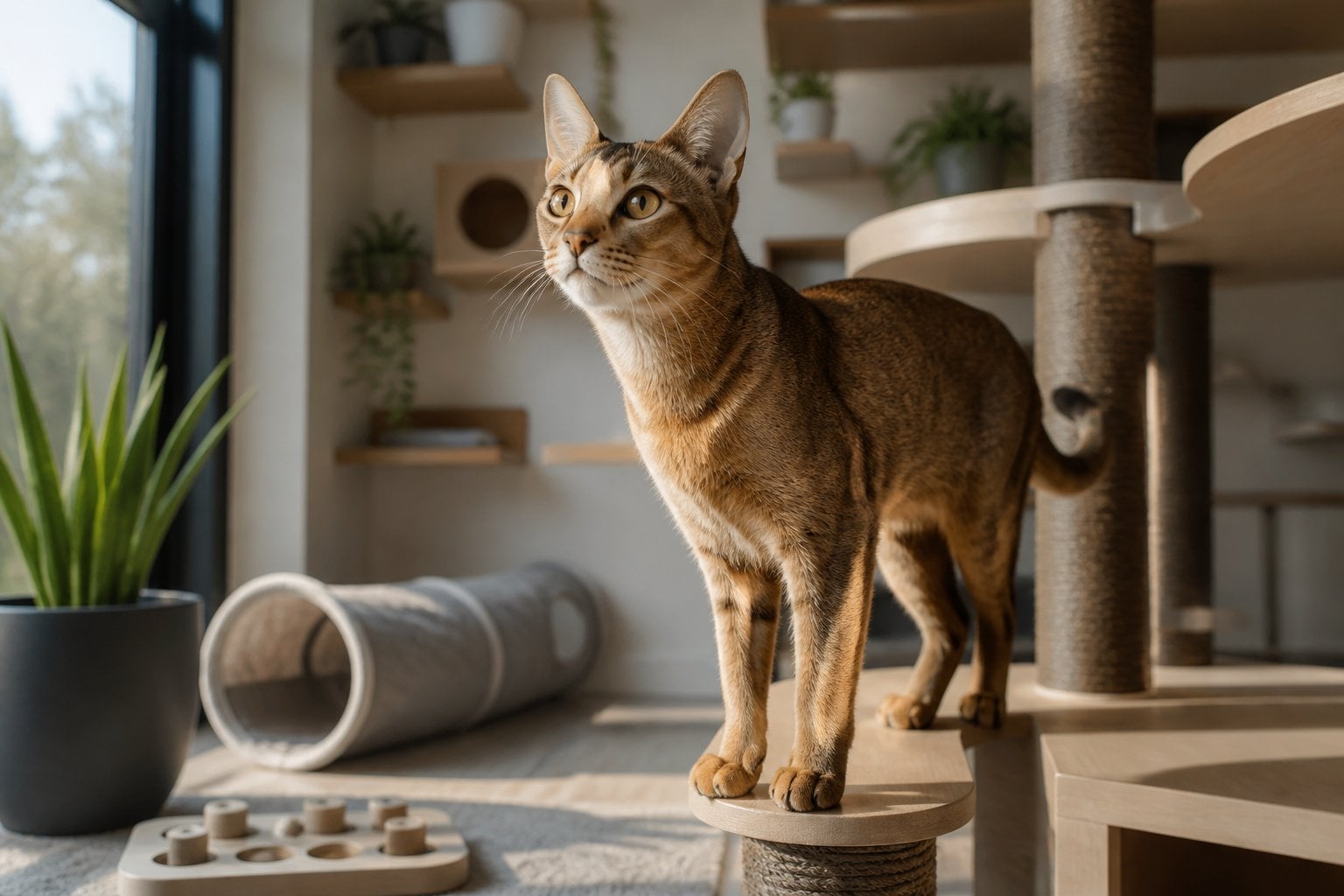
The Chausie is part domestic cat, part wild jungle cat ancestry, and it shows in how much energy this breed carries. You need to give it hours of active playtime every day, or it will find its own outlets, often through destructive behavior.
This breed is highly intelligent and gets bored quickly with repetitive toys or routines. You have to rotate activities and provide climbing structures, puzzle feeders, and regular training sessions to keep its mind engaged.
Chausies also form strong attachments to their owners and don’t do well when left alone for long stretches. If your schedule keeps you away from home most of the day, you may notice signs of stress or anxiety in your cat.
Their size and strength mean they can knock over items or get into spaces you wouldn’t expect. A busy lifestyle with limited supervision time makes this breed a difficult match for your household.
28. Peterbald
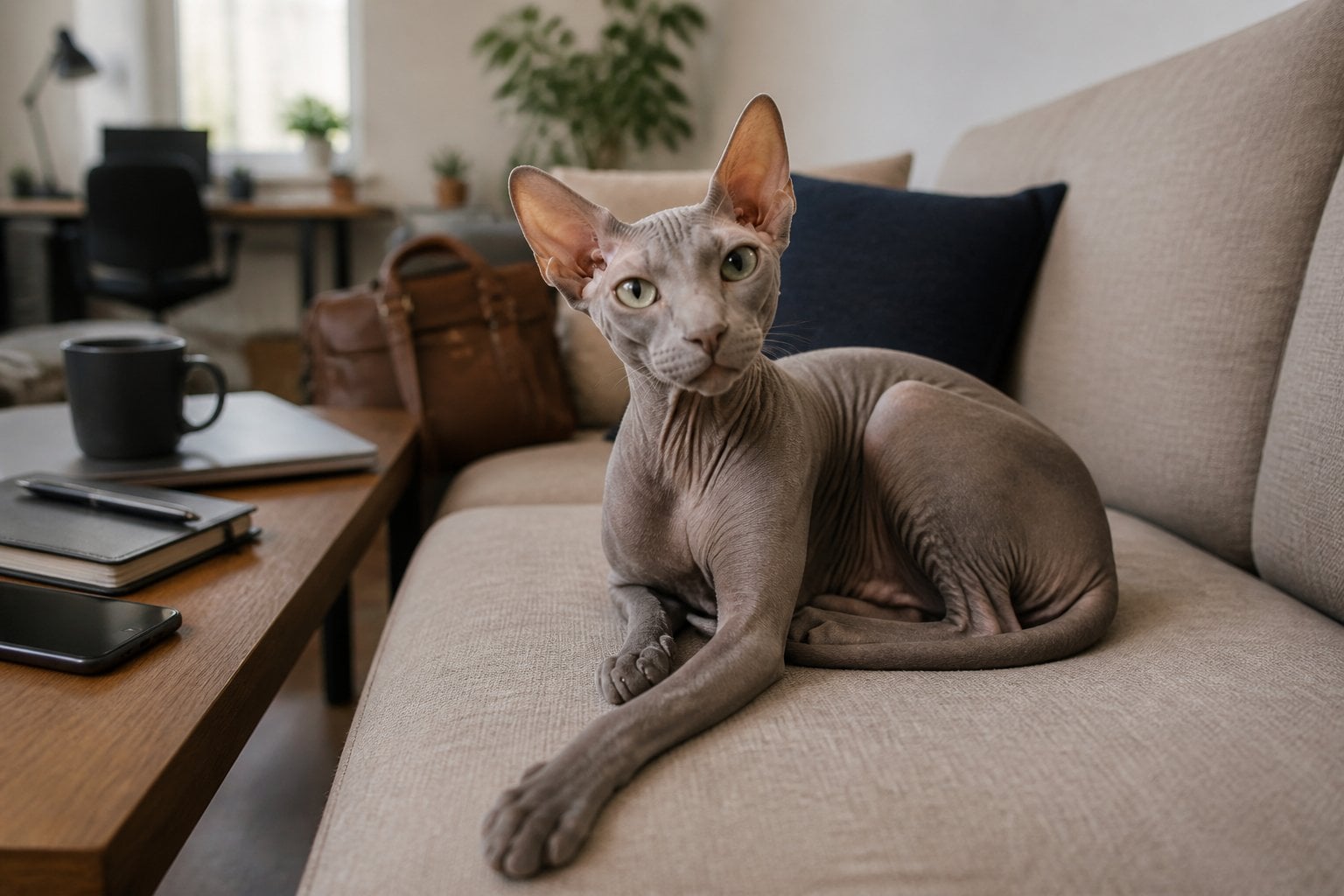
Peterbald cats need more attention than your schedule may allow. This hairless or partially-haired breed lacks natural insulation, so you must monitor their body temperature and provide warm bedding or clothing in cooler months.
Their skin also requires regular care. Without fur to absorb oils, you’ll need to bathe them frequently to prevent skin buildup, which can lead to irritation if neglected.
Peterbalds are highly social and form strong attachments to their owners. Long hours alone can leave them anxious or withdrawn, so a demanding work schedule may not suit this breed.
You should also watch for digestive sensitivity, a known issue in Peterbalds. This means monitoring their diet closely and staying alert to any changes in eating habits or stool consistency.
If your lifestyle involves frequent travel or long absences, this breed’s emotional and physical needs may prove difficult to meet consistently.
29. LaPerm
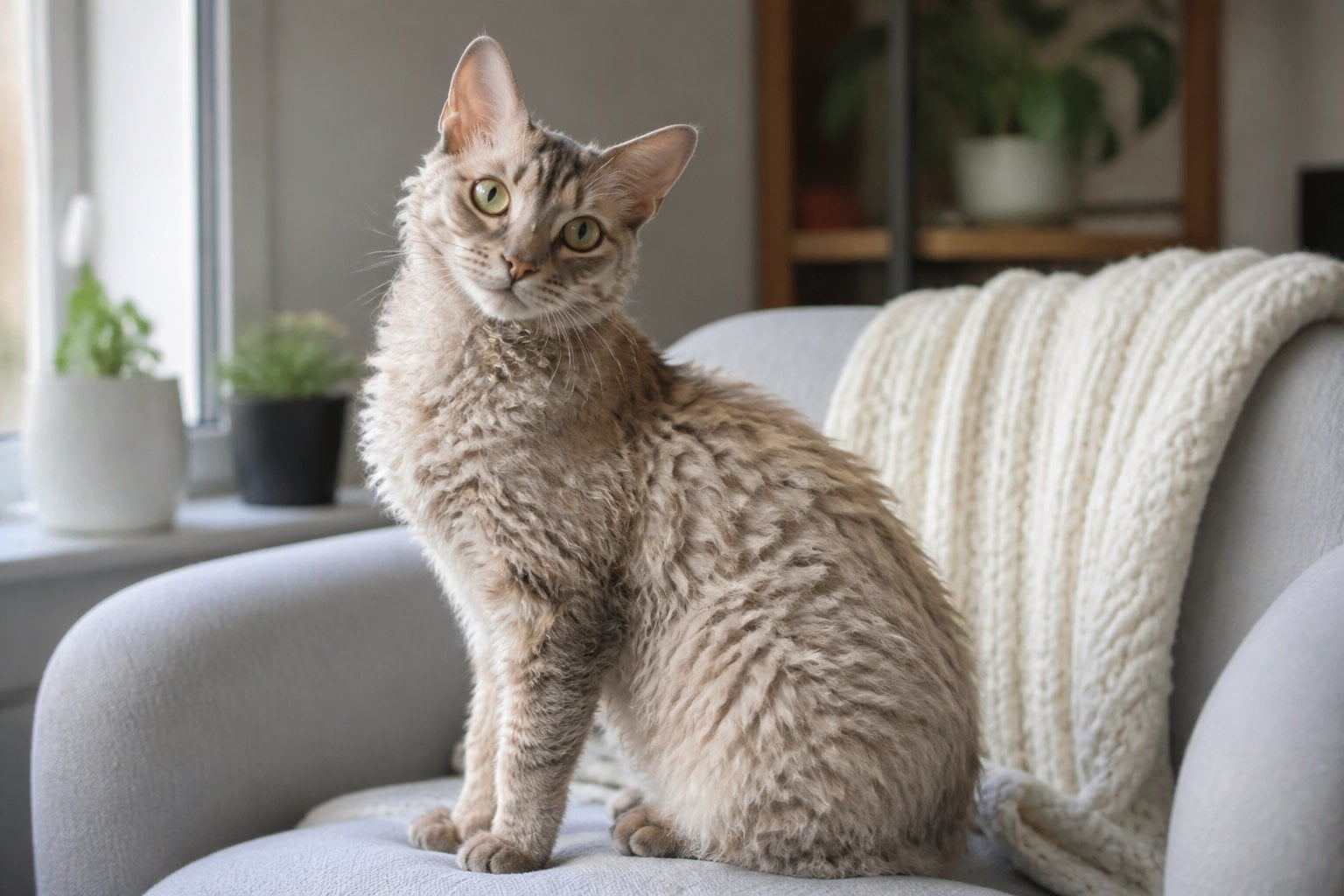
The LaPerm stands out for its curly coat, but its personality is what makes it a poor match for a busy schedule. You’ll find this breed craves constant interaction and doesn’t do well when left to entertain itself for long stretches.
LaPerms are known for following their owners from room to room. If your job keeps you away from home for most of the day, this cat’s need for companionship can lead to stress and attention-seeking behavior.
Grooming adds another layer of commitment. While their curly fur doesn’t mat easily, you still need to check it regularly to maintain its texture and prevent buildup.
This breed also tends to bond intensely with one person. If your schedule is unpredictable, you may struggle to give the LaPerm the steady presence it expects.
30. Toyger
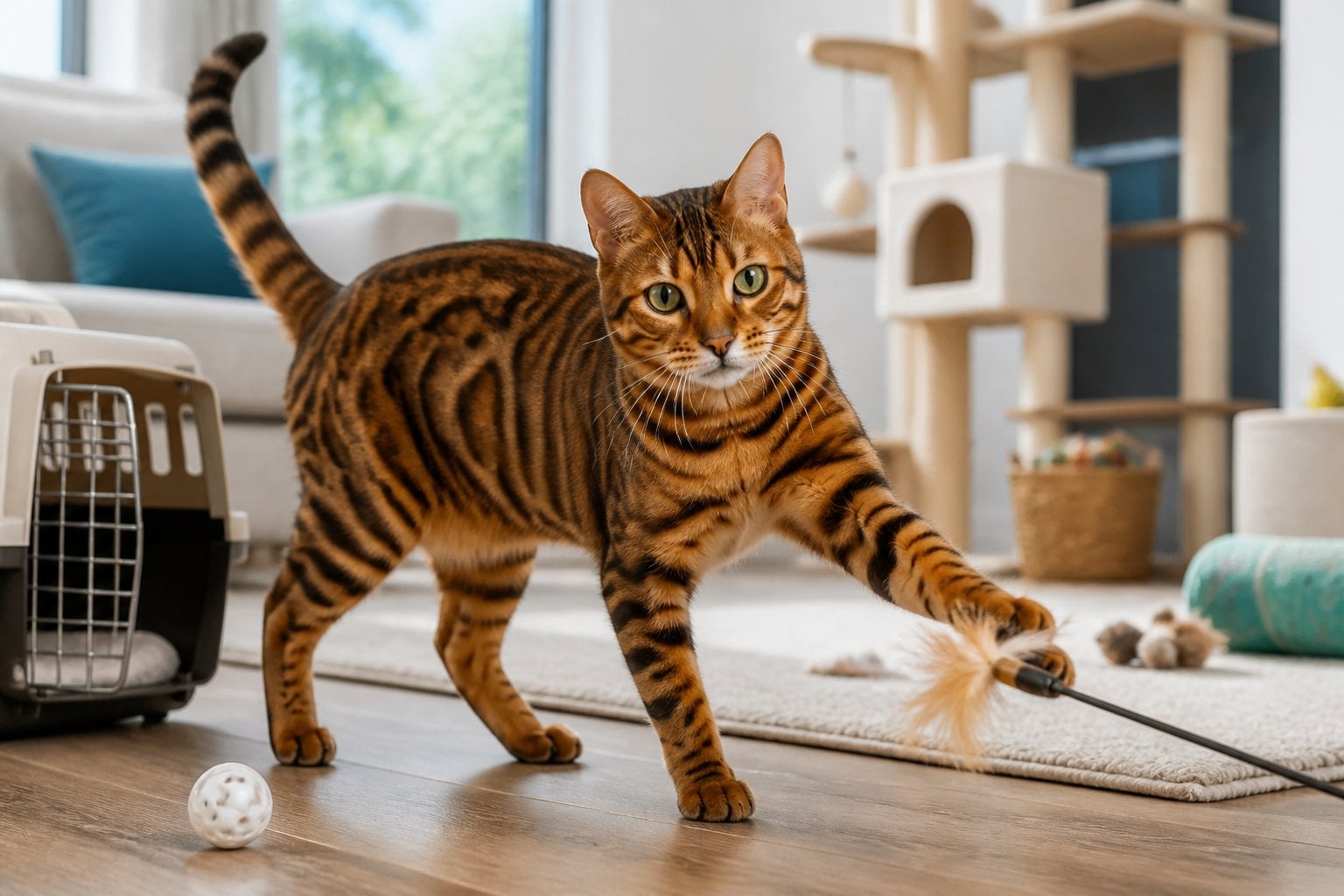
Toygers were bred to look like miniature tigers, and they carry an energy level that matches their wild appearance. This breed needs regular interaction and mental stimulation to stay content.
If your schedule keeps you away from home for long stretches, a Toyger may become bored or destructive. You’ll find that this breed thrives on play sessions and engagement, not solitude.
Grooming is manageable since Toygers have short coats, but their exercise needs are not something you can skip. You’ll need to set aside time daily for play, or the cat’s energy will find other outlets.
Toygers also form strong attachments to their owners. If your work or lifestyle keeps you unavailable for consistent bonding time, this breed will likely show signs of frustration or loneliness.
For busy households, the Toyger’s high activity requirements make it a demanding choice.
How Busy Schedules Affect Cat Care
A demanding work schedule limits the time you have for grooming, play, and social interaction, all of which cats need beyond a bowl of food. When these needs go unmet consistently, your cat’s behavior and health can suffer in ways that are difficult to reverse.
Daily Time Commitments Beyond Feeding
Feeding your cat takes only a few minutes, but proper care requires much more.
You need to set aside time for:
- Litter box maintenance: scooping daily and full cleaning weekly
- Grooming: brushing long-haired breeds daily to prevent mats
- Play sessions: at least 15-20 minutes twice a day for active breeds
- Health monitoring: checking for changes in appetite, litter habits, or behavior
If your schedule only allows for 10-15 minutes with your cat each day, you’ll struggle to meet these baseline requirements. High-energy or high-maintenance breeds demand even more of your attention.
The Risks of Inconsistent Attention And Routine
Cats rely on predictable routines for feeding times, play, and companionship. When your schedule varies day to day, your cat has no way to anticipate when you’ll be home or available.
This unpredictability can trigger stress responses in sensitive breeds. You may notice increased vocalization, destructive scratching, or litter box avoidance as a direct result.
Some breeds develop separation anxiety when left alone for irregular or extended periods. Over time, inconsistent attention can also lead to weight gain, poor coat condition, or withdrawal from social interaction with you.
Choosing A Cat That Fits Your Lifestyle
Matching a cat to your schedule depends on two things: how much support you have at home and whether a kitten is even the right starting point. Both factors determine whether you end up with a companion or a source of stress.
Assessing Your Availability And Household Support
Start by counting your actual free hours, not your intended ones.
If you work 10-hour days and travel often, you need a cat that tolerates solitude well, not one bred for constant interaction.
Consider who else is in your home. A partner, roommate, or older child who can feed and play with the cat changes what breeds become workable.
Ask yourself these questions before choosing:
- Daily hours alone: Will the cat be by itself for 8+ hours regularly?
- Backup care: Does anyone else in the house handle feeding or litter duties?
- Grooming time: Can you commit to daily brushing, or do you need a low-maintenance coat?
- Energy match: Do you have time for play sessions, or do you need a cat that self-entertains?
Your answers narrow the list faster than breed reputation alone.
When To Consider An Adult Cat Or Alternative Pet
Kittens demand more supervision, training, and playtime than adult cats. If your schedule is unpredictable, an adult cat with a known temperament is often the safer choice.
Shelters can tell you how an adult cat behaves alone, around noise, or with other pets, information you cannot get from a kitten.
If even an adult cat feels like too much right now, consider whether a pet is the right fit at all. Low-maintenance alternatives, such as fish or a well-secured reptile, may suit your current schedule better.
Waiting until your routine stabilizes protects both you and the animal from a mismatch.


