
The 30 Friendliest Cat Breeds in the World: A Complete Guide to Affectionate Feline Companions
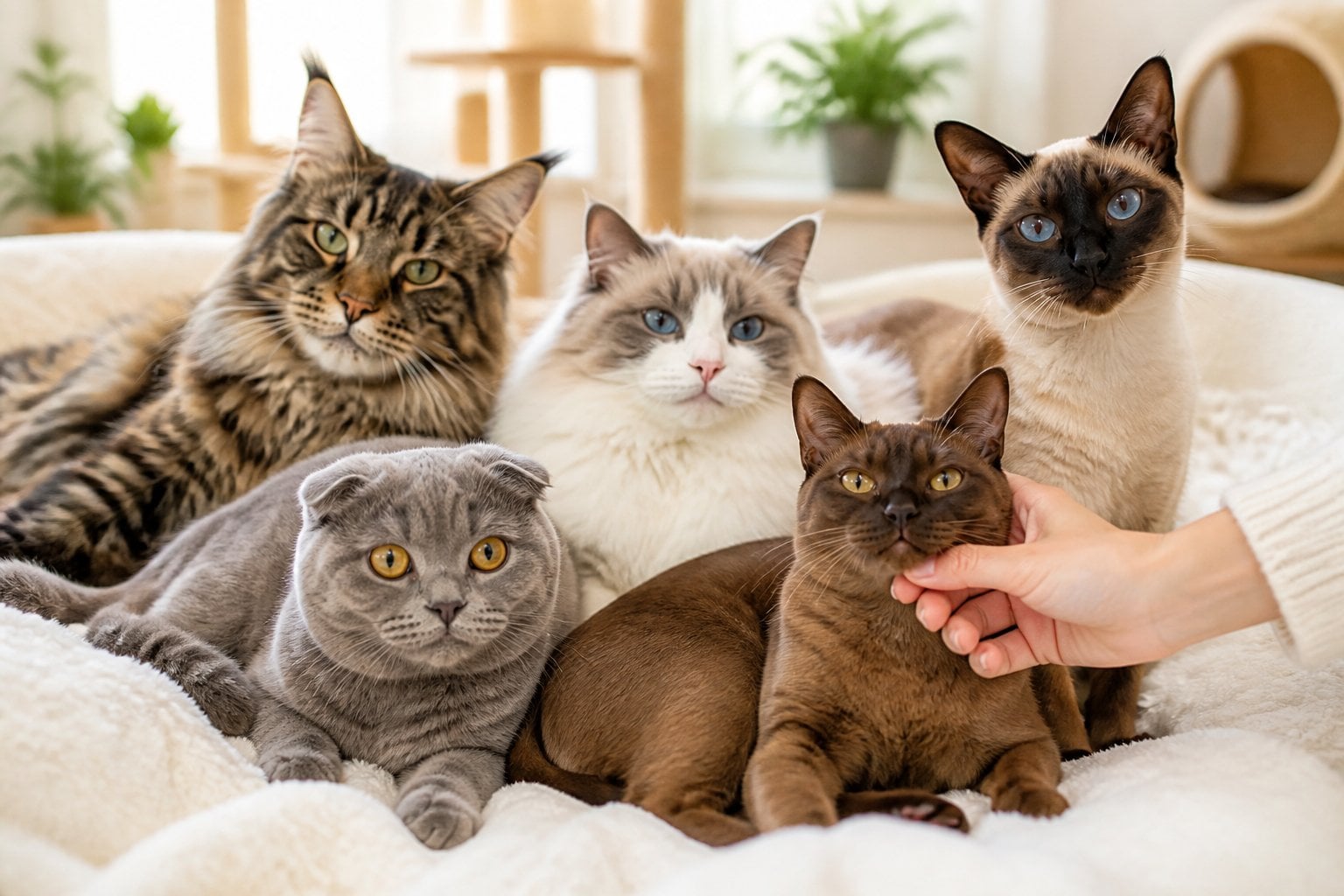
Cats often get stereotyped as aloof or independent, but many breeds are naturally warm, sociable, and eager for human companionship. These friendly felines actively seek out interaction with their families and even welcome strangers with curiosity rather than caution.
If you’re searching for a cat that will greet you at the door, follow you from room to room, and genuinely enjoy being part of your daily life, certain breeds consistently demonstrate these affectionate qualities.
From the vocal and people-oriented varieties to the gentle lap cats that thrive on physical closeness, friendly cat breeds span a wide range of appearances and personalities.
Understanding which breeds naturally possess these sociable tendencies can help you find a feline companion that matches your expectations for interaction and bonding.
1. Siamese
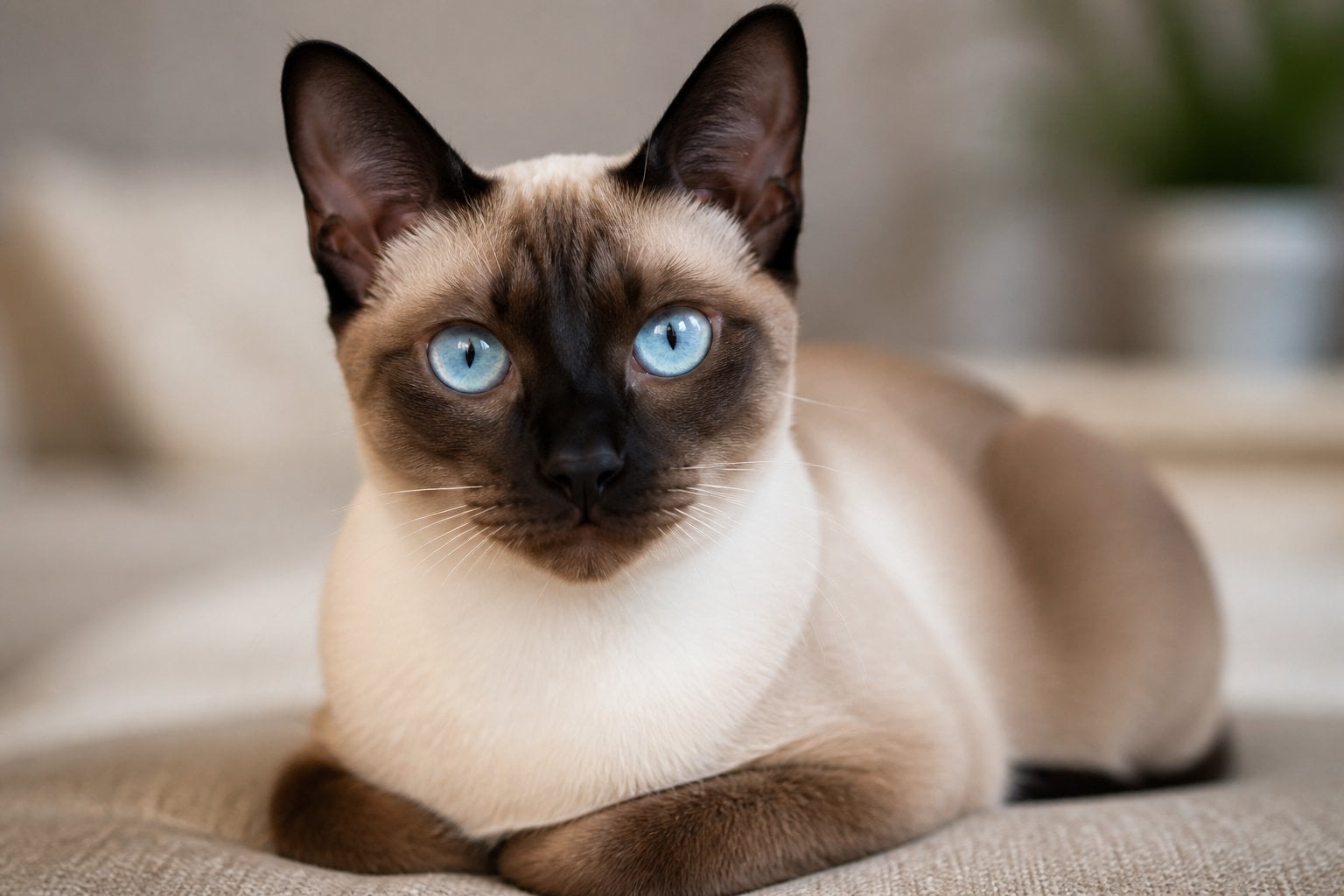
The Siamese cat ranks among the most affectionate and people-oriented breeds you can bring into your home. These cats form strong bonds with their owners and actively seek out human interaction throughout the day.
Siamese cats are notably vocal and won’t hesitate to communicate their needs and desires to you. They thrive on attention and prefer not to be left alone for extended periods. Their social nature makes them excellent companions for families who can dedicate time to interaction and play.
This breed combines intelligence with a curious personality. You’ll find your Siamese eager to explore their environment and engage in interactive activities. Their sleek appearance features distinctive color points on their ears, face, paws, and tail, making them one of the most recognizable cat breeds worldwide.
2. Maine Coon
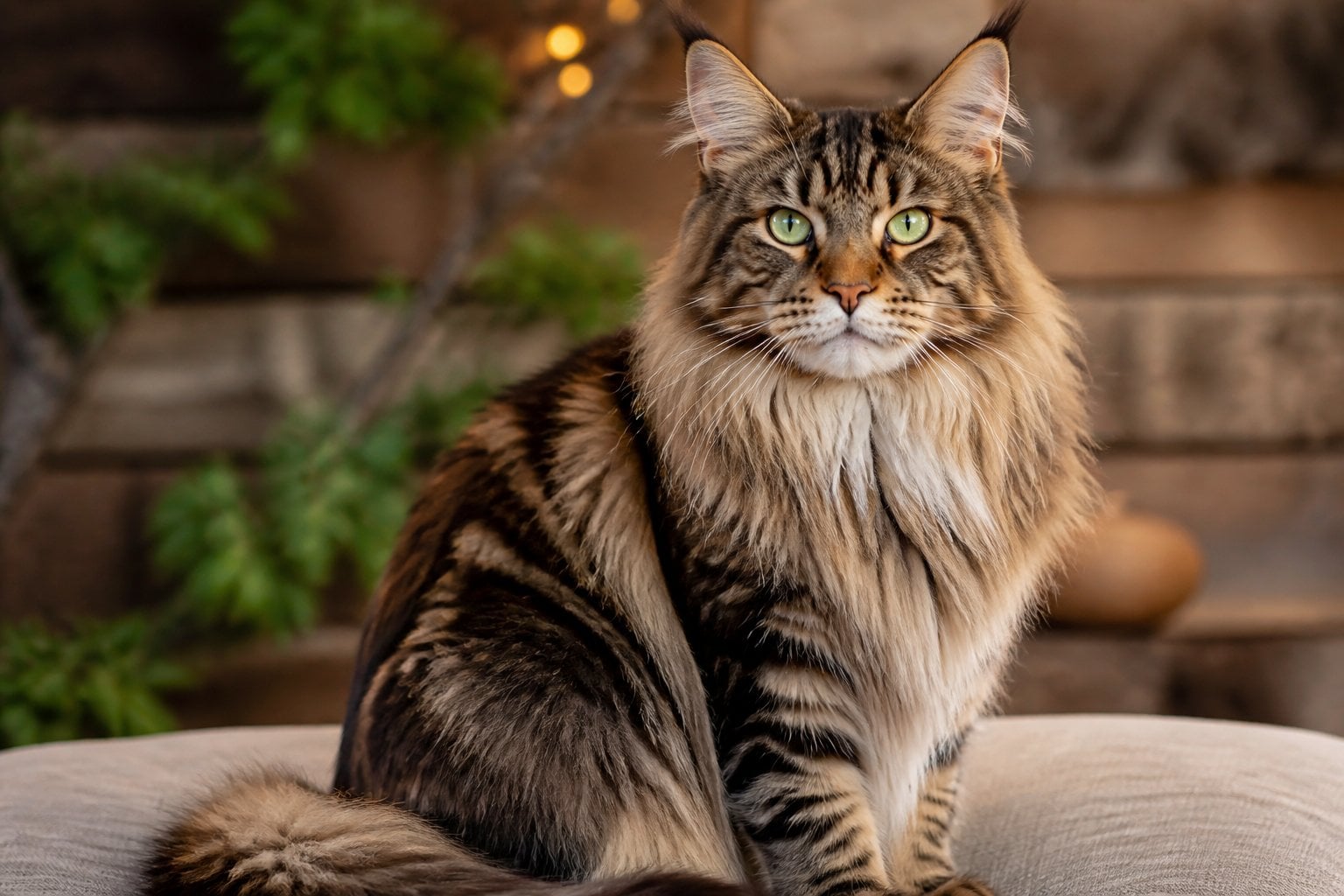
The Maine Coon ranks among the most sociable cat breeds despite being the largest domestic cat. You’ll find this breed balances affection with independence, preferring to stay near you without constant physical contact.
Maine Coons often follow their owners from room to room and can even join outdoor activities. Their gentle temperament makes them suitable for families with children.
You should expect regular grooming sessions due to their long, silky coat. This grooming time provides an excellent bonding opportunity between you and your cat.
The breed exhibits dog-like behaviors, including playing fetch and walking on a leash. Their friendly nature extends beyond the home, with some Maine Coons serving as therapy animals in senior centers and healthcare facilities.
3. Ragdoll
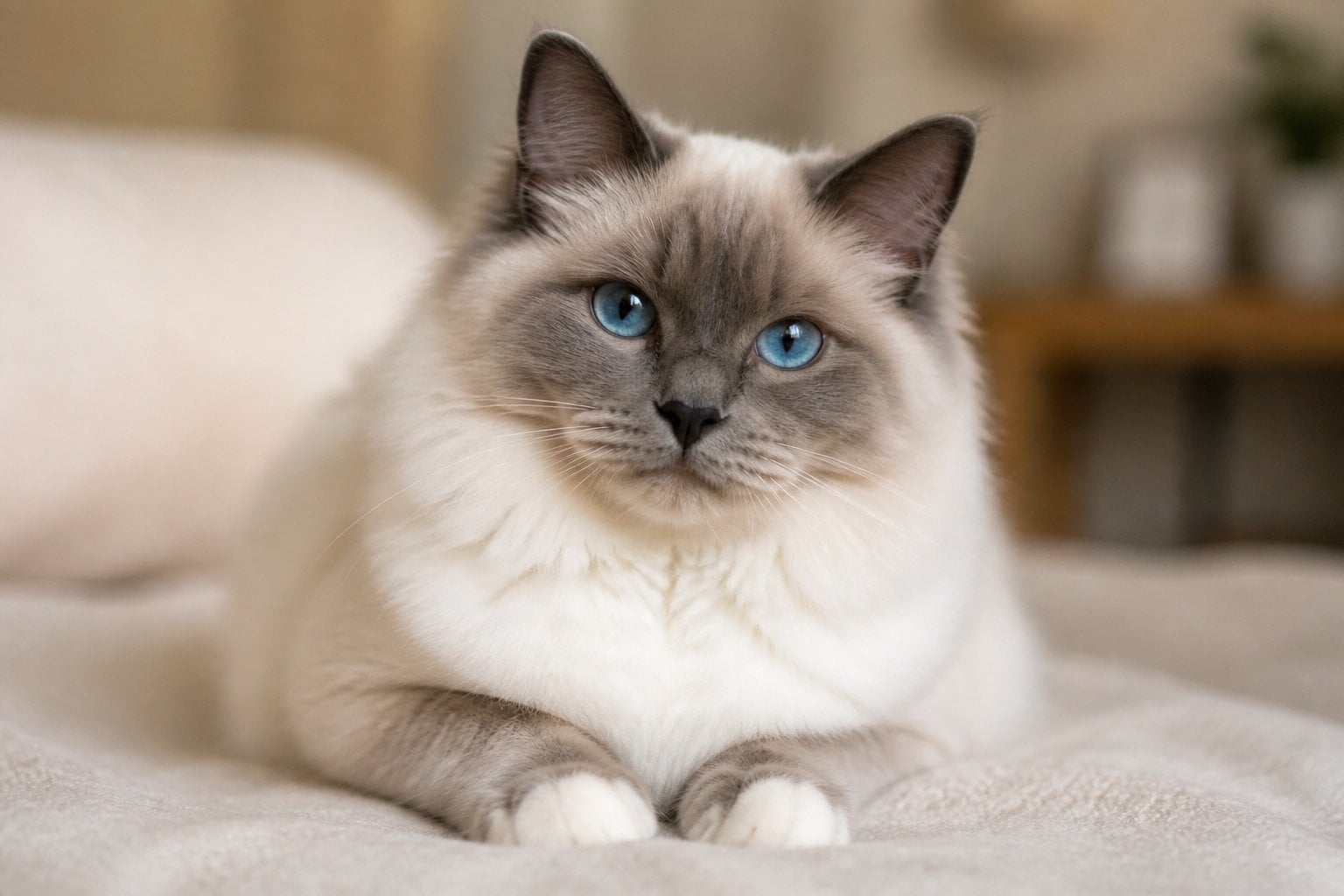
Ragdolls rank among the friendliest cat breeds you can bring into your home. This breed originated in the 1960s through the work of California breeder Ann Baker, who developed these cats specifically for their gentle temperament.
You’ll find that Ragdolls are known for their exceptionally calm and docile personalities. They typically seek out human company rather than solitude, making them ideal companions if you want a truly people-oriented cat.
These large, affectionate cats display striking blue eyes and soft, silky coats. Their laid-back nature makes them well-suited for families with children or other pets.
Ragdolls earned their reputation as one of the least aggressive cat breeds. They prefer following their owners around the house and often enjoy being held, which reflects their strong attachment to people.
4. Burmese
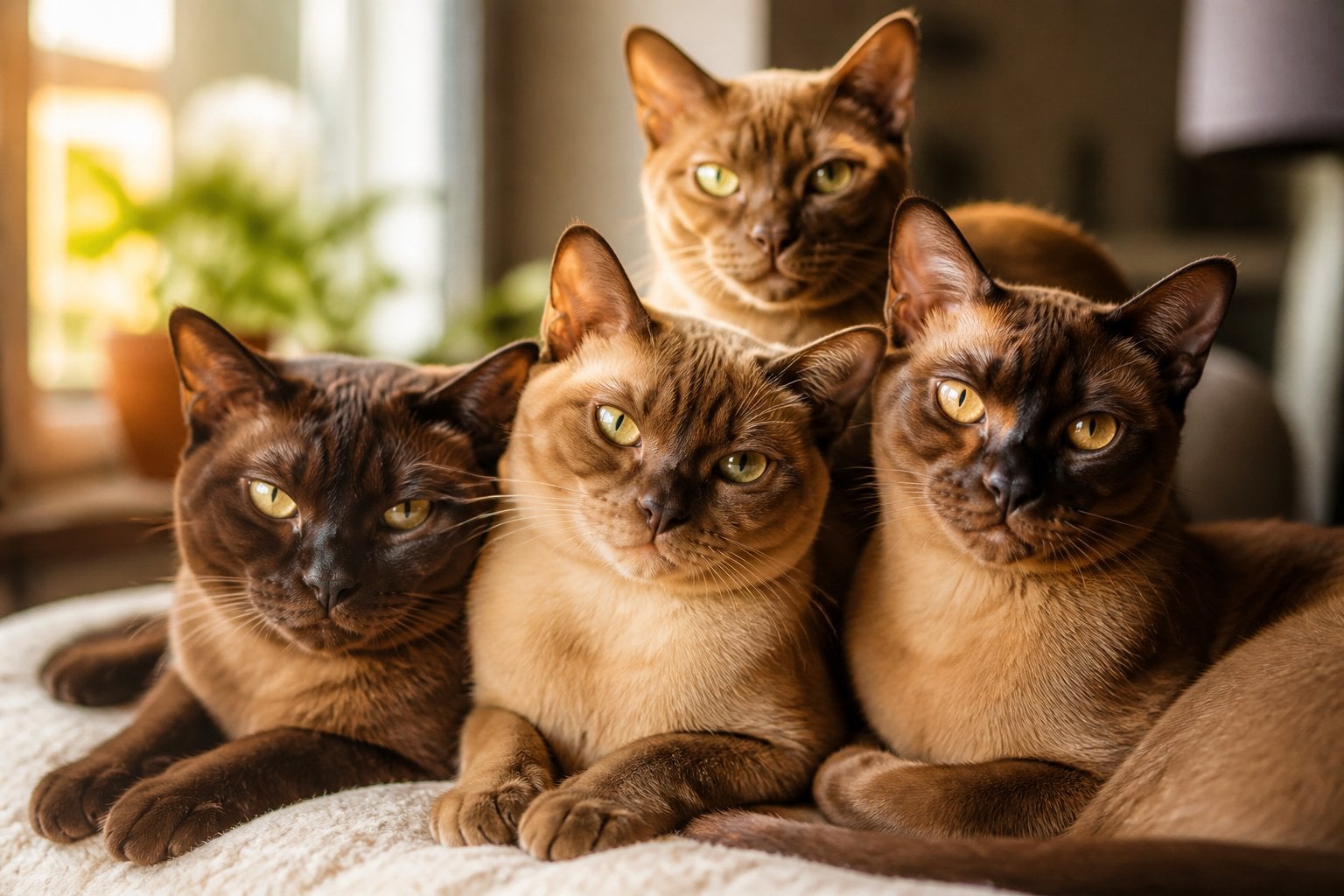
The Burmese cat stands out for its remarkably affectionate and people-oriented personality. This breed forms strong bonds with their human companions and actively seeks out interaction throughout the day.
You’ll find that Burmese cats are playful and energetic, maintaining their kitten-like enthusiasm well into adulthood. They enjoy being involved in household activities and will often follow you from room to room to stay close.
These cats have a muscular, compact build with a distinctive shiny coat. Their friendly disposition makes them excellent companions for families, and they typically get along well with children and other pets.
With proper care, you can expect your Burmese to live between 15 to 20 years. They’re known for being curious about their surroundings and enjoy perching by windows to observe the outside world.
5. Abyssinian
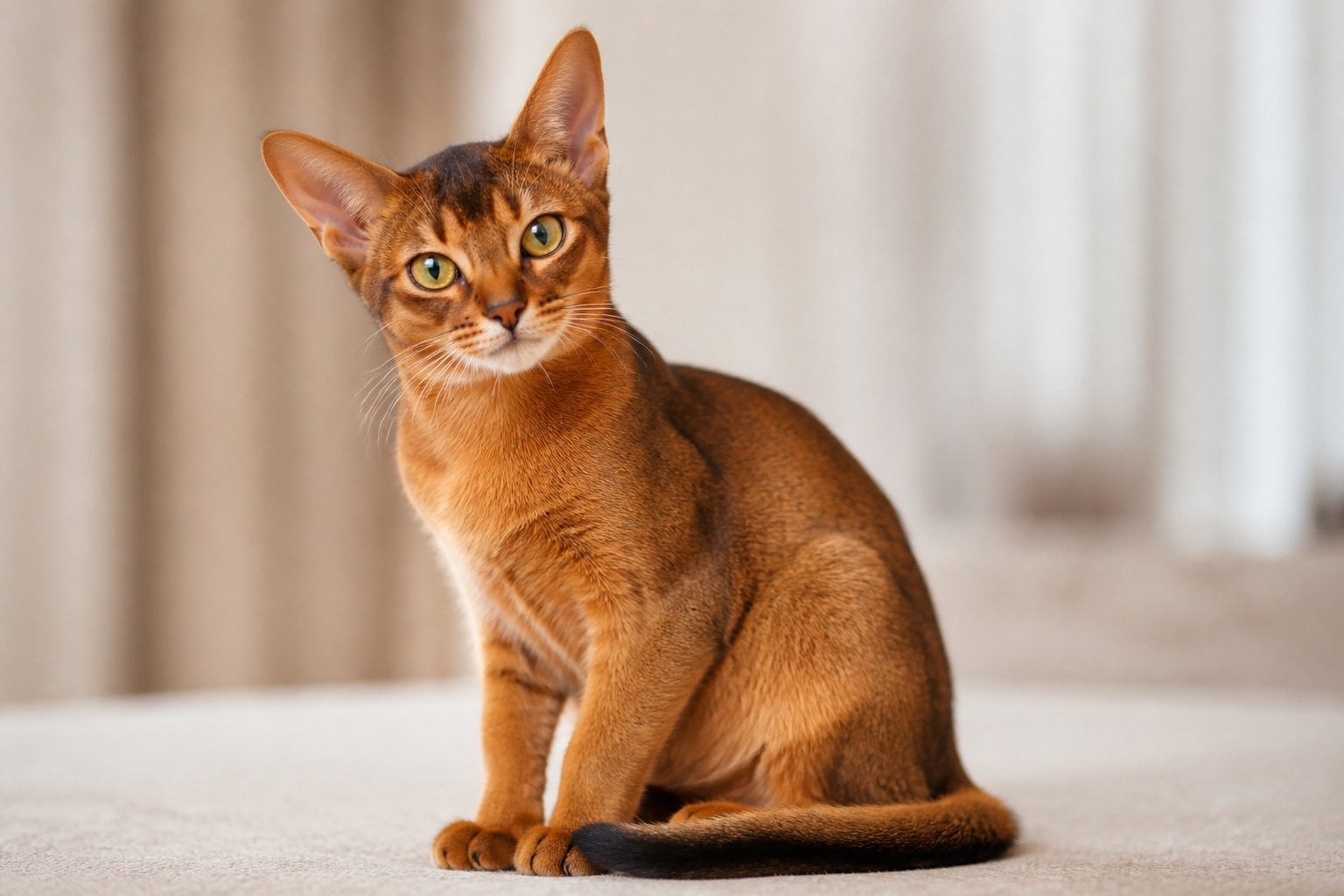
The Abyssinian, often called “Aby,” stands out as one of the most sociable and engaging cat breeds you can welcome into your home. This medium-sized cat features a lean, muscular build and a distinctive ticked tabby coat where individual hairs display bands of different colors.
Unlike many domesticated breeds, Abyssinians are extremely active and playful. They love to climb furniture, interact with toys, and engage in games with their family members throughout the day.
You’ll find that Abyssinians are highly intelligent and curious cats. They enjoy being involved in your daily activities and will often follow you around the house. Their outgoing personality makes them excellent companions for families who want an interactive and affectionate pet that thrives on human connection.
6. Sphynx
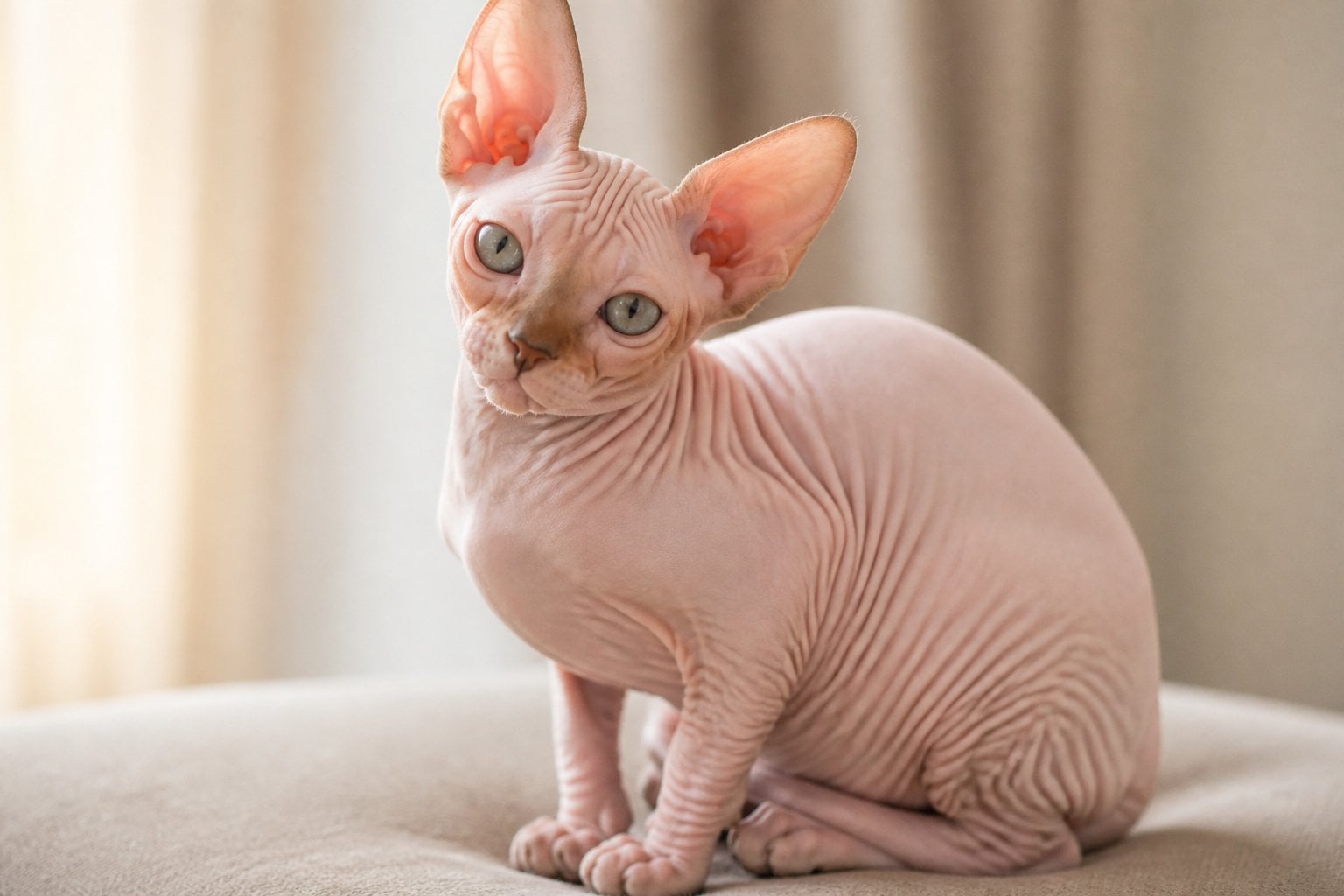
The Sphynx stands out as one of the most affectionate cat breeds you can find. A study of 129 cats ranked this hairless breed as the friendliest, breaking common misconceptions about their unusual appearance.
These cats are often called “Velcro cats” because of their intense desire to stay close to their owners. You’ll find that Sphynx cats are inquisitive, intelligent, and extremely social with both family members and strangers.
While they appear completely hairless, Sphynx cats actually have hair on their nose and may have some on their ears, paws, and tail. Their unique look doesn’t diminish their warm personality.
If you’re looking for a devoted companion that wants constant interaction, the Sphynx makes an excellent choice for your household.
7. Birman
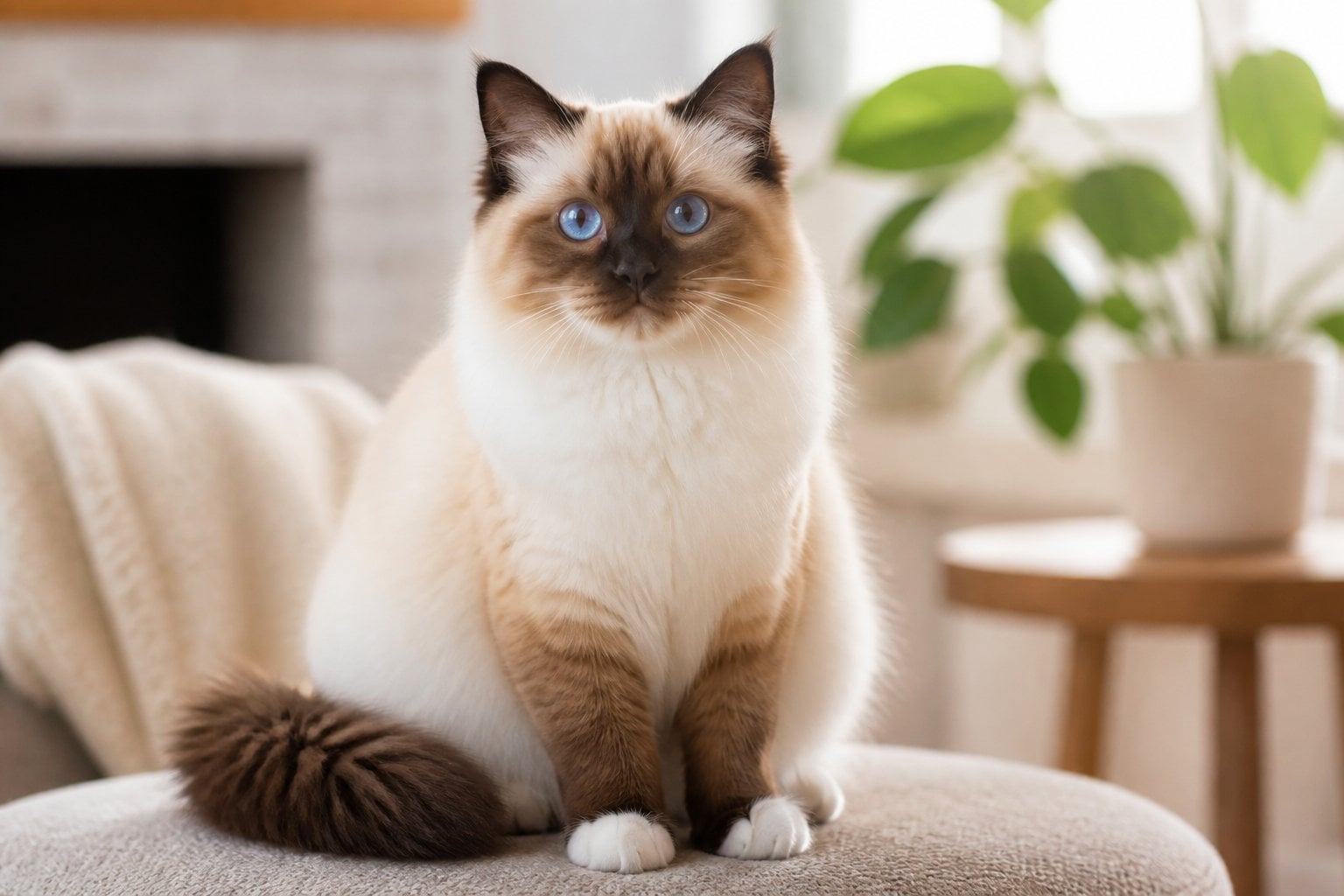
The Birman, known as the Sacred Cat of Burma, stands out as one of the most gentle and affectionate cat breeds you can welcome into your home. These medium-to-large cats possess striking blue eyes and silky, flowing coats that complement their calm demeanor.
Birmans adapt remarkably well to various household settings. Whether you have multiple cats, dogs, or live alone, your Birman will likely seek out companionship with everyone in the home. They’re naturally social and enjoy being part of family activities.
This breed combines a quiet dignity with a genuinely friendly nature. You’ll find that Birmans are less aggressive than many other breeds, making them ideal if you’re looking for a peaceful companion. Their affectionate personality means they’ll often follow you around and appreciate quality time together without being overly demanding.
8. Scottish Fold
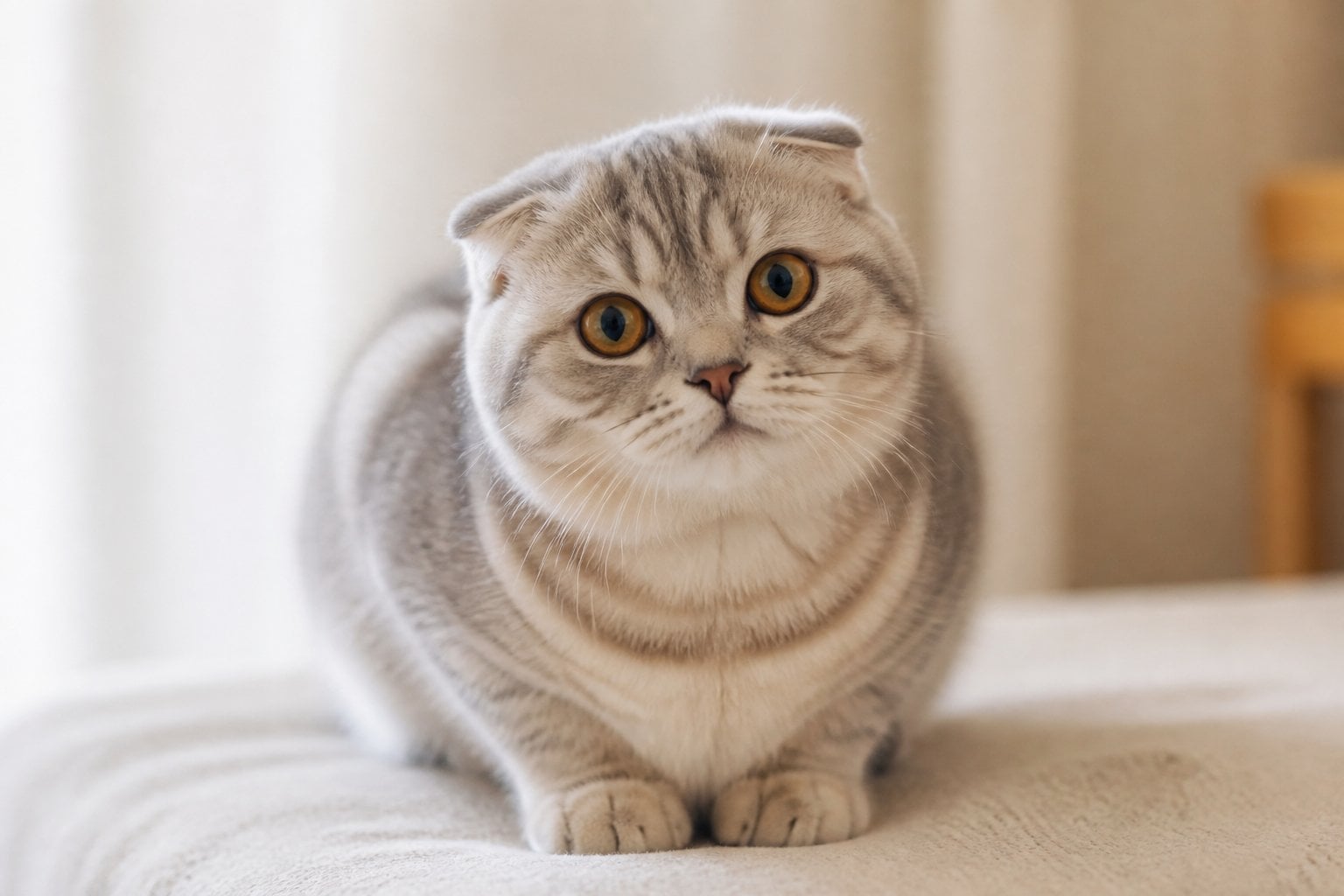
The Scottish Fold stands out immediately due to its distinctive folded ears, caused by a natural genetic mutation. This breed has captured hearts across North America and Europe, becoming a beloved household companion.
Beyond their unique appearance, Scottish Folds possess an exceptionally easygoing and affectionate temperament. They form strong bonds with their owners and genuinely enjoy human companionship. You’ll find these cats are remarkably adaptable to various living situations.
Scottish Folds typically display a calm, gentle demeanor that makes them excellent family pets. They’re neither overly demanding nor aloof, striking a pleasant balance in their interactions. Their friendly nature extends to children and other pets, making integration into your household relatively smooth.
These cats appreciate attention and affection without being clingy. They’ll happily sit beside you or follow you around the house, content simply to be in your presence.
9. Tonkinese
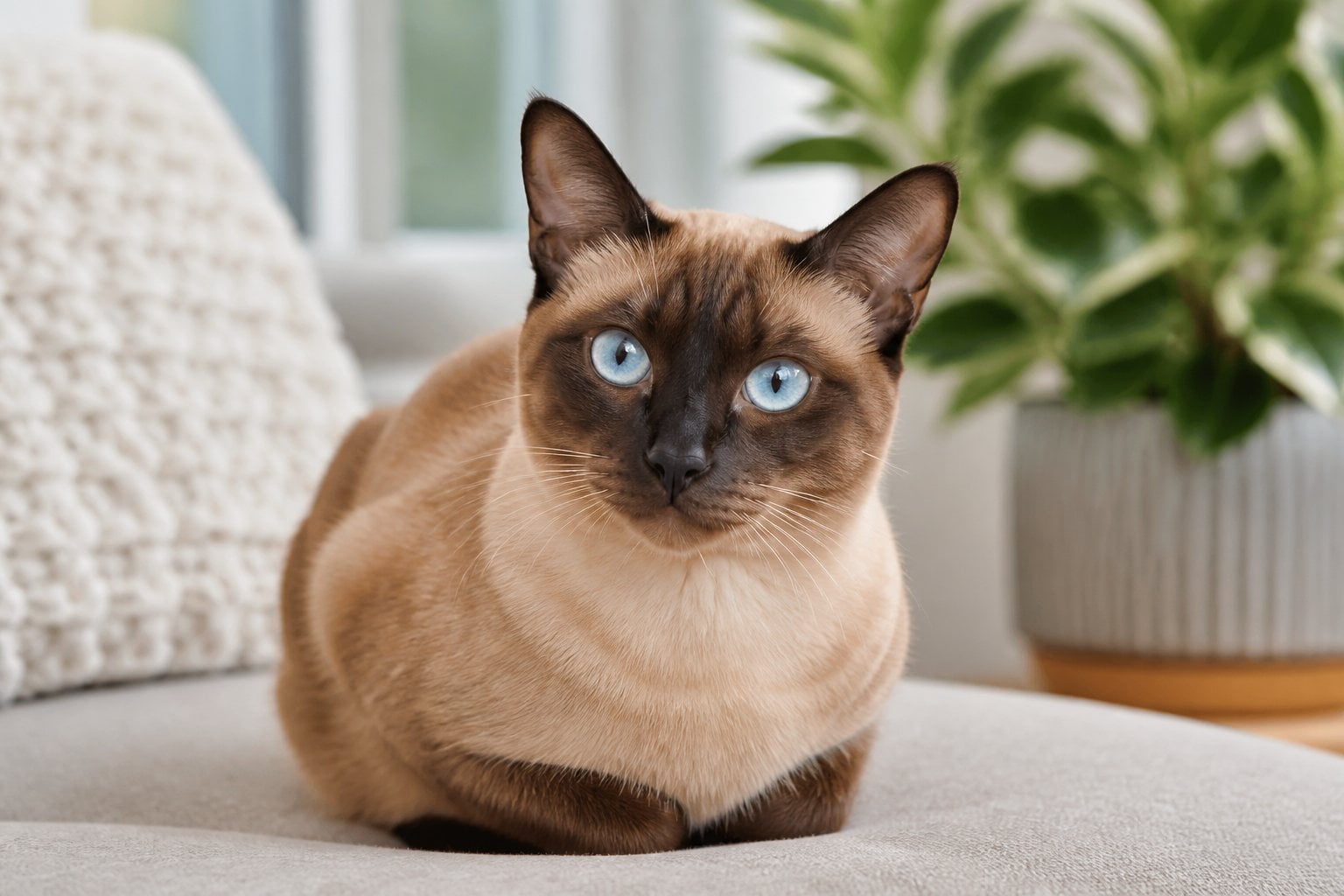
The Tonkinese cat brings together the best qualities of both Siamese and Burmese breeds. This medium-sized cat is known for its sociable and affectionate personality, making it an excellent choice for families.
You’ll find that Tonkinese cats thrive on human interaction and enjoy being involved in household activities. They’re intelligent and playful, often displaying a sense of humor that keeps their families entertained.
These cats typically get along well with children, other cats, and even cat-friendly dogs. Their friendly nature is balanced with a softer voice compared to their Siamese relatives, though they remain communicative and engaging.
The breed was first recognized as distinct in the 1960s. Since then, Tonkinese cats have gained popularity for their striking appearance and loyal companionship, making them wonderful additions to active households.
10. Siberian
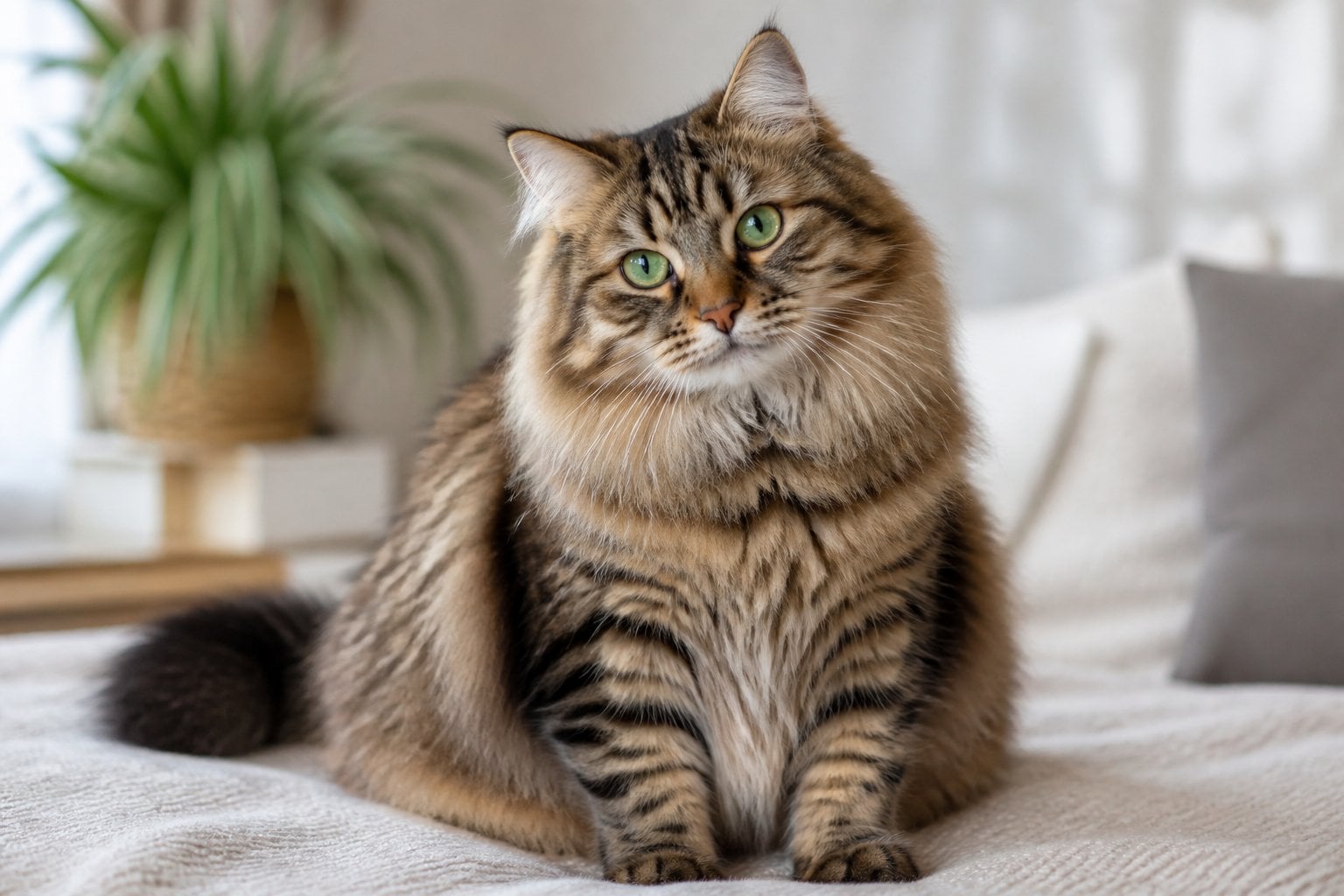
The Siberian cat brings together friendliness and resilience in one impressive package. This Russian breed has been around for centuries and has developed a reputation for forming strong bonds with their human families.
You’ll find Siberians to be affectionate and social companions who genuinely enjoy spending time with people. They get along well with children and can adapt to households with multiple family members. Their friendly nature extends beyond their immediate family, as they often warm up to strangers more readily than many other breeds.
Despite their luxurious, thick coats, Siberians are known for being playful and energetic. They maintain their friendly demeanor while also displaying intelligence and curiosity. Many allergy sufferers appreciate this breed, as some Siberians produce lower levels of the protein that typically triggers allergic reactions.
11. Russian Blue
The Russian Blue stands out with its distinctive silver-tipped blue-gray coat that creates a shimmering appearance. This breed features a double-layered, plush coat that feels incredibly dense to the touch.
Beyond their striking looks, Russian Blues make excellent companions due to their gentle and affectionate nature. They form strong bonds with their owners while maintaining a calm demeanor around the home. You’ll find they’re generally quiet cats, preferring soft communication over loud vocalizations.
The breed first appeared at a London show in 1875, originally called the “Archangel Cat.” While World War II nearly decimated their population, dedicated breeders successfully restored the Russian Blue to popularity.
These cats adapt well to various living situations and tend to be playful without being overly demanding. Their friendly disposition combined with their low-maintenance grooming needs makes them ideal for many households.
12. Oriental Shorthair
The Oriental Shorthair stands out with its sleek body, large expressive ears, and remarkable variety of over 300 color variations. This breed shares lineage with the Siamese, resulting in a similarly outgoing and vocal personality.
You’ll find these cats are exceptionally social and affectionate. They form strong bonds with their owners and actively seek interaction throughout the day. Their communication style is distinctive, with meows that can sound unusually honk-like.
Oriental Shorthairs are highly intelligent and athletic cats that thrive on attention. They don’t do well when left alone for extended periods. If you’re looking for an interactive companion who will follow you around and participate in your daily activities, this breed delivers that level of engagement consistently.
Their inquisitive nature means they’ll want to investigate everything you do. They’re loyal cats that genuinely enjoy human company.
13. American Shorthair
The American Shorthair stands out as one of the most popular and friendly cat breeds in the United States. This breed developed from cats that accompanied early settlers to America, where they interbred to create a healthy and adaptable companion.
You’ll find American Shorthairs to be easygoing and people-oriented. They love to play and have plenty of energy, but they don’t demand constant attention from their owners.
These cats get along well with children and other pets, making them excellent family companions. Their adaptable nature means they can thrive in various home environments.
The breed’s short, lustrous coat requires minimal grooming, which makes them low-maintenance pets. Their sturdy build and friendly temperament have made them a consistently popular choice for cat lovers seeking an affectionate companion.
14. Cornish Rex
The Cornish Rex stands out with its distinctive wavy coat and slender build. This breed possesses only down hair, the finest layer of fur that most cats have as an undercoat. The result is a soft, short coat with a unique rippled texture.
Beyond their appearance, Cornish Rex cats are known for their outgoing and affectionate nature. They thrive on human interaction and prefer to be involved in daily family activities. Their playful personality remains strong throughout their lives, making them engaging companions.
These athletic cats need regular exercise and mental stimulation. You should plan for 20-30 minutes of active play each day to keep them happy. They adapt well to households with children, dogs, and other pets when properly introduced.
The Cornish Rex typically doesn’t like being left alone for long periods. Their people-oriented temperament means they form strong bonds with their families.
15. Devon Rex
The Devon Rex stands out as an exceptionally friendly and social cat breed. These cats are energetic, playful, and outgoing, maintaining their active nature well into adulthood. You’ll find they form strong bonds with their families and actively seek human companionship.
Devon Rex cats are highly intelligent and love being part of household activities. They’re known for choosing unusual perching spots, often preferring to sit on your shoulder. This breed thrives in homes with children and gets along well with other pets.
If you’re looking for constant interaction, the Devon Rex delivers. They crave attention and enjoy playing games throughout the day. Their curious and confident personality makes them ideal for first-time cat owners who want an engaged, affectionate companion.
16. Balinese
The Balinese cat is a long-haired variant of the Siamese breed, featuring the same striking sapphire-blue eyes and point coloration. This breed originated from a natural genetic mutation in purebred Siamese cats that resulted in a silky, medium-length coat and distinctively plumed tail.
You’ll find Balinese cats to be highly intelligent and social companions. They’re known for their friendly, inquisitive, and playful personalities that make them excellent family pets.
These cats are quite vocal and will often communicate their opinions to you throughout the day. They’re active and curious, constantly investigating what you’re doing around the house.
Balinese cats typically live 12 to 20 years with proper care and regular veterinary attention. Keep in mind that they’re one of the rarer registered breeds, so you may need to connect with specialized breeders or exhibitors at cat shows to find available kittens.
17. Norwegian Forest Cat
The Norwegian Forest Cat, affectionately called “Wegie,” is a large, semi-long-haired breed native to Norway. Their impressive size and thick, bushy coat give them a majestic appearance that belies their gentle nature.
These cats are known for their friendly and affectionate temperament. They work well in family settings because they’re patient with children and welcoming to newcomers.
Norwegian Forest Cats have a playful and social personality that makes them excellent companions. They adapt well to different household dynamics and enjoy being around people.
Despite their rugged, wild appearance, they’re surprisingly gentle and calm. If you’re looking for a companionable cat that combines striking looks with a loving disposition, the Norwegian Forest Cat is worth considering for your home.
18. LaPerm
The LaPerm stands out with its distinctive curly coat and kinked whiskers. This breed originated as a working farm cat, giving it a lean, muscular build without exaggerated features.
LaPerms are highly sociable and affectionate cats that genuinely enjoy human contact. You’ll find these cats are extremely interactive, often seeking out attention and physical affection from their owners. Many LaPerms actively crave being near their humans.
The breed’s soft, springy curls make them irresistible to touch, and fortunately, they welcome this attention. If you’re looking for a cat that breaks the stereotype of aloof felines, the LaPerm delivers with its friendly and engaging personality.
These cats are intelligent and enjoy playing and conversing with you throughout the day. Their combination of unique appearance and warm temperament makes them excellent companions for families seeking an interactive pet.
19. Egyptian Mau
The Egyptian Mau stands out as the only naturally spotted domestic cat breed. Its distinctive coat pattern and graceful appearance reflect its ancient heritage, with roots tracing back thousands of years to Egypt.
This breed combines striking looks with impressive athleticism. Egyptian Maus can reach speeds up to 30 mph, making them the fastest domestic cats. Their longer hind legs give them a unique stance and exceptional agility.
Beyond their physical attributes, Egyptian Maus are known for their friendly and loyal nature. They form strong bonds with their families and enjoy interactive play. These cats are intelligent and affectionate, making them excellent companions for active households.
Their medium-sized build and playful temperament mean they thrive in homes where they receive attention and engagement. If you appreciate a cat that blends beauty, speed, and devotion, the Egyptian Mau offers all three.
20. Havana Brown
The Havana Brown stands out with its distinctive solid mahogany coat and striking green eyes. This medium-sized breed originated in England after World War II through carefully planned breeding programs involving Siamese cats.
You’ll find that Havana Browns form deep bonds with their owners, often attaching strongly to one particular person in the household. They display a gentle, people-loving personality that makes them excellent companions for those seeking an affectionate cat.
These cats enjoy playtime but are also content entertaining themselves with their favorite toys. Their sleek, short coat is easy to maintain and showcases their elegant, graceful lines.
The Havana Brown remains a particularly rare breed today. If you’re looking for a unique cat with quiet charm and social tendencies, this chocolate-coated feline deserves your consideration.
21. Manx
The Manx cat hails from the Isle of Man in the Irish Sea, where it was first documented in the sixteenth century. You’ll immediately recognize this breed by its most distinctive feature: a naturally occurring tailless or very short-tailed appearance caused by a genetic mutation.
Beyond their unique physical traits, Manx cats are genuinely friendly and social companions. They form strong bonds with their families and display loyal, affectionate behavior. You’ll find them playful and intelligent, making them engaging household members.
Their powerful hind legs make them skilled jumpers and agile hunters. Manx cats typically get along well with children and adapt nicely to family life. Their sociable nature means they enjoy interaction and won’t shy away from spending time with you and your household members.
22. Singapura
The Singapura is the world’s smallest domesticated cat breed, rarely weighing more than 8 pounds. Despite their tiny size, these cats have large, outgoing personalities that make them excellent companions.
Originating from Singapore in the 1970s, Singapuras are known for their affectionate and playful nature. They thrive on human interaction and form strong bonds with their families.
These cats feature distinctive large eyes and ears, along with a ticked coat that gives them a refined appearance. Their friendly temperament makes them well-suited for apartment living and families seeking an engaging pet.
Singapuras are intelligent and social cats that don’t do well when left alone for long periods. If you’re looking for a small, loving companion that enjoys being part of your daily activities, this breed fits the bill perfectly.
23. Chartreux
The Chartreux is a rare French breed known for its friendly and quiet demeanor. This sturdy, muscular cat features a distinctive blue-gray coat that’s dense and water-repellent. You’ll notice their cobby build paired with surprisingly fine-boned limbs and fast reflexes.
These cats are highly intelligent and playful, making them engaging companions in your home. The Chartreux adapts well to various living environments, whether you’re an experienced cat owner or considering your first feline friend.
One of their most endearing features is their natural “smiling” expression, which has earned them a reputation as charming companions. Despite their large size, they move with remarkable suppleness and agility. The breed is quite rare in the United States, though dedicated enthusiasts have preserved their lineage through the years.
Their calm, loyal nature combined with their quiet personality makes the Chartreux an excellent choice if you’re seeking a loving pet.
24. Ragamuffin
The Ragamuffin is a large, affectionate breed known for its exceptionally gentle temperament. These cats were developed from Ragdoll lines and established as a separate breed in 1994. Their plush, longhaired coats and expressive eyes make them visually appealing companions.
You’ll find Ragamuffins to be devoted lap cats that genuinely enjoy cuddling. They’re patient and easygoing, which makes them suitable for families with children or other pets.
The breed comes in a wide variety of coat colors and patterns, unlike their Ragdoll cousins who display primarily colorpoint patterns. Ragamuffins are notably people-oriented and will often follow you from room to room seeking companionship.
Their sweet-natured personality combined with their adaptable nature means they settle well into various living situations. These cats thrive on human interaction and typically greet visitors with curiosity rather than fear.
25. British Shorthair
The British Shorthair stands out as one of the most recognizable cat breeds worldwide. You’ll immediately notice their distinctive plush coat, which often comes in blue-grey, though other colors exist.
This breed offers a calm and gentle temperament that makes them excellent companions. Your British Shorthair will display affection without being overly demanding of attention. They adapt well to various living situations and get along with children and other pets.
You can expect a relaxed, easygoing personality from this breed. They enjoy human company but also appreciate their independence. British Shorthairs typically form strong bonds with their families while maintaining a dignified composure.
Their low-maintenance nature and friendly disposition make them suitable for first-time cat owners. You’ll find they require minimal grooming despite their dense coat.
26. Toyger
The Toyger is a striking breed developed to resemble a miniature tiger through selective breeding of domestic shorthaired tabbies. Despite their wild appearance, these cats possess remarkably gentle and sociable personalities.
Toygers are known for their sweet, calm temperament and ability to get along with virtually everyone they meet. They welcome strangers with ease and typically coexist peacefully with other pets in your household.
Their laid-back yet curious nature makes them easy companions to live with. You’ll find they enjoy human interaction and thrive on being part of family activities.
These cats are intelligent and playful, making them particularly well-suited for families. With a lifespan of 12-15 years, Toygers offer long-term companionship wrapped in an exotic package that belies their affectionate, domestic nature.
27. Ocicat
The Ocicat stands out with its wild, spotted appearance that resembles an exotic jungle cat, yet it’s completely domestic in temperament. Despite its fierce looks, this breed is remarkably friendly and social.
You’ll find that Ocicats thrive on human interaction and genuinely enjoy meeting new people. They’re not the type to hide when guests arrive. Instead, they often greet visitors with curiosity and confidence.
This breed adapts well to family life and typically gets along with children and other pets. Ocicats are also known for being intelligent and responsive, often learning to play fetch or walk on a leash.
If you’re looking for an outgoing companion that combines exotic beauty with a warm personality, the Ocicat delivers both. They’re affectionate without being overly demanding and maintain their playful nature well into adulthood.
28. Khao Manee
The Khao Manee is a rare white cat breed from Thailand with a friendly and outgoing personality. These cats actively seek interaction with their owners and thrive on companionship.
You’ll find that Khao Manees are notably social and playful. They enjoy being involved in family activities and don’t do well when left alone for long periods. Their curious and clever nature means they’ll follow you around the house, investigating everything you do.
This breed is known for being vocal and communicative. Your Khao Manee will likely “talk” to you regularly, expressing their needs and opinions.
These cats form strong bonds with their human families and generally get along well with children and other pets. Their affectionate temperament combined with their distinctive jewel-like eyes makes them both beautiful and engaging companions for those seeking an interactive feline friend.
29. Japanese Bobtail
The Japanese Bobtail stands out with its distinctive pom-pom tail that resembles a rabbit’s more than a typical cat’s. This ancient breed has appeared in Japanese art and literature for over a thousand years.
You’ll find these cats remarkably social and people-oriented. They form strong bonds with their human families and actively seek interaction. Their friendly nature extends beyond humans—they generally get along well with dogs too.
Japanese Bobtails are energetic and intelligent cats that thrive on engagement. They’re known for exhibiting some dog-like behaviors, including carrying toys in their mouths. Their vocal nature means they’ll often “talk” to you throughout the day.
This breed’s combination of playfulness, affection, and sociability makes them excellent companions for families. They adapt well to households with children and other pets, making them versatile additions to various home environments.
30. Selkirk Rex
The Selkirk Rex stands out with its distinctive curly, plush coat that gives it a teddy bear-like appearance. This breed originated in the United States during the late 1980s and features a thicker coat quality compared to other Rex breeds like the Devon or Cornish Rex.
You’ll find the Selkirk Rex has a friendly and laid-back personality. These cats typically get along well with children, other cats, and even cat-friendly dogs, making them excellent family pets.
Their rounded face and soft, unstructured curls create an appealing look that many find irresistible. However, you should note that their thick, woolly coat sheds considerably, which may not be ideal if you have allergies or asthma.
The breed’s easygoing and affectionate nature makes them great companions. They enjoy human interaction and adapt well to various household environments.
Key Traits That Define Friendly Cats
Friendly cats share specific behavioral patterns and temperament characteristics that make them naturally inclined toward human interaction. These traits develop through a combination of genetic predisposition and environmental factors during critical developmental periods.
Social Temperament Explained
Social temperament in cats refers to their natural inclination to seek out and enjoy interaction with humans and other animals. Cats with friendly temperaments approach new people with curiosity rather than fear or aggression.
Key indicators of social temperament include:
- Greeting visitors at the door
- Following owners from room to room
- Initiating physical contact through rubbing or nudging
- Seeking lap time or sleeping near people
- Showing relaxed body language around strangers
Vocalization patterns also reveal social nature. Many friendly breeds communicate regularly through meows, chirps, and purrs to engage with their owners. These cats maintain eye contact and perform slow blinks, which signal trust and affection.
Friendly cats typically display low anxiety levels in household environments. They adapt well to routine changes and remain comfortable when meeting new people or encountering unfamiliar situations.
The Role of Early Socialization
Socialization between 2-7 weeks of age critically shapes a cat’s lifelong comfort with humans. Kittens exposed to gentle handling, various people, and household activities during this window develop stronger social bonds.
Frequent positive interactions with multiple people help kittens generalize their comfort across different individuals. This exposure reduces fear responses and increases confidence in social settings. Kittens raised in quiet, isolated environments often struggle with socialization later in life.
The quality of early experiences matters as much as quantity. Gentle handling, play sessions, and positive reinforcement create associations between humans and pleasant experiences. Even friendly breeds require proper socialization to fully express their affectionate potential.
Breed Versus Individual Personality
Breed characteristics provide general temperament guidelines, but individual variation exists within every breed. Two kittens from the same litter can display markedly different personality traits despite identical genetics and upbringing.
Factors influencing individual personality:
- Parent temperament and genetic inheritance
- Birth order and litter dynamics
- Unique socialization experiences
- Health status and physical comfort
- Environmental stress levels
Breed tendencies increase the likelihood of specific traits appearing. A Ragdoll has higher probability of docile behavior than many other breeds, but some individuals may be more reserved or energetic than breed standards suggest. You should meet individual cats before adoption to assess compatibility with your household, regardless of breed reputation.
Tips for Nurturing Sociable Feline Companions
Even naturally friendly cat breeds benefit from intentional care that supports their social nature. Your approach to their environment, training methods, and daily engagement directly shapes how comfortable and outgoing they become with people.
Creating an Enriching Home Environment
Your cat’s surroundings influence their confidence and willingness to interact. Provide multiple vertical spaces like cat trees or wall-mounted shelves where your cat can observe household activity from a safe vantage point. This allows them to engage on their own terms.
Strategic placement of resources prevents stress that can diminish sociability. Position food bowls, water stations, and litter boxes in separate, quiet areas away from high-traffic zones. Include at least one scratching post per room where your cat spends time.
Essential environmental elements:
- Perches near windows for natural stimulation
- Hiding spots like covered beds or cardboard boxes
- Interactive toys rotated weekly to maintain interest
- Puzzle feeders that combine mental stimulation with meals
Room temperature and lighting matter more than many owners realize. Cats prefer temperatures between 65-75°F and appreciate access to both sunny spots and shaded areas throughout the day.
Positive Reinforcement Techniques
Reward-based training strengthens your bond while encouraging friendly behaviors. Immediately offer treats or verbal praise when your cat approaches visitors, tolerates handling, or displays calm behavior in new situations.
Never punish shy or anxious responses. This creates negative associations that reduce sociability over time. Instead, allow your cat to retreat and try again later with smaller steps.
Effective reinforcement strategies:
- Use high-value treats reserved specifically for social training
- Keep training sessions under 5 minutes to maintain engagement
- Click training helps mark desired behaviors with precision
- Pair new experiences with positive outcomes consistently
Target training teaches your cat to touch their nose to your hand or a stick. This simple skill builds confidence and gives them control during interactions with strangers or in unfamiliar settings.
The Importance of Ongoing Interaction
Daily engagement maintains and strengthens your cat’s social skills throughout their life. Dedicate at least two 15-minute play sessions each day using wand toys that mimic prey movements. This satisfies hunting instincts while reinforcing your role as a positive companion.
Physical affection should match your cat’s preferences. Some cats prefer head scratches and cheek rubs, while others enjoy full-body petting. Watch for signs of enjoyment like purring, kneading, or leaning into your touch.
Expose your cat to varied but controlled experiences regularly. Invite calm visitors, play different sounds at low volumes, or introduce new toys and textures. Gradual exposure prevents the social regression that occurs when cats live in overly predictable environments.
Talk to your cat during routine activities. The sound of your voice provides comfort and helps them associate human communication with safety and care.


