
The 30 Best Cat Breeds for Families: A Complete Guide to Choosing Your Perfect Feline Companion
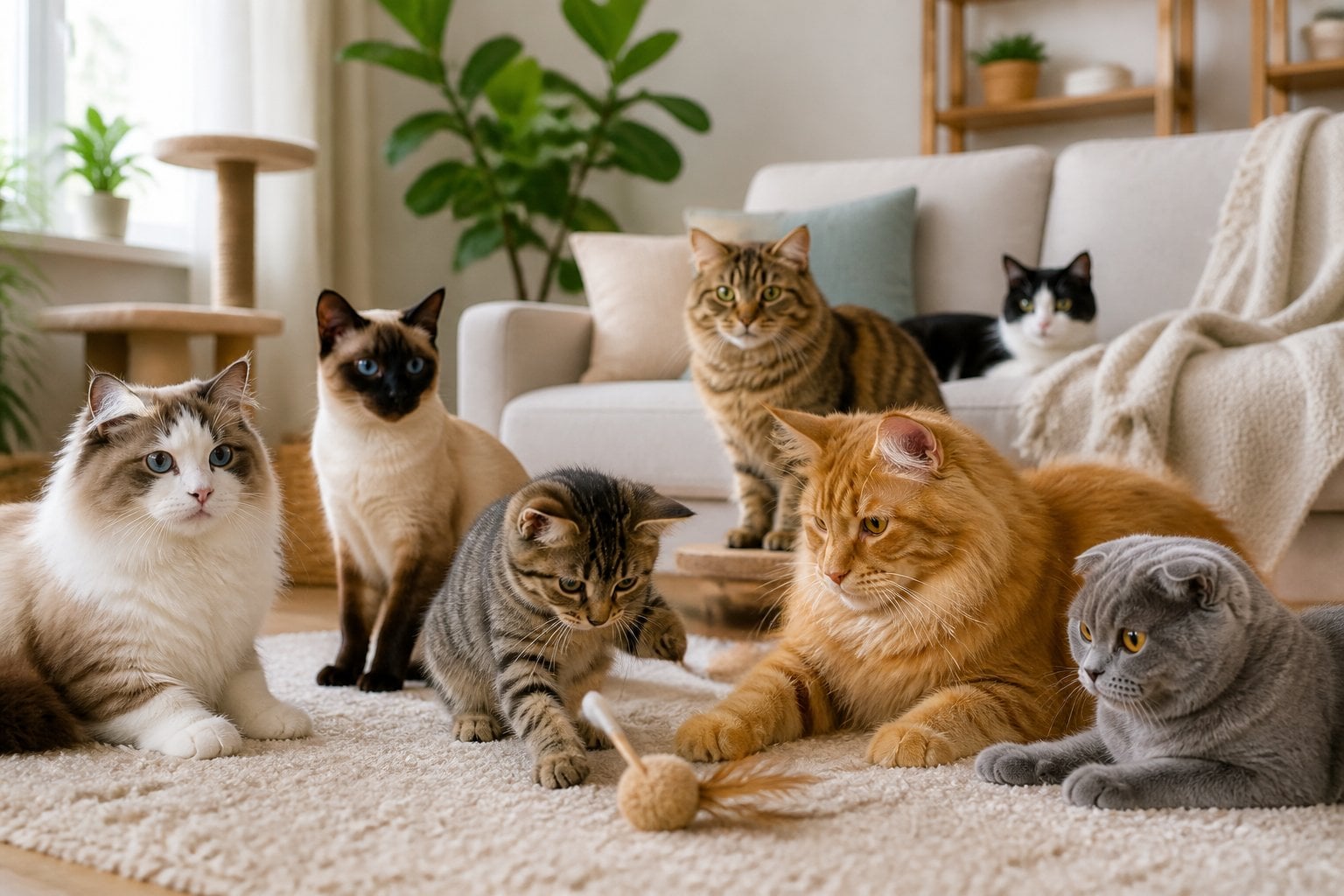
Choosing the right cat breed for your family involves understanding which felines naturally thrive in household environments with children and multiple people. Different breeds offer varying temperament traits, energy levels, and social needs that can either complement or clash with family dynamics.
The best cat breeds for families typically share common characteristics such as gentle temperaments, patience with children, playfulness without aggression, and adaptability to busy households.
Some breeds are naturally more tolerant of noise and activity, while others prefer calmer settings. Your family’s lifestyle, the ages of your children, and the amount of time you can dedicate to pet care all factor into finding the right match.
This guide examines thirty cat breeds that have proven track records as family companions. You’ll learn about each breed’s personality traits, care requirements, and why they work well in family settings, along with practical considerations for bringing a new cat into your home.
1. Maine Coon
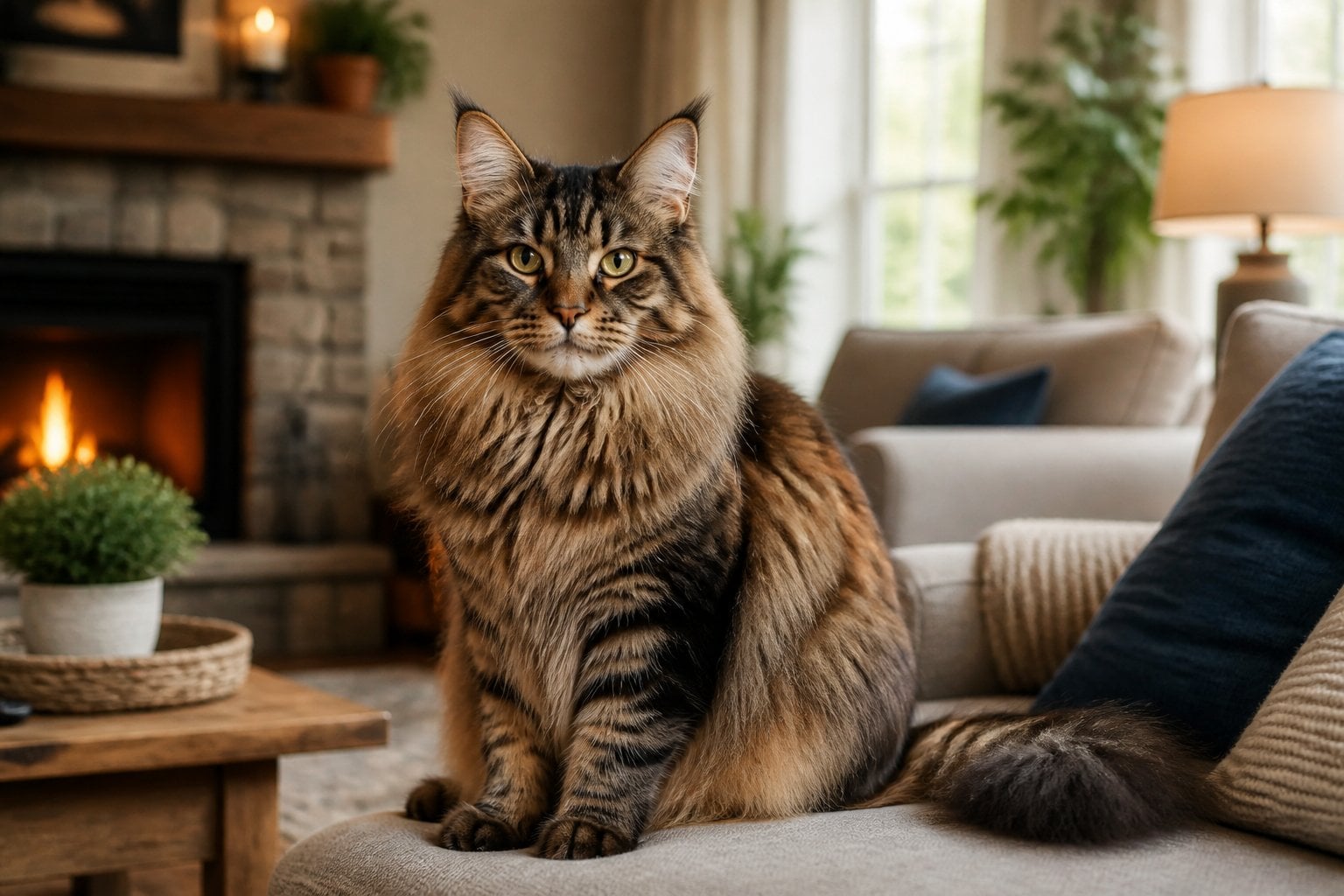
The Maine Coon stands out as one of the most family-friendly cat breeds you can choose. These cats are known for their impressive size, often weighing between 10-25 pounds, yet they maintain a gentle and affectionate temperament that works well with children.
Your Maine Coon will likely display a sociable personality. They get along well with other pets and family members of all ages. Their intelligence makes them easy to train, and they often enjoy interactive play with kids.
These cats adapt well to busy households. They’re patient and tolerant, which helps when younger children are learning how to interact with pets properly.
Maine Coons have a distinctive appearance with their long, thick coats and tufted ears. You’ll need to commit to regular grooming to keep their fur in good condition and prevent matting.
2. Ragdoll
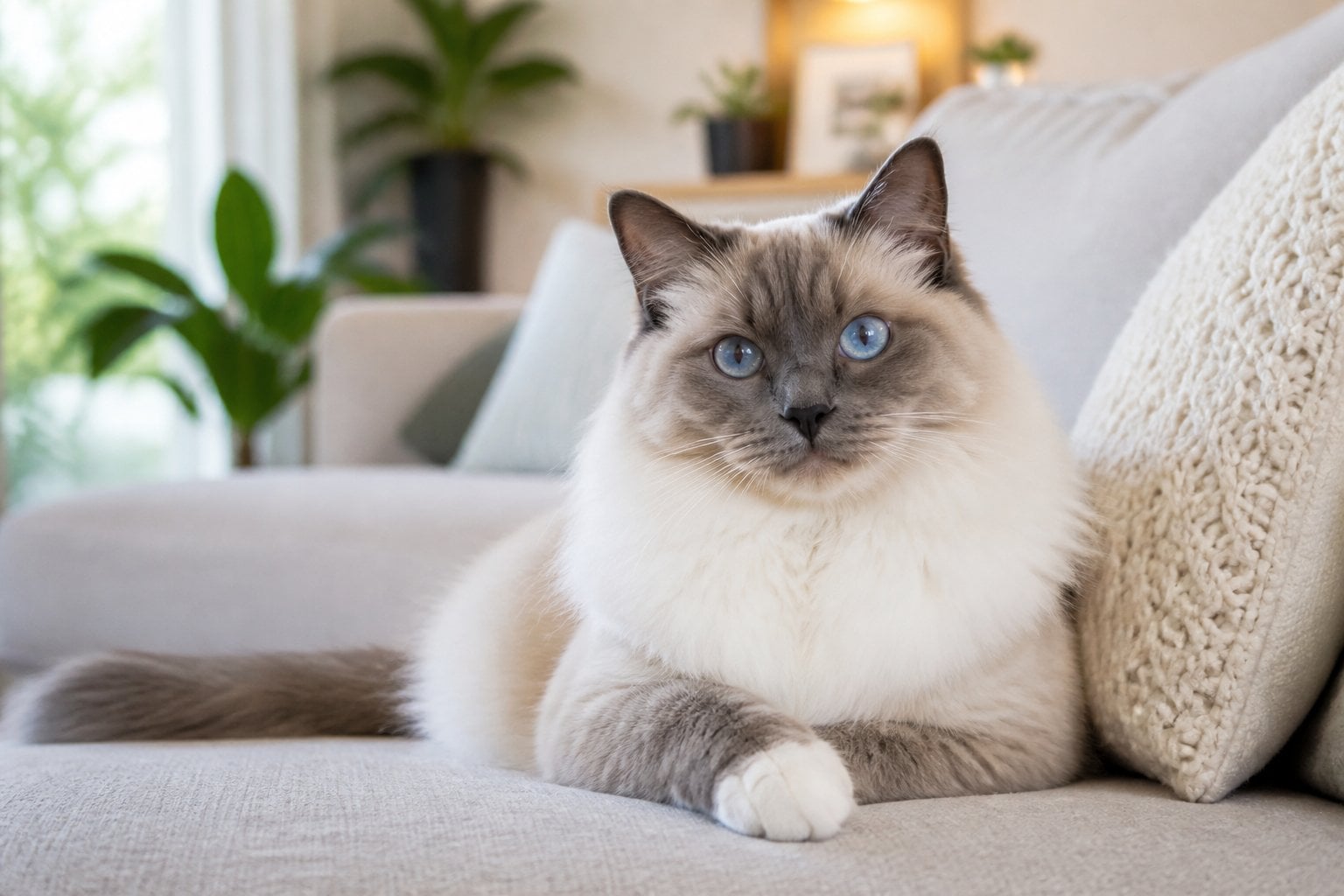
Ragdolls are among the most family-friendly cat breeds you can choose. These large, fluffy cats are known for their striking blue eyes and silky coats that require regular grooming but shed less than many long-haired breeds.
The breed earned its name from a distinctive tendency to go limp when picked up, much like a child’s ragdoll toy. This relaxed nature makes them particularly suitable for households with children who want to cuddle and hold their pets.
Ragdolls have calm, gentle temperaments and are typically quiet cats. They enjoy being lap cats and form strong bonds with family members. If you’re seeking an energetic or vocal cat, this breed may not meet your expectations.
These cats adapt well to indoor living and thrive in stable family environments where they receive regular attention and affection.
3. Birman
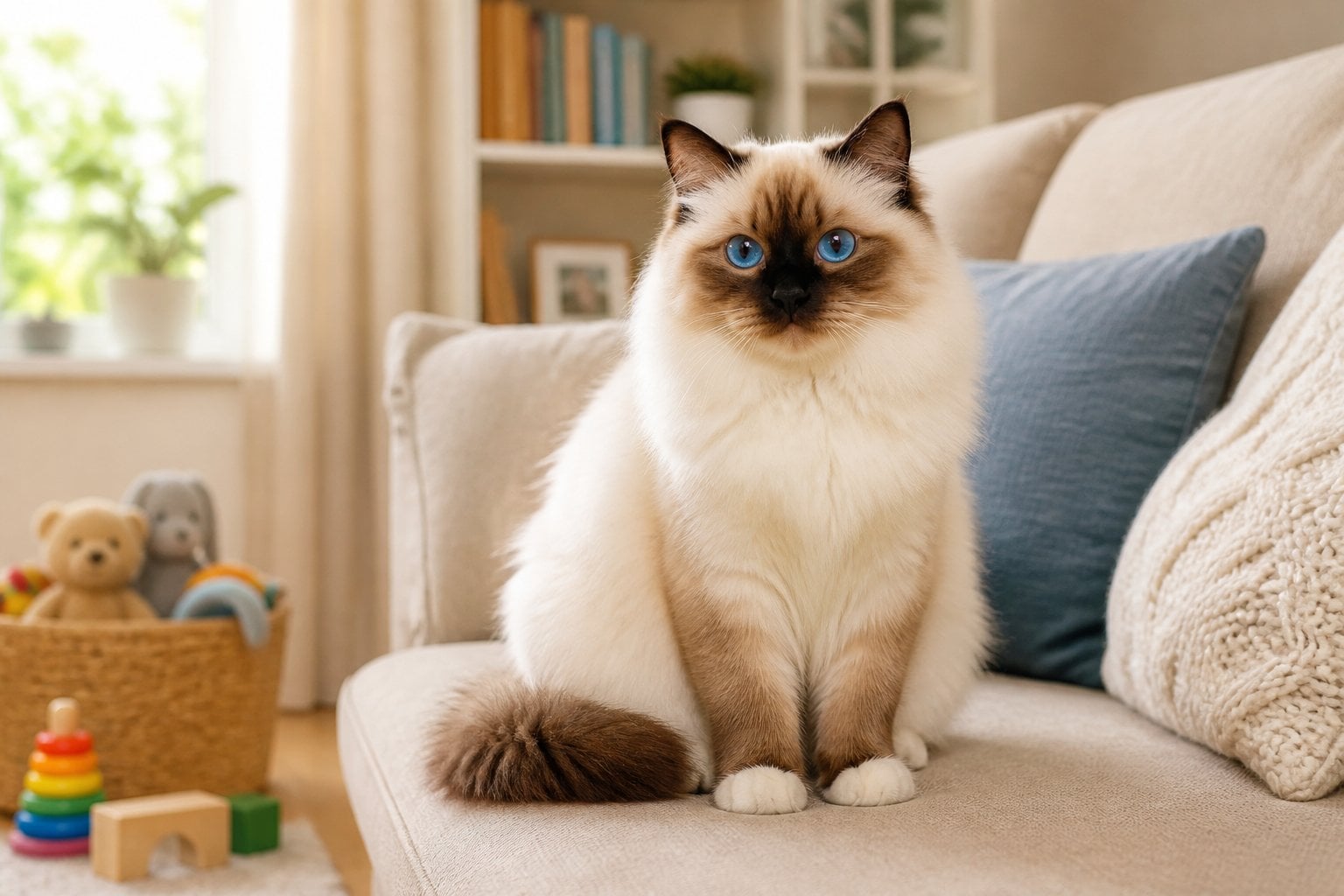
The Birman is an ancient breed that has been a trusted companion to families for centuries. These cats form deep bonds with their family members and thrive in households where they receive plenty of attention and affection.
Your children will appreciate the Birman’s gentle temperament and patient nature. They adapt well to the energy of family life while maintaining a calm demeanor that makes them easy to handle.
Birmans are known for their striking appearance, featuring a silky coat and distinctive color points. Their medium-length fur requires regular grooming, which can be a great bonding activity for responsible older children.
These cats enjoy interactive play but aren’t overly demanding. They typically get along well with other pets and appreciate having company throughout the day, making them ideal for busy households where someone is usually home.
4. Siamese
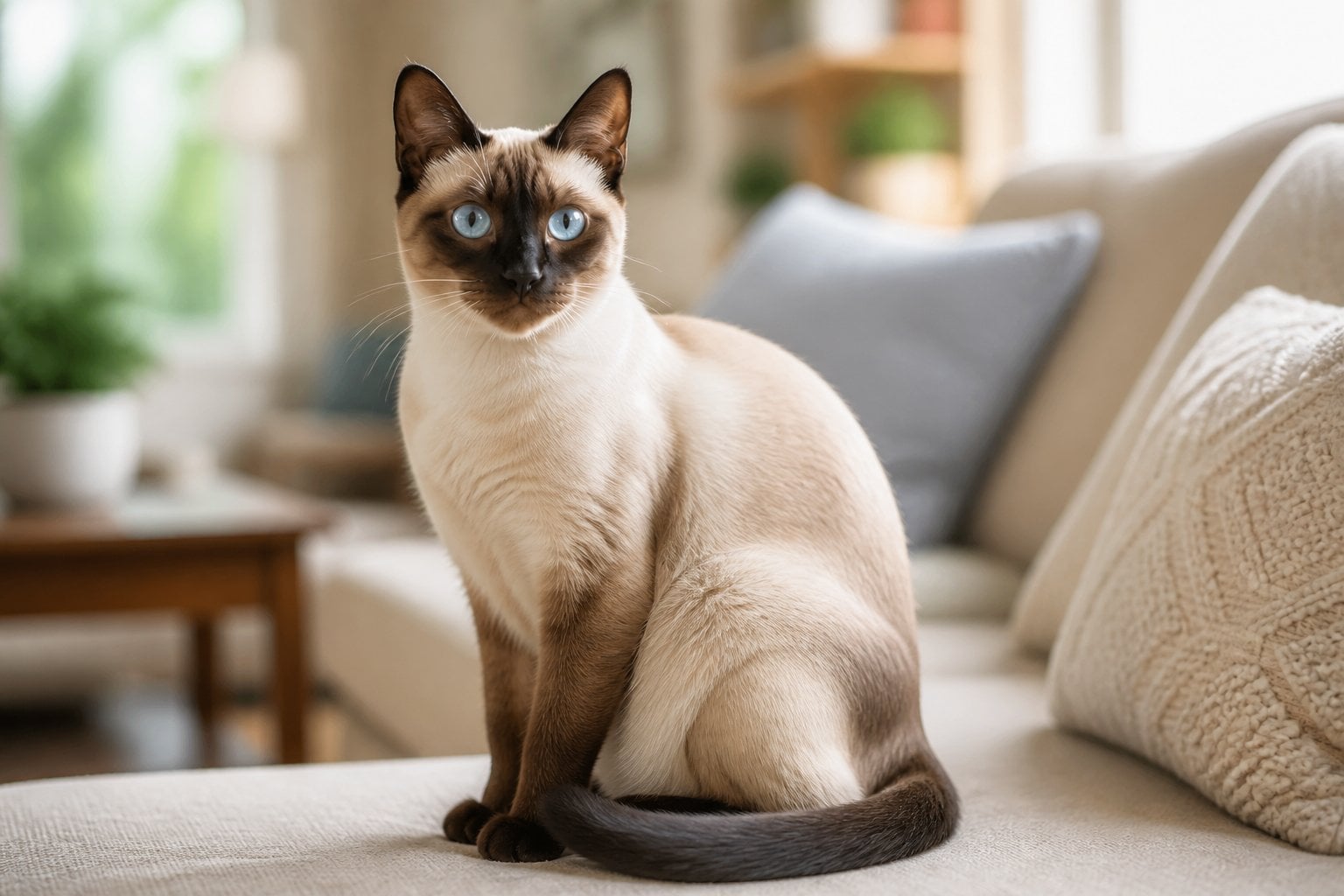
Siamese cats are one of the oldest and most recognizable breeds, known for their striking appearance and distinct personalities. They make excellent family pets due to their social and playful nature.
Your Siamese will thrive in a household with children and other pets. These cats are highly adaptable and form strong bonds with family members. They do best when introduced gradually to new situations and prefer homes where someone is around consistently throughout the day.
Siamese cats are affectionate and vocal, often “talking” to their owners. They’re intelligent and enjoy interactive play, making them entertaining companions for active families. If you’re a first-time cat owner, the Applehead Siamese variety may be particularly suitable due to its relaxed temperament and straightforward care requirements.
5. British Shorthair
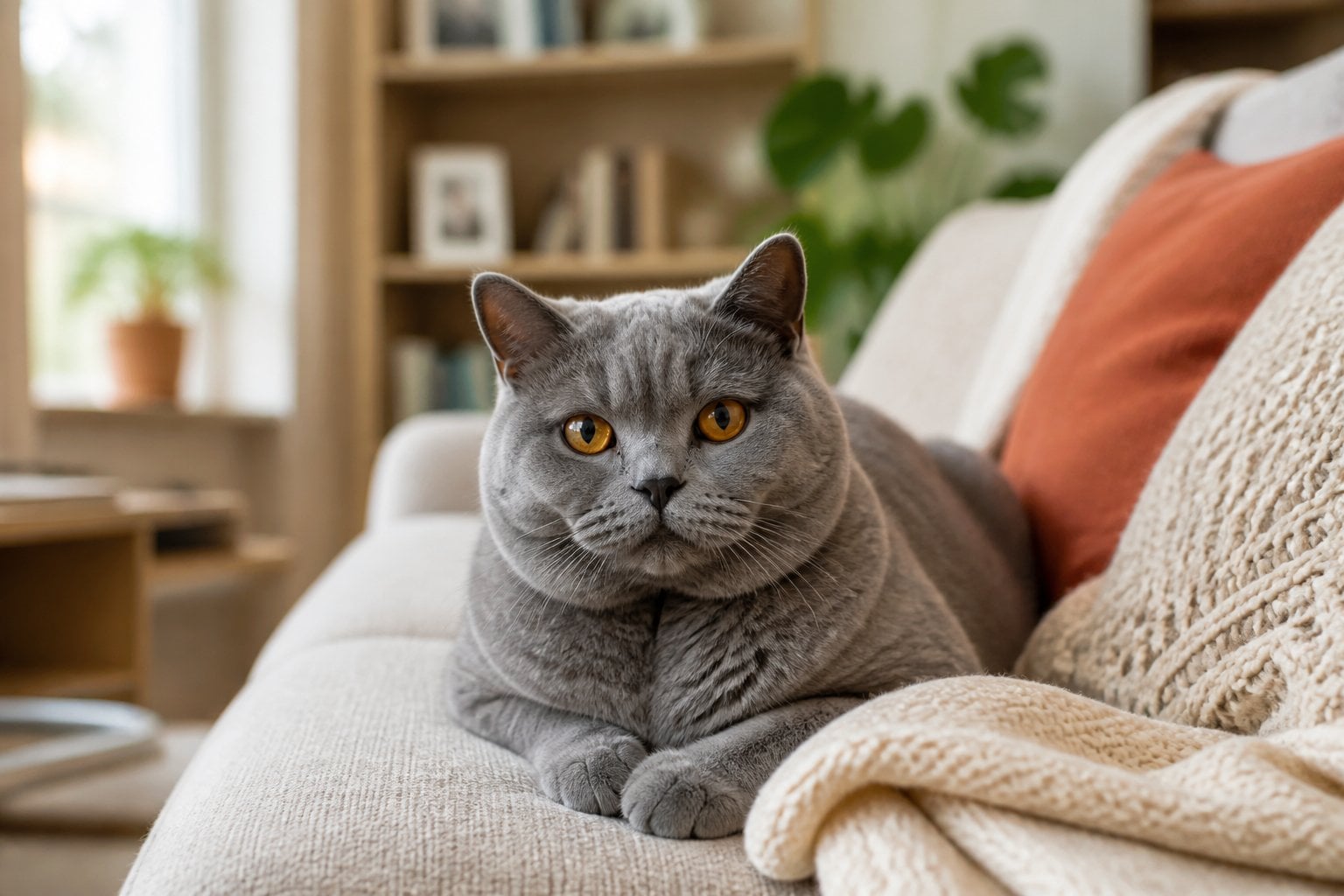
The British Shorthair makes an excellent choice for families seeking a calm and easygoing companion. This breed is known for its patient nature and tolerance of children, making it well-suited for busy households.
Their plush, dense coat requires minimal grooming compared to long-haired breeds. Weekly brushing is typically sufficient to keep their fur in good condition, which works well when your time for pet care is limited.
British Shorthairs tend to be playful and energetic in their youth but become more relaxed as they mature. They generally get along well with other pets and adapt easily to family routines.
These cats are independent yet affectionate, enjoying companionship without being overly demanding. Their sturdy build and gentle temperament make them particularly suitable for families with young children who are still learning proper pet handling.
6. Abyssinian
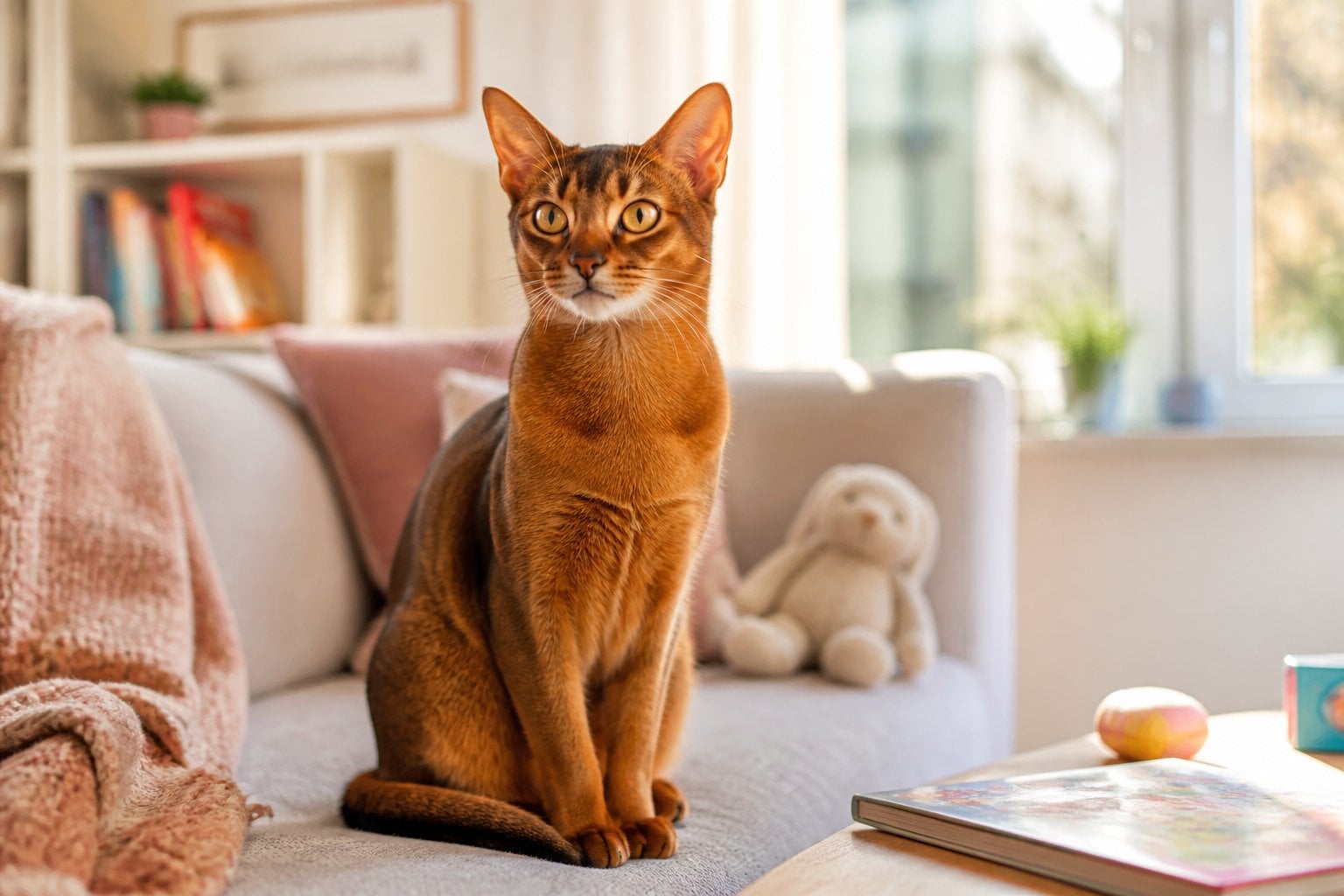
The Abyssinian, often called “Aby,” stands out with its distinctive ticked coat and alert, ancient appearance. This medium-sized breed has a lean, muscular build and short, dense fur that creates a unique wild look.
Abyssinians are highly active and playful cats that thrive in family environments. They love climbing, interactive games, and staying engaged with their human companions. Their social and vocal nature means they’ll actively participate in your household activities.
This breed works best for families with older children who can match their energetic temperament. Abyssinians are loyal and form strong bonds with their owners. You’ll find they’re excellent at getting your attention when they want it.
Keep in mind that Abyssinians need regular mental and physical stimulation. They’re not content to lounge around all day, so be prepared for an interactive pet that keeps your family entertained.
7. Burmese
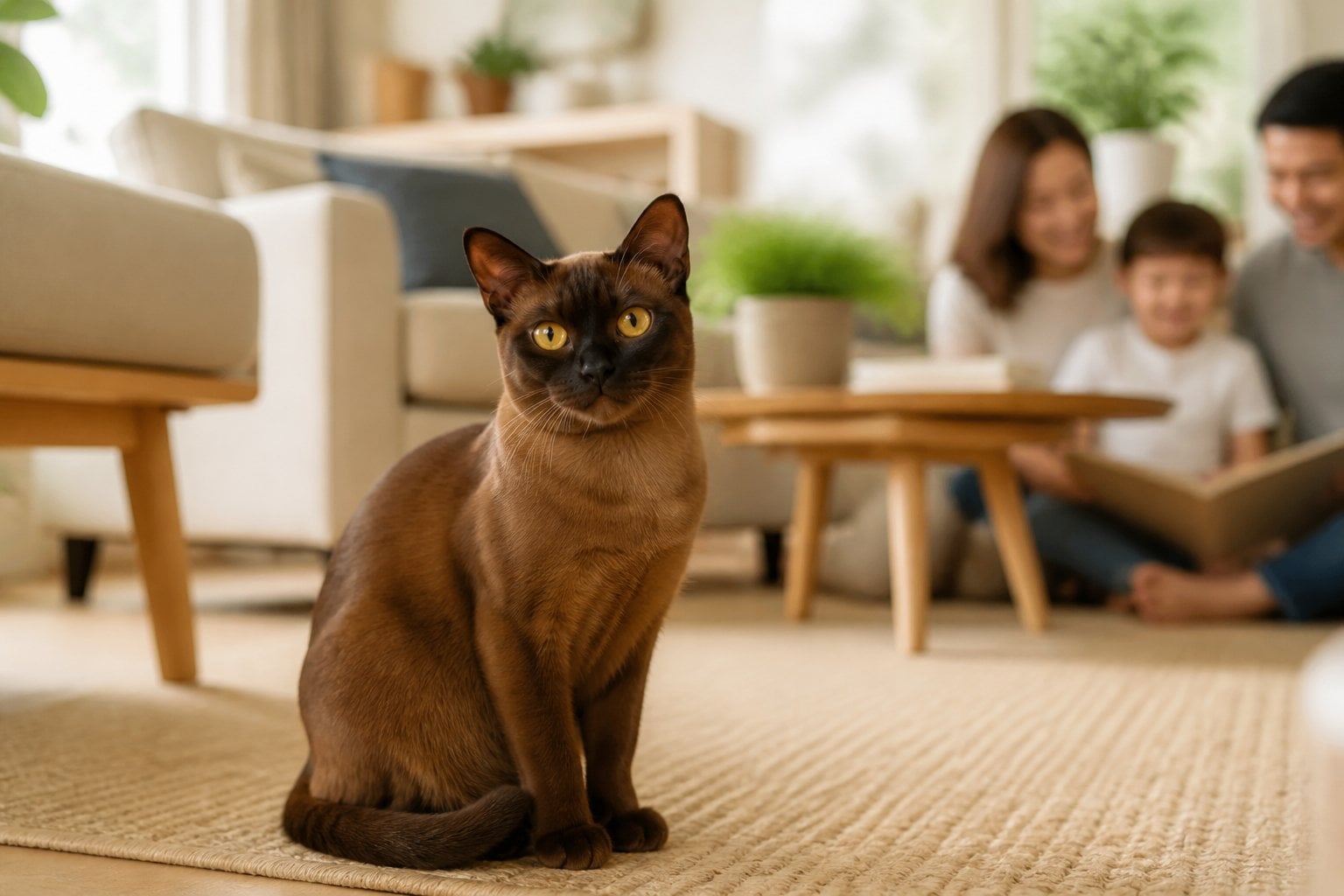
The Burmese cat brings an affectionate and social personality to family life. These cats form strong bonds with their human companions and want to be involved in daily household activities. Their friendly nature makes them well-suited for homes with children.
Burmese cats are highly intelligent and can learn tricks and commands with ease. They thrive on mental stimulation and interactive play. Their playful energy persists well into adulthood, giving them an almost eternal kitten-like quality.
You’ll notice their distinctive compact, muscular build when you pick one up. They feel surprisingly heavy for their size. Their short, satin-like coat requires minimal grooming, and their expressive golden eyes add to their polished appearance.
This breed does best when not left alone for long periods. They crave attention and companionship from their family members.
8. Scottish Fold
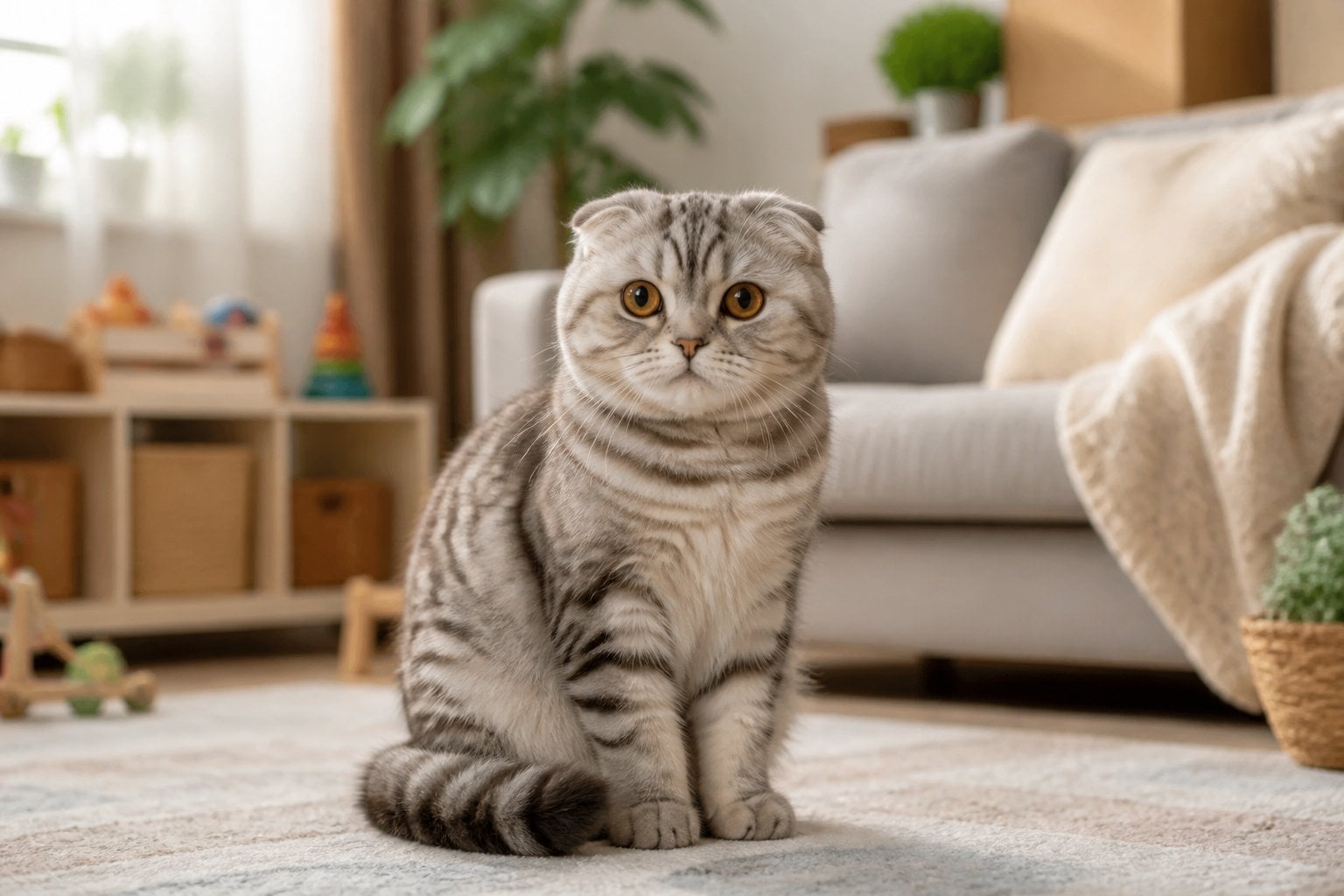
The Scottish Fold stands out with its distinctive folded ears that bend forward and downward, creating an endearing owl-like appearance. This natural genetic mutation gives the breed its signature look while their ears function normally.
Scottish Folds are known for their sweet, calm temperament and affectionate nature. They form loyal bonds with family members and adapt well to households with children. These cats are intelligent and inquisitive without being overly demanding or vocal.
The breed features a medium-sized body with a plush coat that comes in various colors. Their easygoing personality makes them suitable for families, whether you have young children or a quieter household.
Scottish Folds thrive on companionship and enjoy being part of family activities. They combine their charming looks with a gentle disposition that appeals to cat lovers seeking a devoted companion.
9. Sphynx
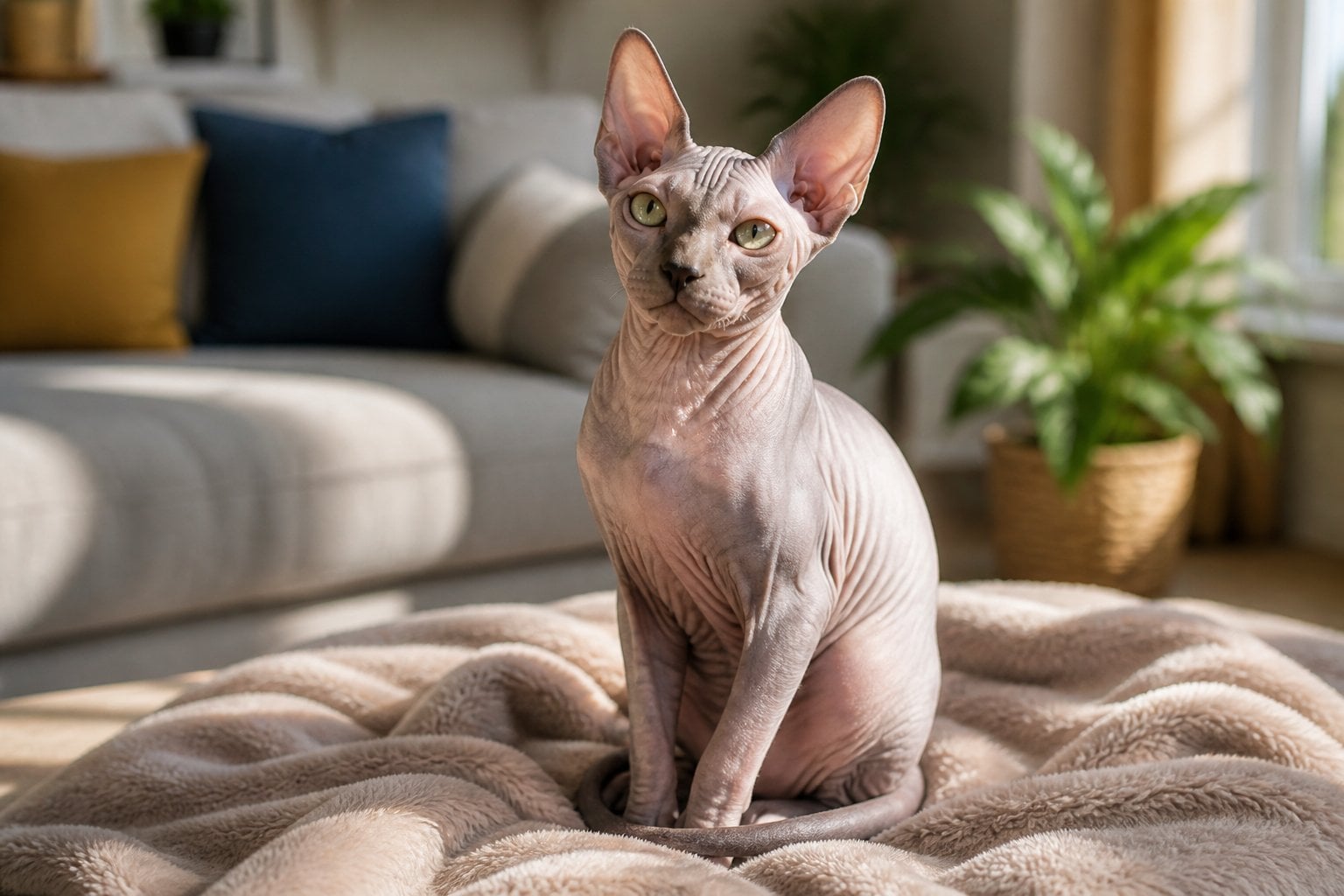
The Sphynx stands out immediately with its hairless appearance, wrinkled skin, and distinctive bat-like ears. This breed originated from a natural genetic mutation in the 1960s and has since gained popularity worldwide.
Despite their unusual looks, Sphynx cats are incredibly affectionate and social. They earn the nickname “Velcro cat” because of their strong desire to stay close to their owners at all times. Your Sphynx will likely follow you from room to room throughout the day.
These cats are highly intelligent and inquisitive, making them engaging companions for children. They’re not shy about showing their love and actively seek interaction with family members.
Note that while mostly hairless, Sphynx cats require hair on their nose and may have some on their ears, paws, and tail. Their friendly and playful personality makes them an excellent choice for families seeking an attentive, people-oriented pet.
10. Norwegian Forest Cat
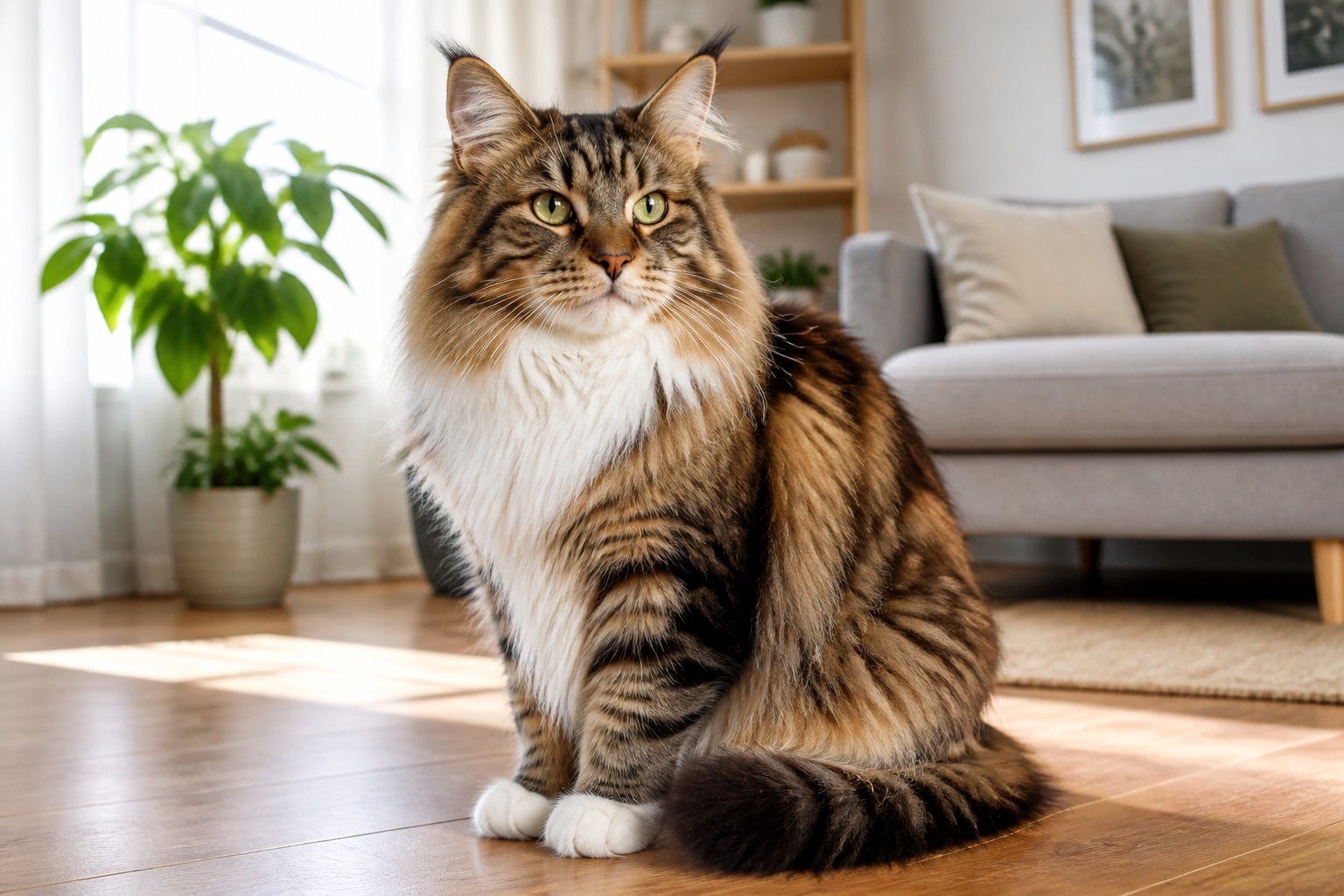
The Norwegian Forest Cat makes an excellent choice for families seeking a large, easygoing companion. This breed originated in Norway and features a thick, semi-long coat that gives them a rugged, majestic appearance.
Norwegian Forest Cats are affectionate without being overly demanding. They adapt well to households with children and other pets, including dogs. Your family will appreciate their loyal and friendly nature.
These cats thrive with interactive play and need weekly brushing to maintain their dense coat. They enjoy climbing, so providing safe vertical spaces will keep them happy. The breed typically costs between $800 and $1,500.
Norwegian Forest Cats suit multipet households and families who can offer regular attention and grooming. Their undemanding temperament and sociable personality make them reliable family pets.
11. Savannah (F1-F4 cautious)
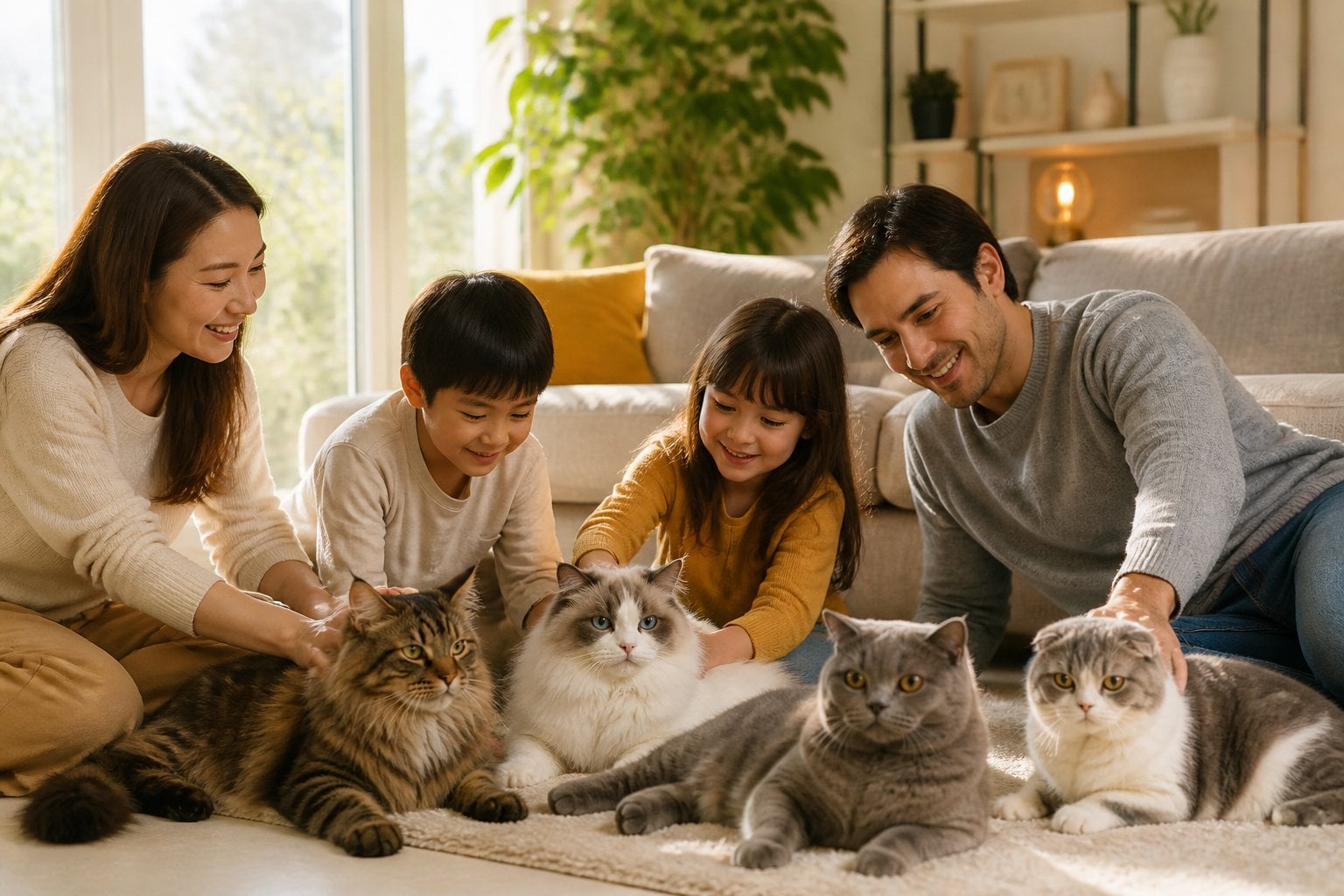
The Savannah cat is a striking hybrid breed that combines domestic cat traits with wild serval genetics. These cats are categorized by generation, from F1 to F5, which determines their proximity to their wild ancestry.
F1 through F4 Savannahs require careful consideration before bringing them into a family setting. They demand experienced owners who can provide extensive space, enrichment, and specialized care. These earlier generations retain more wild characteristics, including higher energy levels and specific dietary needs focused on high-protein, meat-based nutrition.
If you’re new to exotic cats, F4 and F5 generations offer a better family option. They maintain the breed’s distinctive appearance with large ears and spotted coats but display more predictable, domestic-friendly temperaments.
You should also verify local regulations, as some areas restrict ownership of earlier-generation Savannahs. These cats need substantial attention and financial commitment beyond typical domestic breeds.
12. Tonkinese
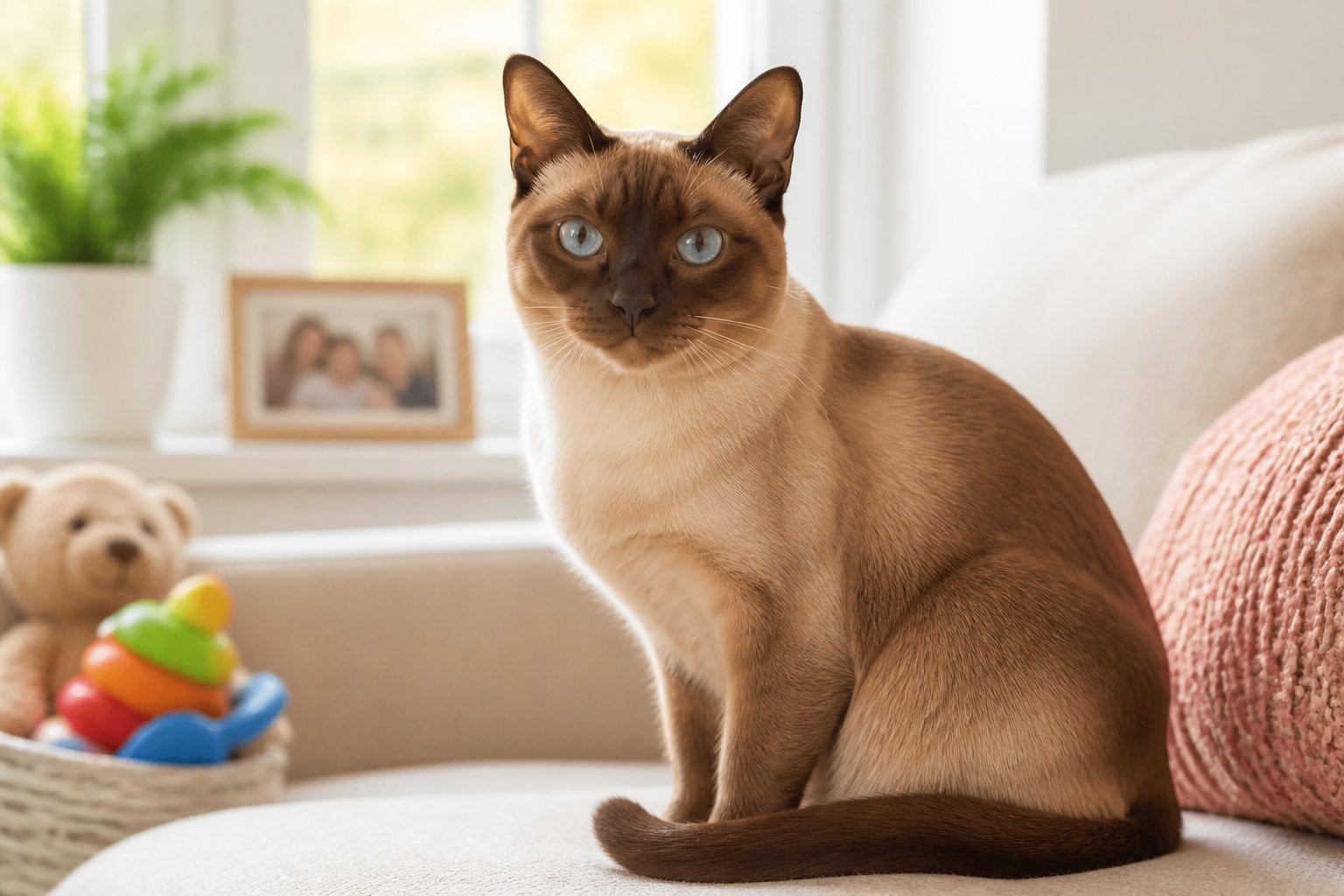
The Tonkinese combines the best traits of Siamese and Burmese cats, creating a medium-sized breed that’s well-muscled yet graceful. This breed originated in North America during the 1960s and has been established as its own distinct breed for over 30 years.
Your family will appreciate the Tonkinese’s intelligent, affectionate, and sociable nature. These cats are unusually interested in people and thrive on interaction. They’re playful and chatty, making them entertaining companions for households with activity.
The breed typically lives 14-16 years with proper care. You’ll find that Tonkinese cats need consistent routines and don’t adapt well to frequent schedule changes or boarding situations. They perform best in homes with school-aged children or where someone is regularly present.
If you work from home or have an active household, the Tonkinese could be an excellent match for your family.
13. Exotic Shorthair
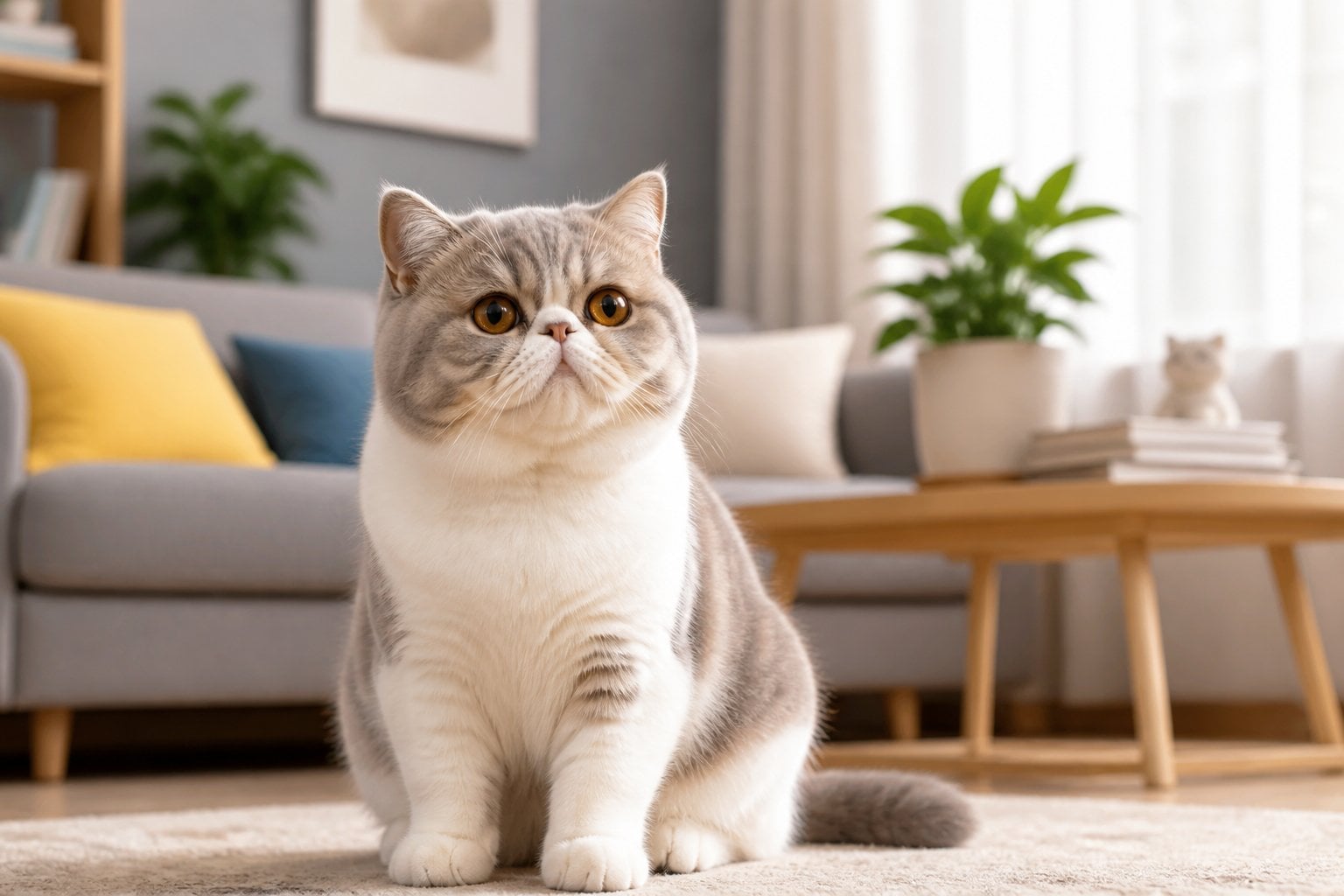
The Exotic Shorthair offers you the sweet, affectionate personality of a Persian without the demanding grooming routine. This breed features a plush, short coat that requires minimal maintenance compared to its long-haired relatives.
Your family will appreciate their easygoing and gentle temperament. They adapt well to household routines and form strong bonds with family members of all ages.
These cats are particularly well-suited for first-time cat owners due to their laid-back nature. They enjoy attention but won’t demand it constantly, making them ideal for busy families.
You should be aware that Exotic Shorthairs can be prone to certain health conditions, including hypertrophic cardiomyopathy and polycystic kidney disease. Their flat facial structure may also lead to respiratory issues that require monitoring.
Their calm demeanor and moderate activity level make them excellent companions for families seeking a relaxed, affectionate pet.
14. Oriental Shorthair
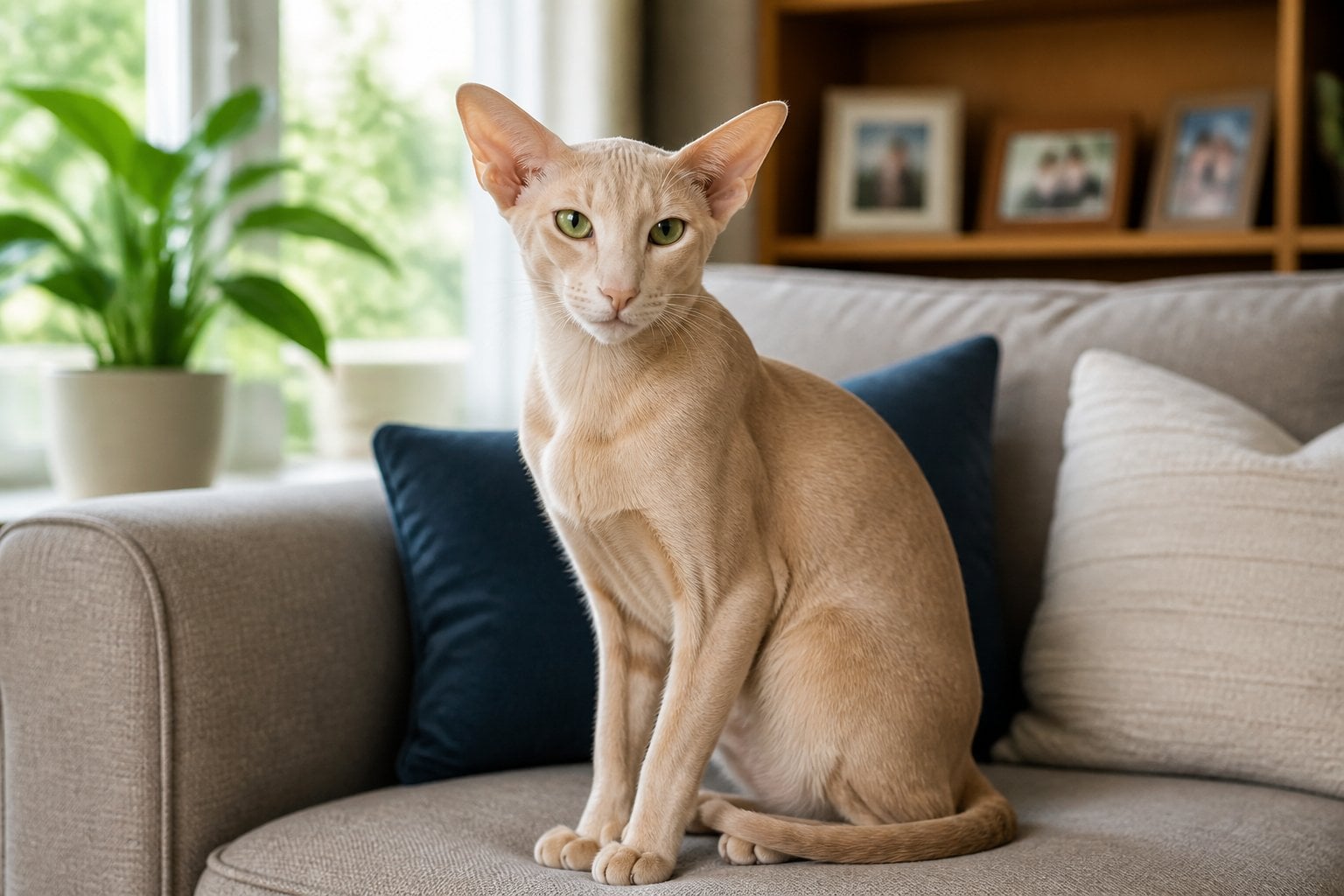
The Oriental Shorthair brings elegance and energy to family life. These cats form strong bonds with all family members, including children and other pets. They thrive in social environments and actually prefer living in groups rather than alone.
You’ll notice their vocal nature immediately. They communicate frequently and aren’t shy about demanding attention when they want it.
Oriental Shorthairs are intelligent and playful cats that need substantial interaction. They require dedicated time and engagement from their families, making them ideal for households that can provide plenty of attention. Their affectionate temperament and social nature make them devoted companions.
These cats come in an impressive variety of colors and patterns. Their sleek, svelte build and striking appearance add to their appeal as family pets for those seeking an interactive and engaging feline companion.
15. Devon Rex
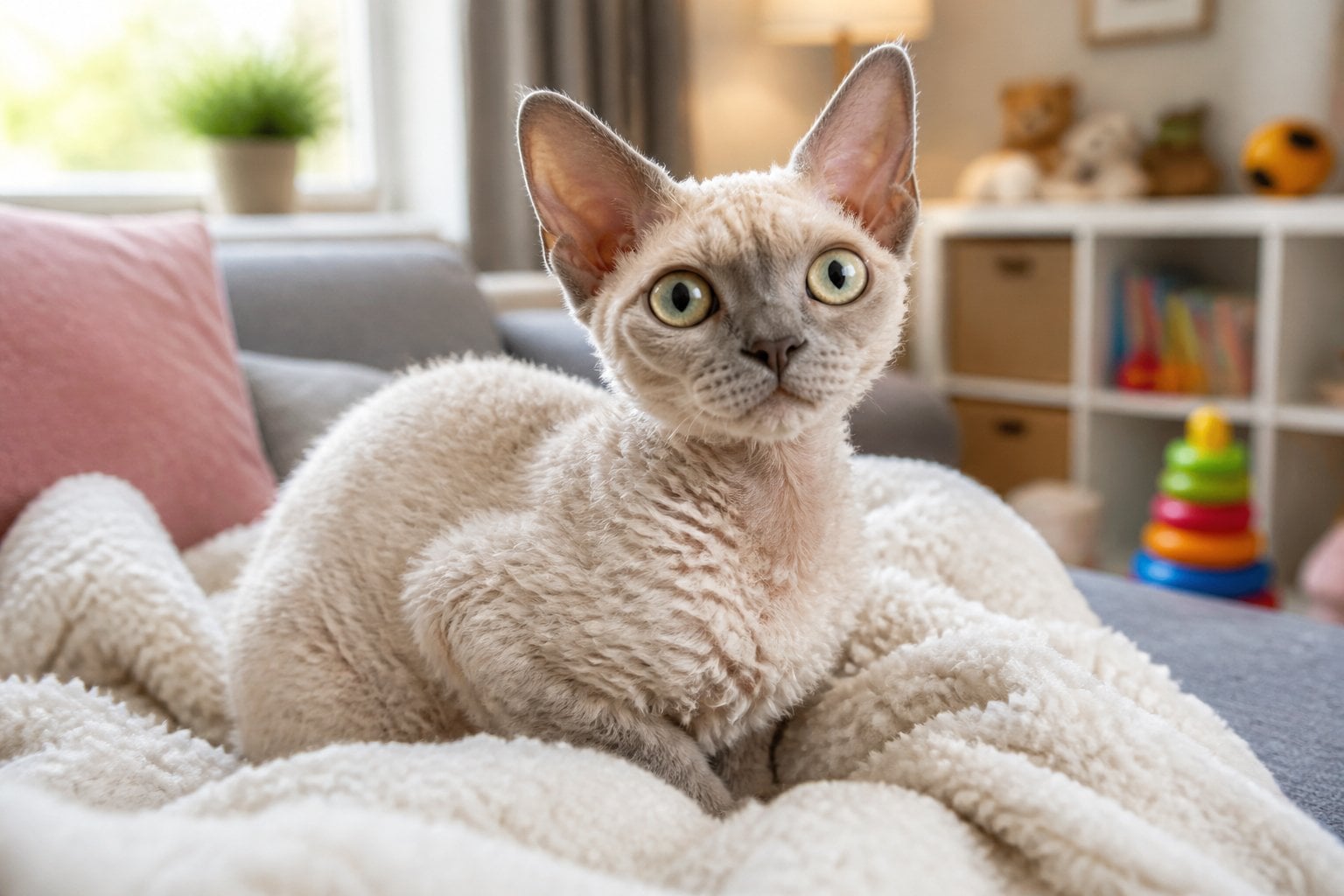
The Devon Rex stands out with its distinctive elfin appearance, featuring oversized ears, large expressive eyes, and high cheekbones. This breed’s soft, curly coat gives it a unique texture that sets it apart from other cats.
Your family will appreciate the Devon Rex’s playful and affectionate nature. These cats are highly social and form strong bonds with their owners, often following you around the house like a dog would.
The breed originated in England during the 1960s and has since become popular for its lively personality. Devon Rex cats are intelligent and enjoy interactive play, making them excellent companions for children who want an engaging pet.
Their people-oriented temperament means they thrive in households where they receive plenty of attention. You’ll find these cats adapt well to family life and bring energy to your home with their mischievous charm.
16. Cornish Rex
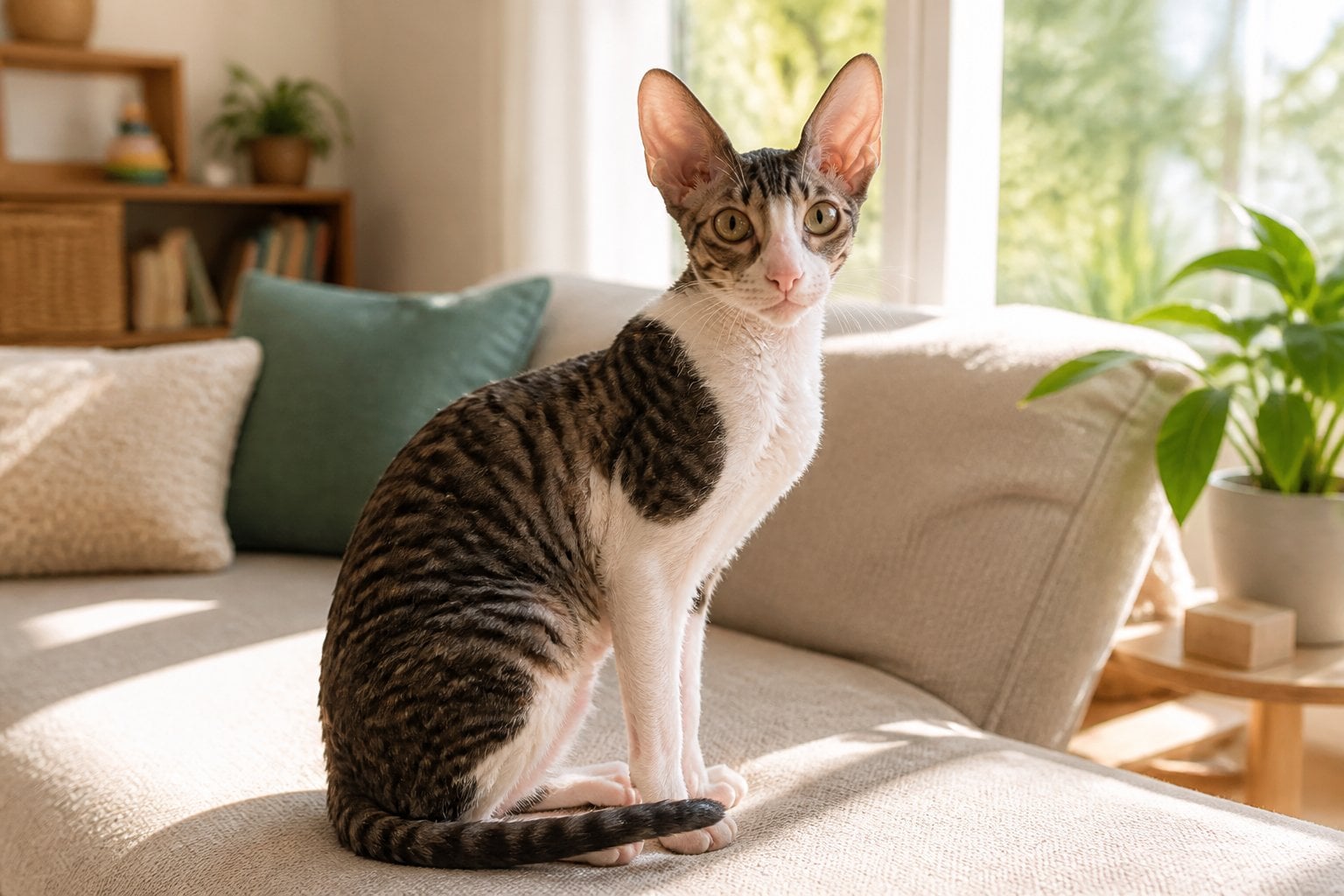
The Cornish Rex stands out with its distinctive curly coat and elegant, slender build. This breed originated in Cornwall, England during the 1950s from a natural genetic mutation.
You’ll notice their large ears, almond-shaped eyes, and unique egg-shaped head. Their soft, wavy coat requires minimal grooming and sheds less than many other breeds.
This cat thrives on human interaction and doesn’t do well when left alone for extended periods. Your Cornish Rex will be highly active, enjoying running, jumping, and playing throughout the day.
The breed gets along well with children and other pets, including cat-friendly dogs. They’re affectionate companions who seek out your company and remain playful well into adulthood.
Their athletic nature means they need space to exercise and explore. You can expect an intelligent, social cat that becomes a devoted family member.
17. American Shorthair
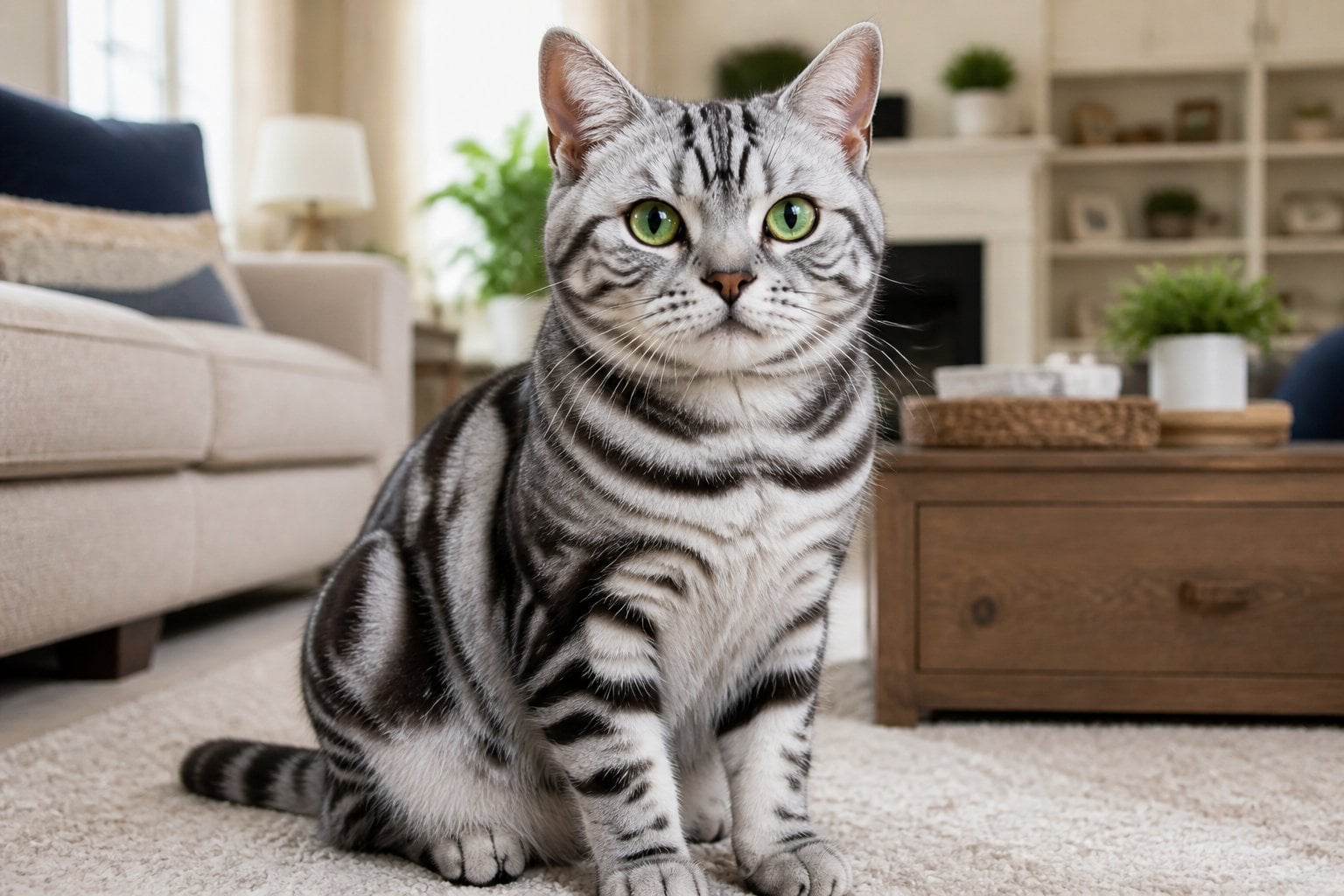
The American Shorthair brings an easygoing temperament that works well in family settings. This breed adapts readily to different household dynamics, whether you live alone or have a bustling home with children and other pets.
You’ll find American Shorthairs are gentle and friendly without being overly demanding. They enjoy companionship but don’t require constant attention, making them suitable for busy families.
These cats have moderate energy levels and engage in play without becoming hyperactive. Their robust health and low-maintenance grooming needs add to their appeal as family pets.
American Shorthairs come in various coat and eye colors, giving you options to choose from. Their affectionate nature combined with patience around children has made them a consistently popular choice for families seeking a first cat.
18. Turkish Van
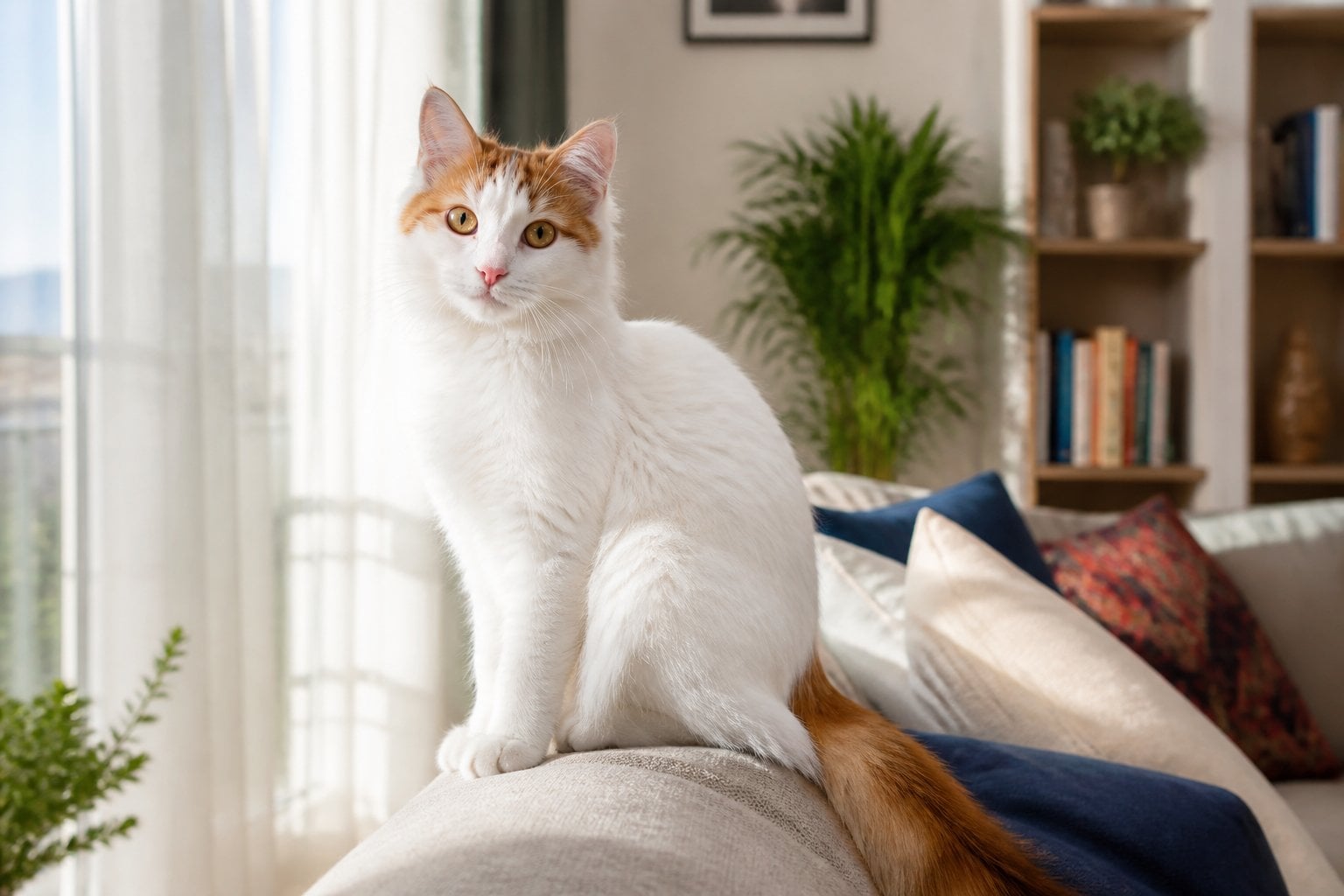
The Turkish Van is one of the rarest cat breeds, with only about 100 kittens registered annually. This ancient breed originated in eastern Turkey’s Lake Van region and earned its nickname as “the swimming cat” due to its unusual love of water.
Your Turkish Van won’t reach full maturity until three to five years of age. These active, robust cats are highly intelligent with a mischievous streak, making them entertaining family companions.
You’ll find Turkish Vans to be both loyal and loving, though they maintain an independent nature. They thrive on mental and physical enrichment, so your family should be prepared to provide plenty of interactive play and stimulation.
These cats typically live 12 to 17 years with proper care. Their playful energy and unique personality make them suitable for families who can match their activity level and appreciate their spirited nature.
19. Siberian
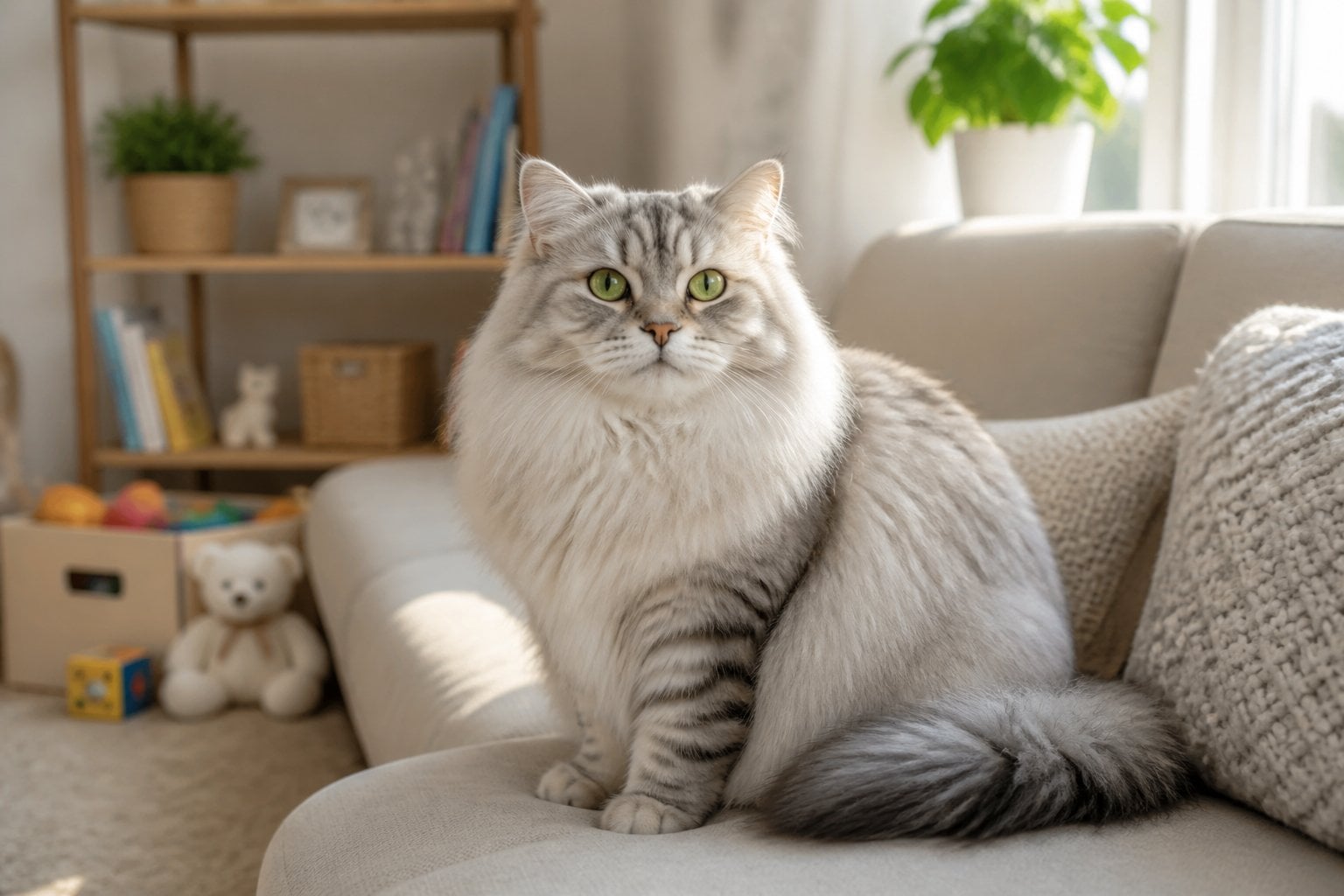
Siberian cats make excellent family companions with their affectionate and friendly temperament. They form strong bonds with family members and often follow you from room to room, wanting to be part of daily activities.
These cats adapt well to households with children and other pets. Their playful nature matches the energy of active families while maintaining a gentle disposition. Siberian cats are patient and tolerant, making them suitable for first-time cat owners.
One notable advantage is their hypoallergenic qualities. While no cat is completely allergen-free, Siberians produce lower levels of certain proteins that trigger allergic reactions in some people.
Their luxurious triple coat requires regular grooming to prevent matting. Siberian cats are generally healthy and can live 12 to 20 years with proper veterinary care. They thrive in families looking for a devoted, interactive pet who enjoys being involved in household life.
20. Chartreux
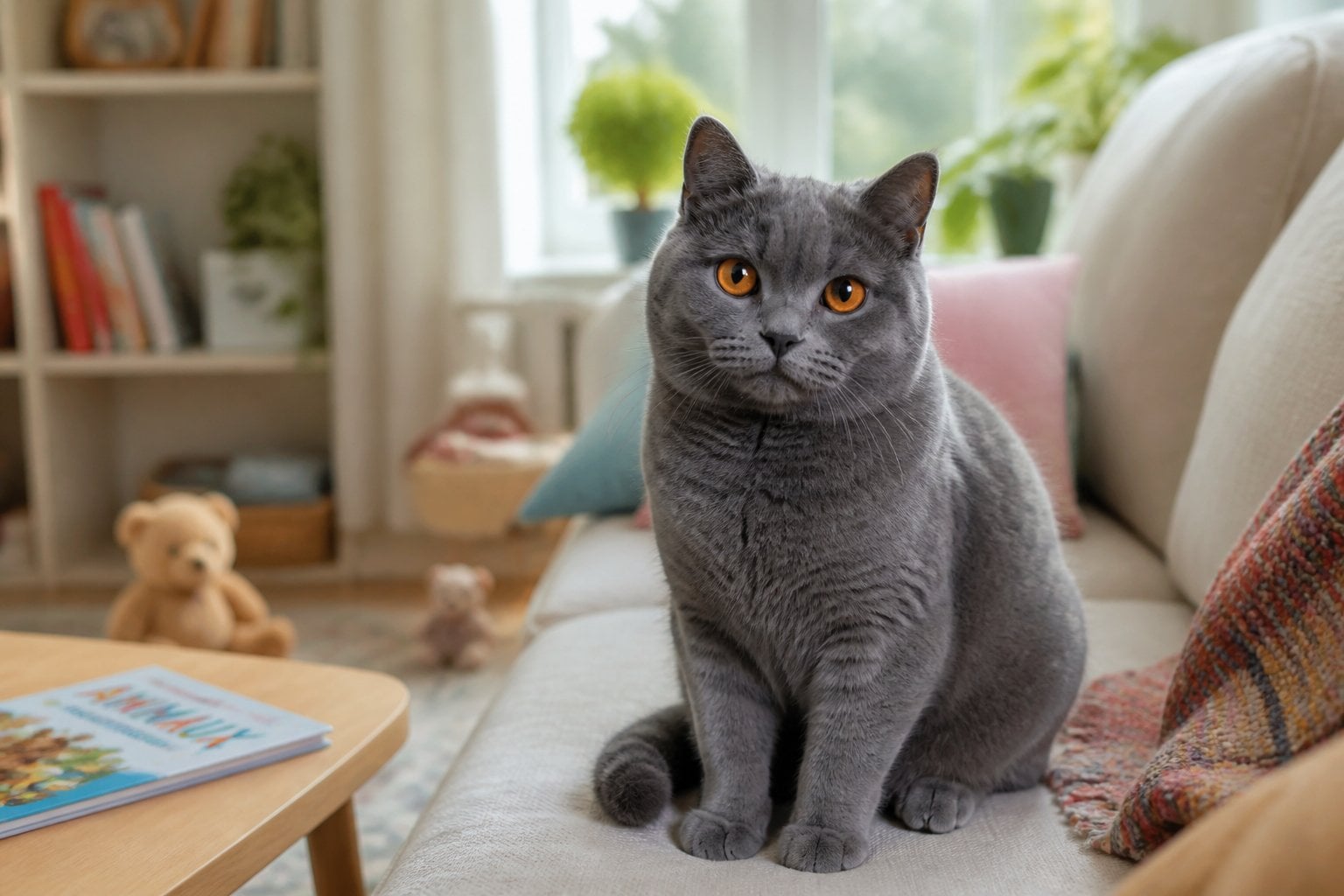
The Chartreux is a rare French breed that brings calm, gentle energy to family homes. You’ll recognize these cats by their distinctive blue-gray coats and copper or gold eyes. Their face shape naturally creates a slight smile, adding to their charming appearance.
This breed bonds strongly with family members, though they often pick one favorite person. Your Chartreux will get along well with children and other pets thanks to their tolerant, easygoing nature. They’re intelligent and observant, with quick reflexes that make them entertaining to watch during play.
One unique trait is their quiet voice. Many Chartreux rarely vocalize, and some are nearly silent. Despite this, they communicate effectively through body language and soft murmurs.
These cats adapt well to different living situations and require minimal grooming despite their plush coats. Keep in mind that Chartreux are uncommon in the United States, so finding a breeder may take extra effort.
21. Egyptian Mau
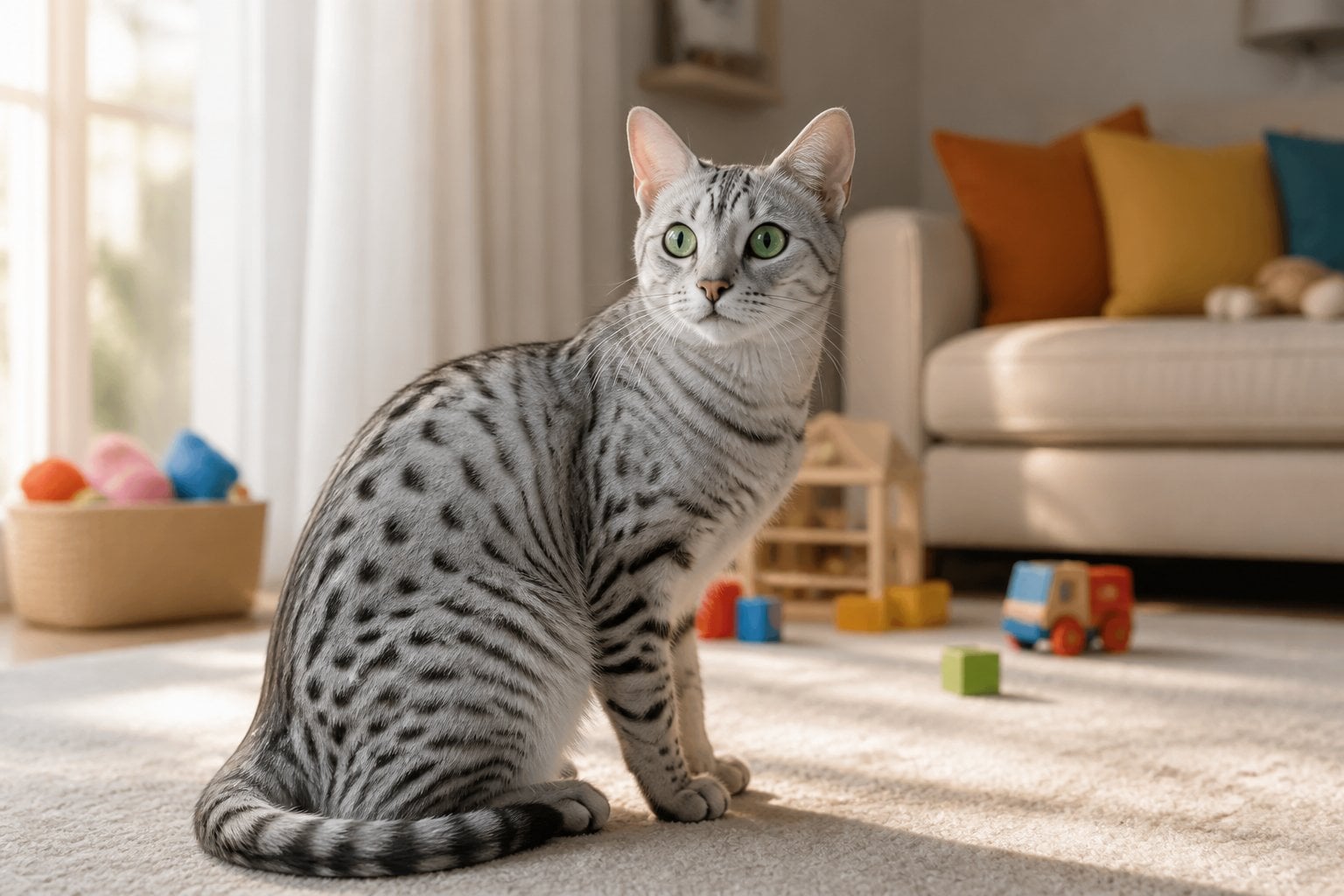
The Egyptian Mau stands out as one of the oldest and most distinctive cat breeds you can bring into your family. This naturally spotted breed traces its lineage back thousands of years to ancient Egypt.
Your family will appreciate the Mau’s loyal and affectionate nature. These cats form strong bonds with their household members and display genuine devotion to the people they love. They’re playful and energetic, making them engaging companions for families who enjoy interactive pets.
Egyptian Maus are notably athletic cats with impressive speed capabilities. Their muscular build supports their active lifestyle, so you’ll need to provide adequate space and enrichment activities.
Keep in mind that Maus can be sensitive to loud noises and sudden changes. They typically do well in stable environments where they feel secure. Their intelligence and alert nature make them responsive to their surroundings and family dynamics.
22. LaPerm
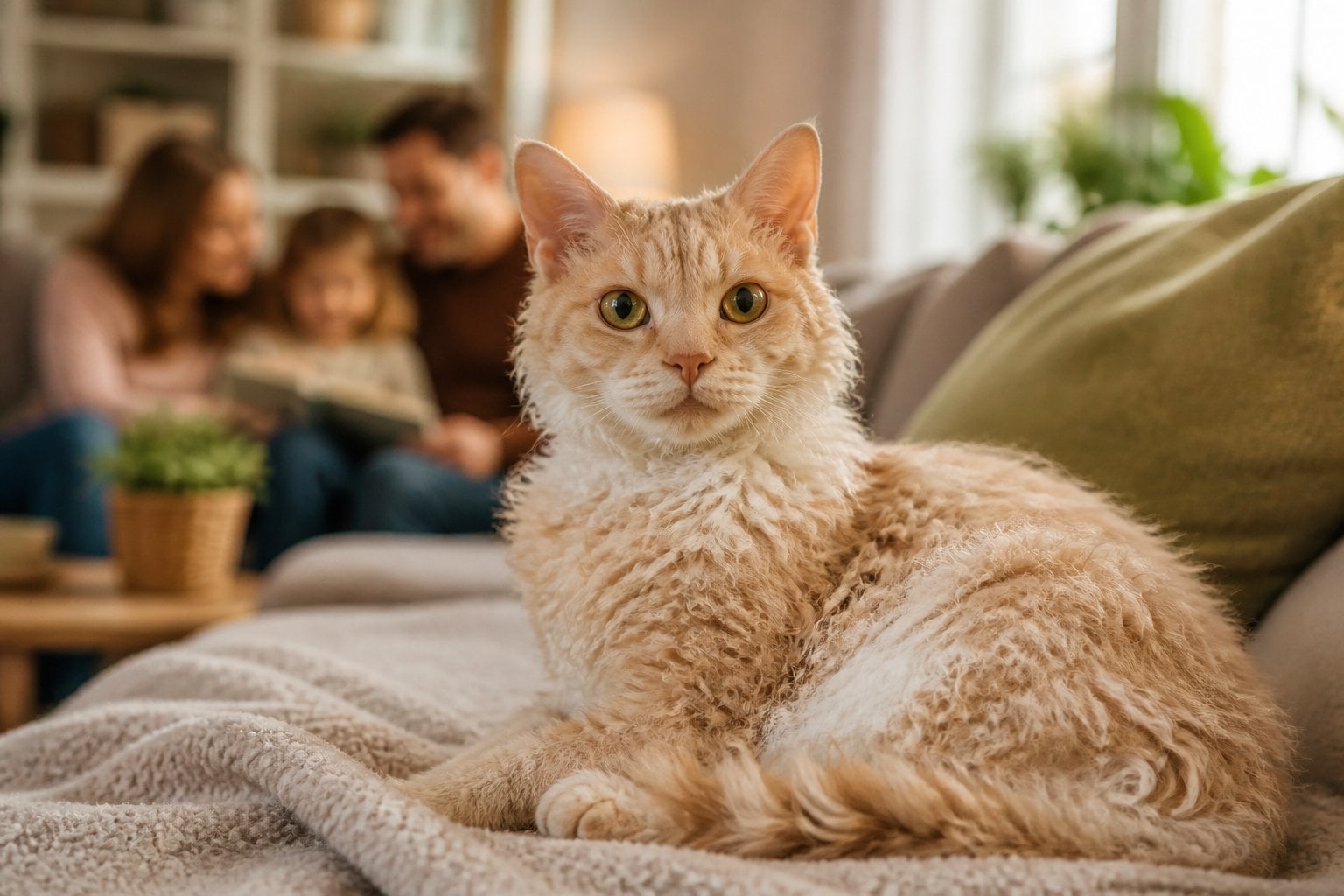
The LaPerm is a distinctive cat breed that originated in the United States in 1982. You’ll immediately recognize these cats by their unique curly coat, which can range from gentle waves to tight curls in both short and long-haired varieties.
This breed resulted from a natural genetic mutation in barn cats. The LaPerm’s coat comes in every color and pattern imaginable, giving you plenty of options to choose from.
LaPerms are known for their affectionate and playful personalities. They bond well with people and adapt easily to family life. Their friendly nature makes them suitable companions for households with children.
These cats are relatively easy to care for despite their unusual coats. They require regular grooming to maintain their curly fur and prevent matting. LaPerms bring both charm and warmth to your home with their unique appearance and loving temperament.
23. Balinese
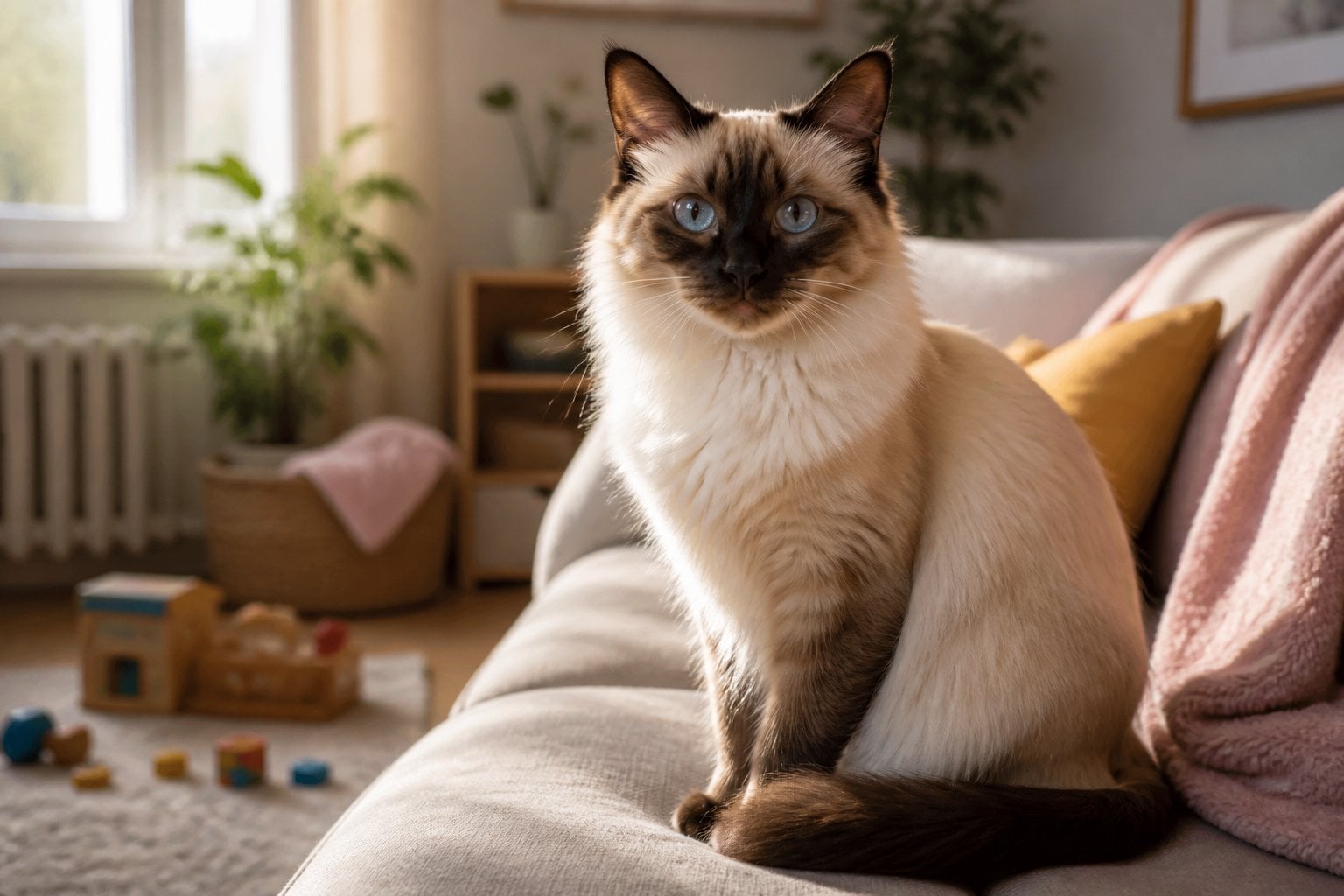
The Balinese is essentially a long-haired Siamese, featuring the same striking blue eyes and elegant build but with a silky, semi-long coat. This breed originated from a spontaneous genetic mutation in purebred Siamese cats.
Your family will appreciate the Balinese’s affectionate and social nature. These cats bond closely with all family members, including children and other pets. They’re intelligent and playful, thriving on interactive play and mental stimulation.
You should know that Balinese cats are quite vocal and demanding of attention. They prefer to stay close to their humans and often follow family members throughout the day. If you work outside the home, consider providing another pet for companionship.
The breed adapts well to family life when handled respectfully. Their loving temperament and desire for involvement make them engaging companions for active households.
24. Havana Brown
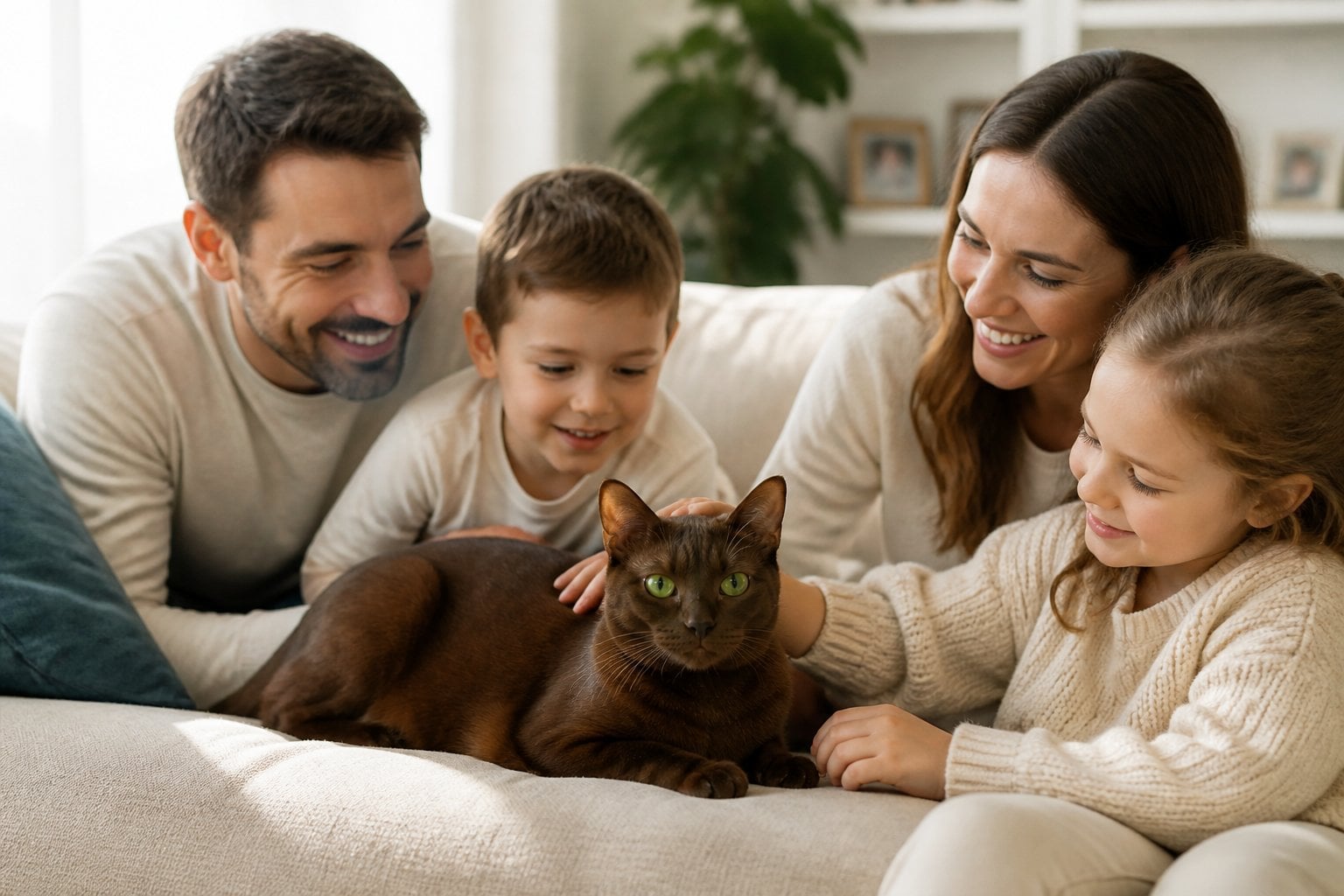
The Havana Brown stands out with its rich chocolate-colored coat and striking green eyes. This rare breed originated in England during the 1950s through planned breeding between Siamese and domestic black shorthair cats.
Your family will appreciate the Havana Brown’s affectionate and social nature. These cats form strong bonds with their human companions and enjoy interactive play sessions. They’re intelligent and curious, making them engaging pets for households seeking an attentive feline friend.
The breed has a distinctive appearance, including a unique muzzle shape and sleek, short-haired coat that requires minimal grooming. Havana Browns thrive on human interaction and don’t do well when left alone for extended periods.
Finding a Havana Brown requires patience due to their rarity. You’ll likely need to connect with specialized breeders or attend cat shows to locate one.
25. Selkirk Rex
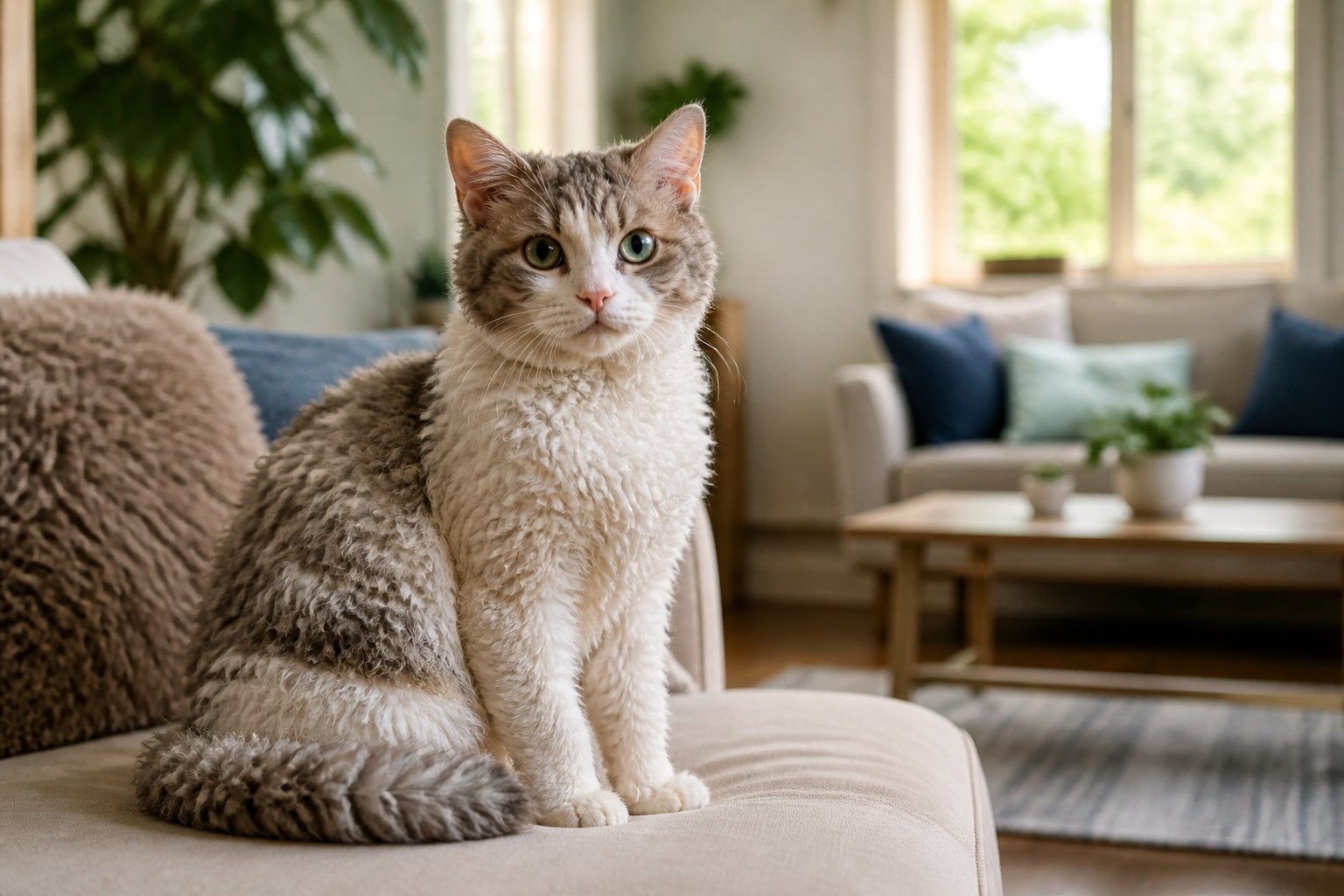
The Selkirk Rex stands out with its distinctive curly coat that gives it a soft, plush appearance. This medium to large cat has a sturdy build and rounded face with expressive eyes. You’ll notice their coat can vary in curl intensity and comes in different colors and patterns.
Your family will appreciate the Selkirk Rex’s calm and gentle temperament. These cats are affectionate without being demanding, making them suitable for households with children. They enjoy human companionship while maintaining a touch of independence.
The breed originated in Montana in 1987 and is the only cat breed named after a person. Selkirk Rex cats are patient with both people and other pets, which helps them adapt to busy family environments.
They’re playful but not hyperactive, preferring relaxed activities over constant action. Their quiet nature and sweet disposition make them manageable companions for families seeking a loving yet low-key pet.
26. Manx
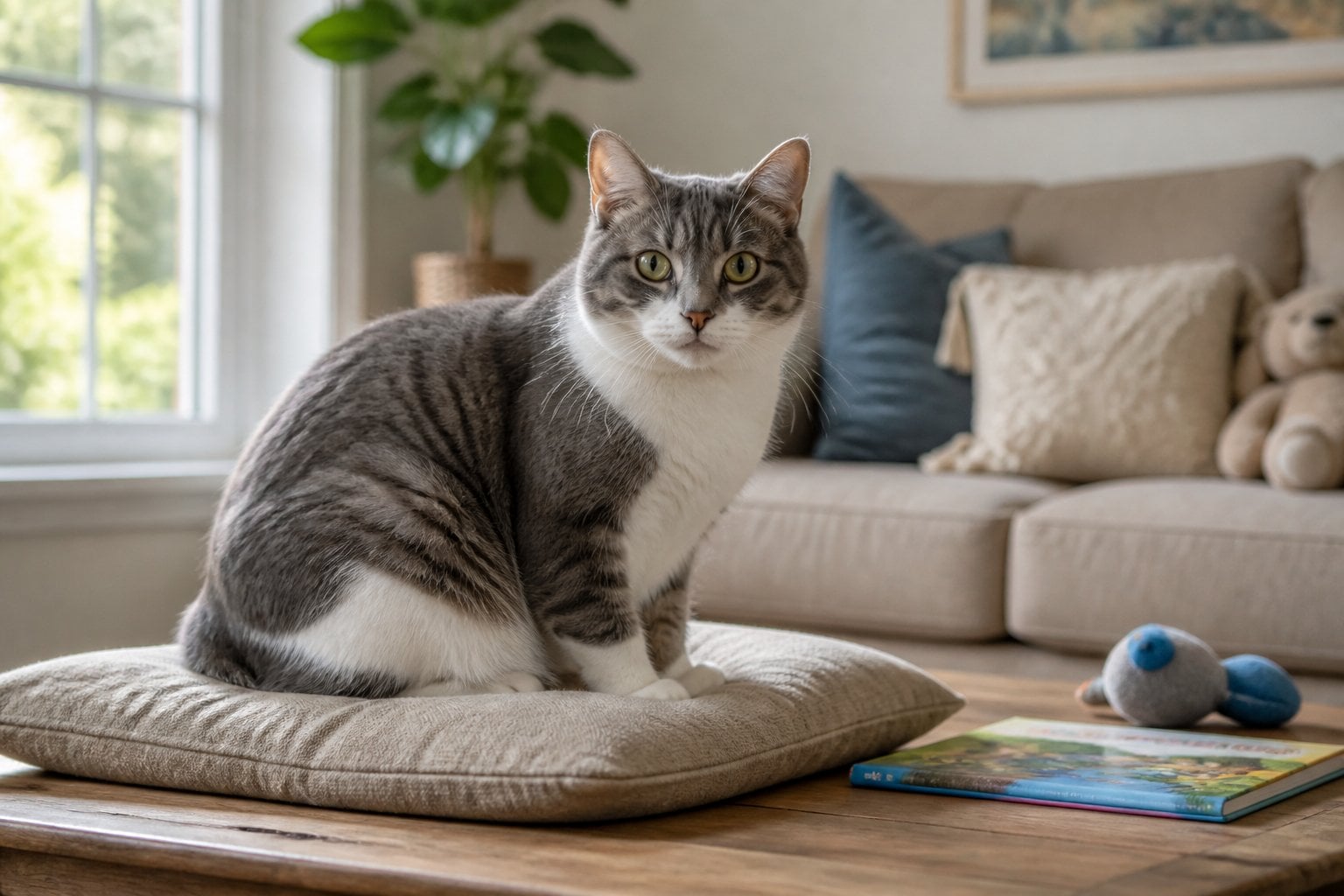
The Manx cat stands out immediately due to its most distinctive feature: a naturally short or absent tail. This breed originates from the Isle of Man and has developed into an excellent family companion over generations.
Manx cats possess a playful and social temperament that works well in household settings. They demonstrate intelligence and adaptability, making them responsive to family routines and interactions.
Their even-tempered nature allows them to tolerate the activity levels common in homes with children. You should still supervise young children during playtime and teach proper handling techniques to ensure positive interactions.
The breed typically forms strong bonds with family members and enjoys participating in household activities. Their robust build and rounded head give them a unique appearance that complements their friendly personality.
27. Ragamuffin
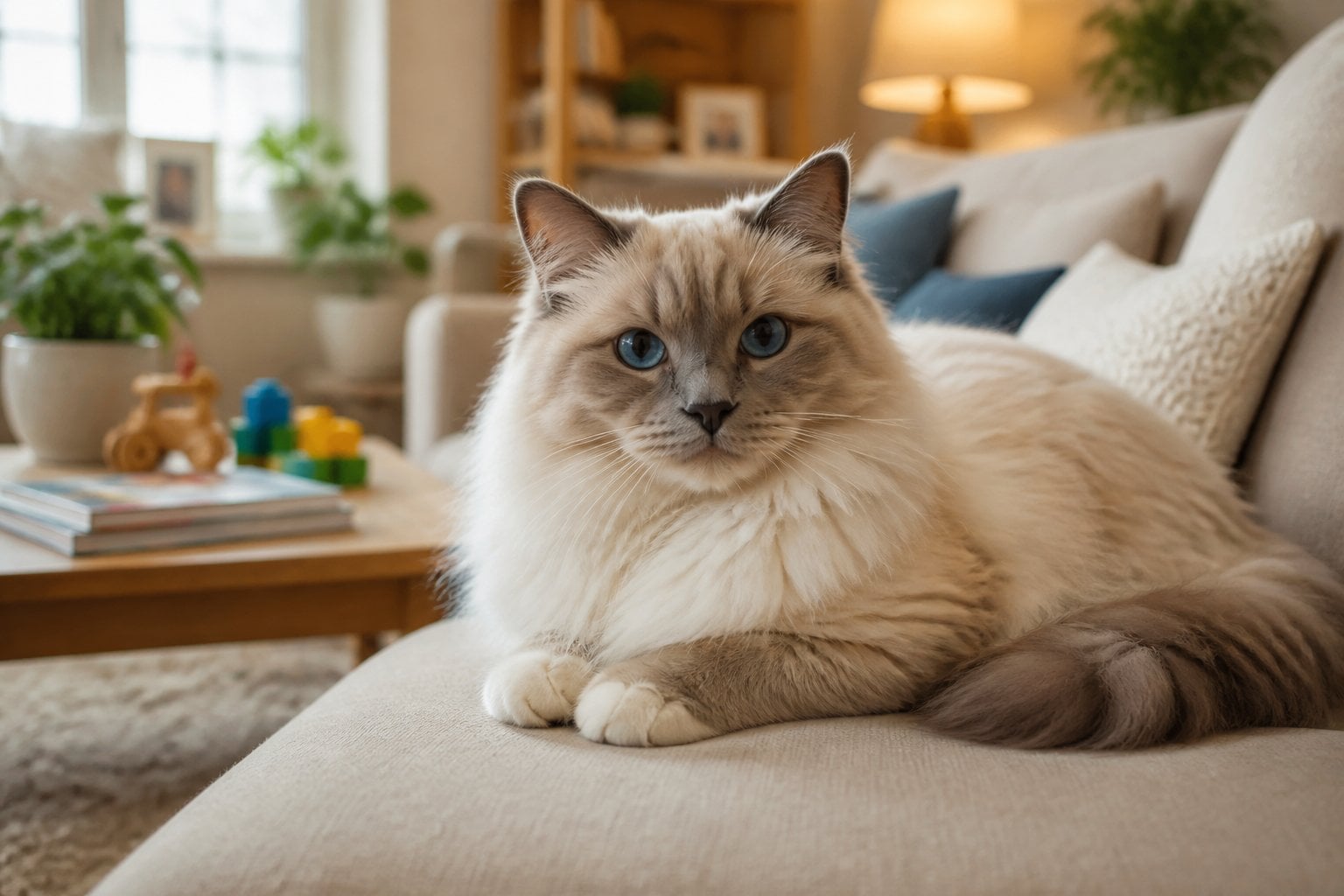
The Ragamuffin is an exceptionally affectionate breed that thrives in family environments. These large cats are known for their gentle temperament and patient nature, making them ideal companions for households with children.
Ragamuffins have plush, luxurious coats and were developed in the 1970s through breeding Ragdolls, Persians, and Himalayans. While closely related to Ragdolls, they’ve established their own distinct identity as a purebred cat.
Your family will appreciate their easygoing personality and love of cuddling. Ragamuffins are quintessential family cats that adapt well to various living situations, whether you’re a busy household or a quieter home.
These cats are particularly suited for first-time cat owners due to their calm demeanor and affectionate nature. They enjoy human interaction and will often seek out your company throughout the day.
28. Korat
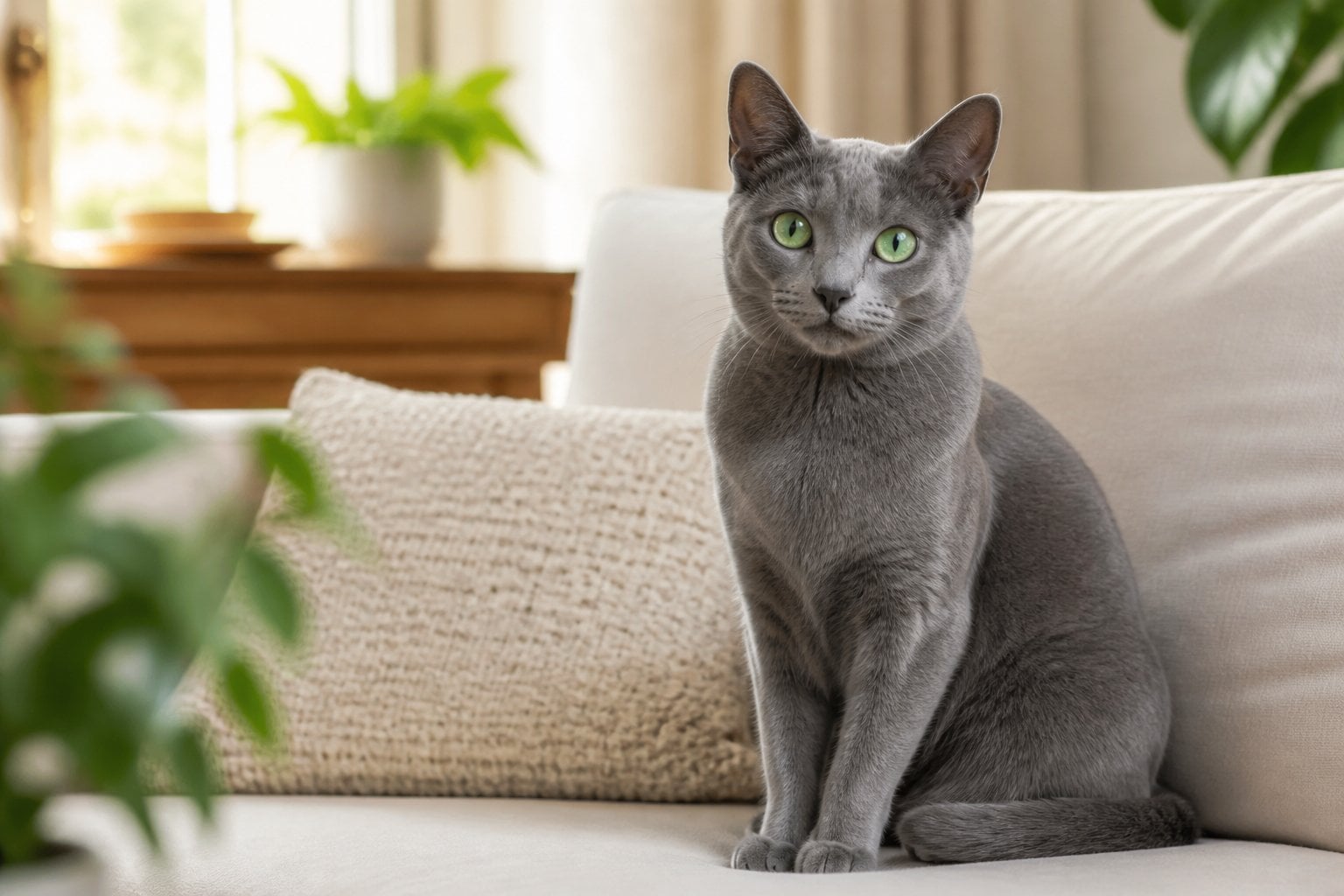
The Korat is a rare silver-blue cat originating from Thailand, where it’s considered a symbol of good luck. This small-to-medium-sized breed features a distinctive heart-shaped head and striking green or amber eyes that give it an expressive appearance.
Your Korat will form strong bonds with family members and thrives on regular interaction. These cats are intelligent, loyal, and sociable, though they can be quite demanding of attention. They’re inquisitive by nature and always ready for play.
The breed has a sturdy build despite its compact size and requires minimal grooming thanks to its short, shimmering coat. Korats are highly sensitive animals that do well in homes where they receive consistent companionship.
You can expect your Korat to live 10-15 years with proper care. They get along well with family members but need owners who can provide the attention and interaction they crave.
29. Toyger
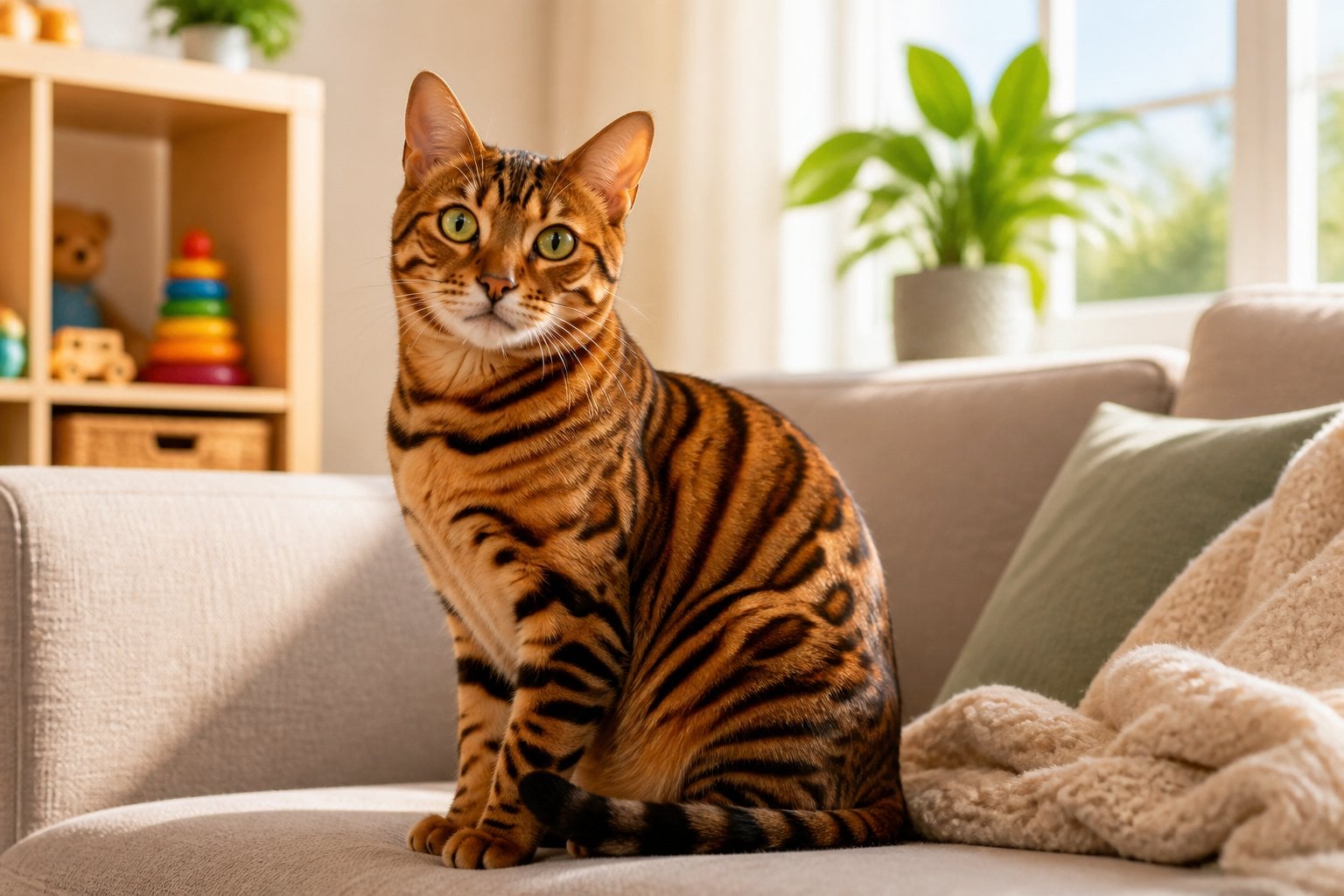
The Toyger brings the exotic appearance of a tiger into your home with none of the wild temperament. This rare breed features distinctive striped markings that mimic their jungle counterparts, making them visually striking additions to any household.
Your family will appreciate the Toyger’s friendly and outgoing personality. They form strong bonds with their human companions and typically get along well with children and other pets. Their calm yet playful nature makes them easy to live with.
These cats are notably social and enjoy being around people, even welcoming strangers into your home. You can expect an affectionate companion that delights in family interaction. With a lifespan of 12-15 years, Toygers offer long-term companionship for families seeking an engaging, loyal pet.
30. Japanese Bobtail
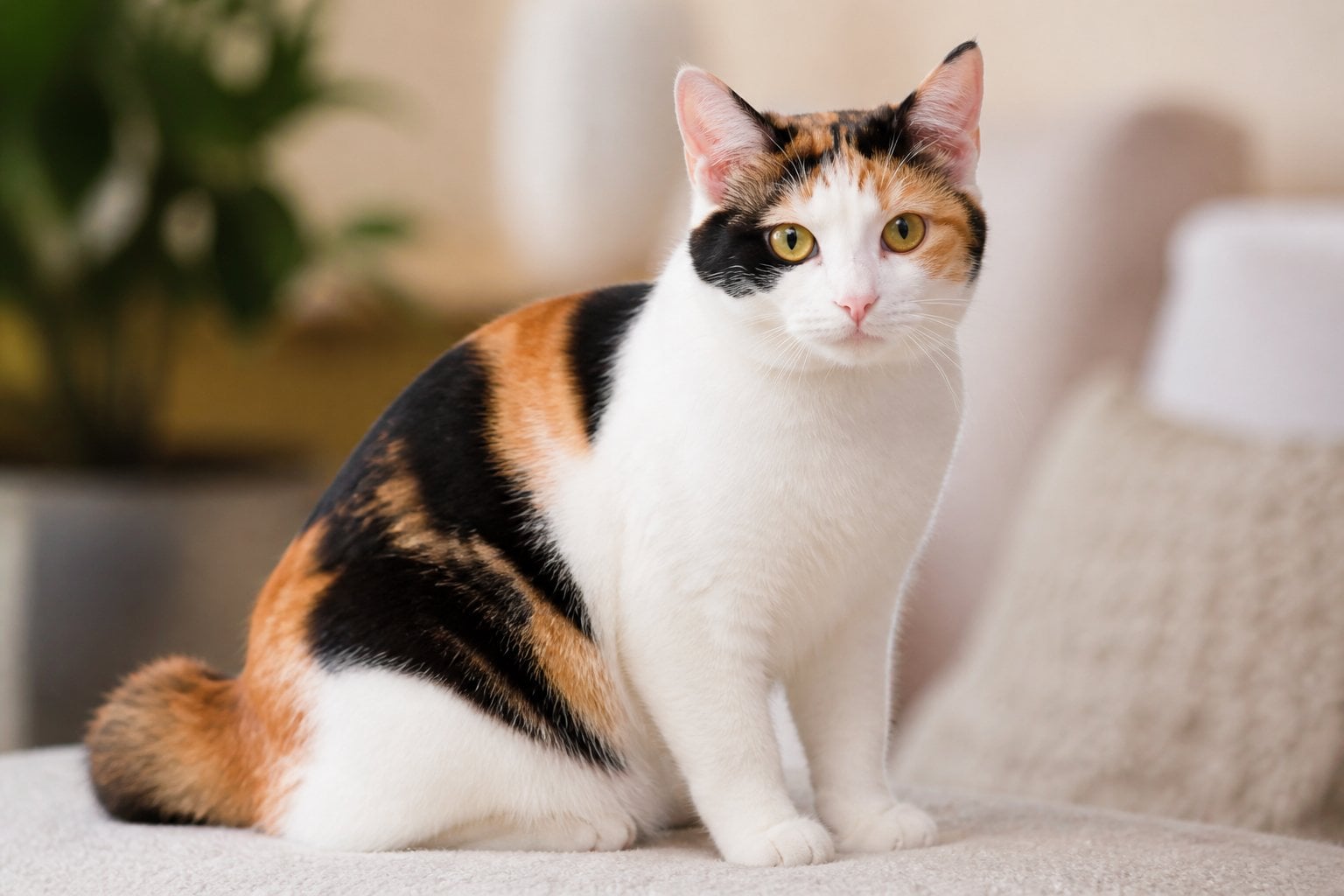
The Japanese Bobtail stands out with its distinctive pom-pom tail, but this breed offers much more than unique looks. These cats are highly social and thrive on interaction with family members, making them excellent companions for households seeking an engaged pet.
You’ll find Japanese Bobtails to be talkative and intelligent cats. They enjoy being part of household activities and often follow family members around the home. Their playful nature remains strong throughout their lives.
This breed typically lives 14-16 years and adapts well to family environments. Japanese Bobtails are protective and attentive, often displaying alert behavior around their loved ones.
Keep in mind that these cats can be relatively rare due to limited breeders and smaller litter sizes of 2-4 kittens. Their people-oriented personality and active temperament make them rewarding family pets for those who appreciate interactive companions.
Key Traits to Consider When Choosing a Cat
Selecting the right cat breed for your family requires evaluating temperament, care requirements, and compatibility with your household dynamics. These factors determine how well a cat integrates into your daily life and how much time you’ll invest in their care.
Temperament and Social Behavior
A cat’s personality affects every interaction in your home. Some breeds crave constant companionship and follow you from room to room, while others prefer independence and solitary activities.
Social cats like Ragdolls and Maine Coons actively seek human interaction and enjoy being held. They typically greet you at the door and want to participate in family activities. These breeds handle busy households well and adapt to schedule changes.
Independent breeds such as Russian Blues and British Shorthairs appreciate affection on their terms. They’re content spending hours alone and don’t demand constant attention. This trait suits working families who are away during the day.
Energy levels vary significantly between breeds. Abyssinians and Bengals need daily play sessions and mental stimulation. Low-energy breeds like Persians prefer calm environments and short play periods. Match the cat’s activity level to your family’s lifestyle to prevent behavioral issues.
Maintenance and Grooming Needs
Grooming requirements range from minimal weekly brushing to daily coat care. Long-haired breeds need consistent attention to prevent matting and hairballs.
High-maintenance breeds include:
- Persians: daily brushing required
- Maine Coons: brushing 3-4 times weekly
- Himalayans: daily grooming sessions
Low-maintenance breeds include:
- American Shorthair: weekly brushing
- Siamese: minimal grooming
- Russian Blue: brushing every 7-10 days
Beyond coat care, consider nail trimming frequency, dental care needs, and potential health issues common to specific breeds. Some breeds require regular ear cleaning or eye care. Factor in grooming costs if you plan to use professional services.
Suitability for Children and Other Pets
Child-friendly cats tolerate noise, sudden movements, and handling from small hands. Breeds like Maine Coons and Ragdolls show patience with children and rarely use claws when overwhelmed.
Look for cats with tolerant temperaments that don’t startle easily. Avoid nervous or skittish breeds if you have toddlers. The cat should be large enough that young children can’t accidentally hurt them during play.
For multi-pet households, choose breeds with low prey drives and social tendencies. Birmans and Ragdolls typically accept other cats and dogs. Territorial breeds may fight for space and resources.
Consider the cat’s age when introducing them to children or pets. Kittens adapt more easily than adult cats to busy households. Some breeds remain playful and adaptable throughout their lives, while others become set in their ways after kittenhood.
Preparing Your Home for a New Cat
Before bringing your new feline companion home, you’ll need the right supplies and a safe environment where your cat can explore and adjust comfortably.
Essential Supplies and Equipment
Your cat will need several basic items from day one. A litter box is the most critical purchase—plan for one box per cat plus one extra if you have multiple cats. Place litter boxes in quiet, accessible locations away from food and water bowls.
Food and water dishes should be ceramic or stainless steel rather than plastic, which can harbor bacteria and cause chin acne in cats. Position water bowls in multiple locations throughout your home to encourage hydration.
You’ll need high-quality cat food appropriate for your cat’s age and health status. Purchase both wet and dry food options to provide variety and ensure proper hydration.
Additional essential items include:
- Scratching posts or pads (both vertical and horizontal)
- Cat carrier for vet visits and travel
- Bed or soft resting areas
- Basic grooming supplies (brush, nail clippers)
- Interactive toys and puzzle feeders
- ID collar and tag
Creating a Safe and Stimulating Environment
Cat-proofing your home protects both your belongings and your new pet. Secure loose wires and cords that cats might chew, and remove toxic plants like lilies, azaleas, and philodendrons. Store cleaning products, medications, and small objects that could be swallowed in closed cabinets.
Cats need vertical space to feel secure and satisfied. Install cat trees, shelves, or window perches where your cat can climb and observe their surroundings. Windows with bird feeders outside provide natural entertainment.
Designate a quiet room as your cat’s initial space during the first few days. This room should contain all essential supplies and allow your cat to decompress from the stress of moving. Keep this area calm and limit interactions until your cat shows signs of confidence, such as exploring and eating normally.


