
The 30 Worst Myths About Cats That Refuse to Die: Debunked With Facts

Cats have lived alongside humans for thousands of years, yet many false beliefs about them continue to circulate. Some of these ideas seem harmless, but others can affect how you care for your cat or interpret its behavior.
Understanding which claims are accurate and which are outdated helps you make better decisions about your cat’s health and wellbeing.
Veterinary research and behavioral studies have addressed many of these misconceptions directly. This article looks at the myths you’re most likely to have heard and explains what the facts actually show.
1. Cats have nine lives
Cats do not have nine lives. Each cat has one life, just like every other animal.
This myth likely comes from a cat’s remarkable ability to survive falls and dangerous situations. Cats have a flexible spine and an inner ear structure that gives them excellent balance, known as the righting reflex. This allows them to twist their bodies mid-air and often land on their feet.
That ability, though, doesn’t make cats indestructible. Falls, accidents, and illnesses can seriously injure or kill a cat, the same as they would any other animal.
The nine lives idea also has roots in ancient folklore. Egyptians associated cats with divine protection, and later cultures added their own numbers and superstitions.
You should treat your cat’s safety the same way you’d treat any pet’s. One life is all they get, so it’s worth protecting.
2. Cats always land on their feet
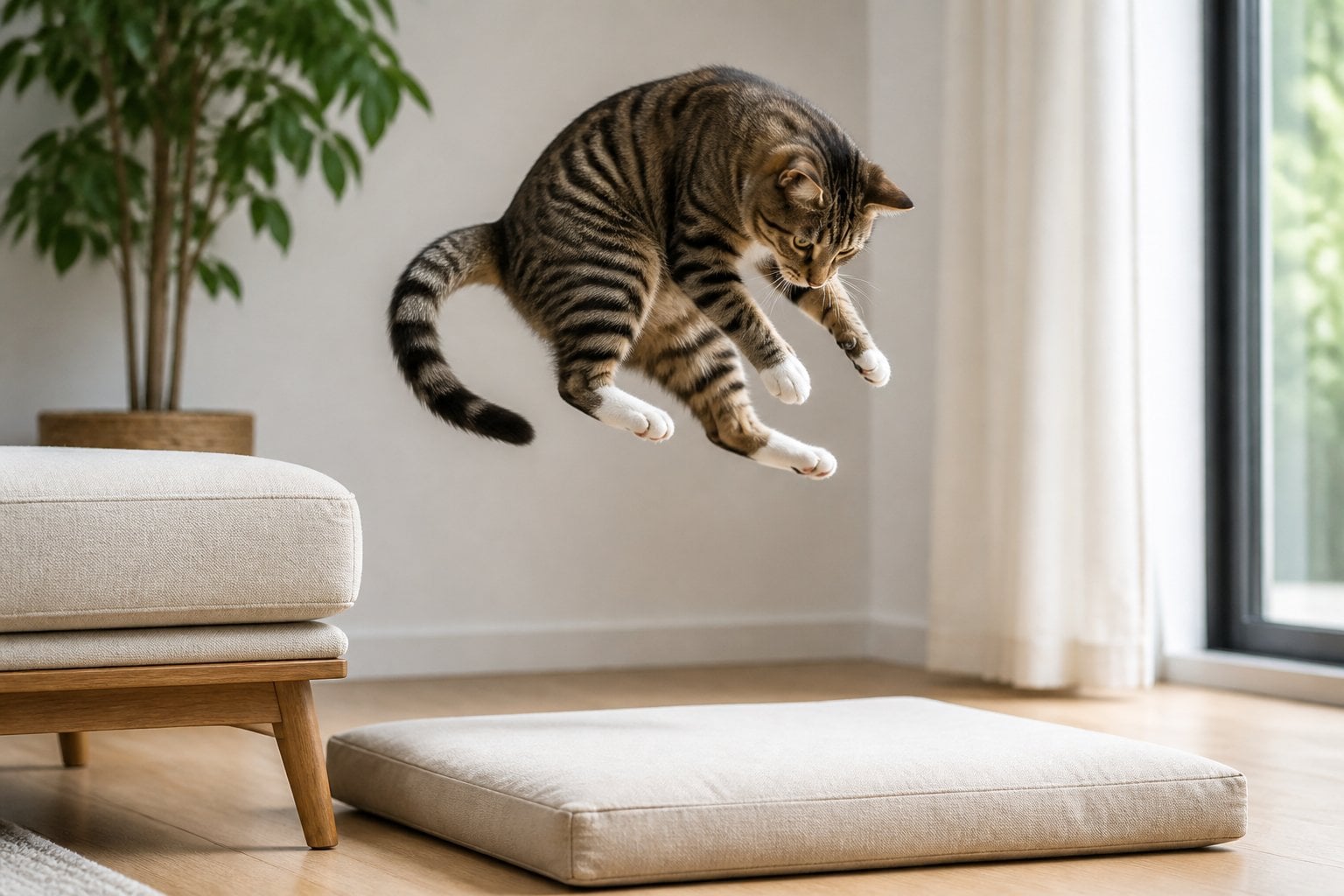
Cats have a righting reflex that lets them rotate their bodies mid-air and orient their feet downward. This reflex is present in kittens by 6 or 7 weeks old, without any training. It relies on a flexible spine and a strong inner ear balance system.
But you shouldn’t assume this reflex makes cats invincible. A 1987 study in the Journal of the American Veterinary Medical Association looked at 132 cats that fell from buildings and found that injuries actually increased with fall height, up to a certain point.
The reflex also needs enough distance to work properly. If your cat falls from a low height, like a countertop, it may not have time to fully rotate before landing.
Age and weight matter too. Older or overweight cats often have reduced flexibility, which limits how well they can right themselves during a fall.
3. Cats can see perfectly in complete darkness

This is one of the most persistent myths about cats, and it’s not quite true.
Cats cannot see in absolute darkness. Their eyes still require some light to function, just like yours do. What sets them apart is how little light they actually need.
A cat’s eyes contain a high number of rod cells, which detect light and motion. They also have a reflective layer behind the retina called the tapetum lucidum. This structure bounces light back through the retina, giving photoreceptors a second chance to capture it.
That’s why your cat’s eyes seem to glow when a flashlight hits them at night.
If you place your cat in a completely sealed, lightless room, it won’t be able to see anything. You wouldn’t either. Your cat just needs far less ambient light than you do to make sense of its surroundings.
4. Cats are naturally low-maintenance pets

You may have chosen a cat because you assumed they need less care than a dog. This assumption misses what cats actually require to stay healthy and content.
Your cat needs mental stimulation, not just food and water. Without toys, scratching posts, or interactive play, boredom and stress can build up quickly.
You also need to provide a predictable environment. Cats respond poorly to sudden changes in routine, space, or social dynamics, and this can affect their behavior and physical health.
Litter box maintenance, grooming, and regular veterinary checkups are not optional extras. If you skip these, you risk missing early signs of illness, since cats are skilled at hiding pain.
Your cat’s independence doesn’t mean self-sufficiency. They still depend on you for enrichment, safety, and companionship, even if they don’t demand it as visibly as other pets do.
5. Cats should drink milk

The saucer-of-milk image is one of the most familiar in cat ownership, but it does not match feline biology. Most adult cats are lactose intolerant. Kittens produce enough lactase to digest their mother’s milk, but that enzyme declines sharply after weaning.
Once lactase drops, milk sugar passes through the digestive tract undigested. This often leads to diarrhea, vomiting, or gas within hours of drinking it.
You might assume a small amount is harmless, and for some cats it may cause only mild discomfort. Others react more severely, especially if they consume a full bowl.
Milk also offers little nutritional value for cats. It lacks the protein and fat balance they need, so it cannot replace a proper diet.
If you want to give your cat a treat, look for lactose-free cat milk products instead. Plain water remains the safest choice for daily hydration.
6. Milk is healthy for every cat

Cartoons and old habits have convinced generations of cat owners that a bowl of milk is a treat your cat needs. It isn’t. Most adult cats lose the ability to digest lactose after they’re weaned, so their bodies can’t process the sugar in cow’s milk properly.
If you give your cat milk, you’re likely to see the consequences within hours. Diarrhea, vomiting, and stomach cramps are common reactions in lactose-intolerant cats.
Your cat may still enjoy the taste, since milk’s fat and protein content is appealing. That enjoyment doesn’t mean it’s doing your cat any good.
Water is what your cat actually needs for hydration. If you want to offer a dairy-based treat, look for products specifically formulated to be lactose-free for cats, and only in small amounts.
7. Cats need to have one litter before being spayed
This idea has no basis in veterinary science. Your cat gains nothing medically or emotionally from giving birth before being spayed.
In fact, waiting exposes her to real risks. Spaying before her first heat cycle offers the strongest protection against mammary cancer and eliminates the possibility of pyometra, a serious uterine infection.
Cats don’t experience motherhood the way people imagine. There’s no psychological fulfillment or maturity gained from a pregnancy, and no evidence that it improves temperament or behavior.
You should also consider the practical consequences. A single litter can mean anywhere from three to six kittens, all needing homes in a world where shelters are already overwhelmed.
Talk to your vet about timing. Most recommend spaying before six months of age, well before any heat cycle begins.
8. Spaying or neutering permanently changes a cat’s personality

Your cat’s core personality stays the same after the procedure. You will not wake up with a different cat.
What actually changes are hormone-driven behaviors. Spaying or neutering typically reduces urine spraying, yowling during heat cycles, roaming, and aggression tied to mating instinct.
If your cat is naturally shy, playful, or affectionate, those traits remain after surgery. You may notice your cat seems calmer, but that’s usually because certain hormonal stressors have been removed, not because their fundamental temperament shifted.
Weight gain is a real possibility since metabolism slows slightly after the procedure. You can manage this with proper diet and exercise, so it’s not a personality change either.
Understanding this distinction helps you set realistic expectations. Your cat will still be recognizably themselves, just without certain reproductive-driven behaviors.
9. Indoor cats do not need veterinary checkups
Many owners assume that keeping a cat indoors eliminates the need for regular vet visits. This is not accurate.
Indoor cats still develop dental disease, obesity, kidney disease, and other age-related conditions regardless of their exposure to the outside world. Genetics and aging affect your cat whether they roam a backyard or stay confined to your living room.
You can also unknowingly bring parasites and pathogens into your home on your shoes, clothing, or through contact with other animals. Your indoor cat is not shielded from every possible health threat.
Annual checkups allow your vet to catch problems early, often before you notice any symptoms. Cats are skilled at masking illness, so subtle changes in behavior or weight can go undetected without professional evaluation.
Skipping these visits means health issues may progress further before you seek treatment.
10. Cats can safely be left alone for several days

Some cat owners believe leaving out extra food, water, and a large litter box means their cat can manage alone for several days. This is not accurate. Cats still need daily care, even if they seem self-sufficient.
Food and water left out too long can spoil or become contaminated. A litter box used repeatedly without cleaning becomes unsanitary and may cause your cat to avoid it, leading to accidents elsewhere.
Health risks are also a concern. If your cat becomes sick, injured, or stressed while you’re gone, there’s no one there to notice or respond.
Cats are social animals that benefit from daily interaction, even brief check-ins. Most healthy adult cats can handle being alone for a workday, but multi-day absences require a sitter or boarding arrangement. Your cat’s safety and wellbeing depend on consistent, hands-on care, not just supplies left behind.
11. Cats always run away to die

This myth suggests cats have a sense of their own death and deliberately leave home for their final moments. It’s not true.
What actually happens is simpler. Sick or injured cats instinctively hide, since vulnerability makes them targets for predators in the wild. That instinct stays strong even in a safe indoor home.
If your cat has vanished, illness or injury is more likely than any awareness of dying. You should check quiet spots like closets, under furniture, or behind appliances first.
A cat that disappears for days needs medical attention, not folklore. Dehydration, infection, or organ failure can all cause a cat to withdraw and seek isolation.
Understanding this behavior helps you respond correctly. Instead of assuming the worst, search thoroughly and get your cat to a vet as soon as possible.
12. A purring cat is always happy

Purring is often read as a simple sign of contentment, but it means much more than that.
You’ll hear cats purr when they’re relaxed on your lap, but also when they’re stressed, frightened, or in pain. Veterinarians frequently note purring in seriously ill cats during exams, which shows the sound isn’t tied to a single emotion.
Some researchers believe purring functions as a self-soothing mechanism. The vibration frequency may help reduce stress or even support healing in bones and tissue.
If your cat is purring while hiding, avoiding food, or showing other signs of discomfort, don’t assume everything is fine. Look at the full picture of your cat’s behavior instead of relying on purring alone.
Treat purring as one signal among many, not a definitive happiness meter.
13. A cat’s purr always means contentment
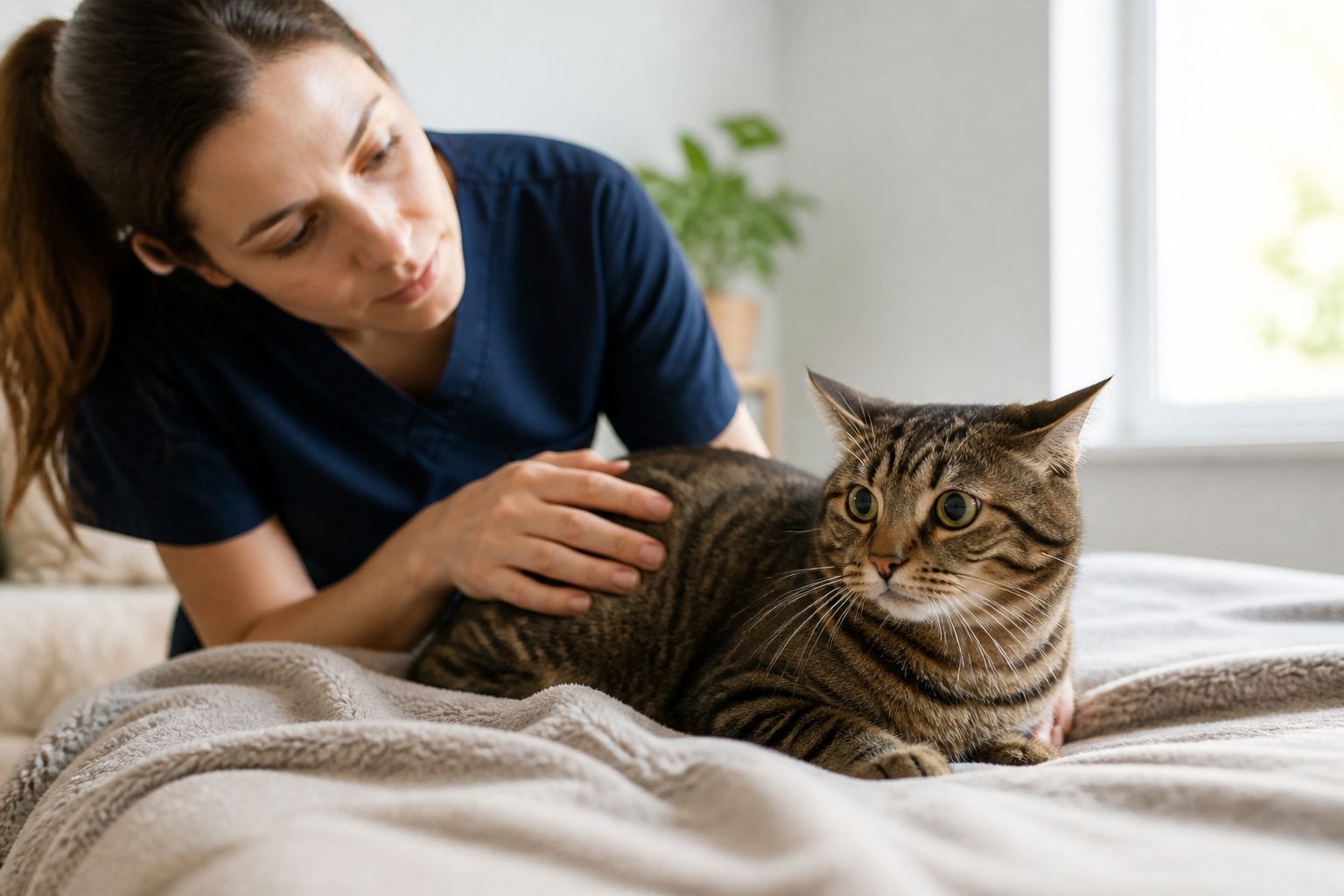
Purring is one of the most misunderstood cat sounds you’ll encounter. You’ve probably assumed it always signals happiness, but that’s not accurate.
Cats purr when relaxed, yes. They also purr when frightened, injured, stressed, or sick. Veterinarians often hear cats purring during exams, even when the animal is clearly unwell or in pain.
Purring appears to serve several functions beyond expressing contentment. Some researchers believe it helps cats self-soothe during difficult moments. Others suggest it plays a role in communication between a mother and her kittens.
If you want to understand what your cat is actually feeling, you need to look beyond the purr itself. Body language matters here. Watch for tension in the body, flattened ears, or avoidance behavior alongside the sound.
A purring cat isn’t necessarily a happy cat. Context always tells you more than the purr alone.
14. Cats are solitary and do not need companionship
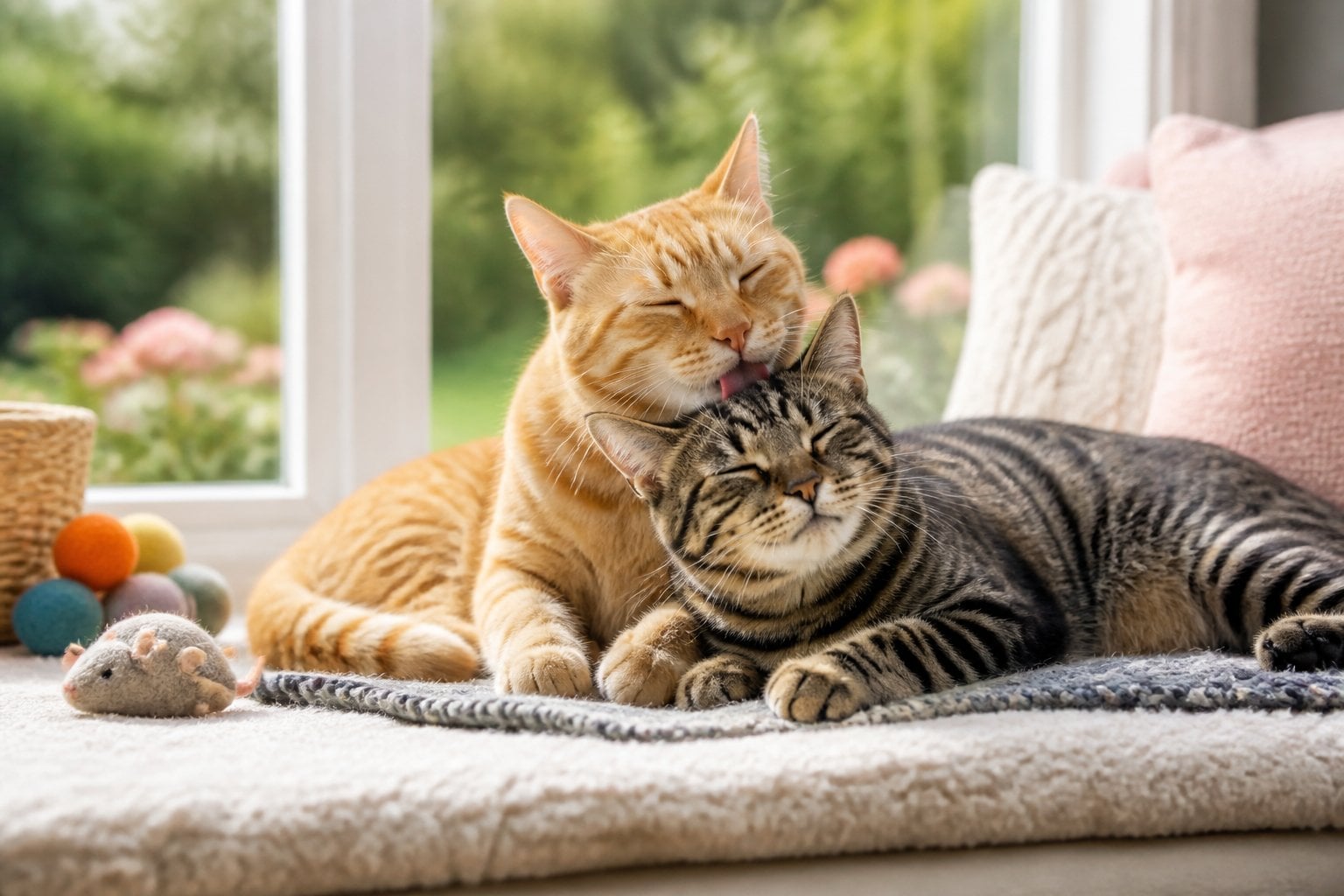
This idea comes from confusing hunting style with social preference. Cats hunt alone because their prey is small, not because they dislike company.
In multi-cat households, you’ll often see cats grooming each other, sleeping together, and forming clear social bonds. Feral cat colonies also show cooperative behavior, including shared kitten care among related females.
Your cat’s bond with you follows a similar pattern. Studies on attachment behavior show cats seek out their owners for comfort and reassurance, much like dogs do, even if the behavior looks more subtle.
Leaving a cat alone for long stretches isn’t automatically fine just because they seem self-sufficient. Some cats develop stress-related behaviors, including changes in appetite or litter box habits, when isolated too often.
Independence and the need for companionship aren’t opposites. Your cat can value its own space while still relying on social connection for emotional stability.
15. Cats cannot form strong bonds with people

This idea gets repeated so often that many people accept it without question. The truth is different.
Research on attachment styles has found that a majority of cats form secure bonds with their owners, similar to patterns seen in dogs and young children. Your cat notices when you leave the room and reacts to your return.
You can also see this bond through slow blinking, a behavior cats use to signal comfort and trust toward people they know well. If you slow blink at your cat, it will often blink back.
Cats also seek out attentive humans over passive ones, showing they can tell the difference and have a preference. Withdrawal, excessive vocalizing, or changes in behavior when you’re away often point to attachment, not indifference.
Your cat’s quiet nature doesn’t mean it feels nothing toward you.
16. Cats are untrainable

This belief comes from comparing cats to dogs, but cats simply learn through different motivation. Dogs evolved to cooperate with humans, while cats respond to rewards on their own terms, especially food and play.
Clicker training works well with cats. You mark the exact moment they perform a desired behavior, then follow with a treat, and many cats learn to sit, come when called, or use a scratching post through this method.
Short sessions matter more with cats than with dogs. Five minutes of focused training beats a longer session, since cats lose interest quickly once they’re full or bored.
Your cat’s willingness to participate depends on timing and incentive, not intelligence. If you train before mealtime and keep sessions consistent, you’ll likely see progress within a few weeks.
17. Cats misbehave out of spite

You may have blamed your cat for “getting back at you” after a bad day. Cats don’t think this way. Spite requires a level of premeditated reasoning that doesn’t match how feline cognition works.
When your cat urinates outside the litter box, it’s usually a sign of a medical issue, like a urinary tract infection, or an unclean litter box. Scratching your furniture isn’t rebellion either; it’s how cats mark territory and maintain their claws.
If your cat knocks something off a shelf right after you leave the room, you’re likely seeing curiosity or boredom, not revenge. Aggression, too, often stems from fear, pain, or overstimulation.
Punishing your cat for these behaviors won’t help. It can increase stress and damage your relationship. Understanding the real cause behind the behavior gives you a better chance of addressing it effectively.
18. Cats scratch furniture because they are being vindictive
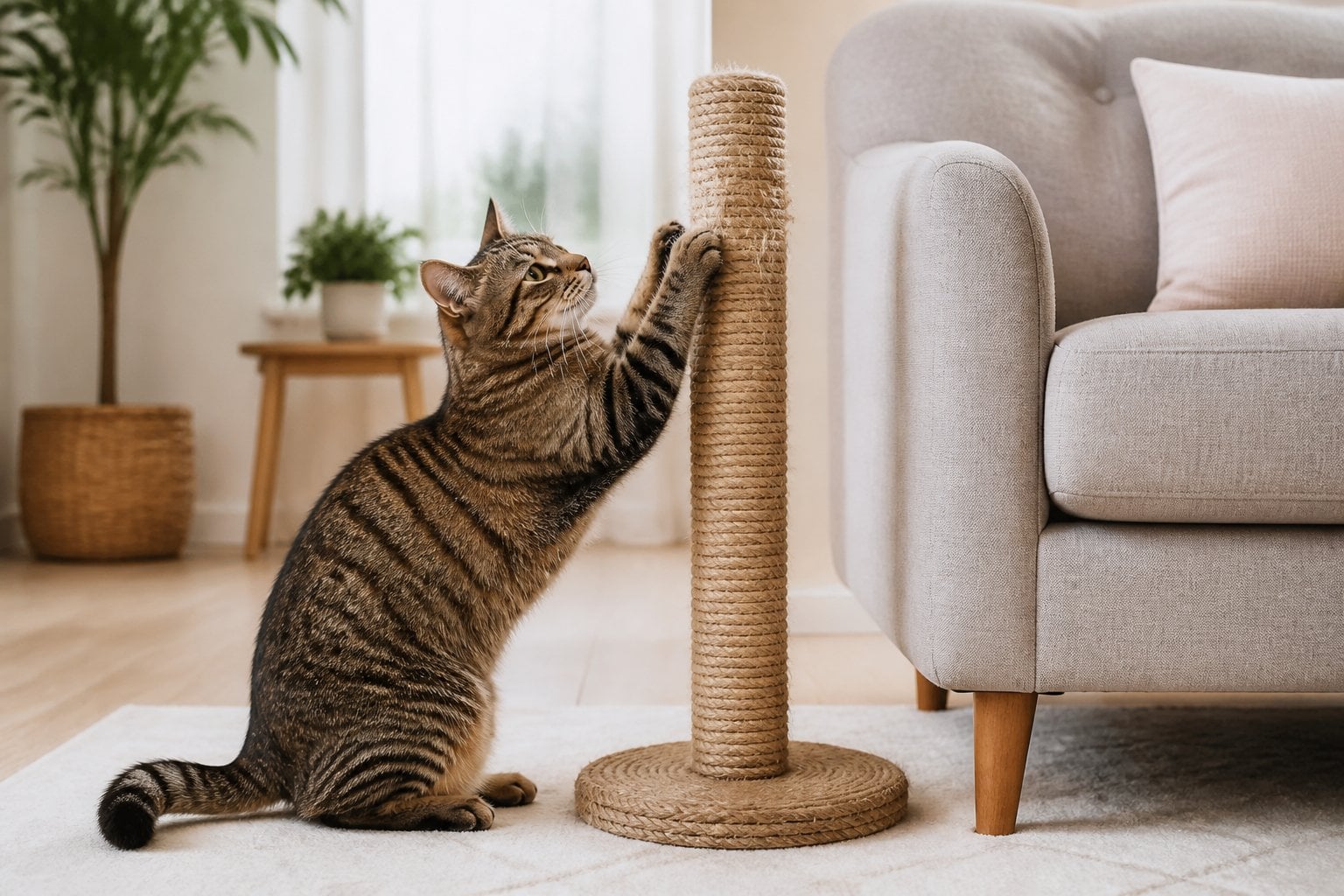
Cats don’t scratch your couch to get back at you. This idea assumes cats can plan revenge and connect that plan to a specific past event, which isn’t how feline cognition works.
Scratching is instinctive behavior, not an emotional reaction to something you did. Your cat scratches to maintain claw health, mark territory with scent glands in their paws, and stretch their muscles.
If your cat scratches furniture right after you leave or after a change in the household, it’s likely stress or anxiety driving the behavior, not spite. Cats respond to their environment, not to imagined slights against you.
Blaming vindictiveness distracts from the real issue: your cat’s scratching needs aren’t being met. Look at the location, texture, and number of scratching posts you provide instead of assuming bad intent.
19. A cat wagging its tail is showing happiness
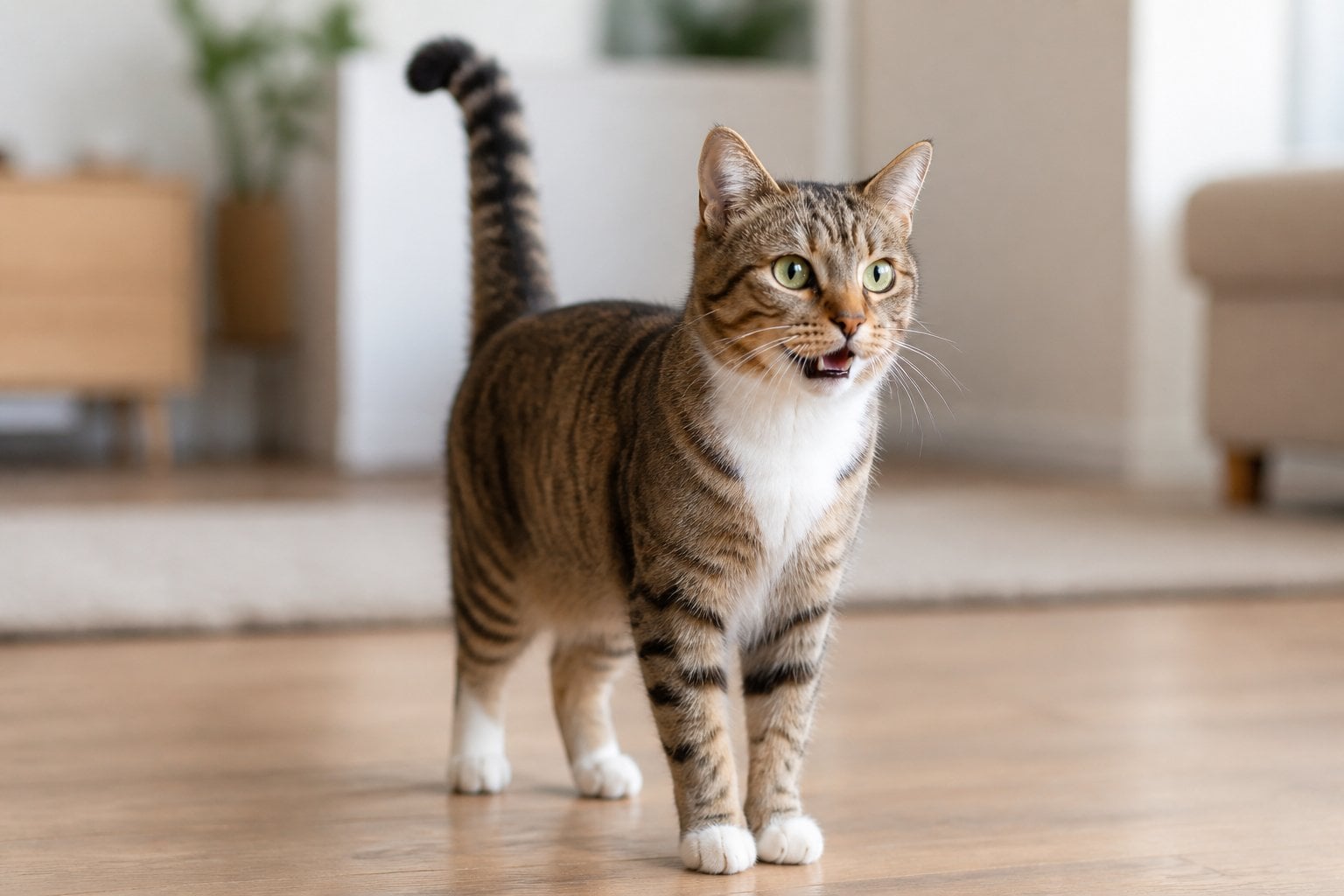
This idea comes from dog behavior, but cats communicate differently. When your cat’s tail swishes or thrashes, it rarely means joy.
A wagging tail in a cat usually signals agitation, overstimulation, or internal conflict. You might see this happen while petting your cat when it has reached its limit, or during focused hunting behavior.
Dogs wag their tails in broad, loose motions tied to excitement. Cats show happiness through different signals: a slow blink, a relaxed body, or a tail held upright with a slight curve at the tip.
If your cat’s tail is moving quickly side to side, pay attention to the rest of its body. Flattened ears, dilated pupils, or a tense posture often accompany this movement.
Understanding this distinction helps you avoid misreading your cat’s mood, which can prevent unwanted scratches or bites when you assume affection where none exists.
20. Cats hate all water

This one isn’t quite accurate. Some cats genuinely dislike getting wet, but others tolerate water fine, and a few actually enjoy it.
Breed plays a role. Maine Coons, Norwegian Forest Cats, and Turkish Vans are known for their interest in water, with the Turkish Van sometimes called the “swimming cat” because of how often it wades or paddles.
Individual personality matters too. You might find your cat batting at a dripping faucet, stepping into a shallow sink, or watching a bathtub fill with curiosity instead of fear.
What most cats actually object to is the sudden, forced experience of a bath: being restrained, soaked completely, and losing control of the situation. That reaction gets mistaken for a universal hatred of water itself.
If you introduce water gradually and let your cat approach it on their own terms, you may find they’re more accepting than the stereotype suggests.
21. All cats hate dogs

You’ve likely heard that cats and dogs are natural enemies. This isn’t accurate. Their relationship depends on socialization, individual temperament, and past experiences with each other.
Cats and dogs aren’t biologically programmed to dislike one another. Domestication has changed how these species interact, allowing many to coexist peacefully in the same household.
If you introduce a cat and dog properly, especially at a young age, you’ll often see them form genuine bonds. Timing matters here—early exposure tends to produce better results than introductions later in life.
Your own pets’ personalities play a significant role too. Some cats are naturally more tolerant or curious, while others may be more cautious regardless of the dog’s behavior.
The phrase “fighting like cats and dogs” reflects a cultural stereotype, not a biological rule. Many households prove this myth wrong every day.
22. Black cats bring bad luck

This is the most widespread cat myth out there. The idea traces back to medieval Europe, when Pope Gregory IX’s 1233 document linked cats to witchcraft and devil worship. From there, black cats became tangled up with fears about witches and evil omens.
There’s no evidence that a cat’s fur color affects anything in your life. Luck isn’t determined by which animal crosses your path.
The superstition has real consequences, though. Black cats are statistically less likely to get adopted from shelters than cats with other coat colors, and they sometimes wait longer to find homes.
Not every culture views them negatively, either. In parts of Britain and Japan, black cats are actually considered good luck.
If a black cat crosses your path, nothing about your day changes because of it. You’re just as likely to have good or bad luck as before.
23. Black cats are unlucky to own

This belief traces back to medieval Europe, where black cats were linked to witchcraft and often seen as omens of misfortune. That association stuck, and you’ll still hear people say a black cat crossing your path means bad luck.
There’s no evidence to support this. A cat’s coat color has no bearing on the luck of anyone who owns it.
In some cultures, black cats are actually considered lucky. In parts of the UK and Japan, they’re seen as good fortune, especially for finding a partner or bringing prosperity to a household.
This myth has real consequences. Black cats are statistically less likely to be adopted from shelters than cats of other colors, largely because of lingering superstition.
If you’re considering adopting, coat color shouldn’t factor into your decision. You’ll find the same range of personalities and temperaments in black cats as in any other.
24. Pregnant people should avoid cats entirely

This is not necessary. The real concern is toxoplasmosis, caused by a parasite that can appear in cat feces. But the risk comes from the parasite, not the cat itself.
You’re actually more likely to encounter this parasite through undercooked meat, unwashed produce, or contaminated soil than through your own cat.
If you’re pregnant, you can lower your risk with a few simple steps. Have someone else change the litter box, or wear gloves and wash your hands thoroughly if you must do it yourself. Scoop the litter daily, since the parasite needs one to five days to become infectious after being shed.
Indoor cats that don’t hunt prey have a low risk of carrying the parasite in the first place. There’s no medical reason to give up your cat or avoid contact with it during pregnancy.
25. Cats intentionally suffocate babies

This myth claims cats deliberately smother infants, often by lying on their faces to steal their breath. It has no scientific basis.
Cats don’t have the intent or reasoning to target a baby’s breathing. If a cat curls up near an infant, it’s seeking warmth, not attempting harm.
The origin of this belief traces back centuries, often linked to old superstitions about cats being drawn to milk on a baby’s breath. Historical fear and distrust of cats helped this idea spread, not evidence.
You should still practice basic safety, like keeping cats out of cribs and supervising interactions. This isn’t because cats are dangerous by nature, but because any pet near a sleeping infant warrants caution.
The suffocation myth, though, remains unsupported by veterinary or medical research.
26. Cats steal a baby’s breath

This is one of the oldest cat myths, and it’s physically impossible. Cats cannot suffocate a baby simply by sitting near them or breathing on them. There is no mechanism by which a cat could suck air from a baby’s lungs.
The myth likely started because cats are drawn to warmth and the scent of milk on a baby’s breath. A cat might sniff or nuzzle close to a sleeping infant’s face out of curiosity, not malice. Centuries ago, unexplained infant deaths were sometimes blamed on cats simply because one happened to be nearby.
There is a real safety issue worth noting, though. A cat curling up on or near a baby’s face could accidentally block their airway, especially with very young infants who can’t move away.
Keep cats out of the crib and supervise interactions, but don’t fear your cat as a deliberate threat.
27. Cats are dangerous because they carry toxoplasmosis
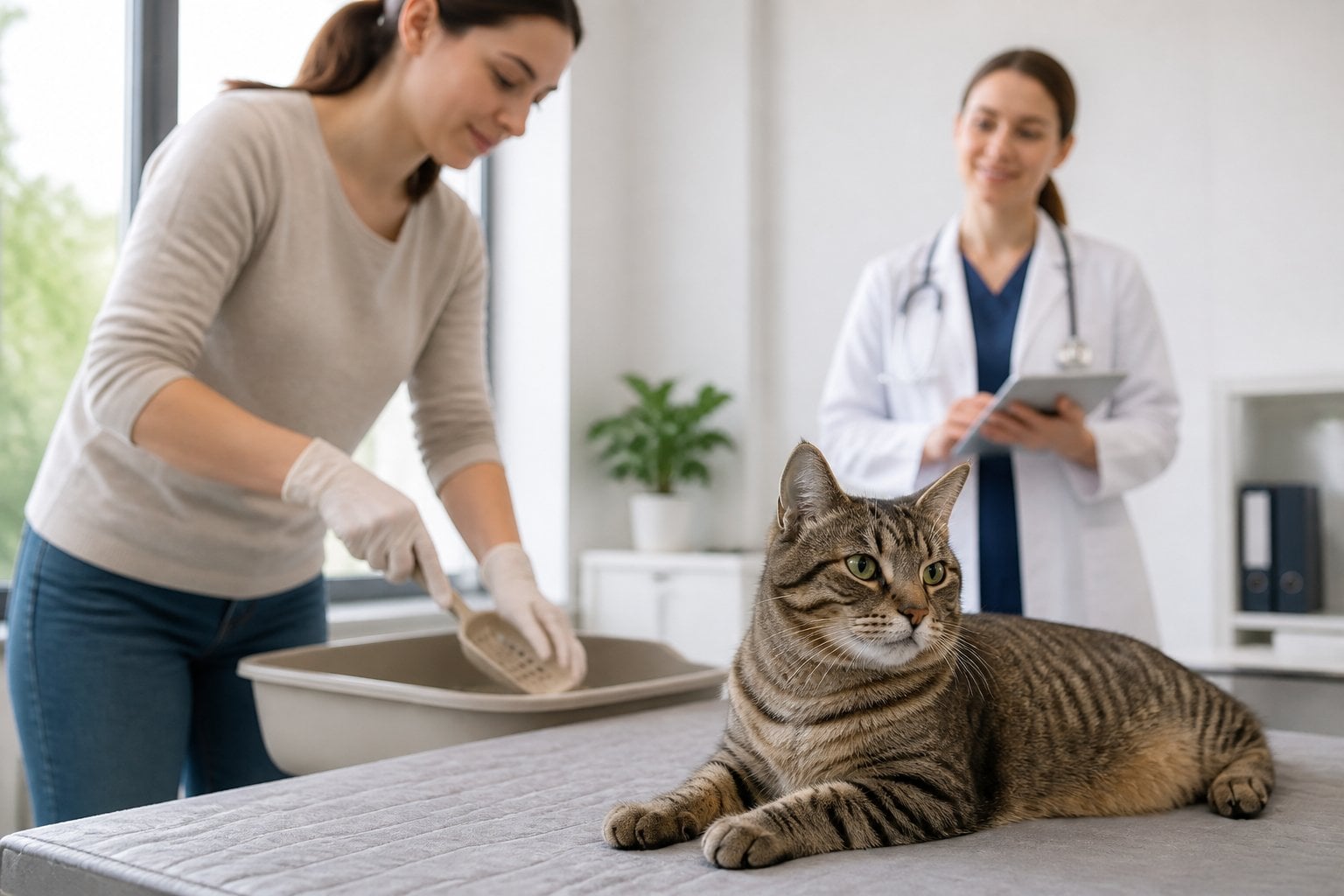
Toxoplasmosis worries many cat owners, but the actual risk is smaller than you might think. Cats only shed the parasite in their feces for a short window after initial infection, usually one to two weeks in their lifetime.
You’re more likely to contract toxoplasmosis from undercooked meat or unwashed produce than from your cat. The parasite also needs one to five days outside the body to become infectious, so daily litter box cleaning significantly reduces your risk.
Indoor cats that don’t hunt or eat raw meat have very low infection rates. If you’re pregnant or immunocompromised, you don’t need to give up your cat.
Simple precautions work: wear gloves when scooping litter, wash your hands afterward, and let someone else handle the box if you’re concerned. Your cat isn’t a health threat when you take basic hygiene steps.
28. Raw meat is always the best diet for cats

Cats are obligate carnivores, and raw meat looks like a natural fit. But “natural” doesn’t automatically mean “best” or “safest.”
Raw diets carry real risks: Salmonella, E. coli, and Listeria contamination. Your cat may tolerate these bacteria better than you would, but they can still get sick. You’re also at risk, especially if you’re immunocompromised.
Nutritional balance is another problem. Muscle meat alone lacks essential vitamins, minerals, and taurine. Without careful formulation, you risk deficiencies that cause serious health issues over time.
Commercial raw diets that are properly balanced and safely processed can work well for many cats. Homemade raw diets require more caution and veterinary guidance to avoid nutritional gaps.
Raw feeding isn’t automatically superior to quality commercial food. Talk to your vet before switching, especially if your cat has health conditions that increase risk.
29. Cats can thrive on a vegetarian diet

Cats are obligate carnivores. Your cat’s body is built to process nutrients from animal tissue, not plants.
Taurine is the biggest problem with vegetarian diets. This amino acid exists only in animal tissue, and your cat cannot make enough of it on its own. Without it, cats develop heart disease and blindness.
Cats also need arginine, vitamin A, and vitamin B12 in forms only found in meat. Plants contain different versions of these nutrients that your cat’s body cannot use effectively.
You might see commercial “vegetarian” cat foods marketed as complete and balanced. Many rely on synthetic supplements to fill nutritional gaps, and results vary in how well cats absorb these lab-made versions.
If you’re considering this diet for ethical or environmental reasons, talk to your veterinarian first. Your cat’s biology doesn’t change based on your preferences, and forcing a mismatch between diet and biology puts its health at risk.
30. Cats should eat only fish

Cartoons and cat food ads have convinced you that fish is a cat’s favorite meal. In reality, cats evolved from desert-dwelling ancestors who hunted rodents and birds, not fish. A fish-only diet doesn’t match your cat’s natural nutritional needs.
Fish lacks certain nutrients your cat needs in the right balance, including specific amino acids and vitamins found more reliably in other animal proteins. Relying on fish alone can also lead to thiamine deficiency, since some fish contain enzymes that break down this essential vitamin.
You should also know that certain fish, like tuna, can contain mercury and other contaminants when fed too often. This poses long-term health risks.
Fish can be part of a balanced feline diet in moderation. But it shouldn’t replace complete, species-appropriate nutrition. Your cat’s health depends on variety, not a single ingredient, no matter how iconic the pairing seems in popular culture.
How Feline Behavior, Biology, And Health Research Shape Accurate Information
Veterinary research and behavioral science give you a factual foundation for understanding cats, replacing guesswork with data from clinical studies and observation. Recognizing how this research applies to your own cat prevents you from relying on outdated assumptions.
Why Context Matters When Interpreting Cat Behavior
A behavior that looks like one thing on the surface often means something else entirely. Purring, for example, doesn’t always signal contentment; cats also purr when injured, stressed, or in pain.
You need to account for factors like age, breed tendencies, medical history, and environment before drawing conclusions about why a cat acts a certain way.
A few examples of context-dependent behaviors:
- Hiding: can indicate normal caution or a sign of illness, depending on frequency and duration
- Aggression: may stem from fear, territorial instinct, or an underlying medical condition
- Reduced appetite: could reflect stress, dental pain, or a more serious health issue
Without this context, you risk misreading signals that actually require veterinary attention.
The Risks Of Treating Anecdotes As Veterinary Advice
Personal stories and secondhand accounts spread quickly, but they don’t carry the same weight as peer-reviewed research or clinical data. What worked for one cat, or one owner’s interpretation of their cat’s behavior, doesn’t reliably apply to others.
Treating anecdotes as fact can lead you to delay veterinary care, misinterpret symptoms, or adopt practices that aren’t supported by evidence. This gap between casual claims and verified information is part of why many feline myths persist despite being disproven.
When you encounter advice based only on one person’s experience, verify it against information from a veterinarian or established research before applying it to your own cat’s care.
Making Evidence-Based Choices For Cat Care
Separating fact from fiction requires knowing when to seek professional guidance and where to find trustworthy information. Your cat’s health depends on your ability to identify credible sources and act on accurate, current knowledge.
When To Consult A Veterinarian Or Certified Behavior Professional
You should schedule a veterinary visit at least once a year, even if your cat seems healthy. Cats hide illness instinctively, so subtle changes in appetite, litter box habits, or energy level often signal problems that need professional attention.
Certain symptoms require immediate care. These include:
- Difficulty breathing or persistent coughing
- Blood in urine or stool
- Refusal to eat for more than 24 hours
- Sudden lethargy or hiding
- Repeated vomiting
Behavior issues fall into a different category. If your cat shows aggression, inappropriate elimination, or excessive anxiety, a certified feline behavior consultant can identify triggers and design a treatment plan.
Avoid relying on generic online advice for these situations. Your veterinarian can rule out medical causes before behavioral explanations are considered, since pain or illness frequently drives changes in behavior.
Finding Reliable Sources For Feline Health Information
Not all information about cats carries equal weight. You should prioritize sources backed by veterinary organizations, peer-reviewed research, or licensed professionals.
Be cautious with content from forums, social media, or unverified blogs. These platforms often repeat outdated claims without citing evidence.
When evaluating a source, check for author credentials and publication dates. Feline medicine changes as research advances, so information from a decade ago may no longer reflect current standards.
Cross-reference claims across multiple credible sources before applying them to your cat’s care.


